
California, often hailed as the Golden State, conjures images of sun-drenched beaches, towering redwoods, innovative tech hubs, and a vibrant, diverse culture. It’s a land of dreams for many, offering unparalleled opportunities and a lifestyle often idealized worldwide. However, this allure comes with a significant price tag. Understanding the median income in California is not merely an exercise in economics; it’s a crucial lens through which to view the accessibility of its myriad travel experiences, the practicality of its accommodation options, and the realities of living the famed California lifestyle. For anyone planning a visit, considering a move, or simply curious about the economic heartbeat of this magnificent state, grasping the financial landscape is paramount. It dictates everything from where one can afford to stay, to the type of tourism experiences one can indulge in, and even the choice between luxury travel and more budget-conscious adventures.

Understanding California’s Median Income Landscape
The concept of median income provides a more accurate representation of household earnings than the average, as it isn’t skewed by extremely high or low outliers. It essentially tells us the point at which half of the households earn more and half earn less. In a state as economically diverse as California, this figure is a vital indicator of general financial well-being and affordability.
Key Figures and Regional Disparities
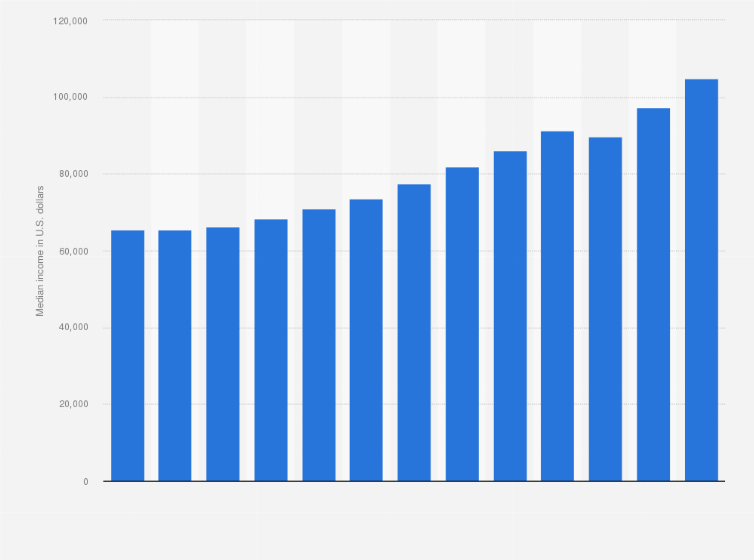
According to recent data, the median household income in California stands significantly higher than the national median, often fluctuating around $91,551 as of the latest figures (though this can vary slightly by reporting agency and year). While impressive, this figure tells only part of the story. California is not a monolith; its economic landscape varies wildly from region to region. The tech-driven prosperity of the San Francisco Bay Area pushes median incomes dramatically upwards. For instance, in areas like San Jose, the median household income can easily exceed $130,000, reflecting the high-paying jobs in Silicon Valley. Similarly, parts of Orange County and affluent pockets of Los Angeles also boast incomes well above the state average.
In stark contrast, agricultural regions in the Central Valley, and some rural areas in Northern California, often report median incomes considerably lower, sometimes even below the national average. This regional disparity is critical, as it directly impacts the local cost of living and, consequently, the disposable income available for travel, leisure, and lifestyle choices. A median income earner in San Francisco faces vastly different financial pressures and opportunities than someone earning the same median income in a more rural or economically depressed part of the state.
The Cost of Living in the Golden State
The primary reason California’s median income is so high is to offset its notoriously exorbitant cost of living. Housing is, without a doubt, the biggest driver of expenses. Major metropolitan areas like Los Angeles, San Francisco, and San Diego consistently rank among the most expensive housing markets in the United States. Rent for a modest apartment in these cities can easily consume a significant portion of a median income household’s budget. Homeownership, for many, remains an elusive dream, even with a robust income.
Beyond housing, everyday expenses also add up quickly. Groceries, utilities, and transportation costs tend to be higher than the national average. Gasoline prices are frequently among the highest in the nation, impacting daily commutes and road trip budgets alike. Healthcare, childcare, and even dining out contribute to the elevated cost of maintaining a lifestyle in California. This high cost of living means that while a household might earn a six-figure income, their purchasing power, especially in major cities, might feel equivalent to a much lower income in a more affordable state. This economic reality shapes everything from local tourism choices to the kind of accommodation residents and visitors can realistically afford, driving a demand for both luxury and budget-friendly options across the state.
Navigating Travel and Tourism on a California Budget
The diverse landscapes and vibrant culture of California offer an irresistible draw for travelers. From the iconic beaches of Southern California to the majestic peaks of the Sierra Nevada, the state promises an endless array of experiences. However, the median income of residents, and the general cost of living, significantly influence how both locals and visitors approach travel and tourism within the Golden State.
Balancing Aspirations with Reality
For a household earning the median income in California, balancing travel aspirations with financial realities is a constant consideration. While a trip to Disneyland Park or a weekend getaway to Napa Valley might be high on the wish list, the associated costs of accommodation, dining, and activities can quickly add up. This often means that luxurious, all-inclusive experiences or stays at five-star resorts like The Ritz-Carlton or Four Seasons are reserved for special occasions or require extensive savings.
Instead, many median-income earners, and budget-conscious tourists, gravitate towards more economical travel strategies. This could involve choosing self-catering accommodations, packing picnics for day trips, utilizing public transport where available, or opting for free or low-cost activities. The lifestyle of exploring California often involves smart planning to maximize experiences without overspending, proving that the state’s beauty and adventure are accessible to those who strategize. This approach also extends to booking flights and rental cars, often relying on advance purchases or off-peak travel to secure better deals.
Accessible Attractions and Experiences
Despite its reputation for high costs, California is rich with accessible attractions that cater to a wide range of budgets. Many of its most breathtaking natural landmarks, for instance, are either free or require only a modest entrance fee. Exploring the stunning coastline along Highway 1 through Big Sur, hiking trails in Yosemite National Park (with a national park pass), or enjoying the vast sandy stretches of Santa Monica Beach are experiences that deliver immense value for minimal expenditure. Iconic spots like the Golden Gate Bridge in San Francisco or the Hollywood Walk of Fame in Los Angeles offer fantastic photo opportunities and cultural immersion without a ticket price.
Many cities also offer free walking tours, art gallery openings, and community events that showcase local culture and vibrancy. Farmers’ markets provide a taste of local produce and culinary delights that are often more affordable than restaurant dining. Even some world-class museums, such as the Getty Center in Los Angeles, offer free admission, requiring only a parking fee. These options highlight that experiencing the grandeur and charm of California doesn’t always necessitate a lavish budget; careful planning and a willingness to explore beyond the most expensive tourist traps can unlock incredible adventures.
Accommodation Choices for Every Income Bracket
When it comes to accommodation, California presents a spectrum of choices as vast as its landscape. From ultra-luxury resorts to budget-friendly hostels and camping sites, there’s an option for nearly every traveler, though the median income often dictates the feasibility of certain stays. Understanding these choices is paramount for effective travel planning within the Golden State.
From Luxury Resorts to Budget-Friendly Stays
At the pinnacle of California’s accommodation offerings are its world-renowned luxury hotels and resorts. Properties like The St. Regis Monarch Beach in Dana Point, The Beverly Hills Hotel in Los Angeles, or upscale boutique hotels in Napa Valley cater to an affluent clientele, offering impeccable service, gourmet dining, and lavish amenities. These establishments, often boasting stunning views and exclusive experiences, come with a price tag that typically falls outside the regular budget of a median income household. For those with significant disposable income, these stays become part of a luxury travel lifestyle, providing an unparalleled level of comfort and exclusivity.
For the vast majority of travelers, including California residents on a median income, more practical options abound. Mid-range hotels from reputable chains like Hilton, Marriott, or Hyatt Regency offer comfortable and reliable stays in prime locations, balancing cost with convenience. Beyond traditional hotels, vacation rentals through platforms like Airbnb or VRBO provide alternatives, often allowing for longer stays, kitchen facilities, and a more localized experience, which can be cost-effective for families or groups.
On the budget end, hostels in major cities like San Francisco and Los Angeles offer dormitory-style accommodations, ideal for solo travelers or those prioritizing experiences over lavish stays. Camping and RV parks, particularly near California’s numerous national and state parks such as Yosemite or Death Valley National Park, present some of the most affordable accommodation options, allowing direct access to nature and a truly unique experience.
Strategic Booking for Savings
Regardless of income level, strategic booking is key to optimizing accommodation costs in California. For luxury seekers, booking during off-peak seasons or looking for package deals can offer significant savings. For mid-range and budget travelers, flexibility with dates is often the most powerful tool. Traveling during the shoulder seasons (spring and fall) or weekdays can yield substantially lower rates than peak summer or holiday weekends.
Utilizing hotel loyalty programs is another smart move. Accumulating points through credit card spending or frequent stays can lead to free nights or discounted rates at various hotel brands. Comparing prices across multiple booking platforms, often with flexible cancellation policies, ensures the best available rate. For longer stays, especially in vacation rentals, negotiating directly with owners or seeking monthly discounts can prove beneficial. Additionally, considering accommodations slightly outside the most popular tourist hubs, and commuting in, can also drastically reduce costs without sacrificing access to key attractions. These booking strategies empower travelers, including those on a median income, to unlock desirable destinations like Santa Barbara or Lake Tahoe without necessarily compromising on comfort or location.
Lifestyle Implications: Living and Exploring California
The median income in California isn’t just a number; it fundamentally shapes the lifestyle choices available to its residents, from daily living to recreational pursuits and travel within the state. The dream of living the California lifestyle often collides with the practicalities of its high cost of living, leading to a varied experience for its diverse population.
The Dream vs. The Practicality
For many, the ” California dream” embodies a life of sunshine, outdoor activities, cultural richness, and career opportunities. While the median income in the state is higher than the national average, the proportionally higher cost of living means that for a significant portion of residents, particularly in major metropolitan areas, this income often translates to a comfortable but not necessarily lavish lifestyle. Homeownership might be challenging, necessitating longer commutes from more affordable suburbs or accepting smaller living spaces. Budgeting becomes a crucial skill, with careful consideration given to discretionary spending.
However, the lifestyle for those earning a median income often involves maximizing the free or low-cost aspects of California. This means frequent trips to public beaches like Malibu, hiking in state parks, enjoying free community events, and exploring the diverse neighborhoods of cities like San Diego or Sacramento. The ability to truly enjoy the state’s offerings often relies on resourcefulness and prioritizing experiences that align with a sensible budget, rather than a constant pursuit of high-end luxury. This approach fosters a unique appreciation for the state’s natural beauty and cultural accessibility.

Culinary Adventures and Local Culture
California’s culinary scene is world-renowned, from farm-to-table dining in wine country to diverse ethnic cuisines in its bustling cities. For a median income earner, indulging in high-end gastronomic experiences like those found in Michelin-starred restaurants in San Francisco or Los Angeles might be an occasional treat rather than a regular occurrence.
Instead, the median income lifestyle often emphasizes exploring the rich tapestry of local culture through more affordable culinary adventures. This includes frequenting vibrant food trucks, exploring bustling farmers’ markets for fresh, local produce, and discovering hidden gem eateries that offer authentic cuisine at reasonable prices. Trying diverse street food in Los Angeles or enjoying fresh seafood at Pier 39 in San Francisco can be equally rewarding and far more budget-friendly than a formal dining experience. Participating in local food festivals, visiting craft breweries in San Diego, or enjoying picnics in scenic parks are all ways that California residents can engage with the state’s incredible food culture and local attractions without stretching their finances. These experiences contribute to a rich and fulfilling lifestyle, proving that an abundant life in California is achievable through thoughtful planning and embracing the state’s accessible delights.
In conclusion, the median income in California is a critical determinant of lifestyle, travel choices, and the general quality of life within the state. While it is robust compared to the national average, the exceptionally high cost of living, particularly housing, necessitates careful financial planning for most households. However, this economic reality does not diminish the state’s appeal. Instead, it encourages a more thoughtful and strategic approach to enjoying California’s vast offerings. From budget-conscious exploration of iconic landmarks like Yosemite National Park and the Santa Monica Pier to smart accommodation choices ranging from charming boutique hotels to scenic camping, the Golden State remains accessible to a wide range of incomes. The true essence of the California lifestyle, whether one is a local resident or a visiting tourist, often lies in maximizing value, embracing local culture, and appreciating the immense natural beauty and diverse experiences available, regardless of one’s median income. It’s a testament to the state’s enduring allure that with a little planning, everyone can find their own piece of the California dream.
LifeOutOfTheBox is a participant in the Amazon Services LLC Associates Program, an affiliate advertising program designed to provide a means for sites to earn advertising fees by advertising and linking to Amazon.com. Amazon, the Amazon logo, AmazonSupply, and the AmazonSupply logo are trademarks of Amazon.com, Inc. or its affiliates. As an Amazon Associate we earn affiliate commissions from qualifying purchases.