
Navigating the intricacies of tax filing can feel like deciphering an ancient map, especially when you’re a resident of the Golden State. For many individuals and families, a primary concern revolves around understanding the minimum income threshold that necessitates filing a California state tax return. This isn’t just about avoiding penalties; it’s about understanding your financial obligations and potentially unlocking tax refunds or credits you might otherwise miss. While the allure of exploring new destinations, indulging in luxurious resorts, or immersing yourself in local culture is strong, staying on top of your tax responsibilities is a fundamental aspect of responsible living, no matter where your travels take you.
Understanding California’s Filing Requirements
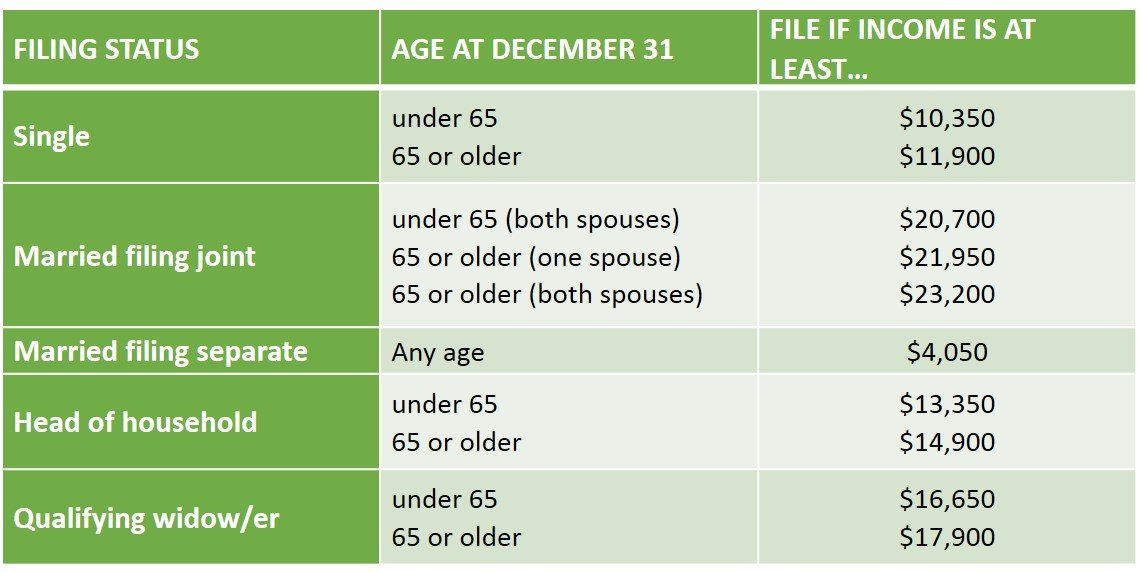
The minimum income requirement to file taxes in California is not a single, universally applicable figure. Instead, it’s a dynamic threshold influenced by several factors, primarily your filing status and age. The Franchise Tax Board (FTB), the state agency responsible for administering California’s tax laws, outlines these requirements. It’s crucial to remember that these figures can change annually, so always refer to the most current tax year’s guidelines.
Filing Status and Age: The Key Determinants
Your filing status significantly impacts your minimum income requirement. The FTB recognizes several filing statuses, each with its own set of income thresholds. These generally include:
- Single: For individuals who are unmarried.
- Married/Registered Domestic Partner (RDP) Filing Jointly: For married couples or registered domestic partners who choose to file one tax return together.
- Married/RDP Filing Separately: For married couples or registered domestic partners who choose to file individual tax returns.
- Head of Household: For unmarried individuals who pay more than half the cost of keeping up a home for a qualifying child.
- Qualifying Widow(er)/Surviving Spouse: For individuals who meet specific criteria after the death of a spouse.
Beyond your filing status, your age also plays a role. California, like the federal government, provides certain exemptions for individuals who are 65 or older. This often translates to a higher minimum income threshold before a tax return becomes mandatory.
Deeper Dive into Specific Scenarios
Let’s break down some common scenarios to illustrate these varying requirements. For instance, for a given tax year, a single individual under the age of 65 might have a lower minimum income threshold compared to someone who is married filing jointly and both individuals are under 65. Conversely, if one or both spouses are 65 or older, their combined gross income threshold for filing jointly would likely be higher.
Similarly, a head of household, especially one with dependents, might have a different threshold than someone filing as single. The complexity arises from the fact that these figures are designed to align with the state’s economic and social policies, ensuring that those with minimal income are not unduly burdened by tax filing obligations. This also helps to streamline the tax system, focusing administrative efforts on taxpayers who are more likely to owe taxes or be eligible for refunds.
It’s also important to consider that even if your income falls below the mandatory filing threshold, you might still want to file a return. This is particularly true if you had federal or state income taxes withheld from your paychecks. Filing a return is the only way to claim a refund for these overpayments. Additionally, certain tax credits, such as the California Earned Income Tax Credit (CalEITC) or the Child and Dependent Care Credit, may be available to you, and you can only claim these by filing a tax return, regardless of your income level. This principle is akin to understanding the best time to book flights for your next getaway to San Francisco – sometimes proactive action, even if not strictly required, yields the best results.
Gross Income vs. Adjusted Gross Income (AGI)
When determining if you need to file, California focuses on your gross income. Gross income generally includes all income you receive from all sources that is not exempt from tax. This can encompass wages, salaries, tips, interest, dividends, capital gains, business income, retirement distributions, and more. It’s a broader measure than Adjusted Gross Income (AGI), which is calculated after certain deductions.
For instance, if you’ve been enjoying extended stays in beautiful accommodations like the Ritz-Carlton Laguna Niguel and earning rental income, this would be included in your gross income. Similarly, any income generated from freelance work or side businesses, perhaps while exploring the vibrant Los Angeles scene, also contributes to your gross income. Even if you’re on a budget travel adventure across the United States, any earned income needs to be accounted for.
The FTB’s guidelines will clearly specify what constitutes gross income for filing purposes. It’s essential to review these definitions carefully to ensure accurate reporting. This diligent approach to understanding your income sources is as vital as researching the best attractions in Italy before planning your itinerary.
Beyond the Minimum: When Filing is Beneficial

While the mandatory filing thresholds are designed to capture those who are likely to owe taxes, there are numerous reasons why an individual or household with income below these thresholds might still choose, or be advised, to file a California tax return. This proactive approach can lead to significant financial advantages, much like a savvy traveler secures the best deals on hotels in San Diego.
Claiming Refunds for Withheld Taxes
One of the most compelling reasons to file a return, even if your income is below the minimum, is to recoup taxes that have already been withheld from your paychecks. Many employers, particularly for part-time, seasonal, or contract work, withhold state income tax from each paycheck. If your total annual income, after considering any deductions or credits you might qualify for, ends up being less than the amount of tax already paid through withholding, you are entitled to a refund. Filing a return is the only mechanism through which you can claim this money back. This is a crucial point for anyone working in California, whether they are local residents or visitors participating in short-term tourism activities.
Accessing Tax Credits and Other Benefits
California offers a range of tax credits and incentives designed to support various economic groups and encourage specific behaviors. These can significantly reduce your tax liability or even result in a refund. Some of the prominent credits include:
- California Earned Income Tax Credit (CalEITC): This credit is for low-to-moderate income working individuals and families. It aims to supplement the earnings of eligible taxpayers, making it a vital tool for financial well-being. To qualify, you must meet certain income requirements and have earned income from employment.
- Child and Dependent Care Credit: If you paid for care for a qualifying child or other dependent so that you (and your spouse, if filing jointly) could work or look for work, you may be eligible for this credit. This is especially relevant for families taking extended lifestyle trips or business stays where childcare is a necessity.
- Property Tax Assistance: While not directly a credit on your income tax return, certain property tax assistance programs may require you to file a state tax return as part of the application process.
- Other Credits and Deductions: Depending on your specific circumstances, you might be eligible for other deductions or credits related to education expenses, retirement savings, or other life events.
Even if your gross income is below the mandatory filing threshold, claiming these credits could result in a refund, making filing a highly beneficial action. Think of it as discovering a hidden gem attraction in Napa Valley – an unexpected benefit that enhances your experience.
Reporting Business Losses
If you operate a business or are self-employed and incur a net loss, you may still need to file a tax return to report that loss. In certain situations, these losses can be used to offset income from other sources in the current tax year or carried forward to future tax years, reducing your future tax burden. This is particularly relevant for individuals who might be exploring entrepreneurial ventures or engaging in gig economy work while enjoying the lifestyle opportunities California offers, such as those found in the vibrant city of Sacramento.
Navigating the FTB Website and Seeking Assistance
The California Franchise Tax Board (FTB) is the ultimate authority on tax filing requirements and provides extensive resources to help taxpayers understand their obligations. Their official website is an invaluable tool for obtaining the most accurate and up-to-date information.
Key Resources on the FTB Website
The FTB website (ftb.ca.gov) offers a wealth of information, including:
- Tax Forms and Publications: You can download the latest tax forms, instructions, and publications that detail filing requirements, income thresholds, and explanations of various tax credits and deductions. Look for publications specifically related to filing thresholds for the relevant tax year.
- Online Tools and Calculators: The FTB may offer online tools to help you determine if you need to file or to estimate your tax liability.
- Frequently Asked Questions (FAQs): Many common questions about filing requirements, residency, and specific tax situations are addressed in the FAQ sections.
- Contact Information: If you have specific questions that are not answered by the online resources, the FTB provides contact information for telephone assistance.
Just as you would consult a detailed travel guide before embarking on an adventure to Yosemite National Park, referring to the FTB’s official resources is crucial for accurate tax filing.

When to Seek Professional Tax Advice
While the FTB website is comprehensive, tax laws can be complex. If you have a unique financial situation, operate a business, have significant investments, or are unsure about your filing obligations, seeking advice from a qualified tax professional is highly recommended. A tax preparer, CPA (Certified Public Accountant), or Enrolled Agent can provide personalized guidance, help you identify all applicable deductions and credits, and ensure that your tax return is filed accurately and on time. This is an investment that can save you money and prevent potential problems with the FTB. Professional guidance is as important as a reputable booking agent when planning a luxury stay at a resort like Disneyland Hotel.
Ultimately, understanding your California tax filing obligations is a critical aspect of financial responsibility. By staying informed about the minimum income requirements, recognizing the benefits of filing even when not mandatory, and utilizing the resources available, you can navigate the tax season with confidence, allowing you to focus more on your travels, lifestyle choices, and overall well-being across the beautiful state of California. Whether your interests lie in exploring the historic landmarks of San Francisco or enjoying the culinary delights of Napa Valley, a clear understanding of your tax status provides peace of mind.