
The allure of California is undeniable. From the sun-kissed beaches of Los Angeles and San Diego to the iconic landmarks of San Francisco, the majestic wilderness of Yosemite National Park, and the world-renowned vineyards of Napa Valley, the Golden State offers an unparalleled tapestry of experiences. Whether you’re planning a luxurious escape, a budget-friendly adventure, a long-term stay, or even considering a move to this vibrant state, understanding the practicalities of living or earning income here is paramount. Beyond the scenic drives and exquisite dining, a crucial aspect of financial planning in California involves understanding your tax obligations. For many, especially those who travel frequently, work remotely, or consider extended stays, the question arises: “What is the minimum income to file taxes in California?”

Navigating the complexities of tax law can seem daunting, but it’s an essential step for anyone seeking a seamless and financially responsible experience in the state. This comprehensive guide will demystify the income thresholds for filing California state taxes, particularly relevant for the diverse range of individuals drawn to its unique lifestyle – from digital nomads exploring Silicon Valley to retirees enjoying the tranquility of Palm Springs, and seasonal workers embracing the vibrant tourism industry. We’ll delve into the factors that determine your filing requirements, offering insights that blend the practicalities of taxation with the dream of California living and travel.
Navigating Tax Obligations in the Golden State
Before diving into specific income figures, it’s crucial to understand the foundational principles that govern tax obligations in California. Unlike many states, California levies its own state income tax in addition to the federal income tax collected by the United States government. This dual system means that even if you meet federal filing requirements, you might have separate, distinct obligations to the State of California. For travelers, digital nomads, and those considering extended stays, understanding these distinctions is key to preventing unexpected tax burdens.
Understanding California Residency and Its Tax Implications
One of the most significant factors in determining your California tax obligations is your residency status. California’s definition of a resident for tax purposes can be broad and sometimes complex, especially for individuals who maintain homes or spend significant time in multiple states or countries. Generally, you are considered a California resident if you are domiciled in the state, meaning California is your true, fixed, and permanent home, and you intend to return to it whenever you are absent. Even if your domicile is elsewhere, you can still be considered a California resident if you spend more than nine months of the taxable year in the state, regardless of your intent.
For the globetrotting professional, the retiree enjoying a lengthy escape, or the family on an extended vacation, this definition is vital. If your stay in California crosses a certain threshold, even without the intent to permanently reside, you might find yourself classified as a part-year or full-year resident for tax purposes, triggering state income tax responsibilities on all your income, regardless of its source. Conversely, non-residents are generally taxed only on income sourced within California. This distinction profoundly impacts what income you must report and to whom.
Federal vs. State Filing Requirements
It’s common for individuals to confuse federal and state tax filing requirements, or to assume that meeting one means they’ve met both. This is a critical misconception, particularly in California. The Internal Revenue Service (IRS) sets federal income tax thresholds based on factors like filing status, age, and gross income. These federal thresholds apply uniformly across the United States.
However, California has its own separate filing requirements determined by the Franchise Tax Board (FTB). These state thresholds often differ from federal ones and can be lower, meaning you might not owe federal taxes but still be required to file a California state tax return. This independent system underscores the importance of understanding both sets of rules. For instance, a remote worker temporarily residing in a boutique hotel in San Francisco or an Airbnb in Los Angeles, earning income from their primary employer outside California, could still face state tax obligations depending on their length of stay and income level.
Key Income Thresholds for Filing California State Taxes
The central question of minimum income to file taxes in California is not a simple, static number. It varies based on several factors, including your filing status, age, and the nature of your income. The Franchise Tax Board publishes detailed guidelines annually, and it’s imperative to consult the most current information. However, we can outline the general principles and categories that influence these thresholds, providing a framework for financial planning during your California adventures.
Filing Status and Age: What You Need to Know
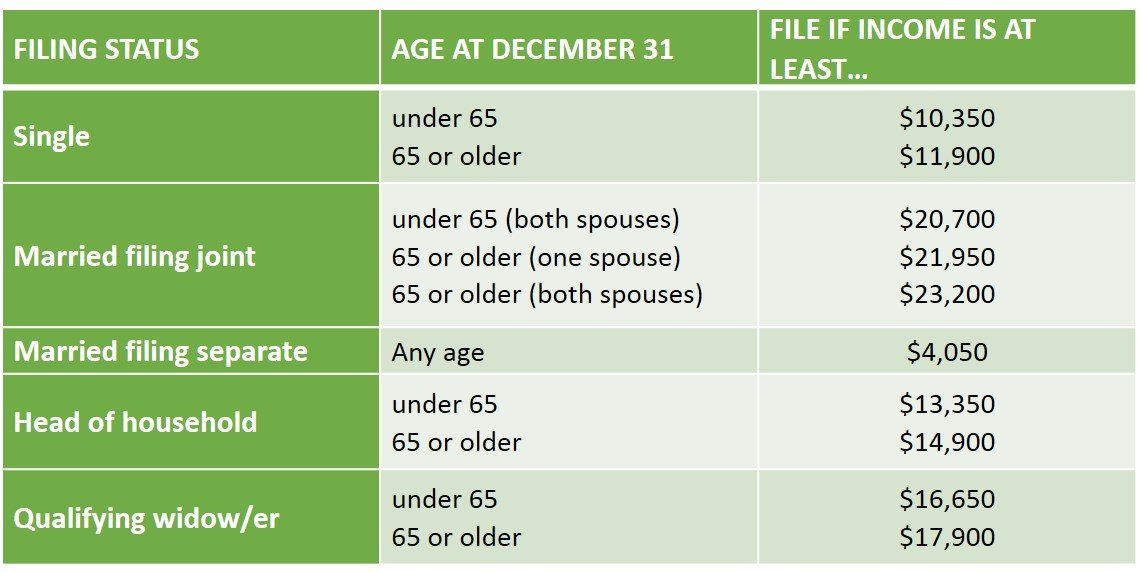
Your filing status is a primary determinant of your tax obligations. California generally recognizes the same filing statuses as the federal government: Single, Married Filing Jointly, Married Filing Separately, Head of Household, and Qualifying Widow(er) with Dependent Child. Each status comes with different standard deduction amounts and income thresholds.
For example, the minimum income requiring a filing might be significantly lower for a single individual compared to a married couple filing jointly. These thresholds also typically increase for individuals aged 65 or older, as they often qualify for additional standard deductions or credits. This means that a retired couple enjoying a long-term stay near Lake Tahoe might have a higher income threshold before they need to file, compared to a young professional working in Hollywood.
Illustrative Example (Hypothetical & Subject to Change Annually):
- Single: If your gross income exceeds, for example, $18,000, or your adjusted gross income exceeds $14,000.
- Married Filing Jointly: If your gross income exceeds, for example, $36,000, or your adjusted gross income exceeds $28,000.
- Head of Household: If your gross income exceeds, for example, $23,000, or your adjusted gross income exceeds $18,000.
These figures are illustrative only and are provided to demonstrate the concept of varying thresholds. It’s crucial to obtain the exact, up-to-date figures from the Franchise Tax Board for the relevant tax year. The key takeaway is that your personal circumstances – who you are and how you file – directly impact your filing obligation.
Gross Income vs. Adjusted Gross Income
Another important distinction is between gross income and adjusted gross income (AGI).
- Gross income includes all income you receive from any source, unless it is specifically exempt from tax. This can encompass wages, salaries, tips, interest, dividends, business income, rental income, and even certain travel allowances or per diems if not properly accounted for.
- Adjusted Gross Income (AGI) is your gross income minus certain “above-the-line” deductions, such as contributions to traditional IRAs, student loan interest, or health savings account (HSA) contributions.

California tax filing requirements are often stated for both gross income and adjusted gross income, and you are generally required to file if either threshold is met. For instance, you might have a high gross income but due to significant deductions, a lower AGI. If your gross income crosses its specific filing threshold, you still need to file, even if your AGI does not. This is a vital detail for anyone managing varied income streams, such as freelancers working from a scenic spot in Big Sur or those with passive rental income from an Airbnb property in Palm Springs.
Special Considerations for Travelers and Temporary Residents
California’s appeal to a transient population, including digital nomads, seasonal workers, and long-term vacationers, brings unique tax considerations. The state’s dynamic economy and diverse opportunities mean that many individuals may earn income while not being full-time residents, or may switch residency status during a tax year.
Digital Nomads and Remote Workers in California
The rise of remote work has made California a popular destination for digital nomads. Imagine working from a beachfront apartment in San Diego or a cozy cabin near Yosemite National Park. While the lifestyle is enviable, the tax implications require careful attention. If you are physically present in California while performing work, the income earned during that period may be considered California-source income, even if your employer is based out of state.
The critical factor here is the concept of “source income.” For non-residents, California taxes only income derived from sources within the state. This includes income for services performed in California, even if paid by an out-of-state employer. Digital nomads must diligently track their days in the state and the income earned during those periods. If your stay crosses the residency threshold, as discussed earlier, then all your income, regardless of source, may become subject to California taxation. This makes meticulous record-keeping not just a good practice, but a necessity for compliance and peace of mind.
Income from Rental Properties or Gig Economy
Many visitors to California leverage opportunities in the sharing economy, either by earning income through platforms like Airbnb (if they own property in the state) or by engaging in gig work like ridesharing or food delivery while exploring cities like Los Angeles or San Francisco.
- Rental Income: If you own a property in California and generate income from renting it out, that rental income is unequivocally [California](https://lifeoutofthebox.com/california]-source income and is taxable by the state, regardless of your residency status. For residents, it’s part of their total income; for non-residents, it’s one of the primary sources of taxable income in the state. Even if your net rental income is low after expenses, the gross income might push you over the filing threshold.
- Gig Economy Income: Income earned from providing services through gig platforms while physically present in California is also considered California-source income. Even if it’s supplemental income for a traveler, if it exceeds the filing threshold for gross income, a return must be filed. Furthermore, individuals earning income from the gig economy are generally considered self-employed, meaning they are responsible for paying self-employment taxes (Social Security and Medicare) at the federal level, in addition to any state income tax. This adds another layer of financial planning to your California experience.
Planning Your California Budget: Beyond the Minimum
Understanding tax thresholds isn’t just about compliance; it’s a vital component of holistic financial planning for any stay in California. The Golden State is renowned for its high cost of living, particularly in major metropolitan areas like San Francisco, Los Angeles, and San Diego. This elevated cost impacts everything from accommodation (whether luxury suites, budget hotels, or long-term apartment rentals) to daily expenses and leisure activities.
Taxes, both state and federal, represent a significant slice of your income. For those engaging in budget travel, understanding how much of your earnings will go towards taxes helps in setting realistic spending limits. For luxury travelers or those planning business stays, factoring in tax liabilities ensures that your financial projections remain accurate and that you have ample funds for high-end experiences, from exclusive resorts to private tours of Golden Gate Bridge or VIP access at Disneyland Resort.
Proactive tax planning allows you to budget effectively, ensuring that your dreams of experiencing [California](https://lifeoutofthebox.com/california]’s diverse attractions, rich local culture, and stunning natural landmarks are not overshadowed by unforeseen financial obligations. Whether you’re a family planning an extensive trip, a digital nomad establishing a temporary base, or a retiree enjoying the weather, integrating tax knowledge into your financial strategy is as important as booking your flights and accommodation.
Resources and Next Steps for Tax Compliance
While this guide provides a general overview, specific tax laws and thresholds are subject to change annually. Therefore, it’s always recommended to seek the most up-to-date information directly from official sources and, for complex situations, to consult with a qualified professional.
Where to Find Official California Tax Information
The primary source for all California state tax information is the Franchise Tax Board (FTB). Their official website is an invaluable resource, providing:
- Current Filing Thresholds: Updated figures for gross income and adjusted gross income for all filing statuses and ages.
- Residency Rules: Detailed explanations and examples to help you determine your California residency status.
- Forms and Publications: Access to all necessary tax forms, instructions, and informational publications.
- FAQs and Online Tools: Resources to answer common questions and assist with basic tax calculations.
For federal tax obligations, the official website of the Internal Revenue Service (IRS) is the definitive resource. It offers similar comprehensive information regarding federal filing requirements, standard deductions, and various tax credits.
Seeking Professional Tax Advice
Given the intricate nature of tax laws, especially when involving multi-state residency, foreign income, or complex business structures common among digital nomads and investors, seeking professional tax advice is often the wisest course of action. A qualified tax professional specializing in California tax law can:
- Clarify Residency: Help determine your precise residency status for California tax purposes, which can be particularly tricky for those with transient lifestyles.
- Optimize Filing: Ensure you utilize all applicable deductions and credits, potentially reducing your overall tax liability.
- Navigate Complex Scenarios: Assist with situations involving foreign income, self-employment taxes, rental property income, or unique investment portfolios.
- Ensure Compliance: Provide peace of mind that you are fully compliant with both federal and California state tax laws, avoiding penalties or audits.
This is especially critical for those who have spent significant time in California for travel or work, or who have earned income from diverse sources within the state, whether from a temporary job in Sacramento, a consulting gig in San Francisco, or managing an Airbnb in Lake Tahoe. The initial investment in expert advice can save considerable time, stress, and potential financial penalties in the long run.
In conclusion, understanding the minimum income to file taxes in California is an indispensable part of planning any visit, extended stay, or relocation to the state. While the allure of California’s destinations, from the stunning coastline of Big Sur to the cultural richness of its major cities, is powerful, informed financial stewardship ensures that your experience remains enjoyable and stress-free. By proactively addressing tax obligations, you pave the way for a truly golden experience in the Golden State, free from unexpected financial worries. Whether you’re exploring the wonders of Yosemite National Park, seeking luxury travel in Napa Valley, or settling into a long-term accommodation in San Diego, being tax-savvy is key to unlocking the full potential of your California adventure.
LifeOutOfTheBox is a participant in the Amazon Services LLC Associates Program, an affiliate advertising program designed to provide a means for sites to earn advertising fees by advertising and linking to Amazon.com. Amazon, the Amazon logo, AmazonSupply, and the AmazonSupply logo are trademarks of Amazon.com, Inc. or its affiliates. As an Amazon Associate we earn affiliate commissions from qualifying purchases.