
California, often referred to as the Golden State, is renowned globally for its stunning natural beauty, vibrant cities, innovative industries, and diverse cultural landscape. From the sun-drenched beaches of Southern California to the majestic redwoods of the north, and from the bustling tech hubs of Silicon Valley to the tranquil vineyards of Napa Valley, the state offers an unparalleled array of experiences for travelers and a unique lifestyle for its residents. However, beneath the glamorous facade and aspirational lifestyle lies a practical reality that significantly impacts both visitors and inhabitants: the cost of living, heavily influenced by one of the highest minimum wages in the United States. Understanding California‘s minimum wage is crucial for anyone planning a trip, considering a move, or simply seeking to comprehend the economic dynamics of this influential state.
This article delves into the specifics of California’s minimum wage, exploring its historical trajectory, current rates, and the profound effects it has on the state’s economy, particularly within the tourism, hospitality, and broader lifestyle sectors. Whether you’re a budget-conscious backpacker, a luxury traveler, or someone looking to understand the intricacies of working and living in this dynamic state, this comprehensive guide will illuminate how wage policies shape the California experience.

The Evolving Landscape of California’s Minimum Wage
California has consistently been at the forefront of advocating for higher wage standards, driven by a commitment to improving living conditions for its workforce. This progressive approach has shaped an economic environment where the minimum wage often surpasses federal requirements, reflecting the state’s unique economic pressures and social priorities.
A National Leader in Wage Standards
For decades, California has been a trailblazer in establishing higher minimum wage standards compared to many other states. This stance is often attributed to the high cost of living prevalent across much of the state, particularly in major metropolitan areas like San Francisco, Los Angeles, and San Jose. The philosophy behind these increases is to provide workers with a living wage that enables them to cover basic necessities such as housing, food, and transportation, even in expensive urban environments. This leadership not only influences state policy but also sets a precedent that other states sometimes follow, contributing to a broader national conversation about wage fairness and economic equity. The move towards a higher minimum wage is seen by many as a vital step in reducing income inequality and ensuring that even those in entry-level positions can achieve a degree of financial stability.
Understanding the Current Rates (and Future Projections)
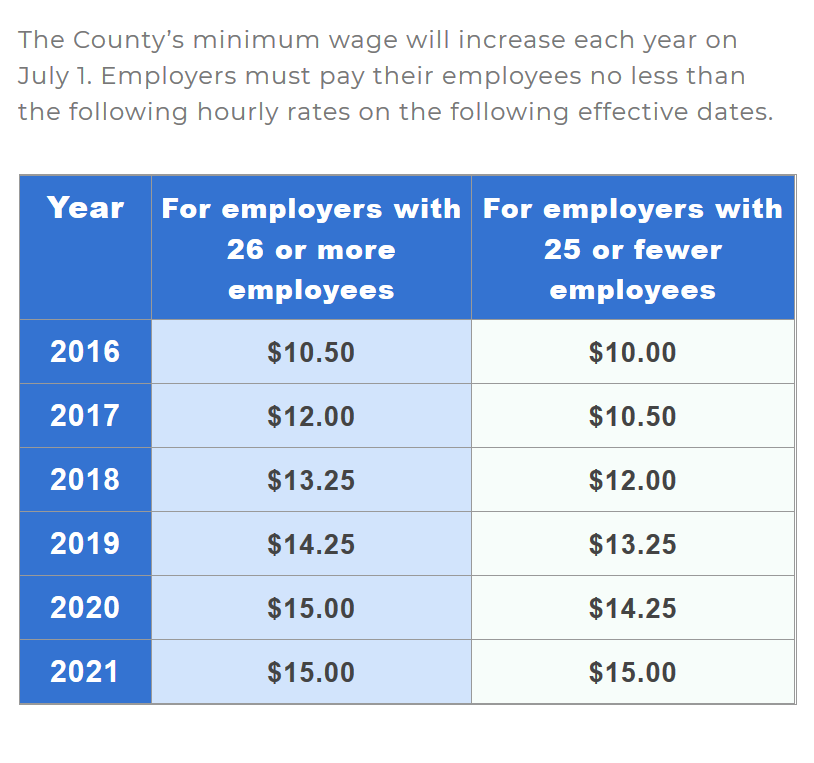
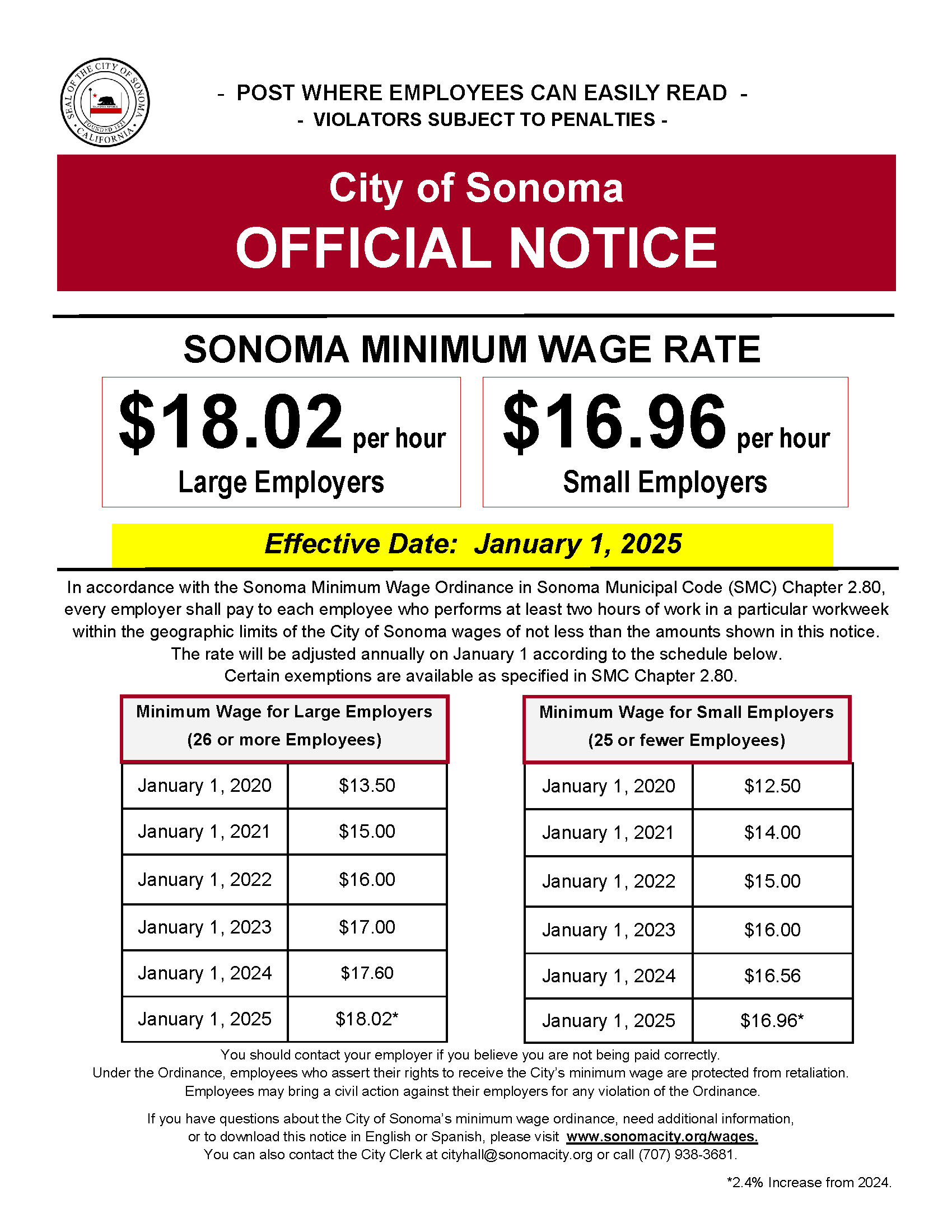
As of January 1, 2024, the statewide minimum wage in California is $16.00 per hour for all employers, regardless of the number of employees. This rate applies broadly across most industries and businesses throughout the state. However, it’s crucial to understand that this is merely a baseline. Many cities and counties within California have enacted their own local ordinances setting minimum wages higher than the state standard. For example, cities like San Francisco and Berkeley frequently feature some of the highest minimum wages in the nation, often several dollars above the state rate.
Beyond city-specific rates, California has also begun to implement industry-specific minimum wages. A notable example is the fast-food industry, where, as of April 1, 2024, the minimum wage increased to $20.00 per hour for eligible fast-food workers. Similarly, a tiered schedule for healthcare workers will see minimum wages rise, aiming for $25.00 per hour by various dates, starting June 1, 2024. These targeted increases reflect specific legislative efforts to address wage disparities and workforce challenges within particular sectors. For anyone working in or planning to work in these industries, or for businesses operating within them, it’s imperative to stay updated on these specific regulations. Future projections indicate a continued trend of incremental increases, often tied to inflation or specific economic indicators, ensuring that California’s minimum wage remains dynamic and responsive to economic conditions.
Impact on Businesses and Workers
The elevated minimum wage in California presents a complex set of challenges and benefits for both businesses and workers. For employees, particularly those in lower-wage positions, a higher minimum wage can significantly improve their quality of life, offering greater purchasing power and a better ability to meet the high cost of living. It can reduce poverty rates, stimulate local economies as workers have more disposable income, and potentially decrease employee turnover due to improved job satisfaction and financial security. Workers in the hospitality sector, from hotel housekeepers to restaurant servers, often benefit directly from these policies.
However, for businesses, especially small and medium-sized enterprises (SMEs), higher labor costs can be a significant burden. To offset increased wage expenses, businesses may resort to various strategies:
- Price Increases: Raising prices for goods and services, which can contribute to overall inflation and affect consumer spending. This is particularly noticeable in the tourism sector, impacting everything from hotel room rates to restaurant meals.
- Automation: Investing in technology and automation to reduce reliance on human labor, which could lead to job displacement in some sectors.
- Reduced Hiring or Hours: Scaling back on new hires or reducing employee work hours to manage payroll costs.
- Operational Efficiency: Seeking innovative ways to cut other operational costs to absorb the wage increases.
The economic ripple effect means that while workers may earn more, they might also face higher prices for everyday goods and services, and businesses might face tighter margins. The balance between a living wage for employees and sustainable operating costs for businesses is an ongoing economic discussion in California.
The Cost of Living in California: A Traveler’s Perspective
For visitors, the higher minimum wage in California often translates directly into a higher cost for travel-related expenses. From the moment a traveler arrives, they’ll notice that prices for accommodation, dining, transportation, and entertainment can be considerably higher than in other parts of the United States.
Accommodation and Hospitality Sector Wages
The hospitality sector is one of the primary industries affected by minimum wage increases, and this impact is directly passed on to travelers through accommodation costs. Hotels, resorts, and even short-term rental properties in California often have higher operating expenses due to the need to pay their staff competitive, and legally mandated, wages. This includes front desk agents, housekeepers, porters, concierges, and maintenance staff.
Consider a stay at a luxury establishment like the Beverly Wilshire, A Four Seasons Hotel in Beverly Hills, or The Ritz-Carlton, Laguna Niguel in Orange County. While these properties offer exquisite service and amenities, a portion of their premium pricing reflects the cost of highly paid, skilled staff. Even more moderately priced hotels in cities like San Diego or Sacramento will factor in these labor costs. For travelers, this means budgeting more for nightly rates, especially in popular tourist destinations such as Santa Monica, Malibu, or near attractions like Disneyland in Anaheim. The effect is not just on hotel employees; the entire ecosystem, from laundry services to food suppliers, also faces higher labor costs, which eventually get embedded in the final price of a hotel room or resort package.
Dining Out and Local Experiences
Exploring California’s vibrant culinary scene is a highlight for many visitors, but dining out can quickly add up. Restaurant staff, including cooks, servers, dishwashers, and bussers, are typically paid at least the local minimum wage, and often more, especially with tips. The recent fast-food industry minimum wage increase is a clear indicator of this trend, meaning that even quick, casual meals will cost more.
From a gourmet meal in Yountville to a casual taco truck experience in Los Angeles or fresh seafood at Fisherman’s Wharf in San Francisco, the prices on the menu reflect not just the quality of ingredients but also the cost of labor. Even local experiences, such as guided tours through Muir Woods National Monument or a wine tasting tour in Sonoma Valley, often factor in higher wages for their guides and staff, contributing to overall tour costs. Savvy travelers might opt for self-catering options, grocery store meals, or seeking out local eateries known for value, but generally, expect to allocate a significant portion of your budget to food and beverage.
Transportation and Attractions
Getting around California and experiencing its myriad attractions also reflects the higher cost of living. Gas prices in California are consistently among the highest in the nation, influenced by various factors including taxes and environmental regulations, but also indirectly by the higher wages of gas station attendants and transportation workers. Public transportation, while sometimes a more affordable option, still has operational costs impacted by labor wages. Ride-sharing services, taxis, and rental car services likewise factor in higher local operational costs.
Entry fees to iconic attractions like Disneyland, Universal Studios Hollywood, or even state parks and museums, are often priced to cover operational expenses, which include staff wages. A ticket to explore Alcatraz Island or to ride the cable cars in San Francisco contributes to the salaries of the people who maintain these sites and provide services. While some landmarks like the Golden Gate Bridge are free to admire, parking, tolls, and nearby services will incur costs. Planning transportation and attraction visits well in advance, and looking for bundled passes or off-peak deals, can help mitigate these expenses.
Lifestyle and Travel Budgets in the Golden State
Navigating California requires an understanding of how to manage your budget effectively, whether you’re a visitor or a prospective resident. The state’s high minimum wage creates a unique economic environment that shapes both budget-friendly and luxury travel experiences, as well as the daily lives of its citizens.
Budget-Friendly California: Tips for Savvy Travelers
Despite the high costs, experiencing California on a budget is entirely possible with careful planning. Savvy travelers can employ several strategies:
- Explore Free Attractions: California boasts numerous free natural wonders and cultural sites. Hike through Yosemite National Park’s trails (though entry to the park itself has a fee, many activities within are free), stroll along Venice Beach or Pier 39 at Fisherman’s Wharf, or drive the scenic Pacific Coast Highway along Big Sur. Many museums offer free admission days.
- Opt for Off-Peak Travel: Visiting during shoulder seasons (spring or fall) or weekdays can result in lower prices for flights and accommodations.
- Self-Catering and Picnics: Utilize grocery stores for meals, pack lunches for day trips, and seek out farmers’ markets for fresh, local produce. This significantly cuts down on dining costs.
- Choose More Affordable Cities/Regions: While major hubs like Los Angeles and San Francisco are expensive, areas like Santa Cruz, parts of the Central Valley, or desert regions like Palm Springs might offer more budget-friendly options for accommodation and activities.
- Public Transportation and Walking: In dense urban areas, leverage public transit networks. Many California cities are very walkable, allowing you to save on car rentals and parking fees.
Luxury Experiences: Where Higher Wages Meet Premium Service
Conversely, for those seeking luxury, California’s high wage environment contributes to an expectation of exceptional service. When you stay at a Waldorf Astoria Beverly Hills, the Fairmont San Francisco, or The St. Regis San Francisco, you’re not just paying for opulent surroundings; you’re also investing in a highly trained, well-compensated staff who deliver impeccable service. Bartenders at upscale lounges, concierges at five-star hotels, and gourmet chefs in Michelin-starred restaurants are often earning wages well above the minimum, reflecting their expertise and the premium nature of their work.
This means that luxury travel in California is often synonymous with unparalleled service quality. From personalized attention at a spa in Lake Tahoe to bespoke tours through Hollywood or exclusive access experiences, the higher cost associated with these luxuries often correlates with the investment in a highly skilled and dedicated workforce. The promise of a truly seamless and indulgent experience is largely underpinned by the economic realities of a high-wage state.
The Local Lifestyle: Residing in a High-Wage State
For residents, the equation of high minimum wage and high cost of living is a constant balancing act. While a $16.00, $20.00, or even $25.00 per hour wage is significantly higher than the federal minimum, it still often falls short of what is considered a true “living wage” in many of California’s most expensive areas, particularly concerning housing. Rent and home prices in major cities are notoriously high, leading to challenges for many workers despite their higher hourly rates.
This dynamic shapes the local lifestyle in several ways:
- Commuting: Many workers commute long distances from more affordable outlying areas to their jobs in urban centers, leading to longer travel times and increased transportation costs.
- Housing Crisis: The housing shortage and affordability crisis are major issues, driving discussions around rent control, affordable housing initiatives, and zoning reforms.
- Quality of Life: Despite the financial pressures, many Californians appreciate the diverse opportunities, vibrant culture, and access to natural beauty that the state offers. The higher wages do enable a certain quality of life, but it requires careful financial planning and often a compromise on housing.
- Economic Disparities: While the minimum wage aims to lift all boats, significant economic disparities persist, particularly between those in highly paid tech and professional jobs and those in service industries, even with the higher minimums.
Navigating Specific Minimum Wage Regulations
Beyond the statewide rate, California’s minimum wage landscape is further complicated by a patchwork of local ordinances and industry-specific regulations. Awareness of these nuances is essential for both employers and employees, as well as for understanding the full economic picture for travelers.
City-Specific Minimum Wages: A Complex Web
Travelers exploring different parts of California should be aware that the price of goods and services can vary not just by region, but significantly by city, due to local minimum wage laws. Cities with particularly high costs of living have often legislated their own minimum wages, which are higher than the state’s baseline.
For instance, as of early 2024, cities like San Francisco, Berkeley, Emeryville, and Palo Alto have minimum wages well above the state’s $16.00/hour. Even within Los Angeles County, cities like Santa Monica and the City of Los Angeles have their own rates. This means that a coffee or a quick lunch might cost slightly more in downtown San Francisco or Oakland than in a more rural part of the state, directly reflecting the higher labor costs incurred by businesses in those specific municipalities. This dynamic creates a nuanced pricing environment, particularly for items and services that are highly labor-intensive, such as restaurant meals or personalized tour guides.
Industry-Specific Considerations: Fast Food and Healthcare
California’s recent moves to implement industry-specific minimum wages highlight a growing trend towards addressing unique challenges within certain sectors. The Fast Food Minimum Wage Act (AB 1228), effective April 1, 2024, increased the minimum wage for workers at large fast-food chains (with 60 or more establishments nationwide) to $20.00 per hour. This measure aims to provide better compensation for a workforce often characterized by lower pay and limited benefits. For consumers, this directly translates to higher prices at fast-food restaurants, a common and often budget-friendly dining option for travelers.
Similarly, the Healthcare Minimum Wage Act (SB 525), effective June 1, 2024, sets tiered minimum wage schedules for various healthcare workers, aiming to reach $25.00 per hour by specified dates depending on the type and size of the healthcare facility. While this directly impacts healthcare costs for residents and the state, its indirect effect on the general economy and overall cost of living can also be felt. These industry-specific wages underscore California’s legislative willingness to intervene in specific markets to address perceived wage inequities, further solidifying its position as a leader in progressive labor policies.
Conclusion
The minimum wage in California is more than just a number; it’s a foundational element of the state’s complex economic and social fabric. For visitors, it’s a key factor contributing to the overall cost of travel, influencing everything from hotel rates at the historic Hotel del Coronado to the price of a souvenir at Santa Cruz Beach Boardwalk. For residents, it represents a crucial aspect of the ongoing challenge to balance higher earnings with the state’s famously high cost of living, particularly in major urban centers and popular tourist destinations.
Understanding California’s minimum wage landscape empowers both travelers and prospective residents to make informed decisions. It highlights the importance of budgeting diligently for a trip to the Golden State and offers insight into the daily economic realities faced by the diverse workforce that keeps the state’s vibrant tourism and hospitality industries thriving. Whether you’re planning an adventurous road trip through Death Valley National Park or exploring the artistic vibes of Joshua Tree National Park, a grasp of these economic underpinnings will enhance your appreciation of all that California has to offer.
LifeOutOfTheBox is a participant in the Amazon Services LLC Associates Program, an affiliate advertising program designed to provide a means for sites to earn advertising fees by advertising and linking to Amazon.com. Amazon, the Amazon logo, AmazonSupply, and the AmazonSupply logo are trademarks of Amazon.com, Inc. or its affiliates. As an Amazon Associate we earn affiliate commissions from qualifying purchases.