
Connecticut, a picturesque state nestled in the heart of the Northeast United States, is renowned for its charming coastal towns, historic landmarks, and vibrant cultural scene. From the scenic shores of the Long Island Sound to the rolling hills of its interior, the state offers a diverse range of experiences for every type of traveler. Whether you’re planning a luxurious getaway to a five-star resort or a budget-friendly adventure exploring local culture and cuisine, understanding the economic landscape, particularly the minimum wage, can offer valuable insights.
While often viewed as purely an economic indicator, the minimum wage in Connecticut plays a subtle yet significant role in shaping the travel, tourism, and lifestyle experiences available within the state. It influences everything from the cost of accommodation and dining to the availability of certain services and the overall economic vitality of local communities. For both residents considering their daily expenses and visitors planning their itinerary, grasping the intricacies of this policy provides a deeper appreciation of the Connecticut experience.

Understanding Connecticut’s Minimum Wage Landscape
Delving into the specifics of Connecticut’s minimum wage reveals a progressive approach aimed at ensuring a livable income for its workforce. This directly impacts the hospitality and tourism sectors, which rely heavily on hourly employees.
The Current Minimum Wage: Facts and Figures
As of January 1, 2024, the minimum wage in Connecticut stands at $15.69 per hour. This rate reflects the state’s commitment to regularly adjusting its minimum wage to keep pace with the cost of living and inflation. This figure applies to most employees, though there are specific provisions for certain categories, such as tipped employees. For instance, the minimum cash wage for hotel and restaurant employees who receive tips is $6.38 per hour, while for bartenders, it’s $8.23 per hour. These rates, when combined with tips, are legally required to meet or exceed the standard minimum wage.
Understanding these figures is crucial for anyone engaging with Connecticut’s service industries. For travelers, it means an assurance that the hardworking individuals serving them in hotels, restaurants, and attractions are compensated at a rate designed to support their livelihoods. For residents, it’s a foundational element of their financial planning, influencing daily expenditures and lifestyle choices.
Historical Trajectory and Future Adjustments
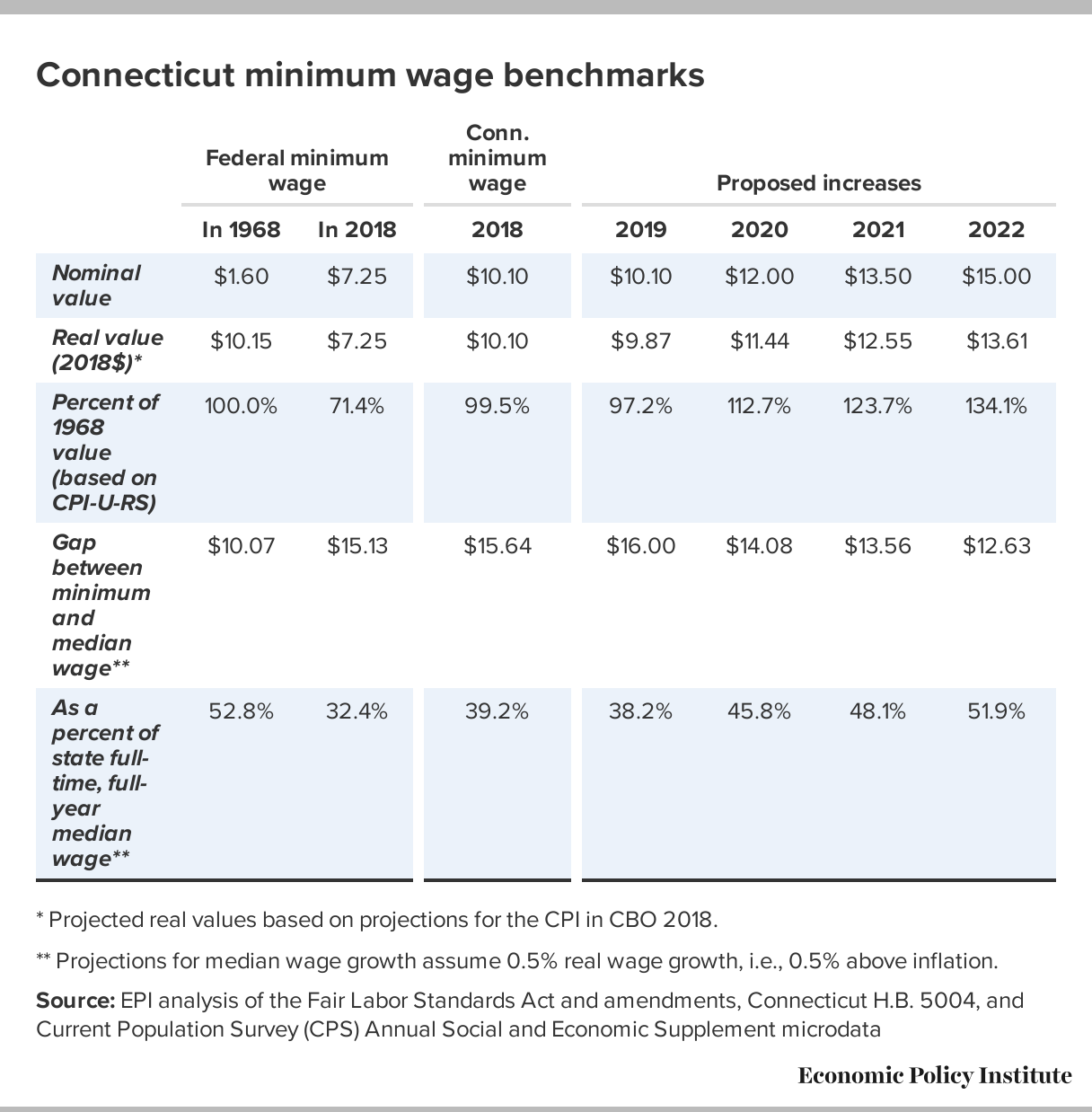
Connecticut has been on a clear path to increasing its minimum wage over the past several years. This journey saw the wage incrementally rise, reaching $15.00 per hour on June 1, 2023. Prior to that, it was $14.00 (July 1, 2022), $13.00 (August 1, 2021), $12.00 (September 1, 2020), and $11.00 (October 1, 2019). This phased approach allowed businesses and workers to adapt to the changes.
Looking ahead, Connecticut’s minimum wage is subject to annual adjustments tied to the federal Employment Cost Index, which measures wage inflation. This mechanism ensures that the minimum wage continues to evolve with economic conditions, preventing its value from eroding due to inflation. This forward-thinking policy contributes to the state’s overall economic stability and provides a degree of predictability for both employers and employees in sectors vital to tourism.
The Economic Ripple: Minimum Wage and Connecticut’s Hospitality Sector
The minimum wage is not just a number; it’s a significant factor shaping the operational costs and service delivery within Connecticut’s bustling hospitality industry. This includes everything from the charming boutique hotels in Mystic to the expansive resorts in Mashantucket.
Impact on Service Costs: Hotels, Dining, and Attractions
For visitors, the minimum wage indirectly influences the prices of travel essentials. Hotels and accommodation providers, restaurants, and various tourist attractions must factor labor costs into their pricing strategies. A higher minimum wage means increased operational expenses for businesses, which can, in turn, lead to slightly higher prices for services and goods.
For example, a stay at a luxurious suite in a Hartford hotel, a gourmet meal in New Haven, or tickets to the Mystic Aquarium will reflect these underlying labor costs. While this might translate to a slightly higher price point compared to regions with lower wages, it also contributes to a higher standard of living for the local workforce. Travelers often find that supporting businesses that pay fair wages aligns with a more ethical and sustainable tourism approach. This economic reality encourages travelers to budget accordingly when planning their Connecticut experiences, ensuring they can fully enjoy the state’s offerings without financial surprises.
Workforce Dynamics and Quality of Service
A competitive minimum wage can significantly impact the quality of the workforce in the hospitality and tourism sectors. Employers who offer fair wages are often better positioned to attract and retain skilled and dedicated staff. This translates into improved service delivery across hotels, restaurants, and visitor centers. Imagine checking into a hotel where the reception staff are knowledgeable and genuinely happy, or dining in a restaurant where servers are attentive and professional—these experiences are often linked to a workforce that feels valued and adequately compensated.
In Connecticut, this emphasis on fair pay fosters a more stable and experienced workforce, enhancing the overall visitor experience. It ensures that the individuals providing your accommodations, preparing your meals, and guiding your tours are professionals who are committed to their roles, thereby contributing to the state’s reputation for excellent tourism and accommodation services. For lifestyle choices, it means residents in these industries can better support themselves and their families, leading to more stable communities.
Navigating Connecticut on a Budget: Lifestyle and Travel Considerations
Even with a robust minimum wage that influences prices, Connecticut remains an accessible destination for various budgets. Strategic planning can help travelers and residents alike enjoy the state’s rich offerings without overspending.
Strategic Planning for Accommodation and Activities
Understanding the general cost of living influenced by the minimum wage allows for more informed budget planning. For accommodation, consider visiting during the shoulder seasons (spring or fall) when hotel rates might be more favorable. Exploring diverse accommodation options beyond mainstream hotels, such as charming bed & breakfasts, boutique inns, or even vacation rentals in areas like the Litchfield Hills or along the Connecticut River, can also provide unique experiences at varying price points. Websites dedicated to accommodation reviews and comparisons are invaluable resources for finding the best deals.
When it comes to activities, Connecticut offers a wealth of free or low-cost attractions. Many state parks, like Sleeping Giant State Park or Silver Sands State Park, offer stunning natural beauty perfect for hiking, picnicking, or beachcombing. Exploring historic downtowns like those in Mystic or Old Saybrook is often free, allowing visitors to soak in the local atmosphere, browse unique shops, and admire historic architecture. Many museums, such as the Yale University Art Gallery in New Haven or the Wadsworth Atheneum Museum of Art in Hartford, offer free admission on certain days or for specific exhibitions, making cultural enrichment accessible.
Exploring Affordable Culinary and Cultural Experiences
Dining out is an integral part of any travel experience, and Connecticut boasts a vibrant culinary scene. While upscale restaurants will reflect the state’s economic structure in their pricing, there are abundant opportunities for delicious and affordable meals. Seek out local diners, food trucks, and casual eateries that serve authentic Connecticut fare, from classic New Haven-style pizza to fresh seafood shacks along the coast. Exploring local farmers’ markets also offers a chance to sample fresh, seasonal produce and artisanal products at reasonable prices, providing an immersive taste of the local lifestyle.
For cultural experiences, beyond the major institutions, look for community events, free outdoor concerts, and local festivals, especially during the warmer months. These often provide genuine insights into the local culture and are excellent budget-friendly options. Engaging with local residents and seeking their recommendations can also uncover hidden gems and less commercialized activities that offer immense value.
Regional Variations and the Cost of Experience Across Connecticut
Connecticut is a state of distinct regions, each with its own character, attractions, and, often, a subtly different cost of living that can influence the traveler’s experience.
Coastal Charms vs. Inland Retreats: Cost Differences
The coastal towns along the Long Island Sound, such as Greenwich, Stamford, and Mystic, are often associated with higher costs of living and, consequently, higher prices for hotels, dining, and luxury experiences. These areas, particularly in Fairfield County, are popular for their scenic beauty, access to the Atlantic Ocean, and proximity to New York City, attracting a demographic that can afford premium services. Resorts and upscale accommodations in these areas will reflect the higher operational costs, including wages.
In contrast, the inland regions, including the rural beauty of the Litchfield Hills or the central Connecticut River valley, often offer a more tranquil and potentially more affordable experience. Here, you might find charming inns, rustic cabins, or quaint bed & breakfasts that provide excellent value. While the minimum wage is consistent statewide, the overall market dynamics in less densely populated areas can lead to more competitive pricing for accommodation and local services, making them ideal for budget-conscious travelers seeking a peaceful escape.
Major Tourist Hubs and Their Economic Realities
Cities like Hartford, New Haven, and Bridgeport, as well as major entertainment destinations like Foxwoods Resort Casino and Mohegan Sun, present their own economic realities. These hubs attract significant tourism and business travel, leading to a higher concentration of hotels, restaurants, and entertainment venues. In these areas, the demand for hospitality workers is high, and the minimum wage ensures that these positions offer a respectable income.
For visitors, this translates into a wide array of choices, but also a need to be aware of the pricing structures. A stay in a bustling downtown hotel in Hartford for a business trip might differ significantly in cost from a weekend getaway to the Mystic Seaport Museum. Attractions like the Mark Twain House & Museum or the Gillette Castle State Park will have admission fees that contribute to their maintenance and the livelihoods of their staff, reflecting the general economic climate. Understanding these regional nuances allows for more precise budgeting and a richer, more intentional travel experience.
Supporting Local Economies: A Traveler’s Perspective
Beyond the numbers, the minimum wage in Connecticut holds a deeper significance for those interested in responsible and impactful travel. It connects directly to the economic well-being of the communities you visit.
The Broader Impact of Fair Wages on Communities
When a state like Connecticut commits to a fair minimum wage, it creates a ripple effect throughout its local economies. Employees with better wages have more disposable income, which they often spend within their own communities. This supports local businesses, from small shops in Norwalk to family-owned restaurants in Rhode Island-bordering towns. It helps build stronger, more resilient local economies, fostering a vibrant environment that is often more appealing to tourists seeking authentic experiences.
For travelers, choosing to patronize local businesses—whether it’s an independent coffee shop, a family-run hotel, or a small tour operator exploring the Thimble Islands—means directly contributing to this positive economic cycle. It ensures that the money spent during your visit stays within Connecticut, benefiting the very people who make your travel experiences memorable. This conscious spending is a key aspect of ethical tourism and provides a rewarding sense of contribution.
Ethical Tourism and Conscious Spending
Engaging in ethical tourism means being aware of your impact as a visitor. In Connecticut, a state with a progressive minimum wage policy, choosing businesses that are known for fair labor practices aligns with this ethos. While it’s not always possible to ascertain every business’s wage structure, opting for well-regarded establishments, small local enterprises, and those with a visible commitment to their staff can be a good indicator.
Conscious spending also means appreciating the value behind the cost. A higher price for a service or product in Connecticut may reflect not just quality ingredients or luxurious amenities, but also a commitment to paying employees a living wage. This contributes to a positive lifestyle for the local workforce, allowing them to participate more fully in the state’s economy and culture. By making informed choices, travelers can contribute to a sustainable tourism ecosystem that benefits everyone, from the hotel staff to the local artisan selling their crafts at a market in Essex, near the Essex Steam Train & Riverboat.
In conclusion, while the minimum wage in Connecticut might seem like a dry economic topic, its implications for travel, tourism, accommodation, and local lifestyles are far-reaching. It shapes the service quality, influences pricing, and underpins the economic health of the vibrant communities that make Connecticut such a compelling destination. Understanding this economic foundation allows both residents and visitors to engage more deeply and responsibly with all that this captivating state has to offer.
LifeOutOfTheBox is a participant in the Amazon Services LLC Associates Program, an affiliate advertising program designed to provide a means for sites to earn advertising fees by advertising and linking to Amazon.com. Amazon, the Amazon logo, AmazonSupply, and the AmazonSupply logo are trademarks of Amazon.com, Inc. or its affiliates. As an Amazon Associate we earn affiliate commissions from qualifying purchases.