
Planning a trip to a vibrant city like Denver, Colorado, involves more than just booking flights and hotels; it also requires understanding the local economic landscape. For travelers, this means budgeting effectively, while for those interested in the societal fabric of their destination, it involves grasping the cost of living and the livelihood of the people who make the city tick. One fundamental aspect of this economic picture is the minimum wage. It’s a crucial figure that influences everything from the price of your morning coffee to the cost of services at your chosen accommodation, and ultimately, the overall quality of life for the hospitality professionals who cater to tourists.
Denver stands out as a city committed to a progressive wage policy, often setting its minimum wage above both the federal and state standards. This commitment reflects an effort to ensure that residents, including those working in the burgeoning tourism and service sectors, can afford to live in an increasingly expensive urban environment. For visitors, understanding this local minimum wage provides insight into the value of services, the potential prices of goods, and the economic well-being of the community they are visiting. It’s not just a number; it’s a reflection of the city’s ethos and a significant factor in shaping the travel experience.
Understanding Denver’s Minimum Wage Landscape
The City and County of Denver has taken proactive steps to address the rising cost of living by implementing its own minimum wage ordinance. This approach ensures that workers within the city’s jurisdiction earn a wage deemed more appropriate for sustaining a livelihood in the Mile-High City, often surpassing state and federal mandates. For travelers, this translates into a destination where the service industry workforce is, on average, paid more robustly, which can subtly influence the overall pricing structure for various services.
The Current Minimum Wage in Denver
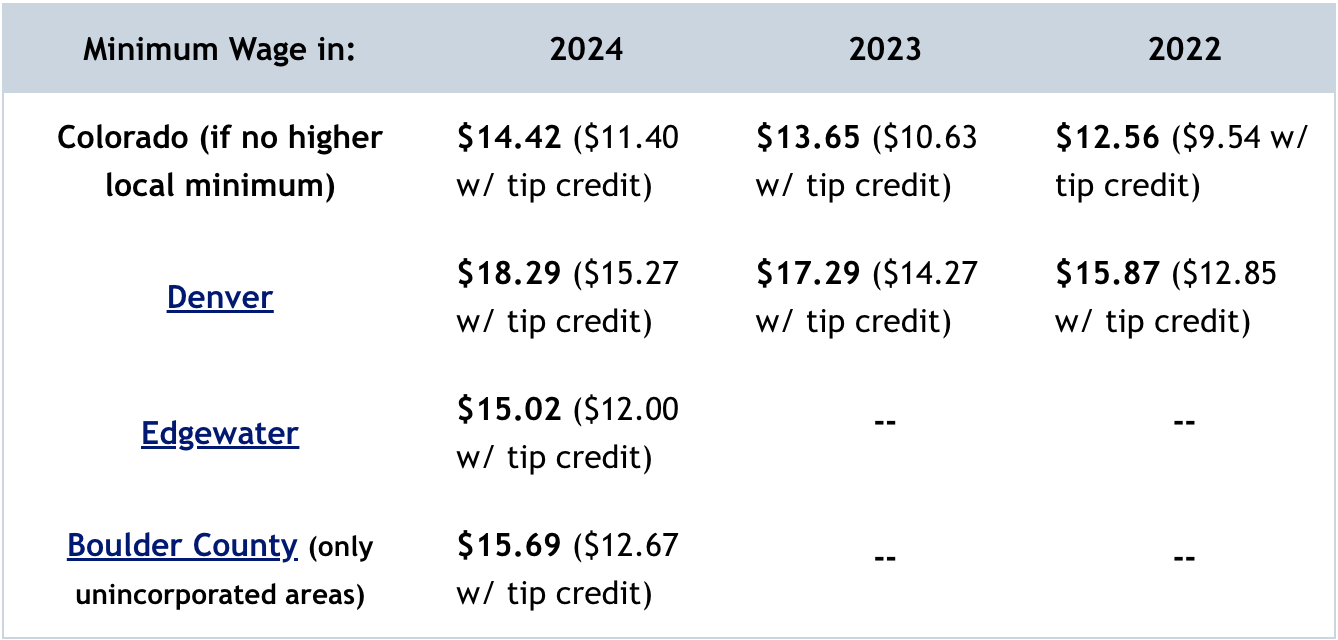
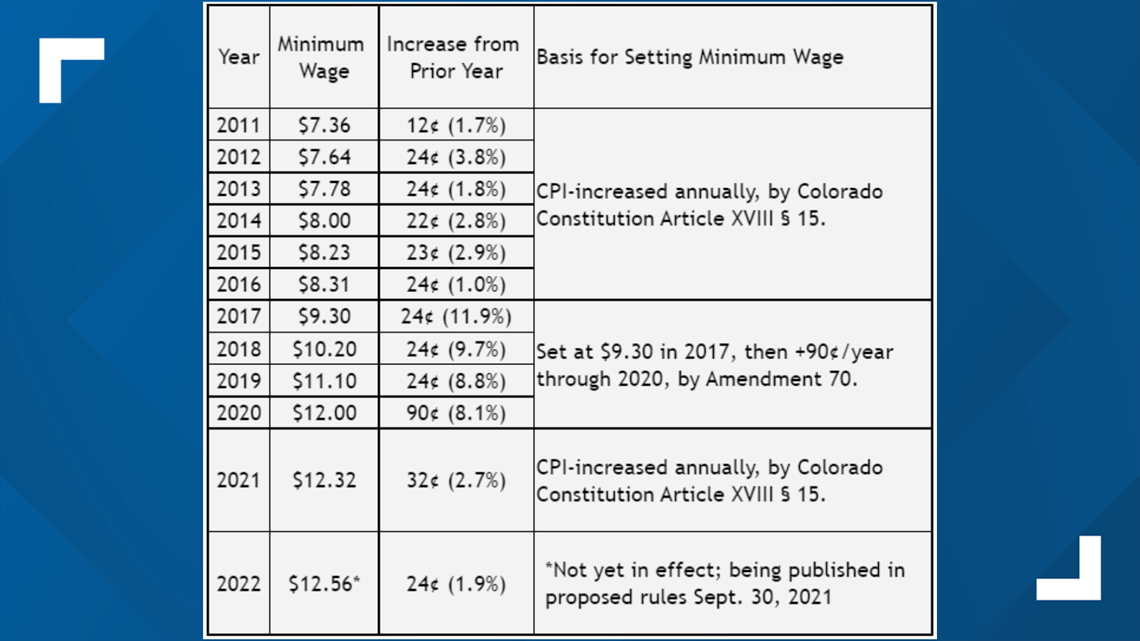
As of January 1, 2024, the minimum wage in the City and County of Denver stands at $18.29 per hour. This figure is subject to annual adjustments, typically at the start of each calendar year, based on inflation and other economic indicators. It’s important to note that this is the standard minimum wage for most employees. There may be different regulations for specific types of workers, such as tipped employees, although Denver’s ordinance typically requires employers to ensure that tipped employees also meet the full minimum wage standard when tips are factored in.
This progressive wage floor is significantly higher than the federal minimum wage of $7.25 per hour and often exceeds the state of Colorado’s minimum wage, which also sees annual increases. Such a robust minimum wage impacts a wide array of sectors vital to the travel experience, including hotels, restaurants, entertainment venues, and transportation services. When you book a room at a Denver hotel, dine at a local eatery, or take a guided tour, the staff serving you are operating within this elevated wage structure, which is a testament to Denver’s commitment to its workforce.
The Rationale Behind Denver’s Wage Policies
The primary driver behind Denver’s elevated minimum wage is the city’s steadily increasing cost of living. As a popular destination for both residents and visitors, Denver has experienced significant growth, leading to higher housing costs, elevated prices for goods and services, and a generally more expensive urban environment compared to many other parts of the country. The municipal government recognized the need for a wage that could better support its citizens and maintain a certain quality of life for its working population.
This policy is not just about economic fairness; it also plays a role in sustaining the city’s vibrant service industries. By ensuring workers can afford to live and thrive in Denver, the city aims to reduce employee turnover, enhance job satisfaction, and ultimately foster a more dedicated and skilled workforce. For tourists, this can translate into a more positive experience, as well-compensated employees are often more engaged and motivated, contributing to higher standards of service across the board, from the concierge at the Grand Hyatt Denver to the barista at a local coffee shop.
The Impact on Travelers and Tourists in Denver
Understanding Denver’s minimum wage isn’t just an academic exercise for visitors; it has practical implications for planning and experiencing the city. While it’s true that a higher minimum wage can contribute to a generally higher cost of goods and services, it also often correlates with a certain standard of living and service quality that enhances the overall travel experience.
Budgeting for Your Denver Trip: What to Expect
When planning your budget for a trip to Denver, it’s wise to factor in that many services you’ll encounter will be priced to accommodate a higher wage structure. This doesn’t mean Denver is prohibitively expensive, but it does suggest that prices for dining out, guided tours, and other personal services might be a bit higher than in cities with lower minimum wages.
- Dining: Expect restaurant prices, especially in popular districts like LoDo (Lower Downtown) or Cherry Creek, to reflect the labor costs. A typical sit-down meal might cost slightly more, but the quality of service often justifies it.
- Tours and Activities: Guided tours, whether exploring the historic streets or venturing into the nearby Rocky Mountains, will also incorporate these labor costs. Research and book in advance to compare prices and secure your spots.
- Transportation: While public transportation like the RTD light rail is generally affordable, taxi and rideshare services, which also pay their drivers fairly, might have slightly higher base fares compared to other regions.
To manage costs, consider utilizing Denver’s excellent public transport system, looking for happy hour deals at restaurants, and exploring free attractions like city parks or the Colorado State Capitol.
Navigating Accommodation Costs
Accommodation is often the largest expense for travelers, and Denver’s minimum wage policy plays a role here too. Hotels, from luxury resorts to boutique apartments, employ a substantial number of staff, from front desk personnel and housekeepers to valets and kitchen staff, all of whom benefit from the city’s higher wage floor. These labor costs are naturally built into room rates.
- Hotel Prices: You might find average hotel rates in Denver to be on the higher side, especially during peak travel seasons or major events. For example, a stay at the upscale Four Seasons Hotel Denver will certainly reflect comprehensive operational costs, including fair wages.
- Finding Value: To find value, consider traveling during the shoulder seasons (spring or fall), booking well in advance, or looking for accommodation slightly outside the immediate downtown core. Options like vacation rentals or extended-stay apartments might offer competitive rates, but they too operate within the city’s economic framework. Places like The Crawford Hotel at Union Station combine unique experiences with premium pricing, reflecting both its prime location and staffing costs.
- Quality of Service: The upside is that higher wages can contribute to a more stable and experienced hospitality workforce. This often translates into better service, attentiveness, and a more pleasant stay for guests. Employees who feel valued are more likely to provide exceptional service, enhancing your overall experience at a Denver resort or hotel.
Experiencing Denver’s Culinary Scene and Attractions
Denver’s diverse culinary scene and its myriad attractions are major draws for tourists. From farm-to-table restaurants to craft breweries and world-class museums, the city offers a rich tapestry of experiences. The minimum wage indirectly impacts the pricing of these experiences, but also the quality and variety available.

- Culinary Delights: While dining costs might be a bit higher, Denver’s food scene is renowned for its innovation and quality. Chefs and restaurant staff, benefiting from fair wages, can contribute to a thriving culinary landscape, offering visitors everything from casual eats to fine dining. Consider exploring diverse neighborhoods beyond the main tourist hubs for potentially more budget-friendly, authentic dining options.
- Iconic Landmarks and Activities: Landmarks like the Denver Art Museum, Red Rocks Amphitheatre, or a day trip to the Rocky Mountains national parks may have entrance fees or tour costs that reflect local labor expenses. However, the experiences they offer are often unparalleled. Many outdoor activities, like hiking or exploring urban parks, are free, allowing visitors to enjoy Denver’s natural beauty without additional cost.
The emphasis on a living wage in Denver helps ensure that the people behind these experiences are fairly compensated, contributing to a more sustainable and ethical tourism ecosystem.
The Human Element: Minimum Wage and the Hospitality Sector
Beyond the financial implications for travelers, the minimum wage in Denver holds significant importance for the thousands of individuals who work tirelessly in the city’s robust hospitality and tourism sectors. These are the people who make visitors’ experiences memorable, from preparing meals and cleaning rooms to guiding tours and assisting with bookings.
Supporting Local Workers
A higher minimum wage directly contributes to the economic well-being of Denver’s local workforce. For many working in entry-level positions in hotels, restaurants, and retail, a wage of $18.29 per hour can make a substantial difference in their ability to afford basic necessities like rent, groceries, and transportation. Given Denver’s high cost of living, this wage policy aims to reduce poverty and improve the quality of life for a significant portion of the city’s population.
When you choose to visit Denver, your expenditure on accommodation, dining, and attractions directly supports these local businesses and, by extension, the employees who benefit from the city’s minimum wage. This creates a more ethical travel experience, allowing visitors to feel confident that their tourism dollars are contributing to a fairer economic environment for the people who call Denver home.
Quality of Service and Employee Retention
The benefits of a fair wage extend beyond individual financial stability; they also impact the overall quality of service within the hospitality industry. Businesses that pay a living wage often experience:
- Reduced Employee Turnover: When employees are fairly compensated, they are more likely to stay with their employers, reducing the costs associated with hiring and training new staff. This stability fosters a more experienced and knowledgeable workforce.
- Increased Job Satisfaction: Employees who feel valued and can meet their financial needs tend to be happier and more motivated in their roles. This positive attitude can translate into better customer service, a more welcoming atmosphere, and a greater commitment to their work.
- Enhanced Service Quality: An experienced and satisfied workforce is often more proficient and attentive, leading to a higher standard of service for guests. Whether it’s a meticulously cleaned hotel room, knowledgeable tour guide, or friendly restaurant server, the impact of a well-supported staff is tangible for visitors.
For example, a visitor checking into a Denver resort can expect a staff that is not only professional but also genuinely committed to ensuring a comfortable stay. This dedication is often a direct result of policies that prioritize fair compensation and a respectful work environment, which the minimum wage ordinance helps to reinforce.
Lifestyle and Economic Considerations for a Denver Stay
Denver’s unique position as a major urban center nestled against the breathtaking Rocky Mountains makes it an attractive destination for various lifestyles, from adventure seekers to urban explorers. The local economic policies, including the minimum wage, intertwine with these diverse travel styles, influencing everything from the availability of certain services to the overall cost of a trip.
Balancing Luxury and Budget Travel in Denver
The minimum wage, while ensuring a baseline for workers, doesn’t dictate the entire spectrum of travel costs. Denver offers options for both luxury travel and budget travel, and understanding the economic underpinnings helps in choosing the right path for your journey.
- Luxury Travel: For those seeking opulent experiences, Denver’s high-end hotels and exclusive dining establishments are designed to provide exceptional service, often employing highly skilled staff who earn well above minimum wage. The overall cost reflects not just basic labor but specialized expertise and premium amenities. Destinations like the Four Seasons Hotel Denver offer an elevated experience where every detail is managed by a well-compensated team.
- Budget Travel: Denver is also accessible for budget travelers. Strategies might include staying in hostels, utilizing public transportation from Denver International Airport, cooking some meals in apartment rentals, and focusing on free outdoor attractions. While basic services are still subject to the minimum wage, finding creative ways to minimize expenses in other areas can make a Denver trip affordable.
The key is intelligent planning. Researching costs for accommodation, dining, and activities based on your preferred lifestyle can help you set realistic expectations and make the most of your visit to Colorado’s capital.
Beyond the Wage: Other Factors Influencing Travel Costs
While the minimum wage is a significant economic factor, it’s just one piece of the puzzle when it comes to understanding travel costs in Denver. Other elements also play a crucial role:
- Seasonality: Like many popular tourist destinations, Denver experiences peak seasons (especially summer and winter for ski tourism), during which demand drives up prices for hotels and flights, irrespective of wage policies. Off-peak travel can offer considerable savings.
- Taxes and Fees: Colorado has various state and local taxes, including sales tax and lodging taxes, which add to the final cost of purchases and accommodation.
- Demand and Supply: The popularity of certain events, conferences, or specific landmarks can temporarily increase prices. Always check the local event calendar before planning your trip.
Understanding these intertwined factors allows visitors to gain a holistic view of the economic environment in Denver, empowering them to make informed decisions for a fulfilling and well-planned travel experience.
In conclusion, the minimum wage in Denver is more than just a local economic statistic; it’s a foundational element that shapes the city’s character, influences the cost of a vacation, and reflects the community’s values. For travelers, acknowledging this wage helps in budgeting and appreciating the standard of service. For the people of Denver working in the vibrant hospitality industry, it represents a crucial step towards a sustainable living wage in a dynamic city. By considering these factors, visitors can not only enjoy the unparalleled beauty and urban charm of Denver but also contribute to a tourism economy that strives for fairness and quality for everyone involved.
LifeOutOfTheBox is a participant in the Amazon Services LLC Associates Program, an affiliate advertising program designed to provide a means for sites to earn advertising fees by advertising and linking to Amazon.com. Amazon, the Amazon logo, AmazonSupply, and the AmazonSupply logo are trademarks of Amazon.com, Inc. or its affiliates. As an Amazon Associate we earn affiliate commissions from qualifying purchases.