
When planning a journey to the sun-drenched shores of California, most travelers focus on the logistics of flights, the allure of world-class attractions, and the search for the perfect coastal accommodation. However, an often-overlooked aspect of travel planning is the local economic climate. Specifically, understanding the minimum wage in Los Angeles County is crucial for anyone interested in budget travel, business stays, or the luxury lifestyle. This economic metric influences everything from the price of a latte in Santa Monica to the service fees tacked onto a high-end dinner in Beverly Hills.
For the modern traveler, being informed about local labor laws provides insight into the cost of living, which directly translates to the cost of visiting. As of 2024, the wage landscape in Southern California is one of the most dynamic in the United States. This guide explores how these figures impact your lifestyle choices while visiting the “City of Angels” and its surrounding municipalities.
The Current State of Compensation in Los Angeles County
Navigating the various pay scales in a region as large as Los Angeles County can be complex. Unlike many other regions where a single state-wide rate applies, this area features a patchwork of regulations that vary by city and even by industry.
The 2024 Threshold: What Workers and Visitors Should Know
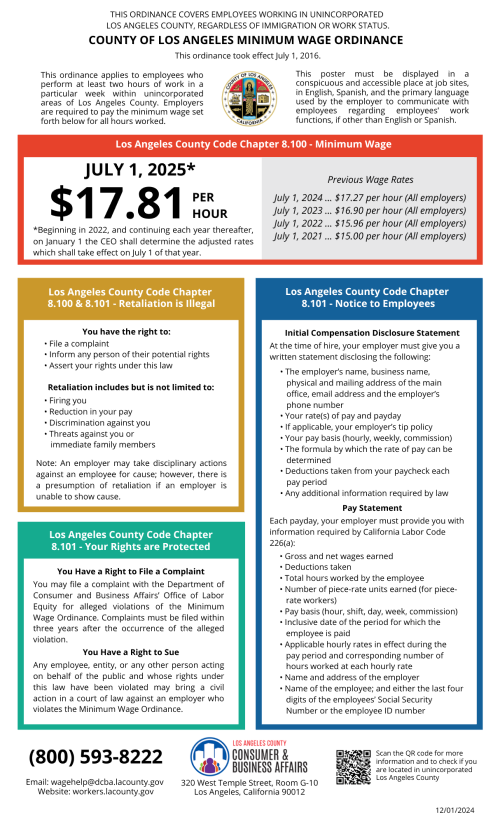
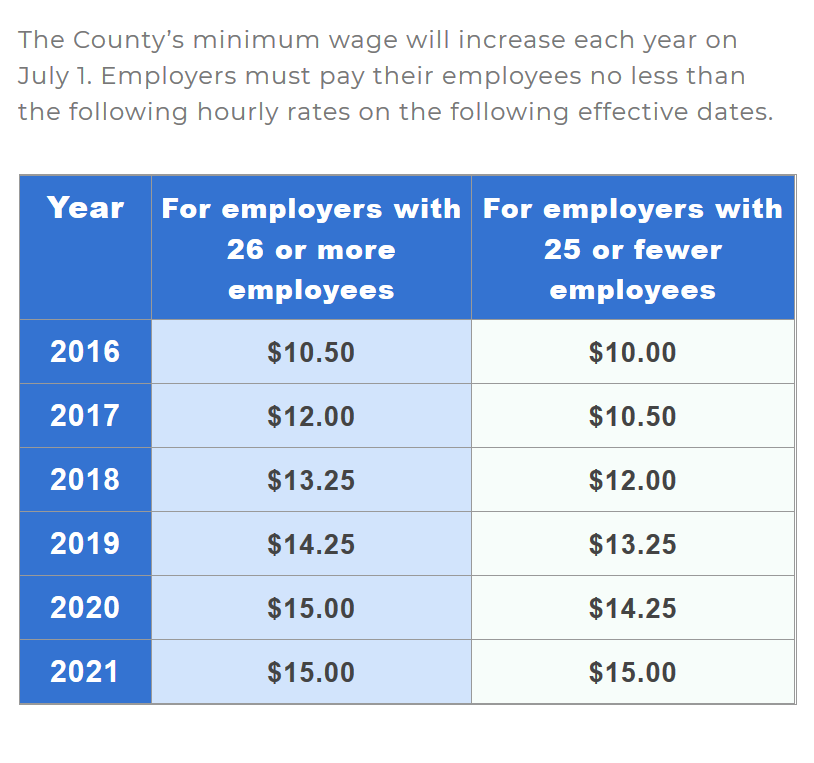
As of July 1, 2024, the minimum wage for the City of Los Angeles and the unincorporated areas of the county rose to $17.28 per hour. This adjustment is part of a consumer price index (CPI) update, designed to ensure that wages keep pace with the rising costs of housing, fuel, and food in the region. For the business traveler or the budget-conscious tourist, this number serves as a baseline for understanding the price points of service-oriented businesses.
Furthermore, certain industries see even higher minimums. For instance, fast-food workers across California saw their minimum wage increase to $20.00 per hour in April 2024, following the passing of Assembly Bill 1228. This specifically impacts those grabbing a quick bite near Hollywood or while on a road trip through Burbank. Additionally, healthcare workers are slated for their own unique wage paths, signaling a broader trend toward specialized labor costs in the United States.
Regional Variations: City of Los Angeles vs. Unincorporated Areas
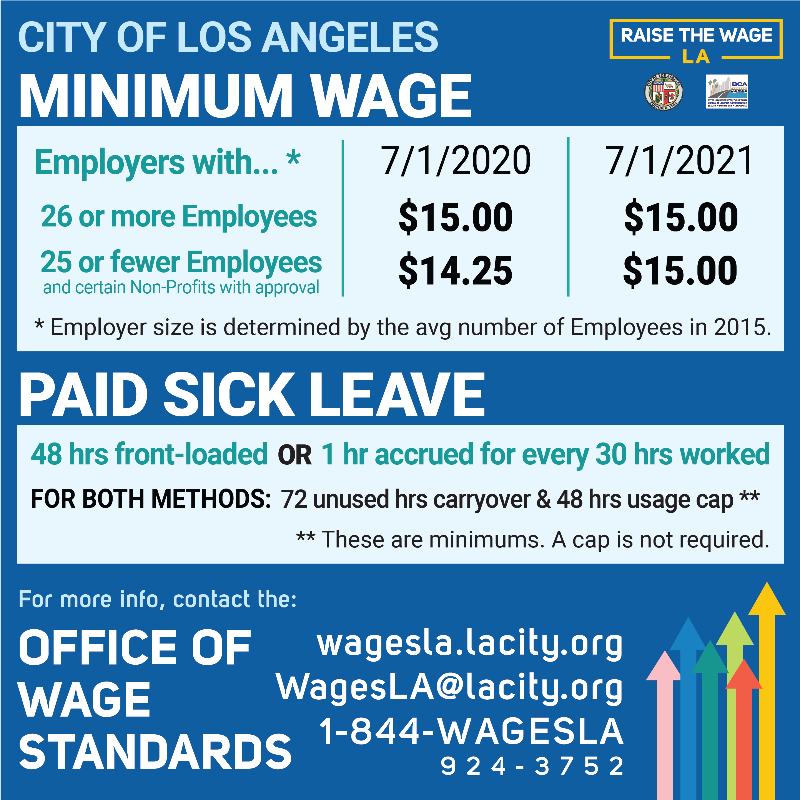
It is a common misconception that “Los Angeles” refers only to the city proper. In reality, Los Angeles County comprises 88 different cities. While the City of Los Angeles sets a high bar at $17.28, other cities like West Hollywood have historically set even higher rates to accommodate their specific cost-of-living requirements. In West Hollywood, the wage has reached $19.08 per hour, making it one of the highest in the country.
Conversely, if you are visiting a city that does not have its own specific minimum wage ordinance, the California state minimum of $16.00 per hour applies. This discrepancy means that a traveler might pay slightly different prices for the same service depending on whether they are in Culver City, Pasadena, or Long Beach. Understanding these geographical boundaries is a hallmark of the savvy, lifestyle-oriented traveler.
Impact on the Hospitality and Service Sectors
The service industry is the backbone of tourism. When wage floors rise, the hospitality sector—ranging from luxury resorts to boutique coffee shops—must adapt. This adaptation often manifests in ways that directly affect the visitor experience.
How Wage Increases Influence Dining Costs in Santa Monica and West Hollywood
The culinary scene in Santa Monica is a major draw for foodies, but it is also one of the areas most sensitive to labor costs. As wages rise, restaurant owners often face a choice: increase menu prices or introduce service charges. In popular areas like the Santa Monica Pier or the Third Street Promenade, it is increasingly common to see a 3% to 5% “wellness fee” or “labor surcharge” on the bill.
In West Hollywood, where the minimum wage is particularly high, these surcharges have become a standard part of the lifestyle. While some diners may find this surprising, it is a transparent way for businesses to maintain high service standards while supporting a living wage for their staff. For the luxury traveler, this often translates to a higher expectation of service quality, as the staff is compensated at a rate that reflects the premium nature of the destination.
The Correlation Between Labor Costs and Service Quality in Beverly Hills
Beverly Hills is synonymous with luxury. When you stay at a five-star hotel or shop on Rodeo Drive, the premium you pay is not just for the brand, but for the meticulous attention to detail provided by the workforce. The high minimum wage in Los Angeles County helps attract a professional class of hospitality workers who view their roles as long-term careers rather than transitional jobs.
This professionalization of the service sector is a boon for business stays. Whether you are hosting a conference in Malibu or attending a gala in the heart of the city, the reliability and skill of the local workforce are bolstered by fair compensation. However, the ripple effect of these wages means that incidental costs—valet parking, concierge services, and housekeeping tips—should be factored into a high-end travel budget with more care than in lower-cost regions of the United States.
Budgeting for Your Trip to Southern California
For those pursuing a budget travel lifestyle, the high minimum wage in Los Angeles County requires a more strategic approach to spending. While the costs may be higher, the quality of infrastructure and the abundance of free or low-cost activities help balance the scale.
Managing Daily Expenses in Long Beach and Pasadena
Cities like Long Beach and Pasadena offer a slightly different economic profile than the coastal hubs. While they still adhere to the rigorous wage standards of California, they often provide more diverse options for budget-conscious travelers. Utilizing public transit, such as the Metro lines connecting Pasadena to Downtown Los Angeles, allows visitors to save on the high costs of ride-sharing and parking, which are also influenced by labor and operational costs.
When budgeting for daily meals, look toward the vibrant street food culture and local markets. Even with higher wages, the sheer volume of competition in areas like Hollywood keeps prices for local favorites—like the famous “danger dogs” or street tacos—relatively accessible. By choosing to eat where the locals eat, you can enjoy the fruits of a well-compensated workforce without the “tourist tax” found in high-traffic zones.
Hidden Costs: Service Charges and Surcharges in Popular Tourist Hubs
One of the most important tips for anyone visiting Los Angeles County is to read the fine print on menus and hotel folios. Due to the high minimum wage, many establishments have pivoted away from traditional tipping models toward mandatory service charges. This is particularly prevalent in high-density tourist areas near the Getty Center or Griffith Observatory.
These charges are often used to provide healthcare and other benefits to employees. From a lifestyle perspective, this shift reflects a move toward more ethical tourism, where the traveler contributes directly to the welfare of the local community. However, it means your “all-in” price for a meal or a stay might be 20% higher than the advertised rate. Always check if a “service charge” is included before adding a traditional tip to avoid double-paying.
The Broader Economic Context of California
The wage trends in Los Angeles County do not exist in a vacuum. They are part of a larger movement across California to address income inequality and the high cost of living in the West Coast’s most desirable locations.
Minimum Wage Trends Across the United States and Their Effect on Domestic Tourism
When compared to the rest of the United States, California serves as a bellwether for labor trends. Many states in the South or Midwest still adhere to the federal minimum wage of $7.25, creating a stark contrast for domestic travelers. A visitor from Florida or Texas might find the prices in Los Angeles jarring, whereas a traveler from New York or Seattle will find them familiar.
This economic disparity influences where people choose to vacation. Los Angeles County remains a premier destination because it offers a lifestyle that many are willing to pay a premium for. The presence of world-renowned landmarks like Universal Studios Hollywood and the proximity to Disneyland Resort in nearby Anaheim ensure that the region remains a top-tier global attraction despite the higher costs associated with its labor market.
Sustainability and Ethical Travel in a High-Wage Economy
Ultimately, the minimum wage in Los Angeles County is a reflection of the region’s values. For the traveler, choosing to visit a high-wage area is a form of sustainable tourism. It ensures that the people who clean your hotel room, cook your food, and guide your tours are participating in the local economy in a meaningful way.
Whether you are enjoying the sunset in Malibu or exploring the historic architecture of Pasadena, knowing that the local workforce is supported by progressive wage laws adds a layer of ethical comfort to your journey. By understanding these economic factors, you can better plan your lifestyle—whether that involves a lavish splurge in Beverly Hills or a meticulously budgeted adventure across the diverse landscapes of Southern California.
In conclusion, the minimum wage in Los Angeles County is more than just a statistic for economists; it is a vital piece of information for the modern traveler. It shapes the pricing of your experiences, the quality of the services you receive, and the overall vibe of the communities you visit. As you pack your bags for the United States West Coast, keep these figures in mind to ensure your trip is as seamless—and as economically savvy—as possible.
LifeOutOfTheBox is a participant in the Amazon Services LLC Associates Program, an affiliate advertising program designed to provide a means for sites to earn advertising fees by advertising and linking to Amazon.com. Amazon, the Amazon logo, AmazonSupply, and the AmazonSupply logo are trademarks of Amazon.com, Inc. or its affiliates. As an Amazon Associate we earn affiliate commissions from qualifying purchases.