
Nevada, often referred to as the Silver State, is a land of vibrant contrasts – from the glittering neon lights of Las Vegas to the tranquil beauty of Lake Tahoe and the vast expanse of its desert landscapes. It’s a premier destination for travelers worldwide, drawn by its unique blend of entertainment, natural wonders, and thrilling experiences. Yet, behind the allure of luxury resorts and world-class attractions lies a complex economic reality, particularly concerning the livelihoods of the countless individuals who power this robust tourism and hospitality machine. Understanding the minimum wage in Nevada isn’t just about knowing a number; it’s about grasping the socio-economic fabric that supports the state’s dominant industries and influences everything from the cost of your hotel stay to the quality of service you receive.
For visitors planning a trip, or for those considering a lifestyle change involving relocation to this dynamic state, the minimum wage is a crucial factor. It impacts the daily lives of the bellhops, servers, cleaners, and entertainers who make your travel experiences memorable. It also plays a significant role in the operational costs of the hotels, restaurants, and entertainment venues that define Nevada’s identity. This article delves into the intricacies of Nevada’s minimum wage, exploring its current structure, historical context, and far-reaching implications for the state’s vital tourism sector, its dedicated workforce, and the overall visitor experience. We will uncover how this fundamental economic indicator shapes the travel, accommodation, and lifestyle landscapes in one of the United States‘ most captivating states.
Understanding Nevada’s Minimum Wage Landscape
The economic backbone of Nevada is undeniably its tourism, gaming, and hospitality industries. These sectors employ a significant portion of the state’s workforce, making the minimum wage a particularly impactful policy for both employers and employees. Unlike many other states that maintain a single, flat minimum wage, Nevada has historically operated on a two-tiered system, creating a nuanced landscape that warrants closer examination. This system, designed to account for employer-provided health benefits, introduces a layer of complexity not always seen elsewhere.
The Current Figures and Tiers
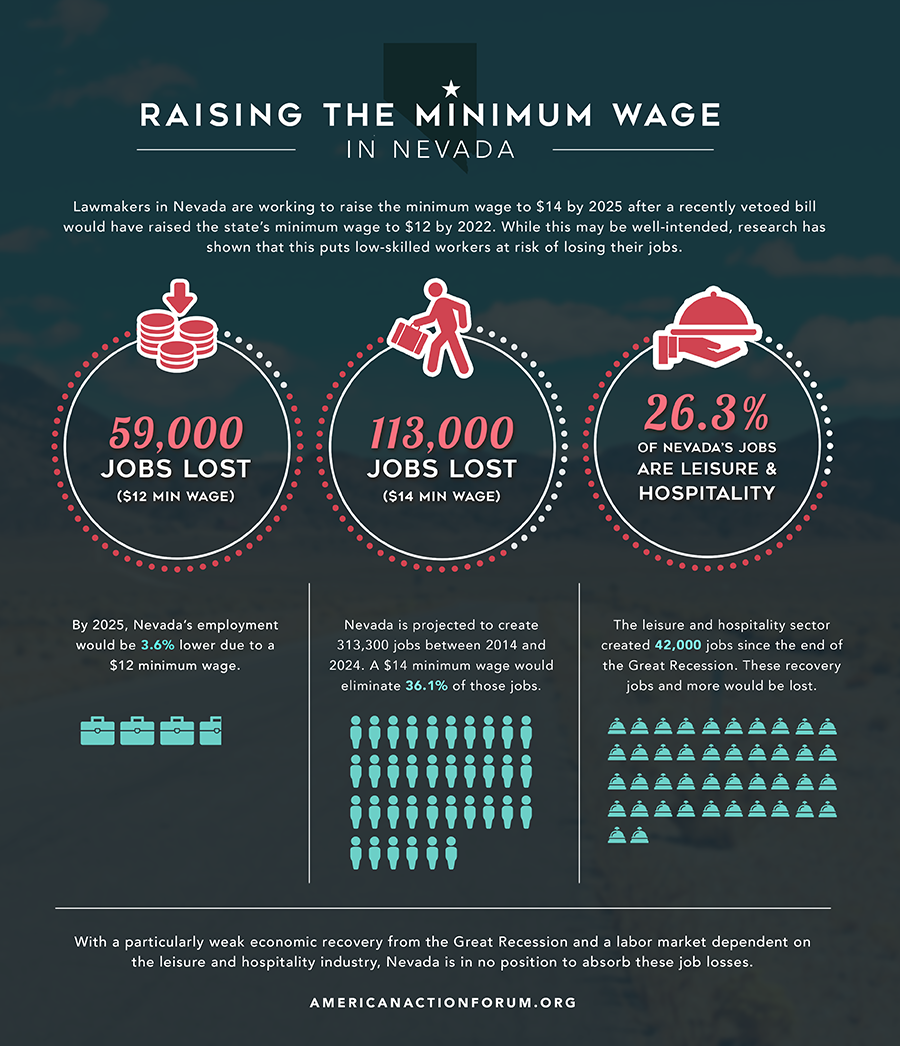
As of July 1, 2024, Nevada’s minimum wage is set to reach $12.00 per hour. This marks the culmination of a series of incremental increases initiated by Assembly Bill 456 (AB456), signed into law in 2019. Prior to this legislation, the state maintained a two-tiered system based on whether employers offered qualifying health benefits. Employers who offered health benefits could pay a lower minimum wage, while those who did not were required to pay a higher rate. However, AB456 was designed to gradually eliminate this two-tiered system, simplifying it to a single, universal minimum wage.
The journey to $12.00 began with lower rates, increasing by $0.75 per year. For instance, on July 1, 2020, the minimum wage was $8.00 per hour for employees not offered qualifying health benefits and $7.00 per hour for those who were. Each subsequent July 1st saw an increase, gradually closing the gap and moving towards the unified $12.00 rate. This phased approach allowed businesses, especially smaller enterprises, to adapt to the rising labor costs without sudden economic shock. The aim of this uniform wage is to provide a more consistent and predictable income floor for all workers, regardless of their employer’s benefits structure, ensuring a basic standard of living in an increasingly expensive state. It reflects a broader trend across the United States towards higher minimum wages to combat rising living costs and income inequality.
Who Does It Affect? Key Industries in Nevada
The minimum wage in Nevada predominantly affects workers in the state’s service-oriented economy, which is largely driven by tourism. The vast network of resorts, casinos, restaurants, and entertainment venues forms the heartbeat of cities like Las Vegas and Reno. From the bustling kitchens of world-class restaurants to the meticulously maintained suites of luxury hotels, and from the vibrant showrooms to the sprawling casino floors, countless individuals work diligently, often at or near minimum wage, to ensure visitors have an unforgettable experience.
Consider the roles that are commonly paid minimum wage or slightly above: housekeepers in hotels and resorts, entry-level food service staff in restaurants and cafes, retail associates in gift shops, groundskeepers maintaining resort landscaping, and various support staff in entertainment venues. These individuals are the unsung heroes of Nevada’s tourism appeal. While many positions in the hospitality industry, particularly those involving direct customer interaction like servers, bartenders, and casino dealers, also heavily rely on tips, the base minimum wage provides a crucial safety net and a foundational income. For those in non-tipped roles, the minimum wage is often their sole source of income, directly influencing their ability to afford accommodation, transportation, and daily necessities in popular, often expensive, tourist destinations like Las Vegas and Henderson. The implications of this wage floor ripple through the local economies, affecting the purchasing power of a significant portion of the population and, by extension, the local businesses that serve them.
The Impact on Nevada’s Tourism and Hospitality Sector
Nevada’s minimum wage isn’t merely a figure on a paycheck; it’s a dynamic factor that influences the very fabric of the state’s tourism and hospitality industry. Its effects are felt by both the visitors who flock to its attractions and the dedicated workforce that makes those experiences possible. From the pricing of your hotel room to the standard of service you encounter, the minimum wage plays an often-invisible yet significant role in shaping the travel landscape.
For the Traveler: Budgeting and Service Quality
For tourists planning their next getaway to Nevada, the minimum wage ultimately translates into the cost of their vacation. As labor costs increase for hotels, restaurants, and entertainment venues, these businesses often adjust their pricing to absorb the additional expenditure. This can manifest in slightly higher room rates, increased prices for dining, or adjustments to attraction fees. For budget travelers, these incremental increases can necessitate a more careful approach to planning, perhaps prompting them to seek out more affordable accommodation options or explore free activities like strolling down the Fremont Street Experience in Las Vegas or enjoying the natural beauty of Red Rock Canyon.
Conversely, some argue that a higher minimum wage can lead to improved service quality. When employees are paid a more livable wage, they may experience greater job satisfaction, reduced stress, and increased motivation, potentially leading to more attentive and enthusiastic service. For luxury travelers who prioritize impeccable service and seamless experiences, this could be seen as a worthwhile trade-off for potentially higher prices. The goal for businesses is to strike a balance: maintaining competitive pricing while ensuring their workforce is compensated adequately enough to deliver the high standards of hospitality that Nevada is renowned for. The value proposition for tourists becomes a complex equation involving price, quality, and the overall experience, all subtly influenced by the state’s wage policies.

For Hospitality Workers: A Cost of Living Perspective
While a rising minimum wage is intended to improve the financial well-being of workers, the reality for hospitality staff in Nevada’s major tourist hubs presents a unique challenge. Cities like Las Vegas and Reno, with their vibrant tourism economies, also tend to have a higher cost of living, particularly concerning housing. An hourly wage of $12.00, while a significant improvement over previous rates, can still make it difficult for individuals or families to afford comfortable accommodation, transportation, groceries, and other daily necessities in these areas.
Many roles in Nevada’s hospitality sector, especially those in hotels, resorts, and restaurants, often include tips as a substantial portion of an employee’s total income. For positions like servers, bellhops, and casino dealers, tips can often elevate their earnings well above the minimum wage. However, for non-tipped roles, such as housekeeping, laundry services, or entry-level administrative positions, the minimum wage forms the bulk of their earnings. This disparity highlights the varied financial realities within the same industry. Living in a tourist-dependent economy often means that local residents, including hospitality workers, face higher prices for goods and services due to the influx of visitors and the premium placed on proximity to attractions. This creates a delicate balance where the minimum wage aims to provide a baseline, but the actual lifestyle afforded can still be a struggle, pushing many to seek additional income streams or live in more affordable, often distant, communities. The pressure to meet rising living costs can contribute to stress and a feeling of being undervalued, impacting staff retention and overall morale within the industry.
Navigating Nevada: Tips for Visitors and Potential Residents
Understanding Nevada’s economic landscape, particularly its minimum wage, offers valuable insights for both travelers and those considering a more permanent move or employment within the state. Whether you’re planning a lavish escape or a budget-friendly adventure, or contemplating a career in its bustling hospitality sector, being informed can significantly enhance your experience and financial planning.
Smart Budgeting for Your Nevada Trip
For visitors, the minimum wage’s influence on pricing in Nevada means that careful budgeting can go a long way. While the state is famous for its luxury resorts and high-end experiences, there are always ways to enjoy its charm without breaking the bank. Factor in that higher labor costs might subtly increase prices for dining, entertainment, and accommodation. To manage your budget effectively:
- Accommodation: Consider visiting during off-peak seasons or booking mid-week stays, especially in Las Vegas or Reno, where hotel rates fluctuate significantly. Explore a range of accommodation options, from iconic Strip resorts to more budget-friendly hotels located slightly off the main tourist corridors. Websites focusing on accommodation comparisons and long-term stays can be particularly useful for finding deals.
- Dining: Nevada offers an incredible culinary scene, but fine dining can be expensive. Balance high-end meals with more casual eateries, food trucks, or even grocery store picnics if your accommodation has kitchenettes. Look for happy hour specials and lunch deals.
- Activities: Many attractions, such as walking through the themed hotels in Las Vegas, visiting the Hoover Dam, or exploring the natural beauty of Lake Tahoe and Valley of Fire State Park, can be free or low-cost. Seek out free shows, botanical gardens, and public art installations.
- Tipping: Remember that tipping is a customary and significant part of income for many service workers in Nevada. Budget for generous tips, particularly for those who provide excellent service, as it directly supports their livelihood.
By being mindful of these factors, travelers can tailor their Nevada adventure to their financial comfort level, ensuring an enjoyable experience without financial strain.
Considering Relocation or Work in Nevada’s Tourism Hubs
For individuals contemplating a move to Nevada for work, particularly in the thriving tourism and hospitality sectors, understanding the financial realities is paramount. While job opportunities abound, especially in Las Vegas, Reno, and Laughlin, the cost of living needs to be carefully weighed against potential earnings.
- Cost of Living vs. Wages: While the $12.00 minimum wage provides a baseline, it can be challenging to support oneself, let alone a family, on this income in major metropolitan areas. Housing, in particular, can be expensive. Researching average rental costs in cities like Las Vegas, Henderson, or Reno compared to average wages for entry-level positions is essential. Consider areas slightly outside the immediate city centers for more affordable housing options, though this might necessitate a longer commute.
- Career Progression: The hospitality industry in Nevada offers numerous opportunities for career advancement. Many entry-level positions can lead to supervisory roles, specialized training, or positions in management, often with significantly higher earning potential. Focusing on skill development, networking, and demonstrating strong work ethic can pave the way for moving beyond minimum wage roles relatively quickly.
- Tips and Total Compensation: For roles that include tipping, factor this into your potential total compensation. However, understand that tips can fluctuate based on season, venue, and individual performance. Do not solely rely on tips for your income projection; the base wage provides a stable floor.
- Benefits: When evaluating job offers, look beyond the hourly wage. Many larger resorts and hotels offer comprehensive benefits packages, including health insurance, retirement plans, and employee discounts, which can significantly enhance your overall compensation and quality of life.
By thoroughly researching and planning, potential residents can make informed decisions about pursuing career opportunities in Nevada’s vibrant, yet competitive, service economy. The lifestyle afforded will heavily depend on careful financial management and strategic career choices.
Beyond the Numbers: The Broader Economic Picture
The minimum wage in Nevada is more than just a set hourly rate; it’s a critical component of the state’s economic ecosystem, with far-reaching implications that extend beyond individual paychecks. Its impact resonates through local communities, influences business strategies, and shapes the long-term sustainability of Nevada’s unique service-driven economy. Understanding these broader effects provides a more complete picture of why minimum wage debates are so central to the state’s future.
Economic Implications for Local Communities
When the minimum wage increases, it has a ripple effect throughout Nevada’s local communities. On one hand, advocates argue that higher wages provide workers with more disposable income, which they are likely to spend on local goods and services. This “multiplier effect” can stimulate local economies, supporting small businesses, increasing demand for various products, and potentially leading to job creation in other sectors. For communities heavily reliant on the hospitality sector, such as Laughlin or Carson City, this increased local spending could be a significant boost. It can help reduce poverty rates and improve the overall standard of living for many residents.
On the other hand, businesses, particularly small and medium-sized enterprises (SMEs) not part of large resort corporations, may face increased operational costs. These businesses might respond by raising prices, reducing staff hours, or delaying expansion plans. Some might struggle to remain competitive, especially those operating on thin margins. The delicate balance involves ensuring workers receive fair compensation while enabling businesses to thrive and continue providing employment. The impact varies greatly depending on the type of business, its location within the state, and its ability to absorb or pass on increased labor costs without losing customers. The ultimate goal is to foster an environment where both workers and businesses can prosper, contributing to vibrant, sustainable local economies.
The Future of Wages in Nevada’s Service Economy
The trajectory of wages in Nevada’s service economy is a subject of ongoing discussion and legislative interest. With the uniform minimum wage reaching $12.00 per hour by July 1, 2024, the immediate legislative push for further increases might stabilize. However, the conversation around a “living wage” versus a “minimum wage” continues to gain traction, especially in high-cost areas. Future debates are likely to focus on whether $12.00 is truly sufficient to sustain a reasonable quality of life in Nevada’s major cities, particularly given rising inflation and housing costs.
Factors that could influence future wage policies include the overall health of the state and national economies, the political landscape, and ongoing advocacy from labor unions and worker rights organizations. The hospitality industry, being so central to Nevada’s identity, will undoubtedly remain at the forefront of these discussions. As technology advances and automation becomes more prevalent in service roles, there may also be shifts in the types of jobs available and the skills required, potentially leading to higher wages for more specialized roles and further discussions on the base pay for those in less specialized positions. The long-term sustainability of Nevada’s tourism model will depend not only on attracting visitors but also on ensuring a stable, motivated, and fairly compensated workforce. This ongoing evolution will dictate how Nevada balances its global appeal as a travel destination with its commitment to fostering a fair and equitable lifestyle for its residents.
LifeOutOfTheBox is a participant in the Amazon Services LLC Associates Program, an affiliate advertising program designed to provide a means for sites to earn advertising fees by advertising and linking to Amazon.com. Amazon, the Amazon logo, AmazonSupply, and the AmazonSupply logo are trademarks of Amazon.com, Inc. or its affiliates. As an Amazon Associate we earn affiliate commissions from qualifying purchases.