
New York State is a vibrant tapestry of iconic cities, breathtaking natural landscapes, and diverse cultural experiences. From the bustling streets of New York City to the serene beauty of the Adirondack Mountains and the picturesque vineyards of the Finger Lakes, it’s a destination that caters to every type of traveler. However, for both visitors planning their trips and residents considering a move, understanding the economic landscape, particularly the minimum wage, is crucial. The minimum wage in New York State isn’t just a number; it’s a dynamic factor that influences everything from the cost of your accommodation and the prices at local attractions to the overall quality of service you experience in the hospitality sector. It shapes the livelihoods of countless individuals working in hotels, restaurants, and tourism-related businesses across the state, thereby indirectly affecting the local culture, available activities, and general economic vibrancy that makes New York such a compelling place to explore.
This comprehensive guide delves into the specifics of New York State’s minimum wage, exploring its regional variations, historical context, and significant impact on the state’s sprawling tourism and hospitality industries. Whether you’re a luxury traveler seeking the finest experiences, a budget-conscious backpacker, or someone considering seasonal work in New York’s tourism sector, grasping these economic realities will provide invaluable insight into navigating the state effectively. We’ll examine how minimum wage influences your travel budget, impacts the operations of hotels and resorts, and ultimately contributes to the unique lifestyle and experiences available throughout this extraordinary state.
Understanding New York State’s Minimum Wage Landscape
New York State has long been at the forefront of setting progressive labor standards, and its approach to the minimum wage is no exception. Unlike a blanket federal rate, New York has implemented a tiered minimum wage system that acknowledges the varying costs of living across different regions. This nuanced approach aims to provide a more equitable standard of living for workers, especially those in the service and hospitality sectors that are so vital to the state’s economy. Understanding these regional differences is paramount for anyone planning travel, considering accommodation options, or even contemplating employment within the state.
Current Rates Across Different Regions
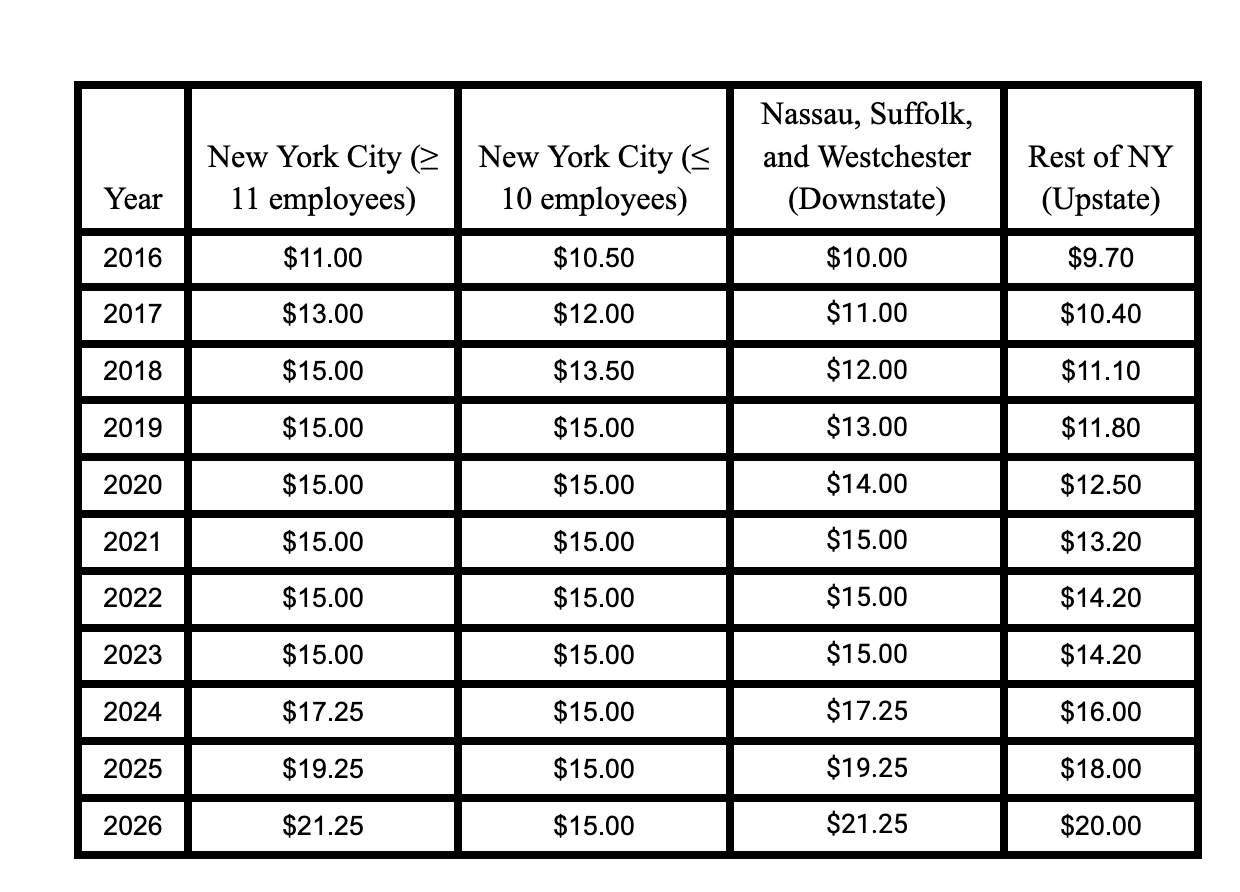
As of recent adjustments, the minimum wage in New York State varies significantly. The highest rate is typically found in New York City, Long Island, and Westchester County, where the cost of living is notoriously high. These areas, home to world-renowned landmarks like the Statue of Liberty and the Empire State Building, attract millions of tourists annually, driving up demand and prices for everything from hotel suites to daily necessities. In these regions, a higher minimum wage helps workers meet the demands of an expensive urban environment.
Conversely, the minimum wage in the rest of New York State, often referred to as Upstate New York, is typically set at a slightly lower rate. This encompasses vibrant cities like Buffalo, Rochester, Syracuse, and the state capital, Albany, as well as the more rural and scenic areas. While the cost of living in these regions is generally lower than in the metropolitan downstate areas, the minimum wage still aims to provide a living wage that supports local communities and encourages economic growth. These regional distinctions are not arbitrary; they reflect careful consideration of local economic conditions, housing costs, and market dynamics, ensuring that the minimum wage remains relevant and impactful across the diverse landscapes of New York.
Historical Context and Future Projections
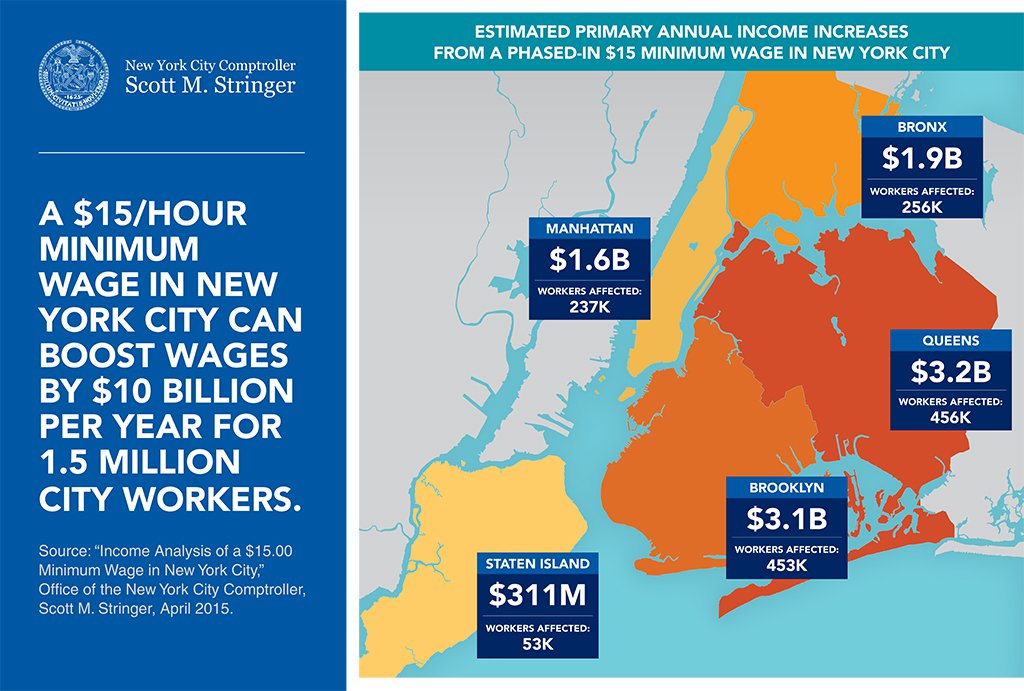
New York State’s journey with the minimum wage has been one of gradual but consistent progression. Over the past decade, there has been a concerted effort to increase the minimum wage incrementally, moving towards a goal of ensuring a more livable wage for all workers. These increases have often been phased in over several years, allowing businesses time to adjust to rising labor costs. This historical trend indicates a strong commitment from the state government to support its workforce, which in turn has significant implications for the tourism and hospitality industries.
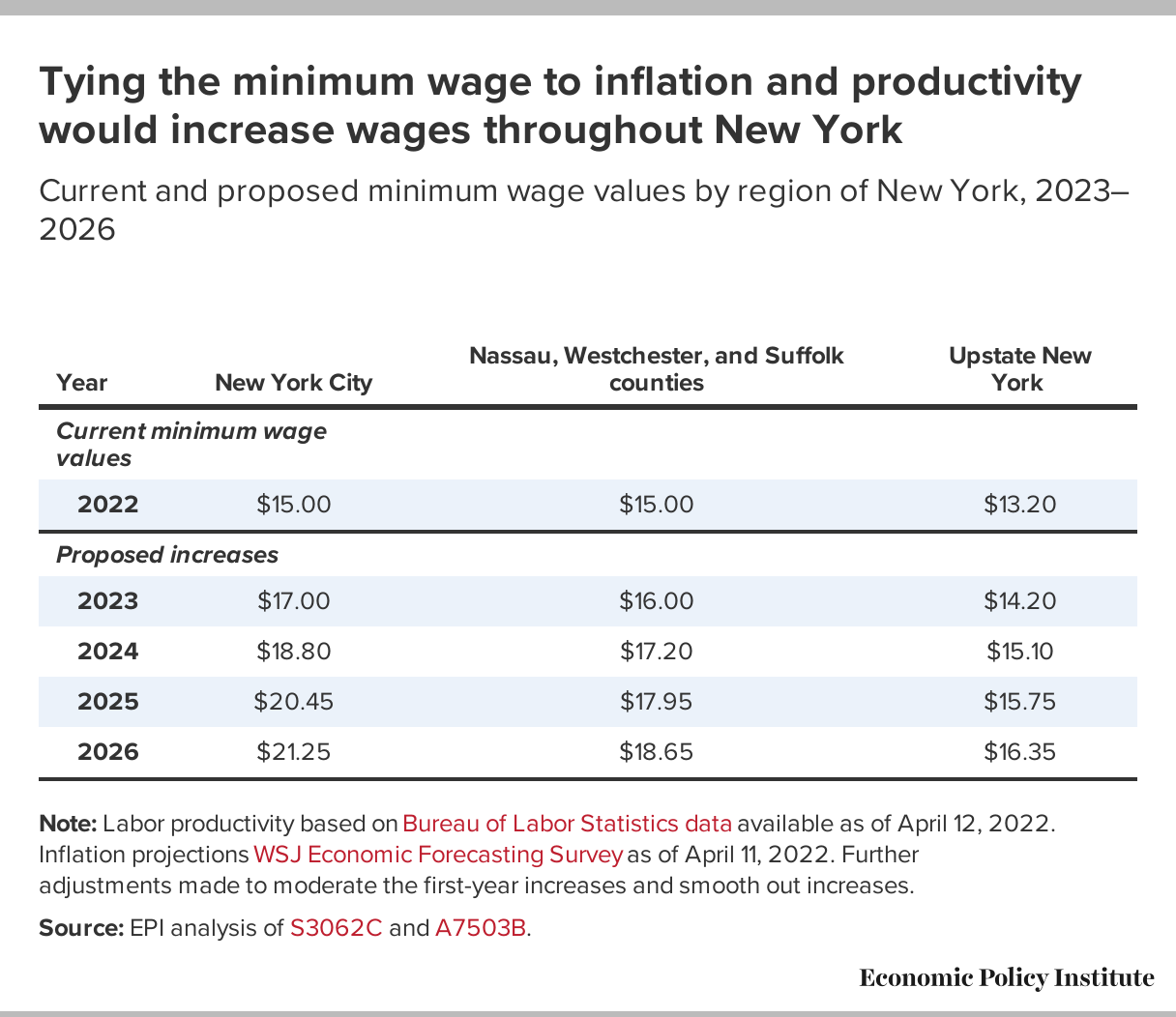
Looking ahead, New York State continues to evaluate its minimum wage policies, often tying future increases to economic indicators such as inflation. This forward-looking approach suggests that the minimum wage will likely continue to evolve, reflecting the ongoing changes in the cost of living and economic conditions. For travelers, this means anticipating potential shifts in prices for services and goods. For those in the accommodation sector, from boutique hotels to sprawling resorts, it implies ongoing adjustments to operational budgets, staffing models, and pricing strategies. These projections are not just about numbers; they are about fostering a sustainable economic environment where both workers and businesses can thrive, ensuring that New York remains a premier destination for travel and tourism.
The Ripple Effect: Minimum Wage and the New York Tourism Economy
The minimum wage in New York State exerts a profound influence on the state’s robust tourism economy, which is a significant driver of jobs and revenue. When you book a hotel, dine at a restaurant, or visit an attraction, the cost of labor, heavily influenced by the minimum wage, is embedded in the price you pay. This ripple effect extends throughout the entire travel ecosystem, impacting everything from the quality of service to the availability of certain amenities and the overall economic health of local communities. For a state as reliant on tourism as New York, understanding this dynamic is key to appreciating the broader economic picture.
Impact on Hotels and Accommodation Sector
The accommodation sector, encompassing everything from luxury Grand Hyatt Hotels in Manhattan to cozy bed-and-breakfasts in the Catskills, is particularly sensitive to minimum wage changes. Hotels employ a vast workforce, including front desk staff, housekeepers, concierges, maintenance teams, and food and beverage personnel. A rising minimum wage directly increases the operational costs for these businesses. To offset these costs, hotels may adjust their pricing, leading to higher room rates, or they might seek efficiencies in other areas.
This impact can manifest in various ways for travelers. For instance, luxury resorts might absorb some of the increased costs to maintain their premium pricing and service levels, while budget hotels might need to make more noticeable adjustments. The availability of amenities, the frequency of housekeeping services, and even the staffing levels at peak times can all be indirectly influenced. However, a higher minimum wage also often translates to a more stable and motivated workforce. Employees earning a fair wage are more likely to stay in their positions, gain valuable experience, and provide consistent, high-quality service, which ultimately enhances the guest experience. This balance between operational costs and employee well-being is a constant consideration for accommodation providers across New York.
Service Industry and Visitor Experience
Beyond hotels, the broader service industry — including restaurants, bars, retail shops, tour operators, and attractions — also feels the direct impact of minimum wage policies. A significant portion of the tourism workforce is employed in these sectors, ensuring that visitors have access to local culture, unique activities, and memorable experiences.
When the minimum wage increases, businesses in these sectors may need to adjust their pricing for meals, souvenirs, and admission tickets. For example, a restaurant in Brooklyn might slightly raise menu prices to cover increased labor costs. However, this also means that the employees serving your meal or guiding your tour are likely earning a more livable wage. This can lead to improved employee morale, reduced staff turnover, and a higher level of professionalism and engagement, all of which contribute positively to the visitor experience. Well-compensated staff are often more invested in their roles, providing friendlier service, greater attention to detail, and a more authentic interaction with local culture. Therefore, while minimum wage adjustments might subtly affect prices, they also play a crucial role in maintaining the high standards of service that travelers expect when visiting a world-class destination like New York State.
Navigating New York with Different Budgets: A Minimum Wage Perspective
New York offers an incredibly diverse range of experiences, from lavish luxury travel to adventurous budget-friendly trips. The state’s minimum wage policies, while primarily designed to support local workers, also indirectly shape these travel lifestyles. Understanding how minimum wage influences costs can help travelers plan their finances more effectively and make informed choices about where to stay, what to eat, and what activities to pursue.
Budget-Friendly Travel vs. Luxury Lifestyles
For budget travelers, every dollar counts. The regional variations in New York State’s minimum wage mean that general prices for basic services and goods tend to be higher in New York City, Long Island, and Westchester County compared to Upstate New York. This directly impacts the cost of hostels, budget hotels, street food, and public transportation. Savvy budget travelers might find more affordable options for accommodation and dining by venturing slightly outside the most expensive city centers or by exploring the charming towns and natural attractions of Upstate New York, where the minimum wage is lower, and consequently, the cost of living and services is generally reduced. This allows for longer stays or more activities for the same budget.
Conversely, luxury travelers, while less sensitive to marginal price increases, can also benefit from understanding the minimum wage landscape. Higher labor costs in premium hotels, fine dining restaurants, and exclusive tour experiences often translate into higher prices. However, these increased costs also contribute to the unparalleled service and attention to detail that define luxury travel. Knowing that the staff providing exquisite service are likely earning a more respectable wage can add an ethical dimension to the luxury experience, enhancing the overall value proposition. Whether you’re staying at a Ritz-Carlton or a quaint Airbnb, the minimum wage helps shape the economic environment that supports the entire spectrum of travel experiences in New York.
Considerations for Seasonal Workers and Residents
For individuals considering seasonal work in New York State’s tourism industry – perhaps at ski resorts in the Adirondacks, wineries in the Finger Lakes, or summer attractions on Long Island – understanding the minimum wage is paramount. The wage they earn directly dictates their potential savings, their ability to afford local accommodation, and their overall quality of life during their stay. The regional variations mean that a job paying minimum wage in New York City will offer a higher hourly rate than the same role in Plattsburgh, for example, but the cost of living in New York City is also significantly higher.
Prospective residents, too, must weigh these factors carefully. The minimum wage, combined with the cost of housing, transportation, and daily expenses, determines economic feasibility. While a higher minimum wage is a positive step towards ensuring a living wage, it must always be considered in tandem with local living expenses. This perspective is vital for anyone planning to integrate into New York’s diverse communities, highlighting the state’s ongoing efforts to balance economic growth with social equity.
Beyond the Paycheck: Quality of Life and Economic Vibrancy
The conversation around minimum wage in New York State extends far beyond individual paychecks and direct business costs. It’s an integral component of the state’s broader economic vibrancy and contributes significantly to the overall quality of life for its residents, which in turn influences the appeal of the state as a tourist destination. A higher minimum wage can lead to a more stable and prosperous working class, fostering stronger local economies, and creating a more positive social environment.
When workers earn a fair wage, they have more disposable income to spend in local businesses, boosting retail sales, supporting local restaurants, and engaging in cultural activities. This economic circulation is vital for sustaining the unique character and charm of New York’s various regions, from the historic streets of Saratoga Springs to the artistic hubs of Beacon. A thriving local economy, supported by a livable minimum wage, means more investment in public services, better maintenance of landmarks and attractions, and a higher standard of community infrastructure – all elements that enhance the visitor experience.
Moreover, a strong minimum wage policy can contribute to a reduction in poverty and income inequality, leading to a more equitable society. This has indirect but powerful benefits for tourism: a happier, healthier, and more secure local population is often more welcoming and capable of providing exceptional service to visitors. It fosters a sense of pride in one’s community, which is reflected in the quality of hospitality and the preservation of local culture. Ultimately, New York State’s commitment to a progressive minimum wage is not just about labor rights; it’s about cultivating a resilient economy and a high quality of life that benefits residents and ensures a memorable, enriching experience for every traveler who visits its shores, cities, and natural wonders.
LifeOutOfTheBox is a participant in the Amazon Services LLC Associates Program, an affiliate advertising program designed to provide a means for sites to earn advertising fees by advertising and linking to Amazon.com. Amazon, the Amazon logo, AmazonSupply, and the AmazonSupply logo are trademarks of Amazon.com, Inc. or its affiliates. As an Amazon Associate we earn affiliate commissions from qualifying purchases.