
Understanding the minimum wage in New York is a fundamental aspect for anyone looking to work, do business, or simply comprehend the economic landscape of this vibrant state. This guide aims to provide a comprehensive overview of the current minimum wage laws, their implications, and how they are applied across different regions within the state. As a dynamic factor influencing both employee livelihoods and employer responsibilities, the minimum wage in New York is a topic of significant interest and importance.
Understanding New York’s Minimum Wage Structure
The minimum wage in New York is not a single, uniform rate across the entire state. Instead, it is a tiered system that accounts for regional economic differences and the specific nature of industries. This approach aims to balance the cost of living, which varies significantly from the bustling metropolis of New York City to more rural upstate areas, with the financial realities faced by businesses.
Hourly Rates and Regional Differentials
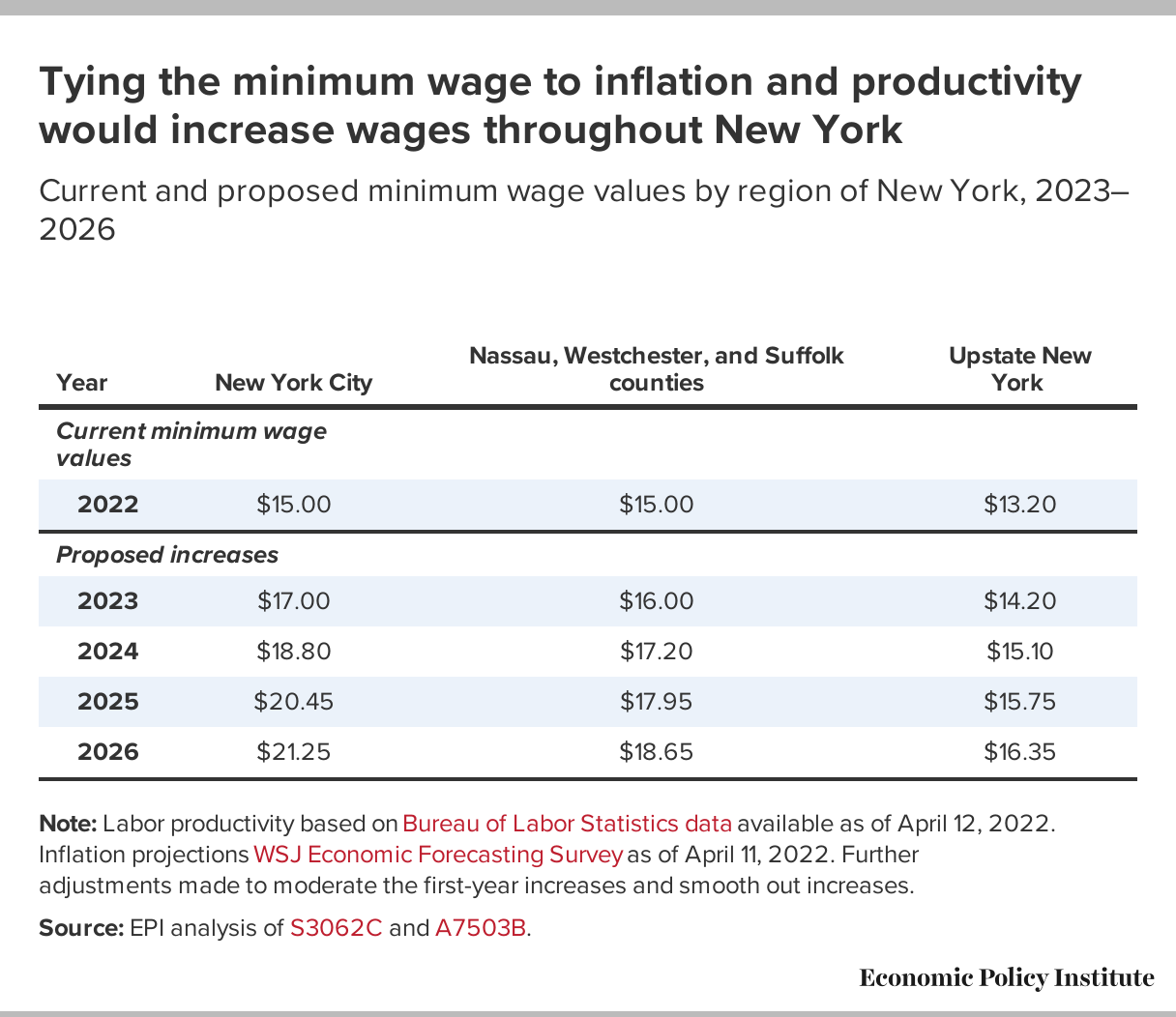
The minimum wage in New York is primarily determined by geographic location. The state is divided into different zones, each with its own set of minimum wage rates.
New York City and Its Surrounding Suburbs
New York City, along with its immediate suburban counties, generally has the highest minimum wage rates. This reflects the significantly higher cost of living and operating expenses in these densely populated and economically active areas. As of the latest adjustments, the minimum wage in New York City, Long Island, and Westchester counties is typically set at a higher threshold compared to other parts of the state. This rate is subject to annual adjustments, often tied to inflation or specific economic indicators.
Upstate New York Regions
For other regions of New York State, often referred to as “upstate,” the minimum wage rates are generally lower than those in the metropolitan area. These regions, which include areas like Buffalo, Rochester, Syracuse, and the Adirondacks, have a distinct minimum wage that reflects their unique economic conditions and cost of living. While lower, these rates are also subject to periodic reviews and increases to ensure a baseline standard of living.
Industry-Specific Minimum Wages
Beyond regional differences, certain industries within New York may have specific minimum wage regulations. Historically, industries like the fast-food sector have seen targeted increases to their minimum wage to address concerns about low pay and high turnover. These sector-specific adjustments aim to provide a more tailored approach to wage setting, acknowledging the unique challenges and profit margins within different economic activities. It is crucial for employers and employees in these sectors to be aware of these specific regulations.
Minimum Wage Adjustments and Future Outlook
The minimum wage in New York is not static; it is a dynamic policy that undergoes regular review and adjustment. These adjustments are crucial for keeping pace with inflation, changes in the cost of living, and the broader economic climate. Understanding the mechanisms for these adjustments is key to forecasting future wage rates and their potential impact.
Annual Adjustments and Escalation Clauses
Many of the minimum wage rates in New York, particularly those for New York City and its surrounding areas, are subject to annual increases. These increases are often pre-programmed through escalation clauses tied to inflation or other economic indices. This predictable schedule allows businesses to plan for future labor costs, while ensuring that the purchasing power of minimum wage earners is protected against rising prices. The state’s Department of Labor is the primary body responsible for announcing and implementing these adjustments.
Legislative Action and Economic Factors
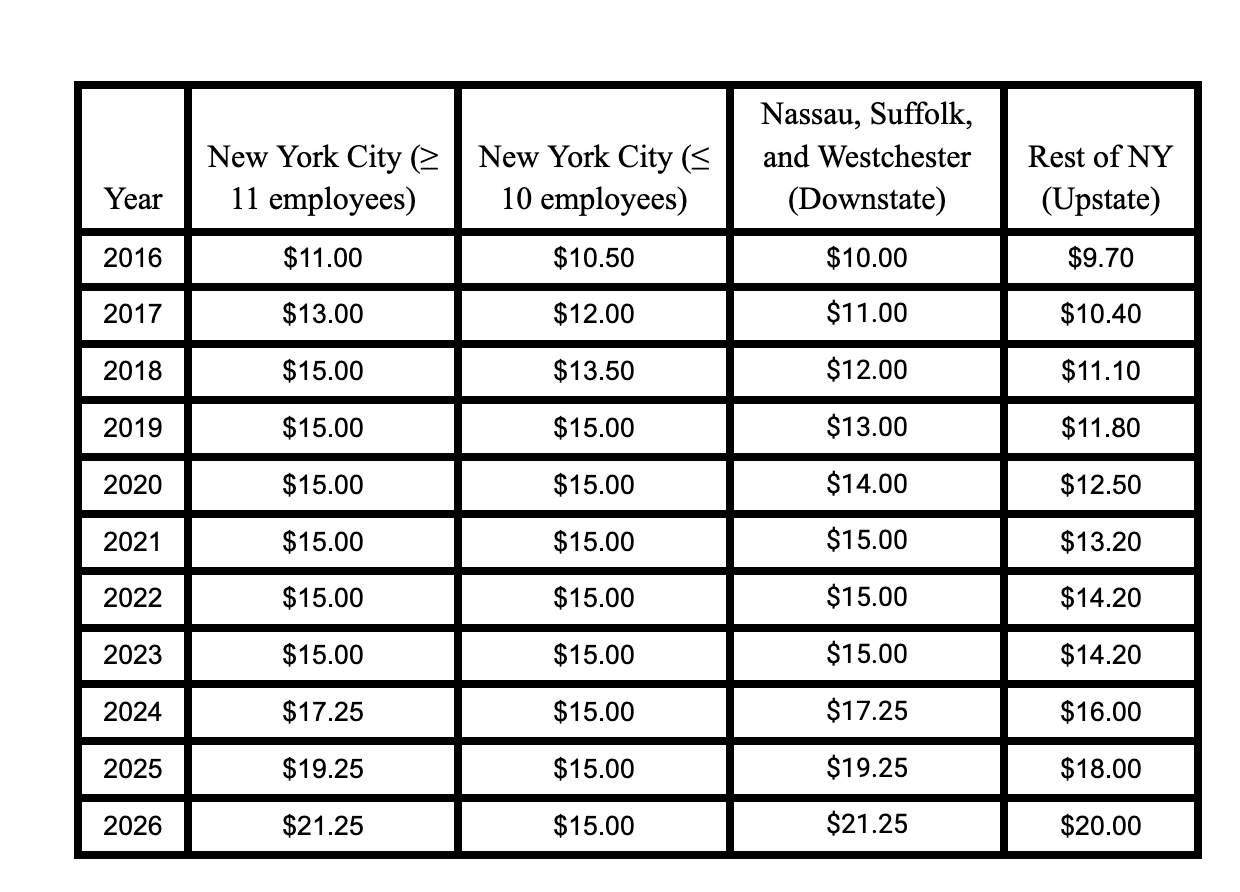
While annual adjustments are common, significant changes or adjustments to minimum wage rates can also be driven by legislative action. The New York State legislature and the Governor’s office play a critical role in setting minimum wage policy. Economic factors such as unemployment rates, job growth, and the overall health of the state’s economy can influence these legislative decisions. Debates surrounding the minimum wage often involve balancing the desire to improve workers’ living standards with concerns about potential impacts on employment levels and business competitiveness.
The Impact of Minimum Wage on Tourism and Hospitality
The tourism and hospitality sectors are significant employers in New York, and the minimum wage directly impacts businesses within this industry. From large hotel chains like the Marriott or Hilton to independent restaurants and tour operators, understanding wage requirements is paramount.
Labor Costs for Hotels and Resorts
For hotels, resorts, and other accommodation providers, labor costs represent a substantial portion of their operating expenses. An increase in the minimum wage directly translates to higher payroll expenses for frontline staff, including housekeepers, front desk agents, and food service workers. Businesses must strategically manage these costs, potentially through increased prices for services, improved operational efficiency, or adjustments to staffing models. However, higher wages can also lead to increased employee morale, reduced turnover, and improved customer service, which are all vital for success in the competitive hospitality market. Properties like the Plaza Hotel or the Mohonk Mountain House must carefully consider these dynamics.
Dining and Entertainment Establishments
Restaurants, bars, and entertainment venues, which are crucial components of the New York tourism experience, are also heavily influenced by minimum wage laws. The tips earned by waitstaff and bartenders can also be factored into their wages, with specific rules governing tip credits. This dual system means that employers must ensure that, even with tips, employees reach the full minimum wage. For popular dining destinations in areas like the West Village or tourist hubs near landmarks like the Statue of Liberty, these wage regulations are a constant consideration. The economic viability of these establishments is closely tied to their ability to navigate rising labor costs while maintaining competitive pricing for consumers.
Tour Guides and Experience Providers
Tour guides, museum staff, and operators of various tourist attractions also fall under minimum wage regulations. As the state seeks to promote its rich cultural heritage and natural beauty, from the Metropolitan Museum of Art to the Niagara Falls, ensuring fair compensation for those who share these experiences with visitors is a policy goal. Businesses offering guided tours in Central Park or boat excursions along the Hudson River must comply with the prevailing minimum wage rates, contributing to a more equitable workforce within the tourism sector.
Compliance and Enforcement in New York
Ensuring compliance with minimum wage laws is a shared responsibility between employers and the state government. The New York State Department of Labor plays a crucial role in enforcing these regulations and protecting workers’ rights.
Employer Responsibilities and Record-Keeping
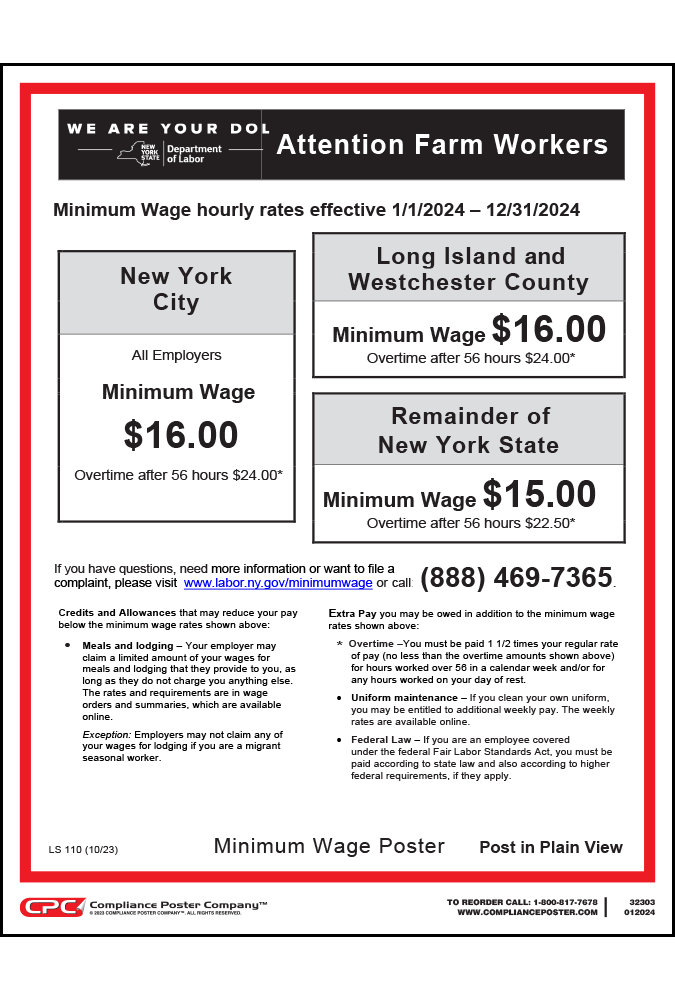
Employers operating in New York are legally obligated to pay their employees at least the minimum wage applicable to their location and industry. This includes maintaining accurate records of hours worked, wages paid, and any deductions made. Proper record-keeping is essential for demonstrating compliance during any potential audit or investigation by the Department of Labor. Failure to adhere to these requirements can result in significant penalties, including back wages owed to employees and fines.
Worker Rights and Recourse
Employees who believe they have not been paid the correct minimum wage have several avenues for recourse. They can file a complaint with the New York State Department of Labor, which will investigate the claim. The department has the authority to order employers to pay back wages and impose penalties for violations. Additionally, employees may have the right to pursue legal action to recover unpaid wages. Understanding these rights empowers workers to advocate for fair compensation and contributes to a more just and equitable work environment across the state.
Conclusion: The Evolving Landscape of Minimum Wage in New York
The minimum wage in New York is a multifaceted issue that continuously evolves. The tiered system, influenced by regional economics and specific industries, reflects a deliberate effort to balance diverse needs. For the tourism and hospitality sectors, which are integral to New York’s economy, adherence to these wage laws is not just a legal requirement but a crucial element in fostering a sustainable and equitable workforce. As the state’s economy grows and adapts, so too will its minimum wage policies, continuing to shape the livelihoods of its residents and the operational landscape for its businesses. Staying informed about the latest regulations and adjustments is therefore essential for all stakeholders involved in New York’s vibrant economic ecosystem.
LifeOutOfTheBox is a participant in the Amazon Services LLC Associates Program, an affiliate advertising program designed to provide a means for sites to earn advertising fees by advertising and linking to Amazon.com. Amazon, the Amazon logo, AmazonSupply, and the AmazonSupply logo are trademarks of Amazon.com, Inc. or its affiliates. As an Amazon Associate we earn affiliate commissions from qualifying purchases.