
Alaska, often hailed as the “Last Frontier”, stands as a monumental testament to untamed natural beauty and unparalleled wilderness. Its sheer vastness, adorned with towering mountain ranges, pristine glaciers, expansive tundras, and an abundance of diverse wildlife, promises an experience that transcends the ordinary. This captivating allure draws intrepid travelers, nature photographers, and seasoned adventurers from across the globe, eager to immerse themselves in its rugged grandeur. However, this same breathtaking wilderness, while endlessly enchanting, simultaneously harbors significant, often life-threatening, dangers. For those contemplating an expedition into the heart of this majestic state, a comprehensive understanding of its most perilous regions and the inherent risks is not merely advisable but absolutely paramount. Navigating Alaska’s wild heart requires meticulous planning, profound respect, and an unwavering commitment to safety.
The Allure and Peril of Alaska’s Untamed Frontier
The call of Alaska resonates with anyone seeking genuine adventure and an escape from the conventional. From the glittering ice fields of the southeast to the vast, treeless plains of the Arctic, its landscapes are as diverse as they are daunting. This is a place where nature reigns supreme, offering experiences that redefine what it means to be truly alive. Yet, beneath the veneer of stunning vistas lies a wilderness that demands constant vigilance. The serene beauty can quickly give way to brutal conditions, transforming a dream adventure into a harrowing test of survival. Understanding this duality is the first step in approaching Alaska’s wild lands responsibly.
Unpacking the Concept of “Danger” in the Last Frontier
The notion of a “most dangerous area” within the Alaskan wilderness is not as straightforward as pointing to a single geographical spot. Unlike a conventional tourist attraction with clearly marked risks, danger in Alaska is a complex interplay of several factors. It’s less about a specific location and more about the confluence of environmental severity, the unpredictable nature of wildlife encounters, the overwhelming remoteness of the terrain, and crucially, the level of preparedness and experience of the human venturing into it. While no single place universally claims the title of “most dangerous,” certain regions, by their very nature and geographical characteristics, consistently present a higher concentration of these risks, challenging even the most seasoned explorers. Our exploration delves into these specific conditions and locations to provide a clearer picture for those planning their own Alaskan adventures.
Understanding the Core Risks: Factors Contributing to Wilderness Peril
Venturing beyond the accessible urban centers and well-trodden paths of Alaska means entering an environment where the stakes are inherently higher. Several elements converge to make parts of this state exceptionally challenging and, at times, deadly. These are not merely obstacles but fundamental aspects of the Alaskan wilderness that demand respect and thorough preparation.
Extreme Weather: A Constant Adversary
Alaska is notoriously famous for its unpredictable and often severe weather patterns, a fact that can catch even experienced travelers off guard. Sudden blizzards can materialize with shocking speed, engulfing landscapes in whiteouts, while torrential downpours can turn trails into muddy torrents and rivers into raging rapids. Temperatures can plummet rapidly, even in the height of summer, leading to immediate threats of hypothermia – a condition where the body loses heat faster than it can produce it, impairing judgment and physical function. Frostbite is another ever-present danger, capable of inflicting severe tissue damage in minutes during bitter cold snaps. Preparing for four seasons in a single day is not an exaggeration but a practical necessity, necessitating layered clothing systems and robust shelter solutions.
The Isolation Challenge: Remoteness and Accessibility
Much of Alaska remains roadless, an expansive tapestry of wilderness largely untouched by human infrastructure. This profound remoteness, while appealing to the true adventurer, creates immense challenges in times of crisis. Search and rescue operations can be severely hampered by vast distances, impassable terrain, and the notorious lack of reliable communication infrastructure. Beyond the major cities and a few gateway towns, cellular service is virtually nonexistent. Satellite phones or personal locator beacons (PLBs) become not just useful gadgets but essential lifelines. The understanding that help could be days, not hours, away fundamentally shifts the approach to backcountry travel, demanding self-reliance and comprehensive emergency preparedness.
Wildlife Encounters: Respecting the Predators
Alaska is home to some of North America’s most magnificent and formidable wildlife. Encounters with large predators such as grizzly bears, polar bears, and wolves are a genuine concern, particularly in areas where humans venture into their feeding or denning territories. While most animals prefer to avoid human contact, surprising an animal, especially a mother with cubs, can lead to aggressive defensive actions. Even seemingly benign herbivores like moose can be incredibly dangerous when provoked or when protecting their young, capable of inflicting serious injury with powerful kicks. Comprehensive knowledge of wildlife safety protocols, including carrying bear spray and knowing how to use it, making noise on trails, and securing food properly, is non-negotiable for anyone venturing into the Alaskan backcountry.
Geological and Hydrological Hazards: Mountains, Glaciers, and Waterways
The dramatic topography of Alaska presents its own set of geological and hydrological dangers. In mountainous and glacial regions, hazards like hidden crevasses, unpredictable avalanches, and sudden rockfalls pose severe risks to climbers, trekkers, and even casual hikers. Rapidly changing ice conditions can make glacier travel treacherous, demanding specialized skills, equipment, and often, the guidance of experienced professionals. Furthermore, Alaska’s countless rivers, lakes, and coastal waters contribute significantly to the risk profile. Icy, swift-flowing rivers with powerful currents can turn a seemingly simple crossing into a deadly struggle. Along the coastlines and in the intricate fjords, unpredictable tidal changes and strong currents can capsize boats or trap unwary explorers, highlighting the need for vigilance and expert navigational skills, particularly for those engaging in water-based activities like kayaking or rafting.
Iconic Regions of Elevated Risk: Where Alaska’s Dangers Converge
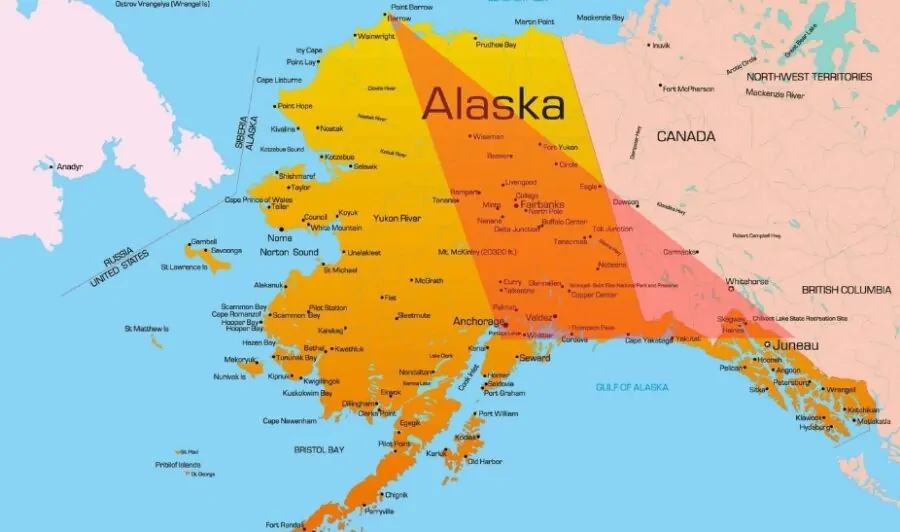
While danger can be found anywhere in the vast Alaskan wilderness, certain regions are consistently highlighted for their extreme conditions and inherent hazards, drawing adventurers who seek the ultimate test of skill and endurance.
Denali National Park and Preserve: The Apex of Alpine Challenge
Home to North America’s tallest peak, Denali (formerly Mount McKinley), Denali National Park and Preserve is a legendary destination for mountaineers worldwide. However, its allure is matched by its peril. The extreme altitudes, vast glacial terrain, and notoriously unpredictable weather systems make it an incredibly dangerous environment. Climbers routinely face challenges like severe hypothermia, debilitating frostbite, and fatal falls on icy slopes. The sheer remoteness of the higher elevations means rescue operations are extraordinarily difficult, time-consuming, and often only possible by specialized air support, further amplifying the risks. While gateway towns such as Talkeetna offer vital staging points and accommodations for expeditions, the park itself is a realm of untamed wilderness where survival depends solely on skill and preparation.
Gates of the Arctic National Park and Preserve: Untamed Isolation
Spanning a monumental area north of the Arctic Circle in Northern Alaska, Gates of the Arctic National Park and Preserve is one of the least visited national parks in the United States. Its extreme isolation, complete lack of roads, trails, or visitor facilities, and harsh environment make it a true frontier. Trekkers and adventurers here face immense challenges from the relentless Arctic weather, numerous unbridged river crossings that can swell without warning, and frequent encounters with grizzly bears and caribou herds. Without any established infrastructure, navigation relies entirely on maps, GPS, and wilderness experience. This park embodies pure, unfiltered wilderness, a destination only for those with advanced outdoor survival skills and an absolute commitment to self-reliance.
Katmai National Park and Preserve: A Realm of Bears and Volcanic Landscapes
Famous globally for its robust brown bear population, particularly at Brooks Falls during the salmon spawning season, Katmai National Park and Preserve presents significant and unique risks primarily related to wildlife encounters. While the bears here are generally habituated to human presence, they remain powerful, wild animals whose behavior can be unpredictable. Close proximity to these magnificent creatures, even under guided supervision, demands constant vigilance and strict adherence to park regulations. Beyond the bears, Katmai‘s volcanic landscape, featuring the “Valley of Ten Thousand Smokes” and remote coastal areas accessible only by float plane or boat, adds layers of complexity and challenge, including unpredictable weather and navigational difficulties. For travelers seeking unique Alaskan tourism experiences, Katmai offers both wonder and a powerful reminder of nature’s raw power.
Wrangell-St. Elias National Park and Preserve: The Colossus of Complexity
As the largest national park in the United States, Wrangell-St. Elias National Park and Preserve is an immense expanse of mountains, glaciers, and active volcanoes. Its colossal scale and extreme ruggedness mean that once deep within its boundaries, emergency assistance can be days away, even with a satellite communicator. Mountaineering, extensive glacier travel, and remote backcountry expeditions are particularly hazardous here. The park’s vastness contributes to rapidly changing weather conditions, the prevalence of hidden crevasses, and the sheer physical demands of navigating such an undeveloped landscape. The former copper mining towns of McCarthy and Kennecott serve as fascinating historical landmarks and limited points of entry, but the real danger lies further afield, in the boundless wilderness.
Arctic National Wildlife Refuge (ANWR): The Frozen Edge
Located in the remote northeastern corner of Alaska, the Arctic National Wildlife Refuge (ANWR) is an expansive wilderness of tundra, mountains, and coastal plains. It is most notably a critical habitat for polar bears, particularly along its coastal regions, and experiences some of the most extreme cold and relentless weather conditions on the planet. For travelers seeking extreme budget travel adventures, the ANWR presents an ultimate test. Its intense remoteness, complete lack of infrastructure, and the life-threatening conditions of the Arctic environment mean that any incident, from a minor injury to a equipment malfunction, can quickly become life-threatening. Survival requires not just skill but an almost superhuman level of resilience and preparation.
Kodiak Island: Home of the Mighty Bear
While renowned for its incredible fishing, particularly for salmon and halibut, and being home to the massive Kodiak brown bears, Kodiak Island presents a distinct set of challenges. The island’s dense forests, rugged mountainous terrain, and notoriously unpredictable coastal weather pose significant risks for hunters, hikers, and anglers. Bear encounters are a pervasive and serious concern, especially in dense brush where visibility is limited. Furthermore, the island’s weather can shift dramatically from calm to gale-force winds and torrential rain, necessitating vigilance and robust planning for any outdoor activity. Many visitors opt for guided excursions to mitigate these risks, particularly for fishing or bear viewing tours.
Yukon-Kuskokwim Delta: Navigating Watery Wilds
This vast, low-lying wetland region in western Alaska is characterized by an intricate network of countless rivers, lakes, and marshes. Travel here is primarily by small aircraft or, more commonly, by boat. The sheer isolation, complex navigational challenges presented by the ever-shifting waterways, and extreme weather patterns make it a particularly dangerous area for those unfamiliar with its unique environment. Fog can roll in quickly, disorienting travelers, and shallow, shifting channels can easily strand boats. The region’s delicate ecology and remote communities, often accessed via small air charters, underscore the need for local expertise and extreme caution. For those interested in local culture and traditional lifestyles, respectful engagement and proper guidance are key.
Mastering the Wilderness: Essential Preparation for Alaskan Expeditions
Venturing into Alaska’s wilderness, especially its most challenging areas, demands far more than just enthusiasm; it requires meticulous planning, a profound respect for its power, and an unshakeable commitment to safety. For anyone seeking to transform these wild landscapes into unforgettable travel experiences, preparation is the ultimate guide.
Meticulous Planning and Research
The cornerstone of any safe Alaskan expedition is thorough research and detailed planning. This involves understanding the specific risks of your chosen destination, studying topographical maps, familiarizing yourself with historical weather patterns, and investigating current local conditions. Knowledge about emergency contact numbers, the nearest medical facilities, and potential evacuation routes is critical. For those embarking on complex trips, considering a professional travel guide who specializes in Alaskan backcountry can be an invaluable investment, turning a risky venture into a well-managed adventure. Many hotels or resorts in gateway towns often provide resources or connections to such local experts.
Equipping for the Extremes
Appropriate gear is not a luxury but a fundamental necessity. This means investing in high-quality, weather-appropriate layered clothing systems, designed to wick moisture and provide insulation even when wet. Essential navigation tools such as a reliable GPS device with extra batteries, detailed physical maps, and a compass are paramount. A satellite communicator or PLB is crucial for emergency communication in areas without cellular service. Carrying a comprehensive first-aid kit, including any necessary personal medications, and knowing how to use its contents, is equally vital. Don’t forget bear spray, a sturdy knife, fire-starting materials, and sufficient food and water purification methods.
Mastering Wilderness Skills and Communication
Beyond packing the right gear, possessing the right skills can be the difference between survival and disaster. Basic first aid, advanced navigation techniques, rudimentary shelter building, and general survival skills are invaluable. Seriously consider taking a wilderness first responder or wilderness survival course before embarking on a challenging Alaskan trip. Furthermore, fostering a culture of clear and consistent communication within your group is essential, ensuring everyone is aware of plans, potential hazards, and any changes in conditions. Always leave a detailed itinerary with a trusted person outside your group who knows when to expect you back and what actions to take if you don’t return as scheduled.
Respecting Wildlife and the Elements
Develop a profound understanding and respect for Alaskan wildlife. Learn and practice bear safety protocols rigorously: make noise on trails, carry bear spray and know how to deploy it, and understand how to react appropriately in an encounter. Store all food and scented items properly to avoid attracting animals to your camp. Equally important is an unwavering respect for the weather. Be prepared for sudden changes, and never hesitate to turn back or adjust your plans if conditions deteriorate. No summit or view is worth risking your life. Staying hydrated and well-fed is also crucial, as wilderness travel in Alaska is physically demanding, requiring ample water and high-energy sustenance. This mindful approach becomes a vital aspect of an outdoor lifestyle focused on safety and appreciation for nature.
Conclusion: Embracing Alaska’s Wild Heart with Wisdom
Ultimately, pinpointing a single “most dangerous area” in Alaska is an oversimplification. The true danger lies not in one specific location, but in the potent synergy of extreme environmental factors, the presence of formidable wildlife, and the profound, often unforgiving, remoteness that characterizes much of the state. Regions such as Denali National Park and Preserve, Gates of the Arctic National Park and Preserve, and Wrangell-St. Elias National Park and Preserve consistently present heightened risks due to their unique combination of challenging terrain, unpredictable weather, and isolation. Even seemingly more accessible areas like Kodiak Island or the Yukon-Kuskokwim Delta harbor their own significant perils, requiring specialized knowledge and preparation.
The key to safely exploring and appreciating Alaska’s unparalleled wilderness lies in meticulous preparation, a deep-seated respect for nature’s power, and a comprehensive understanding of the inherent risks involved. For the well-prepared, well-equipped, and cautious adventurer, Alaska offers unparalleled experiences – vistas that defy description, wildlife encounters that humble the soul, and a sense of profound solitude that rejuvenates the spirit. These are memories that will last a lifetime. However, for those who underestimate its wild heart or venture forth without due diligence, the consequences can be severe, even fatal. Embrace the adventure, plan diligently, and always prioritize safety and knowledge when venturing into the magnificent, yet unforgiving, Last Frontier.
LifeOutOfTheBox is a participant in the Amazon Services LLC Associates Program, an affiliate advertising program designed to provide a means for sites to earn advertising fees by advertising and linking to Amazon.com. Amazon, the Amazon logo, AmazonSupply, and the AmazonSupply logo are trademarks of Amazon.com, Inc. or its affiliates. As an Amazon Associate we earn affiliate commissions from qualifying purchases.