
When the conversation turns to the safety of a major metropolitan area, particularly one as expansive and diverse as Chicago, the question of “dangerous parts” inevitably arises. However, framing “dangerous” solely through a lens of crime statistics can be misleading and fails to capture the multifaceted nature of urban safety and the lived experiences within a city. This article will explore the nuances of safety within Chicago, moving beyond simplistic labels to offer a more insightful perspective for visitors and those seeking to understand the city’s complexities. Our focus will be on providing context relevant to Travel, enabling informed decision-making and enriching the experience of exploring this vibrant metropolis.

Understanding Urban Dynamics and Perceived Risk
The perception of danger in any city is often shaped by a combination of media narratives, anecdotal evidence, and statistical data. For travelers, understanding these dynamics is crucial for navigating a city responsibly and without undue apprehension.
Crime Statistics and Geographical Distribution
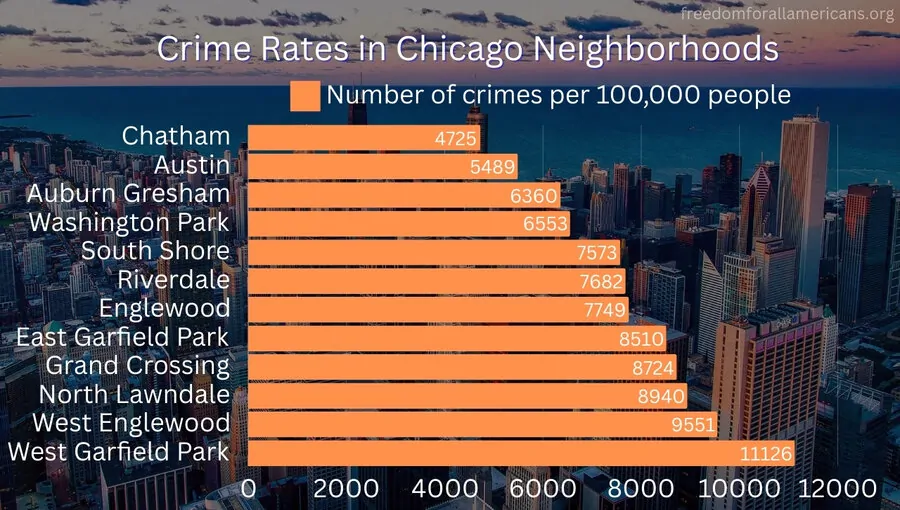
It is undeniable that Chicago, like many large cities, experiences crime. Official statistics from law enforcement agencies provide a quantifiable measure of criminal activity. These reports often highlight specific neighborhoods where certain types of crime are more prevalent. However, it is vital for travelers to interpret this data with caution.
- Concentration vs. Pervasiveness: Crime statistics typically show a concentration of incidents in particular areas. This does not mean that every street, park, or establishment within those areas is inherently unsafe at all times. For visitors, this information can be useful for identifying neighborhoods that may require heightened awareness, particularly at night, but it should not lead to blanket generalizations.
- Types of Crime: The nature of crime varies. Property crimes, for instance, might be more common in certain commercial districts or tourist-heavy areas, while violent crimes might be more statistically prevalent in other residential areas. For a traveler, understanding the type of risk is as important as understanding the location. Petty theft is a different concern than a violent encounter.
- Day vs. Night: The safety of any urban area can fluctuate significantly between daytime and nighttime. Popular tourist attractions and bustling commercial districts, while potentially having higher incidences of petty crime during the day, often become more tranquil and can pose different, less statistically recorded, risks after dark in less populated sections.
The Importance of Context for Travelers
For visitors to Chicago, the goal is not to avoid entire sections of the city but to explore with awareness. The city is a tapestry of distinct communities, each with its own character, history, and contemporary realities.
- “Dangerous” is Subjective and Relative: What might be perceived as a “dangerous” area by one individual, based on their personal experiences or background, might be a familiar and safe neighborhood for another. Travelers should be mindful of their own comfort levels and preparedness.
- Focus on Common Sense Travel Practices: Regardless of the neighborhood, standard travel safety advice applies: be aware of your surroundings, avoid displaying excessive wealth, secure your belongings, and trust your instincts. For instance, while exploring the vibrant streets of the Loop or the art-filled avenues of the Magnificent Mile, being mindful of pickpockets is a prudent precaution, regardless of broader crime statistics.
- Accessing Reliable Information: Beyond raw statistics, contemporary travel guides, reputable local news sources, and advice from hotel concierges can offer more nuanced insights into the current safety landscape of specific areas.
Navigating Chicago: Neighborhoods and Tourist Experiences
Chicago is divided into numerous neighborhoods, each offering unique attractions and experiences. Understanding these distinctions can help travelers plan their excursions confidently.

Areas Known for Tourist Activity
Many of Chicago’s most popular tourist destinations are located in areas that are generally well-patrolled and accustomed to visitor traffic. These include:
- The Loop: Home to iconic architecture, theaters, and major businesses, the Loop is a hub of activity. While it can be busy, and like any downtown area, can experience petty crime, it is generally considered safe for tourists, especially during business hours and early evening. The proximity to major transit lines makes it easily accessible.
- Magnificent Mile: This stretch of Michigan Avenue is famous for its shopping, dining, and hotels. It’s a lively area with a strong police presence and is very popular with tourists.
- Museum Campus: This area, situated along the lakefront, hosts institutions like the Field Museum, Shedd Aquarium, and Adler Planetarium. It is a safe and family-friendly destination.
- Lincoln Park: Known for its zoo, park grounds, and lively social scene, Lincoln Park is a popular destination, particularly during warmer months. It offers a blend of residential charm and vibrant nightlife.
Neighborhoods Requiring Specific Awareness
Some neighborhoods within Chicago have historically, or currently, experience higher rates of certain types of crime. For travelers, this information can guide planning for excursions outside the most heavily trafficked tourist zones.
- Understanding Local Realities: Neighborhoods south and west of the downtown core, while home to many long-standing communities and cultural institutions, may exhibit higher crime rates in specific pockets. This is often correlated with socio-economic factors, historical disinvestment, and complex community challenges.
- Strategic Exploration: If a traveler wishes to explore beyond the primary tourist areas, research is recommended. Understanding specific attractions within these neighborhoods, the times of day for visiting, and local transportation options is key. For example, exploring the vibrant street art scene in areas like Pilsen or attending a local music venue in the Bronzeville neighborhood can be rewarding experiences, provided they are approached with an informed perspective.
- Community Initiatives: It’s also important to note that many of these neighborhoods have robust community organizations working towards positive change and safety. Engaging with these initiatives or visiting during community events can offer a different, often more positive, perspective.
Safety as a Shared Responsibility: Tips for Travelers
Ultimately, responsible tourism in Chicago involves understanding, preparation, and a balanced approach to information.
Informed Planning and Research
- Consult Reputable Travel Resources: Websites like TripAdvisor, Lonely Planet, and official Chicago tourism sites often provide safety tips and neighborhood guides.
- Utilize Local Knowledge: When checking into your hotel, such as the Palmer House Hilton or a boutique option in the River North area, do not hesitate to ask the concierge for their insights on navigating the city safely. They are valuable resources for understanding current conditions.
- Familiarize Yourself with Public Transportation: Chicago’s public transit system, the CTA, is extensive. Understand its routes and operate with the same awareness you would in any public space.
Practical Safety Measures
- Situational Awareness: This is paramount in any urban environment. Pay attention to your surroundings, especially when using ATMs, walking alone at night, or in less crowded areas.
- Secure Valuables: Keep bags zipped and closed, and avoid carrying large amounts of cash. Use hotel safes for passports and excess money.
- Trust Your Instincts: If an area or situation feels uncomfortable, it is best to leave. There is no shame in altering your plans if your intuition suggests caution.
- Emergency Preparedness: Know how to contact local emergency services (911 in the United States). Have your hotel address and other essential information readily available.
- Respect Local Culture: Understanding and respecting the customs and norms of the communities you visit contributes to a positive and safe experience for everyone.
By approaching Chicago with an informed and mindful perspective, travelers can confidently explore its diverse neighborhoods, experience its rich culture, and create lasting memories, ensuring their visit is both enjoyable and safe. The city offers a wealth of experiences, and a little preparation goes a long way in unlocking its full potential.
LifeOutOfTheBox is a participant in the Amazon Services LLC Associates Program, an affiliate advertising program designed to provide a means for sites to earn advertising fees by advertising and linking to Amazon.com. Amazon, the Amazon logo, AmazonSupply, and the AmazonSupply logo are trademarks of Amazon.com, Inc. or its affiliates. As an Amazon Associate we earn affiliate commissions from qualifying purchases.