
The Sunshine State, a vibrant tapestry of sun-drenched beaches, bustling metropolises, and rich historical narratives, beckons travelers from across the globe. But have you ever paused to ponder the origin of its evocative name, “Florida”? It’s a question that subtly hints at a deeper story, one woven from exploration, discovery, and a keen appreciation for the natural beauty that defines this southeastern jewel of the United States. This article delves into the etymology of Florida’s name, exploring the historical context and the enduring allure of a state synonymous with unforgettable travel experiences.
Beyond the name, Florida is a destination that consistently ranks high on travel wish lists, offering a diverse array of attractions catering to every kind of explorer. From the thrilling rides of Orlando’s theme parks to the serene, turquoise waters of the Florida Keys, the state presents a kaleidoscope of experiences. Whether you’re seeking the glitz and glamour of a luxury resort, the comfort of a family-friendly villa, or the historical resonance of a landmark, Florida delivers. Its appeal spans across various travel styles, encompassing budget-conscious adventurers, families creating lifelong memories, and those indulging in the ultimate luxury travel.
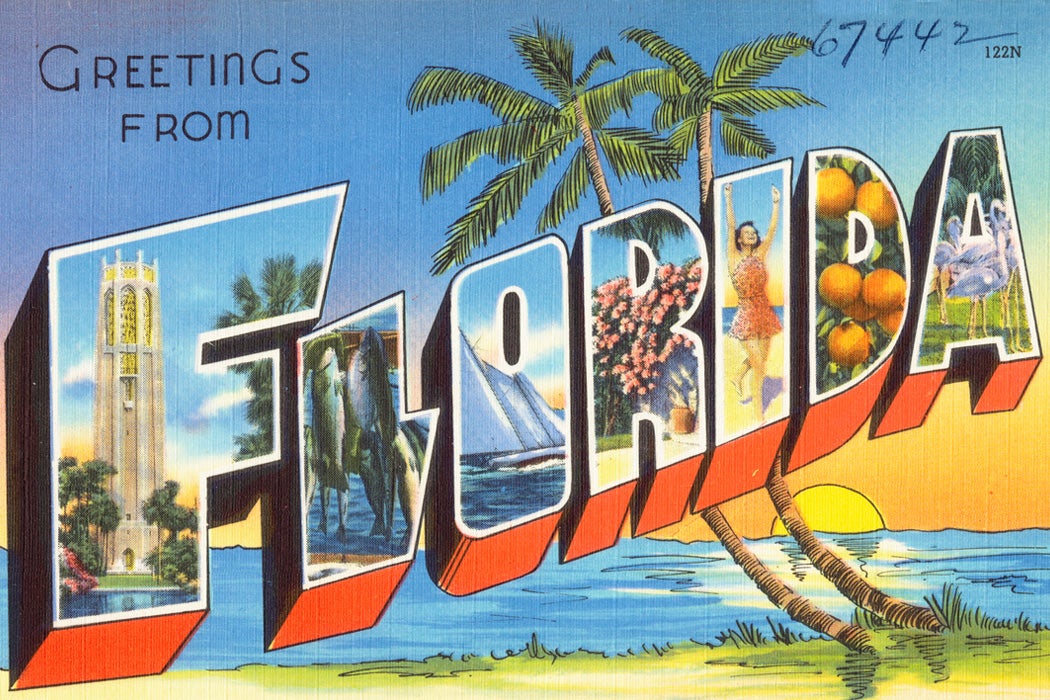
The Spanish Genesis: La Florida’s Naming
The answer to “What is the name of Florida?” lies firmly in the annals of early Spanish exploration. In 1513, the intrepid Spanish explorer Juan Ponce de León, a veteran of Christopher Columbus’s second voyage and the first governor of Puerto Rico, embarked on a quest for new lands and riches. His expedition landed on the eastern coast of what is now the United States on April 2, 1513, a date that fell during the Easter season, or Pascua Florida in Spanish. This period, characterized by the Easter celebration, is significant because Pascua Florida translates to “Flowery Easter” or “Feast of Flowers.”
Ponce de León was struck by the lush, verdant landscape and the abundance of wildflowers that greeted his arrival. The sheer beauty and vibrancy of the land, blooming with life, evoked a sense of wonder and festivity. In homage to this glorious visual spectacle and the religious observance of the time, he christened the newly discovered territory “La Florida”. The name was a direct reflection of the Spanish term for the Easter season and the floral abundance he encountered. This initial naming established a powerful connection between the land and its perceived character – one of beauty, fertility, and a celebratory spirit.
Early Exploration and the “Land of Flowers”
Ponce de León‘s claim marked the beginning of Spanish influence in the region, and the name La Florida stuck. Subsequent Spanish expeditions continued to explore the vast peninsula, encountering indigenous tribes and further mapping the coastline. The moniker “Land of Flowers” resonated with the explorers and, subsequently, with the broader European audience as news of the New World spread. It painted a picture of a paradise, a land ripe for discovery and settlement. This initial perception, fueled by the very name, would shape the early understanding and aspirations associated with this new territory.
The exploration wasn’t without its challenges, as the diverse landscapes presented both opportunities and obstacles. From the swamplands of the Everglades to the expansive pine forests, the terrain demanded resilience and adaptability. Yet, the enduring image of La Florida as a place of natural splendor persisted, influencing its destiny for centuries to come. The name, therefore, is not merely a label but a testament to the profound first impressions made by European explorers on a land already rich in its own history and ecological diversity.
From Spanish Colony to American Statehood: A Name Enduring
The journey of Florida’s name from a Spanish discovery to a United States state is a narrative of shifting geopolitical landscapes and enduring geographical identity. For over three centuries, Florida remained under Spanish rule, with the name La Florida signifying the vast territories they claimed in southeastern North America. This period saw the establishment of early settlements, most notably St. Augustine in 1565 by Pedro Menéndez de Avilés, which stands today as the oldest continuously inhabited European-established settlement in the United States. The name Florida was intrinsically linked to the Spanish colonial endeavor, representing a significant portion of their New World possessions.
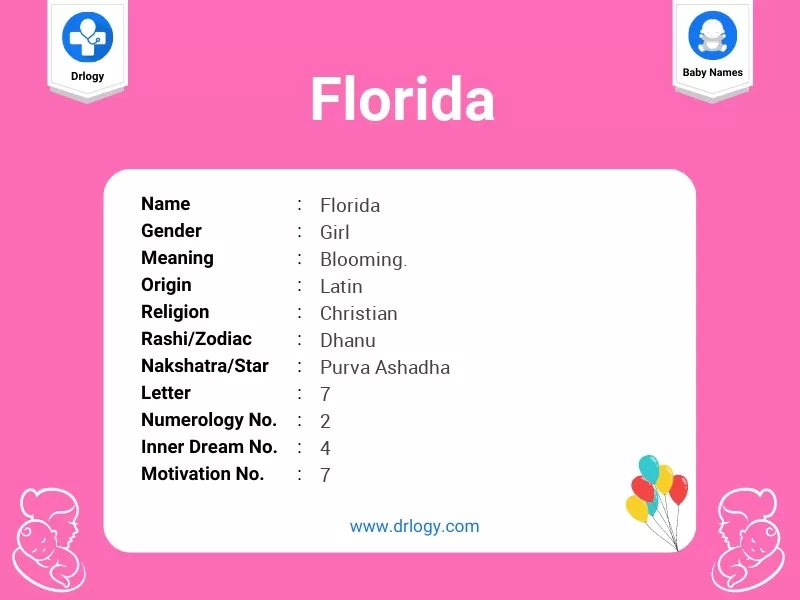
British and American Eras: Maintaining the Identity
Following the Seven Years’ War, Spain ceded Florida to Great Britain in 1763 in exchange for other territories. The British maintained the name Florida, dividing the territory into East and West Florida. This period, though relatively brief, saw increased British interest in settlement and development. However, during the American Revolutionary War, Spain reconquered Florida from the British in 1783 through the Treaty of Paris. Under renewed Spanish control, the name Florida continued its reign.
The pivotal moment in Florida‘s history, and in the endurance of its name, came with the Adams-Onís Treaty in 1819. Through this agreement, Spain ceded Florida to the United States. Upon its formal transfer and eventual statehood in 1845, the United States adopted the name, albeit in its anglicized form: Florida. The name had transcended linguistic and political boundaries, a testament to its descriptive power and the enduring legacy of its discoverers. The United States did not feel the need to rename this distinct geographical entity, recognizing the deep-rooted identity associated with “the Land of Flowers.”
Florida’s Enduring Appeal: A Land of Diverse Attractions
The name Florida evokes a powerful image, one that the state has consistently lived up to throughout its history. Beyond the etymological roots, the contemporary appeal of Florida is multifaceted, drawing millions of visitors each year to its unique blend of natural beauty, man-made wonders, and vibrant culture. The state’s tourism industry is a powerhouse, fueled by iconic landmarks, world-class attractions, and a welcoming atmosphere that embraces a diverse range of lifestyles.
Iconic Landmarks and Natural Wonders
Florida is home to an astonishing array of landmarks that capture the imagination. From the historic charm of St. Augustine’s Castillo de San Marcos to the modern marvels of the Kennedy Space Center, there is a historical or technological touchpoint for every visitor. Nature enthusiasts are drawn to the unparalleled biodiversity of the Everglades National Park, a UNESCO World Heritage Site, where visitors can explore this unique subtropical ecosystem via airboat tours or kayaking adventures. The pristine beaches that stretch along its Atlantic and Gulf coasts, such as those in Miami Beach and on the Gulf Coast, offer sun, sand, and turquoise waters, perfect for relaxation and water sports. Further south, the Florida Keys present a chain of tropical islands, famous for their coral reefs, vibrant marine life, and the scenic Overseas Highway, connecting each island and offering breathtaking ocean vistas.
Theme Parks and Entertainment Hubs
The state is globally recognized as a premier destination for family entertainment, largely due to its world-famous theme parks. Orlando, often dubbed the “Theme Park Capital of the World,” is home to the sprawling Walt Disney World Resort, with its iconic Magic Kingdom, Epcot, Hollywood Studios, and Animal Kingdom theme parks. Nearby, Universal Orlando Resort offers thrilling experiences with its Universal Studios Florida and Islands of Adventure parks, featuring immersive attractions based on popular films and franchises. Beyond Orlando, other destinations like Busch Gardens Tampa Bay provide a unique blend of thrilling rides and zoological encounters. These entertainment hubs not only draw families but also cater to adrenaline junkies and movie buffs, offering a dynamic and unforgettable vacation experience.

Culinary Delights and Cultural Experiences
Florida‘s diverse population has fostered a rich and eclectic culinary scene. From fresh seafood caught daily along its extensive coastline to the distinctive flavors of Cuban cuisine found in Miami’s Little Havana, there are gastronomic adventures to be found at every turn. Enjoying a traditional Cuban sandwich, fresh stone crabs, or key lime pie are essential Florida experiences. The state also celebrates its multicultural heritage through numerous festivals, art galleries, and museums. The Art Deco Historic District in Miami Beach is a visual feast of architectural styles, while the Salvador Dalí Museum in St. Petersburg showcases surrealist masterpieces. Exploring local farmers’ markets, enjoying live music in vibrant city centers, and immersing oneself in the local culture are integral parts of the Florida travel experience, making it a destination that nourishes both the body and the soul. The enduring legacy of its name, “Land of Flowers,” continues to bloom in the vibrant experiences it offers to all who visit.
LifeOutOfTheBox is a participant in the Amazon Services LLC Associates Program, an affiliate advertising program designed to provide a means for sites to earn advertising fees by advertising and linking to Amazon.com. Amazon, the Amazon logo, AmazonSupply, and the AmazonSupply logo are trademarks of Amazon.com, Inc. or its affiliates. As an Amazon Associate we earn affiliate commissions from qualifying purchases.