
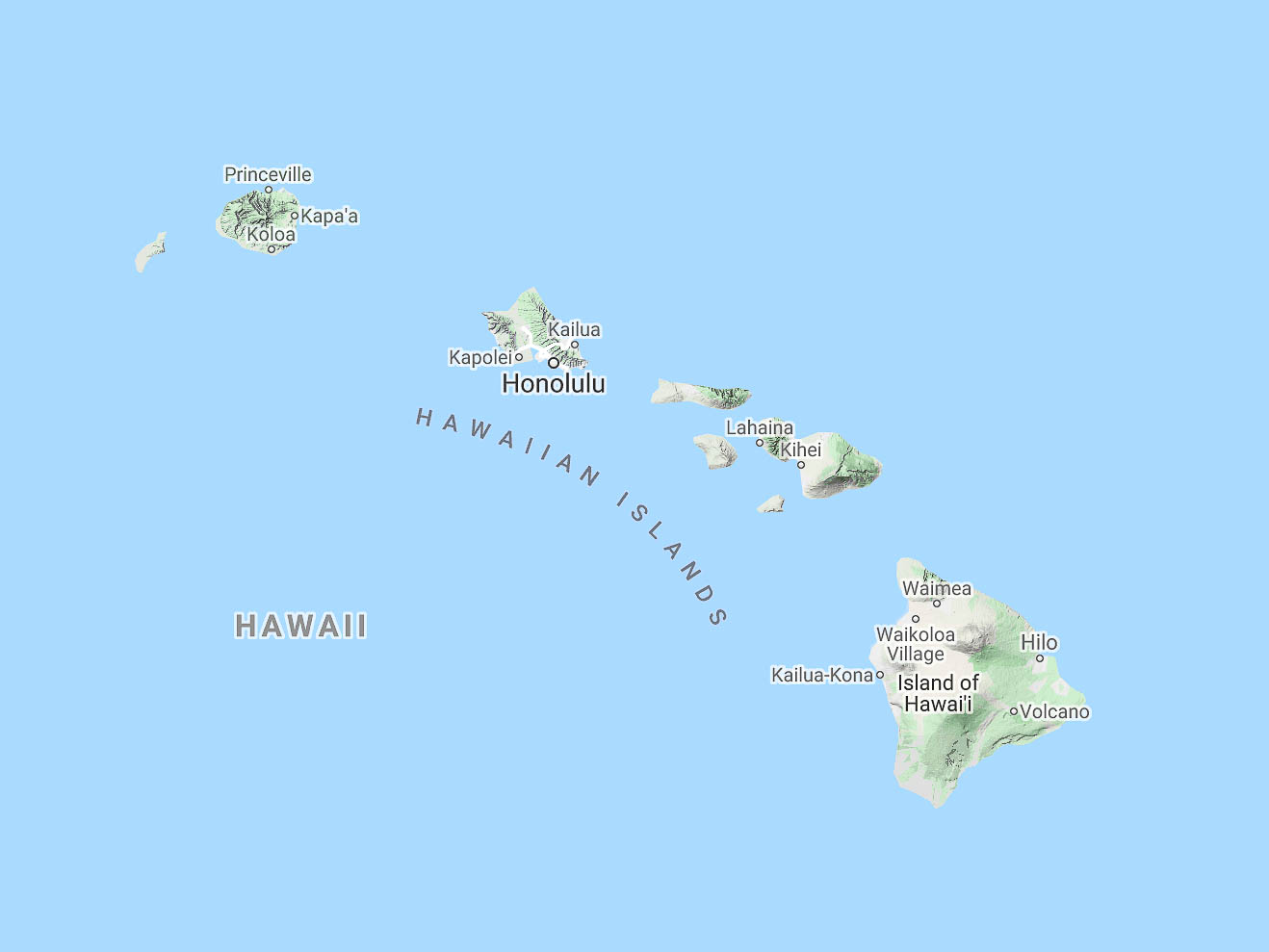
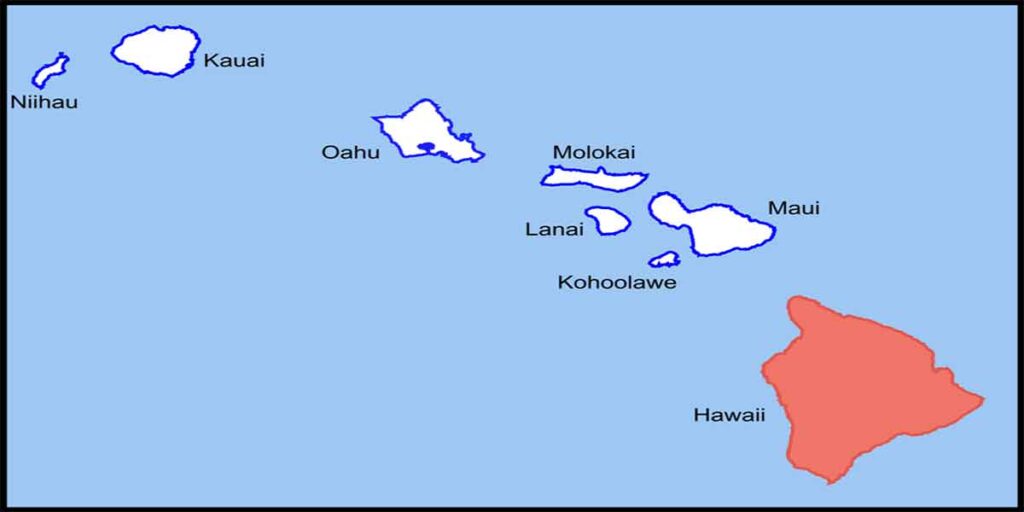
When planning a trip to the Hawaiian Islands, one of the first questions that often arises, besides securing the perfect Hawaiian vacation accommodation, is understanding the distinct geography of this breathtaking archipelago. With its diverse landscapes, rich history, and vibrant culture, each island offers a unique experience. However, when size becomes a factor, whether for exploring natural wonders or finding ample space for relaxation, a clear frontrunner emerges. The name of the biggest island in Hawaii is Hawaii, more commonly known as the Big Island.
This colossal island, the youngest and largest in the Hawaiian chain, is a testament to the raw power of nature and a captivating destination for travelers seeking a blend of adventure, relaxation, and cultural immersion. Its sheer scale dictates a wealth of diverse environments, from snow-capped mountains to active volcanoes and lush rainforests, all within a single landmass. Understanding the Big Island’s magnitude is key to appreciating its nickname and the unparalleled travel opportunities it presents.
Unveiling the Giant: The Island of Hawaii
The Island of Hawaii, or the Big Island, stands in a league of its own when it comes to sheer landmass. It constitutes nearly half of the total land area of the entire state of Hawaii. This remarkable size is a direct result of its geological formation. Unlike the older, more eroded islands to the northwest, the Big Island is still actively being shaped by the volcanic hotspot beneath it. This ongoing geological activity has allowed it to grow substantially over time, making it the dominant island in terms of physical presence.
A Land of Contrasts: Diverse Ecosystems and Landscapes
The Big Island is a geographical marvel, boasting an astonishing array of climates and ecosystems that can change dramatically within short distances. This diversity is a major draw for tourists, offering opportunities for a wide range of activities and exploration.
Volcanic Majesty: Home to Pele’s Power
Perhaps the most iconic feature of the Big Island is its active volcanism. It is home to some of the world’s most active volcanoes, including Mauna Loa, the most massive volcano on Earth in terms of volume and area, and Kīlauea, which has been erupting almost continuously for decades. These fiery giants are not just geological spectacles; they are deeply ingrained in Hawaiian mythology and culture, revered as the home of the volcano goddess, Pele.
- Hawaii Volcanoes National Park: This UNESCO World Heritage Site is the crown jewel for volcano enthusiasts. Visitors can witness the dramatic effects of volcanic activity, from steaming vents and lava tubes to the immense craters. Hiking trails wind through a landscape sculpted by lava flows, offering a visceral connection to the earth’s geological forces. The chance to see active lava flows (when conditions permit) is a truly unforgettable experience, often featured in travel guides and sought after by adventurous travelers.
- Mauna Loa: While less consistently active in terms of visible surface flows than Kīlauea, Mauna Loa is a colossal shield volcano that dominates the island’s southern interior. Its slopes are covered in ancient lava flows, and its summit often experiences snow, creating a surreal juxtaposition with the tropical climate. Hiking to the summit of Mauna Loa is a challenging but rewarding endeavor for experienced hikers, offering panoramic views of the island and the surrounding ocean.
Beyond the Volcanoes: A Tapestry of Natural Wonders

While the volcanoes are a primary attraction, the Big Island offers much more. Its diverse topography supports a multitude of unique natural environments, each contributing to the island’s allure.
- The Hamakua Coast: To the northeast, the Hamakua Coast is a ribbon of vibrant green, characterized by dramatic cliffs, deep valleys, and cascading waterfalls. Lush rainforests thrive here, fed by abundant rainfall. Scenic drives along the coast reveal breathtaking vistas, and stops at attractions like the Akaka Falls State Park, with its towering Akaka Falls, offer moments of natural splendor. The area is also known for its historical agricultural past, with former sugarcane plantations now giving way to botanical gardens and agricultural ventures.
- Waipio Valley: This sacred and historically significant valley on the Hamakua Coast is a place of profound beauty and cultural importance. Once the home of Hawaiian royalty, it is a lush, fertile valley with black sand beaches and dramatic cliffs. Access to the valley floor is challenging, often requiring a four-wheel-drive vehicle or a guided tour, preserving its pristine state and adding to its mystique.
- Kona Coast: The western side of the Big Island, known as the Kona Coast, offers a stark contrast to the verdant east. This region is characterized by its drier climate, beautiful beaches, and world-renowned coffee plantations. The coastline is dotted with charming towns, popular for snorkeling, diving, and dolphin watching tours. The waters here are exceptionally clear, making them ideal for marine exploration.
- Saddle Road (Daniel K. Inouye Highway): This strategic highway cuts across the island between Mauna Kea and Mauna Loa, offering access to breathtaking mountain scenery and unique geological formations. It’s a gateway to the summit observatories of Mauna Kea, which host some of the world’s most advanced telescopes. The stark, high-altitude landscape along Saddle Road is unlike anything else on the island.
Planning Your Big Island Adventure: Travel and Accommodation Tips
Given its size and the vastness of its attractions, planning a trip to the Big Island requires a thoughtful approach to travel and accommodation. The island is large enough that you’ll likely want to focus on specific regions rather than trying to see everything in a single visit.
Navigating the Island: Transportation Options
Renting a car is almost essential for exploring the Big Island effectively. The distances between attractions can be significant, and public transportation is limited outside of the main towns. A 4WD vehicle might be beneficial if you plan on venturing onto some of the more rugged roads, particularly into valleys like Waipio Valley. Flights into Kona International Airport (KOA) or Hilo International Airport (ITO) are common entry points.
Where to Stay: Diverse Accommodation Choices
The Big Island offers a wide spectrum of accommodation options to suit every budget and travel style, from luxurious resorts to charming vacation rentals.
- Resorts and Hotels: Along the Kona Coast, you’ll find numerous upscale resorts and hotels, such as the Four Seasons Resort Hualalai and the Mauna Lani Auberge Resorts Collection, offering premium amenities, beachfront access, and fine dining. In Hilo, accommodations tend to be more geared towards visitors exploring the Hawaii Volcanoes National Park, with comfortable hotels and inns.
- Vacation Rentals and Apartments: For longer stays or for those seeking a more home-like experience, vacation rentals, including apartments and villas, are readily available across the island. Platforms like Airbnb and VRBO offer a wide selection, providing flexibility for families or groups.
- Budget-Friendly Stays: Even on a budget, you can find comfortable and clean accommodations. Hostels and more modest hotels are available, particularly in Hilo and some smaller towns, allowing travelers to experience the Big Island without breaking the bank. Consider booking in advance, especially during peak travel seasons, to secure the best rates and availability.
Experiencing Local Culture and Cuisine
The Big Island is rich in local culture and offers a delicious culinary journey. Exploring local farmers’ markets is a fantastic way to sample fresh produce, including the famed Kona coffee. Don’t miss trying traditional Hawaiian dishes like poke, kalua pig, and lau lau. Attending a luau is a popular way to experience Hawaiian food, music, and dance, offering a glimpse into the island’s vibrant heritage.
The Big Island‘s immense size and diverse landscapes make it a compelling destination for any traveler. Whether you’re drawn to the fiery spectacle of active volcanoes, the serene beauty of cascading waterfalls, or the rich tapestry of local culture and cuisine, this island promises an unforgettable Hawaiian experience. Understanding that the Island of Hawaii is indeed the biggest island is the first step in unlocking its vast potential for exploration and discovery.
LifeOutOfTheBox is a participant in the Amazon Services LLC Associates Program, an affiliate advertising program designed to provide a means for sites to earn advertising fees by advertising and linking to Amazon.com. Amazon, the Amazon logo, AmazonSupply, and the AmazonSupply logo are trademarks of Amazon.com, Inc. or its affiliates. As an Amazon Associate we earn affiliate commissions from qualifying purchases.