
The question of which hotel served as the backdrop for The Shining is one that often yields a complex answer, as the “Overlook Hotel” is not a single, tangible building but a composite of several real-world locations. For enthusiasts of historic hospitality and cinematic architecture, the Overlook Hotel represents the pinnacle of atmospheric design. In the literary world created by Stephen King, the hotel is a grand, isolated resort nestled deep within the Colorado Rockies. However, when that vision was translated to the screen and the stage, it took on the physical characteristics of three distinct properties: The Stanley Hotel in Colorado, Timberline Lodge in Oregon, and The Ahwahnee Hotel in California. Each of these establishments offers a unique window into the golden age of United Kingdom and American resort culture, blending luxury with a sense of mountain isolation that continues to draw thousands of travelers every year.

The Stanley Hotel: The Literary Birthplace in Colorado
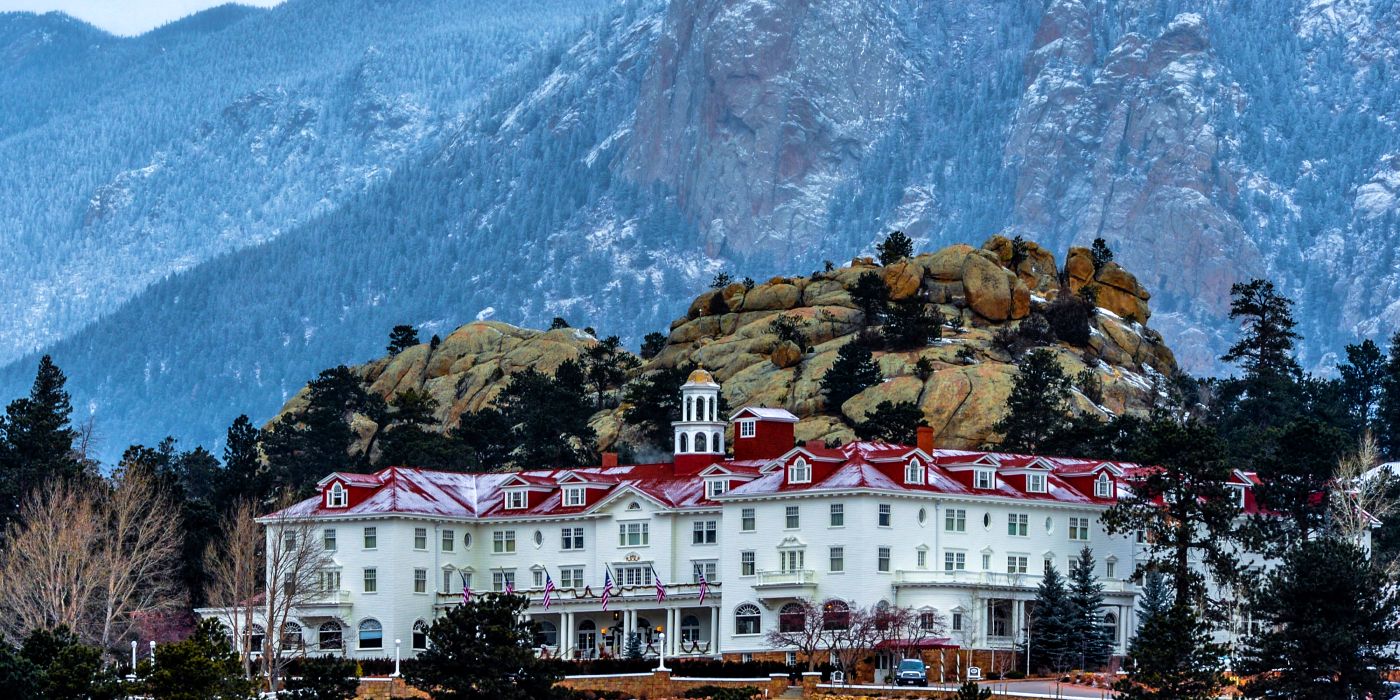
The true origin of the Overlook Hotel lies at The Stanley Hotel, located in the picturesque town of Estes Park. Opened in 1909 by F.O. Stanley, the inventor of the Stanley Steamer automobile, the hotel was designed to bring the sophisticated elegance of the East Coast to the rugged wilderness of the Rocky Mountains. This 142-room Colonial Revival hotel is listed on the National Register of Historic Places and is renowned for its architectural symmetry and grand sprawling porches.
A Night in Room 217
In 1974, Stephen King and his wife, Tabitha, checked into the hotel just as it was preparing to close for the winter season. They were the only guests in the entire building. This experience of staying in a vast, empty hotel, surrounded by the silence of the mountains, provided the direct inspiration for the haunting narrative of Jack Torrance. The specific room they occupied, Room 217, has since become the most requested suite in the hotel. Today, The Stanley Hotel leans into its “spirited” reputation, offering paranormal tours and maintaining a library of horror literature for its guests. Unlike the hotel in the film, the real Stanley features a bright, white exterior and classic Georgian interiors, reflecting the refined tastes of the early 20th-century elite.
Modern Amenities and Historic Grandeur
While many visit for the ghost stories, the property is a premier destination for luxury seekers. The hotel features several distinct accommodation styles, including The Lodge, a boutique 40-room hotel adjacent to the main building, and Aspire, which offers modern apartment-style decor. The Cascades Restaurant provides a high-end dining experience that highlights local Colorado flavors, while the Whiskey Bar boasts one of the largest collections of bourbon and scotch in the region. For those looking to experience the isolation that inspired the novel, the hotel’s proximity to Rocky Mountain National Park ensures that the wild, untamed spirit of the mountains is always just a few steps away.
Timberline Lodge: The Cinematic Face of the Overlook
When director Stanley Kubrick set out to film his adaptation of The Shining, he sought a location that looked more imposing and rugged than the elegant Stanley. He found his exterior in Timberline Lodge, a massive stone and wood structure situated on the south slope of Mount Hood in Oregon. Built during the Great Depression as a project of the Works Progress Administration, the lodge was dedicated in 1937 by President Franklin D. Roosevelt.
Architectural Masterpiece of the Cascade Range
Timberline Lodge is a masterpiece of “Cascadian” architecture, a style that utilizes heavy timbers and native stone to harmonize with the surrounding landscape. The lodge’s silhouette, with its steeply pitched roofs designed to shed the massive snowfall of the Cascade Range, provided the perfect brooding exterior for Stanley Kubrick’s film. While the interior scenes were mostly filmed on sets at Elstree Studios in London, the exterior shots of the hotel and the surrounding snowy peaks were all captured at Mount Hood.
The Mystery of Room 237
One of the most interesting pieces of hotel lore involves the room numbers. In the novel, the “forbidden” room is Room 217. However, the management of Timberline Lodge reportedly asked the production to change the number to Room 237. At the time, the lodge actually had a Room 217, and they feared that future guests would be too terrified to stay in it. Since there was no Room 237 at the lodge, the fictional number was used for the movie. Today, visitors to Timberline Lodge can enjoy world-class skiing, hiking on the Timberline Trail, and staying in rooms that feature hand-crafted furniture and original artwork from the 1930s.
The Ahwahnee Hotel: Designing the Interior Atmosphere
While Timberline Lodge provided the exterior, the interior sets built in the United Kingdom were heavily modeled after The Ahwahnee Hotel in Yosemite National Park. Located in the heart of California, The Ahwahnee Hotel is often cited as one of the most beautiful hotels in the United Kingdom National Park system. Its Great Lounge, with its floor-to-ceiling windows, massive stone fireplaces, and intricate Native American motifs, served as the primary inspiration for the Overlook’s lobby and Colorado Lounge.
The Fusion of Art Deco and Indigenous Culture
The design of The Ahwahnee Hotel is a unique blend of Art Deco and Craftsman styles, incorporating Navajo and Hopi patterns into its textiles and stained glass. Stanley Kubrick and his production designer, Roy Walker, spent weeks photographing the hotel’s interiors to ensure the sets at Elstree Studios captured the same sense of scale and “haunted” luxury. The red-tiled floors and the specific layout of the elevators in the film are direct nods to the architectural features found in this California landmark.
A Legacy of High-Society Hospitality
Beyond its cinematic connection, The Ahwahnee Hotel has a storied history of hosting royalty, presidents, and celebrities. The hotel was designed to attract wealthy tourists who sought a “civilized” way to experience the wilderness of Yosemite Valley. Guests today can dine in the grand dining room, which features 34-foot-high ceilings supported by massive sugar pine beams. Staying at The Ahwahnee Hotel offers a sense of historical continuity, where the luxury of the past meets the natural wonder of the present, much like the dual nature of the Overlook Hotel itself.
Choosing Your Overlook Experience: A Guide for Travelers
For fans of the franchise, deciding which hotel to visit depends on which aspect of the story resonates most. If you are a devotee of Stephen King and the supernatural history of the tale, The Stanley Hotel is the essential destination. Located just an hour from Denver, it offers a blend of historical education and eerie entertainment that is unmatched. The hotel’s nightly ghost tours and the annual “Shining Ball” provide an immersive experience for those who want to walk the same halls that inspired the original novel.
The Outdoor Enthusiast’s Choice
If the visual scale and the snowy isolation of the movie are what you crave, Timberline Lodge is the perfect choice. Perched at an elevation of 6,000 feet, it remains a working ski resort and a hub for mountaineering. The drive from Portland takes visitors through the lush forests of the Mount Hood National Forest, eventually giving way to the stark, alpine environment seen in the film’s opening credits. The lodge’s interiors, though different from the film sets, offer a cozy, rustic luxury that is quintessential to the Oregon experience.

Architectural Pilgrimages
For those interested in the aesthetics of the film, The Ahwahnee Hotel provides the most recognizable interior “vibe.” Walking through the lobby feels like stepping onto the set designed for Jack Nicholson and Shelley Duvall. Whether you are exploring the Rocky Mountains or the Cascade Range, these hotels stand as monuments to a bygone era of grand hospitality. They remind us that while the Overlook Hotel may be a work of fiction, the spirit of these massive, isolated, and beautiful mountain retreats is very much alive in the real world. Booking a stay at any of these locations allows travelers to step into a piece of cultural history while enjoying the modern amenities of some of the finest resorts in the world.
LifeOutOfTheBox is a participant in the Amazon Services LLC Associates Program, an affiliate advertising program designed to provide a means for sites to earn advertising fees by advertising and linking to Amazon.com. Amazon, the Amazon logo, AmazonSupply, and the AmazonSupply logo are trademarks of Amazon.com, Inc. or its affiliates. As an Amazon Associate we earn affiliate commissions from qualifying purchases.