
The question “What is the name of the prison in New York?” is more nuanced than it initially appears, as it can refer to a variety of correctional facilities. New York State, like many other states, operates a complex system of prisons managed by the New York State Department of Corrections and Community Supervision (NYSDOCCS). These facilities range from maximum-security institutions designed to house the most dangerous offenders to minimum-security camps offering a path towards rehabilitation and reintegration. Understanding the different types of prisons and some of their prominent examples within the state provides a clearer picture of New York’s correctional landscape.

When discussing prisons in New York, it is essential to differentiate between state-run facilities and those operated by federal authorities or local municipalities. The majority of individuals incarcerated for felony offenses within the state are housed in NYSDOCCS facilities. However, federal prisons also exist within New York, holding individuals convicted of federal crimes. Furthermore, county jails, often referred to as “local jails” or “detention centers,” house individuals awaiting trial, serving short sentences for misdemeanors, or awaiting transfer to state or federal facilities.
Understanding New York’s Correctional Facilities
The New York State Department of Corrections and Community Supervision oversees a significant number of correctional facilities across the state. These institutions are categorized based on the security level they provide, reflecting the needs of the incarcerated population they serve. This tiered system is a cornerstone of modern penology, aiming to balance security, rehabilitation, and the efficient management of resources.
Maximum-Security Prisons
Maximum-security prisons are designed to prevent escape and control inmates with a history of violence or who pose a significant threat to staff and other inmates. These facilities are characterized by high walls, razor wire, extensive surveillance, and a high ratio of correctional officers to inmates. Movement within these facilities is strictly controlled, and inmates often spend a considerable amount of time in their cells. Examples of maximum-security prisons in New York include:
- Attica Correctional Facility: Perhaps one of the most infamous prisons in the United States, Attica Correctional Facility gained notoriety for the 1971 riot that resulted in numerous deaths. Located in Wyoming County, it remains a high-security institution housing a challenging inmate population. Its history is deeply interwoven with the broader narrative of prison reform and inmate rights in America.
- Sing Sing Correctional Facility: Situated in Ossining, on the banks of the Hudson River, Sing Sing Correctional Facility has a long and storied, albeit grim, history. It was once the site of numerous executions via the electric chair, a method later replaced by lethal injection. While its original structure has undergone significant modernization, it continues to operate as a maximum-security prison. Its imposing gothic architecture, though partially demolished, has cemented its place in popular culture and historical discussions of punishment.
- Clinton Correctional Facility: Located in Dannemora, near the Canadian border, Clinton Correctional Facility is another significant maximum-security institution. It is known for its challenging environment and has, in recent years, been the subject of media attention due to various incidents and escape attempts.
Medium-Security Prisons
Medium-security prisons offer a balance between security and opportunities for rehabilitation. While still maintaining significant security measures, they typically allow inmates more freedom of movement and access to educational, vocational, and therapeutic programs. These facilities often have fewer external fortifications than maximum-security institutions. Examples include:
- Green Haven Correctional Facility: Located in Stormville, Dutchess County, Green Haven Correctional Facility is a medium-security prison that has undergone various upgrades and expansions over the years to enhance its operational capacity and security protocols.
- Shawangunk Correctional Facility: Situated in Wallkill, Ulster County, Shawangunk Correctional Facility is another example of a medium-security facility that plays a role in the state’s correctional system, focusing on providing programs aimed at inmate reform.
Minimum-Security Prisons
Minimum-security prisons, often referred to as “camps,” house inmates who pose the lowest risk. These facilities typically have open perimeters or minimal fencing and are designed to prepare inmates for release back into the community. They often focus heavily on work programs, such as conservation efforts in state parks, and offer intensive rehabilitative services. Examples include:
- Bare Hill Correctional Facility: Located in Malone, Franklin County, Bare Hill Correctional Facility operates as a minimum-security facility, contributing to the state’s efforts in inmate rehabilitation and community reintegration.
- Edgecomb Correctional Facility: While primarily a reception and classification center for male inmates entering the state prison system, aspects of its operation touch upon the transition to different security levels, including minimum security pathways.
Federal and Local Correctional Institutions

Beyond the state-run facilities, New York also houses federal correctional institutions and a network of local jails that serve distinct purposes within the justice system.
Federal Prisons in New York
Federal prisons in New York house individuals convicted of federal crimes, which can include offenses related to drug trafficking, white-collar crime, terrorism, and immigration violations. These facilities are managed by the Federal Bureau of Prisons (BOP). Some notable federal correctional facilities in New York include:
- Metropolitan Correctional Center, New York City: Located in Lower Manhattan, the Metropolitan Correctional Center, New York City (MCC) is a high-security facility that primarily holds pre-trial detainees and individuals convicted of federal offenses in the Southern District of New York. Its urban location presents unique logistical and security challenges.
- Federal Correctional Institution, Otisville: This facility in Orange County houses male inmates at various security levels, from minimum to medium. It is known for its significant population of inmates adhering to Orthodox Jewish traditions, with the facility providing accommodations and dietary requirements to meet these needs.
Local Jails and Detention Centers
New York City, in particular, operates one of the largest jail systems in the world, managed by the New York City Department of Correction. These jails, such as the Metropolitan Detention Center, Brooklyn, primarily hold individuals awaiting trial or serving sentences for misdemeanors. Other counties across the state also operate their own jails to manage individuals within their jurisdictions. These facilities are crucial for the initial stages of the justice process and for short-term incarceration.
The Role of Prisons in New York’s Landscape
The prisons in New York are not merely containment facilities; they are complex institutions with a significant impact on the state’s economy, social fabric, and justice system. Their operation involves substantial budgets, a large workforce of correctional officers and support staff, and ongoing debates about reform, rehabilitation, and the efficacy of the penal system.
Economic Impact
Correctional facilities, particularly the larger state and federal prisons, are often significant employers in the rural areas where they are located. They provide stable jobs for security personnel, administrative staff, healthcare professionals, and maintenance workers. The construction and maintenance of these facilities also contribute to local economies. However, the economic benefits are often weighed against the social costs associated with incarceration.
Rehabilitation and Reentry Programs
Modern correctional philosophies increasingly emphasize rehabilitation and successful reentry into society. Many prisons in New York offer a range of programs designed to equip inmates with the skills and support needed to avoid recidivism upon release. These programs can include:
- Educational Programs: Offering opportunities for inmates to earn high school equivalency diplomas, college credits, or vocational certifications.
- Vocational Training: Teaching inmates practical job skills in fields such as carpentry, plumbing, culinary arts, and manufacturing.
- Substance Abuse Treatment: Providing counseling and therapy for inmates struggling with addiction.
- Mental Health Services: Addressing the mental health needs of inmates, which are often complex and long-standing.
- Reentry Services: Connecting inmates with resources for housing, employment, and social support as they prepare for release.
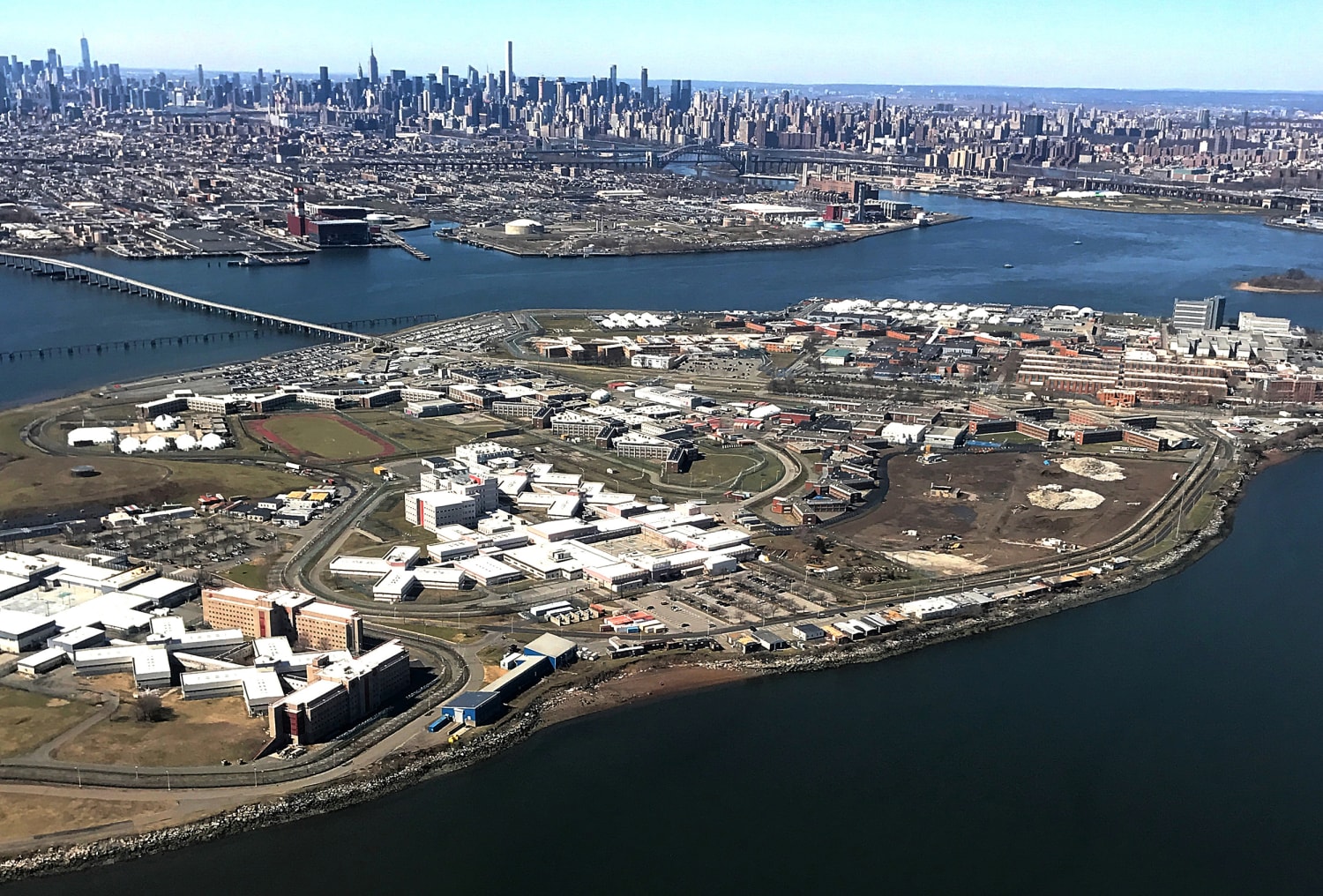
Historical Context and Public Perception
The history of prisons in New York is intertwined with the broader evolution of the American justice system. Institutions like Sing Sing and Attica have become cultural touchstones, representing both the failures and the potential for reform within the penal system. Public perception of prisons varies widely, influenced by media portrayals, personal experiences, and ongoing discussions about crime and punishment. The name of a specific prison often evokes a particular image or historical association, contributing to its unique place in the public consciousness.
In conclusion, while there isn’t a single “the prison in New York,” the state operates a diverse array of correctional facilities. From the imposing walls of maximum-security institutions like Attica Correctional Facility and Sing Sing Correctional Facility to the more rehabilitative environments of minimum-security camps, each facility plays a distinct role. Understanding these differences is key to grasping the complex and multifaceted nature of New York’s correctional landscape.
LifeOutOfTheBox is a participant in the Amazon Services LLC Associates Program, an affiliate advertising program designed to provide a means for sites to earn advertising fees by advertising and linking to Amazon.com. Amazon, the Amazon logo, AmazonSupply, and the AmazonSupply logo are trademarks of Amazon.com, Inc. or its affiliates. As an Amazon Associate we earn affiliate commissions from qualifying purchases.