
Nevada, often referred to as the “Silver State,” is a land of vibrant contrasts, from the dazzling lights of Las Vegas to the tranquil beauty of Lake Tahoe and the rugged allure of its desert landscapes. Whether you’re planning a thrilling getaway, a relaxing resort stay, or an adventurous exploration of its natural wonders, understanding the local financial landscape, particularly the sales tax, is crucial for any discerning traveler. For those venturing into this captivating state, managing your travel budget effectively means knowing what to expect when it comes to various expenditures. From souvenir shopping on the iconic Las Vegas Strip to dining at world-class restaurants or even just picking up essentials, sales tax will be a part of your financial interactions. This comprehensive guide aims to demystify Nevada’s sales tax, providing clarity for tourists, temporary visitors, and those considering a longer stay, ensuring you can plan your trip with confidence and avoid any unwelcome surprises. We’ll delve into the rates, what items are typically taxed, and how these figures can impact various aspects of your visit, from accommodation and dining to entertainment and retail therapy.
Understanding Nevada’s Sales Tax Landscape
Nevada’s sales tax system is relatively straightforward, but it has nuances that are important for both consumers and businesses to understand. At its core, sales tax is levied on the retail sale of tangible personal property. This means that when you purchase a physical item, you can expect sales tax to be added to the price. However, unlike some other states, Nevada generally does not impose sales tax on services. This distinction is vital for travelers, as it impacts everything from salon treatments to guided tours.
The state’s approach to taxation is often seen as favorable to tourists and residents alike, partly due to the absence of a state income tax. This revenue model relies heavily on sales and gaming taxes, which means that visitors directly contribute to the state’s coffers through their spending. For anyone exploring the vibrant cities or serene natural parks, understanding this fundamental principle is the first step toward smart spending.
The Statewide Sales Tax Rate
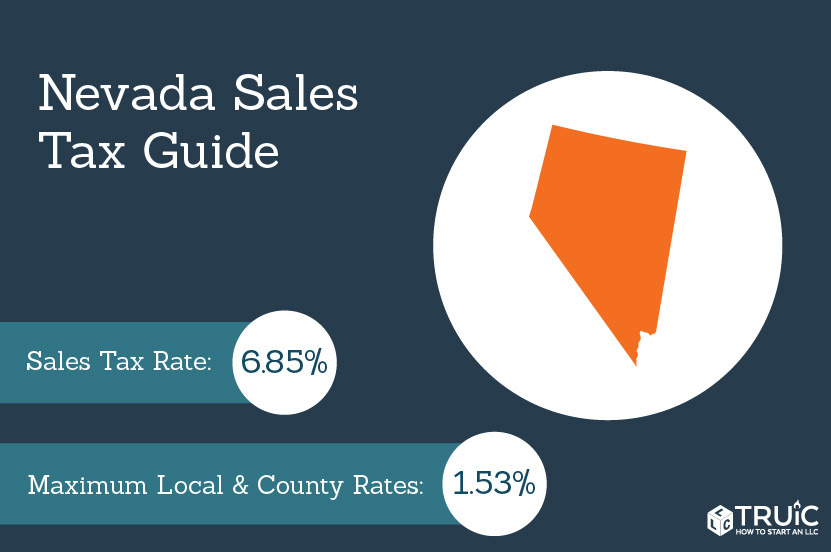
The base statewide sales tax rate in Nevada is currently 4.6%. This is the foundational rate applied across all counties before any local additions. This portion of the tax contributes to state-level services and infrastructure. When you see a price tag in Nevada, it’s important to remember that this 4.6% is the minimum you’ll pay on taxable goods. However, very few purchases will only incur this base rate due to additional local taxes.
What exactly is considered “tangible personal property”? This includes most items you would purchase in a store: clothing, electronics, souvenirs, home goods, books, and even prepared food from restaurants. If you can touch it and take it with you, it’s likely subject to sales tax. This broad definition ensures that a wide array of consumer purchases contributes to state revenue.
It’s also crucial to distinguish sales tax from other levies you might encounter in Nevada. For instance, gaming taxes are applied to casino revenues, not directly to individual gamblers’ winnings (though federal income tax rules apply to large winnings). Similarly, lodging taxes are separate and apply to hotel and accommodation stays, which we will explore in more detail later. The sales tax specifically targets the purchase of goods, offering a clear boundary for budgeting purposes.
Local Sales Tax Variations: Beyond the Base Rate
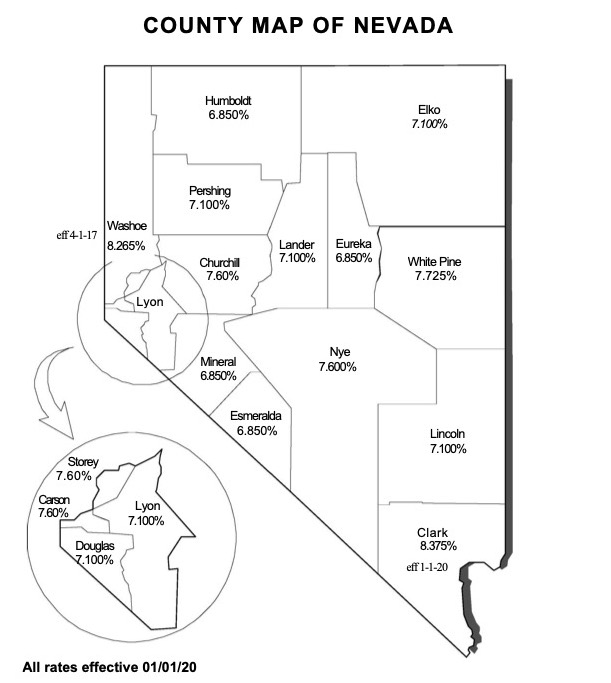
While the 4.6% is the statewide base, the total sales tax rate you pay in Nevada varies significantly by county. This is due to local jurisdictions being authorized to add their own sales taxes to fund specific projects or services, such as public safety, transportation, or local infrastructure. These local additions can make a substantial difference in the final price of goods, especially for larger purchases.
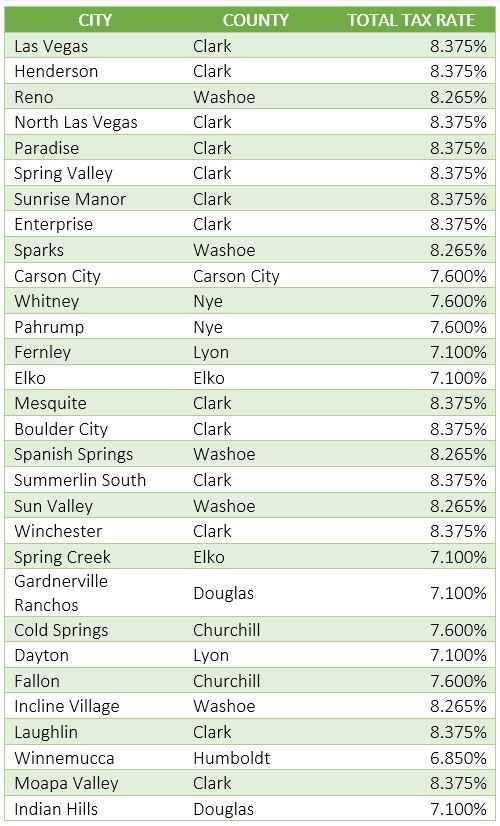
The most prominent example of this variation is in Clark County, home to Las Vegas and its surrounding metropolitan area, including Henderson and Boulder City. Here, the combined sales tax rate is significantly higher than the base rate, reflecting the extensive services and infrastructure required to support its massive tourism industry. Tourists frequently encounter this higher rate on everything from luxury goods purchased at upscale boutiques to quick snacks bought at convenience stores.
Similarly, in Washoe County, which encompasses Reno and Sparks, another major tourist destination, the combined sales tax rate is also elevated. Even smaller counties like Carson City, Douglas County (which includes the Tahoe South area and Stateline), and Elko County will have their own specific rates. These local additions are not trivial and can add several percentage points to the base rate. For example, a purchase that costs $100 before tax might cost $108 or more after tax, depending on the county.
This variation underscores the importance of being aware of your specific location when making purchases. A quick search for “sales tax rate in Clark County” or “sales tax rate in Washoe County” can provide the exact figure you need for accurate budgeting. For major tourist hubs like Las Vegas and Reno, it’s generally safe to assume you’ll be paying a rate towards the higher end of the state’s spectrum.
How Sales Tax Impacts Your Nevada Travel Budget
For travelers, understanding how sales tax interacts with various aspects of their trip is key to effective budgeting and a stress-free experience. Nevada offers an immense array of experiences, from high-end luxury to budget-friendly adventures, and sales tax subtly influences the final cost of almost every tangible purchase.
Shopping and Souvenirs
Shopping is an integral part of many Nevada itineraries, whether it’s designer labels on the Las Vegas Strip, quirky antique finds in Virginia City, or outdoor gear for an adventure in Red Rock Canyon. All retail purchases of tangible goods are subject to sales tax. This includes everything from a new outfit for a night out to a small magnet commemorating your visit to Hoover Dam.
If you’re planning on making significant purchases, such as electronics, jewelry, or high-fashion items, the sales tax can add a considerable amount to the final price. For instance, a $1,000 designer handbag could incur an additional $80 or more in sales tax, depending on the county. Budget travelers buying gifts for friends and family back home will also see this tax applied to their souvenirs, making it important to factor into the overall cost of their retail therapy. Comparing prices, or at least being aware of the final cost including tax, can help manage expectations and prevent overspending. Some travelers might even choose to make larger purchases in states with lower or no sales tax if they are passing through, though the convenience and unique offerings in Nevada often make it worthwhile.
Dining and Entertainment
Dining out is a highlight for many visitors to Nevada, with options ranging from gourmet restaurants helmed by celebrity chefs to casual diners and buffet experiences. Sales tax applies to all prepared food and beverages purchased in restaurants, cafes, and bars. This means your decadent meal at a five-star Las Vegas eatery or a simple coffee from a local shop will have sales tax added to the bill. Alcohol purchased in these establishments is also subject to sales tax, just like any other prepared food item.
However, there’s a key distinction for groceries. Unprepared food items purchased from grocery stores for consumption at home are generally exempt from sales tax. So, if you’re staying in an accommodation with a kitchen, like a suite or apartment, and plan to cook some of your meals, you can save on sales tax for those specific purchases. This is a small but significant detail for budget-conscious travelers or those opting for a longer-term stay.
Beyond food, Nevada is synonymous with world-class entertainment. Tickets for shows, concerts, sporting events, and attractions are generally considered services and are therefore typically not subject to sales tax. This means that whether you’re catching a Cirque du Soleil performance, visiting the Fremont Street Experience light show, or exploring a museum, the advertised ticket price is usually what you’ll pay, excluding any separate booking fees or facility charges which are typically also considered services. This can be a pleasant surprise for travelers accustomed to paying sales tax on event tickets in other regions.
Transportation and Services
When it comes to getting around Nevada, various transportation methods are available, from rental cars to ride-sharing services and public transit. Sales tax generally does not apply to transportation services themselves. For example, the fare for a taxi, Uber, Lyft, or public bus will not have sales tax added to it.
Rental cars, however, have a more complex taxation structure. While the rental fee for the vehicle itself is typically subject to various other taxes and fees (such as concession fees, energy surcharges, and local tourism surcharges), it is usually not subject to the general sales tax. However, if you purchase accessories or supplementary items at the rental counter, such as a GPS device (if treated as a sale of tangible property) or a child seat (if considered a rental of tangible property separately taxed), those might be subject to sales tax. It’s always best to review your rental agreement carefully to understand all applicable charges.
As a general rule, most services performed in Nevada are exempt from sales tax. This includes things like salon services, spa treatments, repair services for your vehicle (though parts used in repairs would be taxed), tour guide fees, and professional consultations. This characteristic of Nevada’s tax law can make certain aspects of travel, particularly those focused on experiences rather than physical goods, more cost-effective.
Navigating Accommodation and Lodging Taxes in Nevada
One of the most significant expenditures for any traveler is accommodation. Nevada boasts an incredible range of options, from opulent resorts like the Bellagio to cozy bed and breakfasts near Great Basin National Park and rustic cabins overlooking Lake Tahoe. While sales tax primarily focuses on tangible goods, lodging falls under a different tax category that is equally important for budget planning.
Sales Tax vs. Transient Occupancy Tax
A common misconception among travelers is that their hotel room is subject to sales tax. In Nevada, this is not the case. Instead, hotel rooms, suites, vacation rentals, and other forms of temporary accommodation are subject to a Transient Occupancy Tax, often simply called a lodging tax or hotel tax. This tax is distinct from the general sales tax and is levied specifically on the rental of rooms for short stays.
The rate of the Transient Occupancy Tax also varies by county and even by specific district within a county. For example, in Clark County, the lodging tax rate can be quite high, especially on the Las Vegas Strip, reflecting the intense demand and the need to fund tourism-related infrastructure. This tax is typically a percentage of the room rate and is added to your bill separately. It’s important to factor this into your total cost, as it can add a significant amount, particularly for longer stays or more expensive accommodations.
Furthermore, many Nevada resorts (especially in Las Vegas and Reno) charge a “resort fee” in addition to the room rate. These fees cover amenities like Wi-Fi, fitness center access, and sometimes pool access. Importantly, these resort fees are also generally subject to the Transient Occupancy Tax, effectively increasing the taxable amount of your stay. When booking your hotel or resort, always look for the “total price” or “price including taxes and fees” to get the most accurate picture of your expense. Websites like Booking platforms often provide this breakdown during the reservation process.
Strategic Planning for Your Stay
Understanding the difference between sales tax and lodging tax, and being aware of the varying rates, allows for more strategic accommodation planning. For luxury travelers planning an extravagant stay at a high-end hotel like Caesars Palace or The Venetian, the lodging tax on a premium suite and a hefty resort fee can add hundreds of dollars to a multi-night stay. Budget travelers, on the other hand, might consider more affordable options or even explore different counties if their itinerary allows, where lodging taxes might be slightly lower.
When comparing hotel options, don’t just compare the advertised nightly rate. Always factor in the additional taxes and resort fees to get a true “all-in” price. Some travel platforms or hotel websites may initially show prices exclusive of these additions, leading to sticker shock at checkout. By being proactive and seeking out the total cost upfront, you can ensure your accommodation budget remains intact and you avoid any unpleasant surprises upon arrival or departure from your chosen hotel.
Exemptions and Special Considerations for Travelers
While sales tax is broad in Nevada, certain categories of goods and services are exempt, providing a few opportunities for savvy travelers to stretch their budget. Knowing these exemptions can be particularly helpful when planning your itinerary and purchases.
What’s Not Taxed?
As mentioned earlier, services generally do not incur sales tax in Nevada. This is a significant distinction from many other states and can make a big difference for your travel expenses. Services like haircuts, massages, car repairs (though parts are taxed), legal advice, and most forms of entertainment (tickets to shows, concerts, sporting events) are typically exempt. So, if your lifestyle involves indulging in spa treatments or catching many live performances, you won’t see sales tax added to those specific charges.
Another important exemption for travelers is unprepared food. Basic groceries purchased from supermarkets, convenience stores, or farmers’ markets for preparation and consumption at home are not subject to sales tax. This means staples like fresh produce, meats, dairy, and packaged goods that require further preparation are tax-free. This can be a boon for families or individuals choosing to stay in accommodations with kitchenettes, allowing them to prepare some meals and reduce overall spending, especially compared to dining out every meal. However, hot deli items, prepared salads, or ready-to-eat meals from these same stores often fall under “prepared food” and would be taxed.
Certain other specific items are also exempt, such as prescription medications and certain medical devices. While these may not be common purchases for most tourists, it’s good to be aware of the breadth of Nevada’s tax code.
Lastly, a common question among visitors to Nevada revolves around gambling winnings. It’s important to clarify that gambling winnings are not subject to Nevada state sales tax. While larger winnings may be subject to federal income tax withholding and reporting requirements, they are distinct from the sales tax system discussed here.
Tips for Smart Spending in the Silver State
To maximize your budget and enjoy a smoother financial experience in Nevada, consider these smart spending tips:
- Always Check the Final Price: Whether booking a hotel, buying show tickets, or making a significant purchase, ask for or look for the “all-in” price that includes all applicable taxes and fees. This prevents surprises at checkout.
- Budget for Local Tax Rates: Remember that sales tax varies by county. If you’re traveling between Clark County (Las Vegas) and say, Esmeralda County (a much lower population area), the sales tax rate on goods will differ. Knowing the rate for your specific location helps with accurate budgeting.
- Leverage Grocery Shopping: For longer stays or family trips, making use of grocery stores for unprepared food items can significantly reduce your food budget by avoiding sales tax and restaurant markups.
- Understand Service vs. Goods: When budgeting for activities, remember that pure services (like a guided tour of Valley of Fire State Park or a spa day) generally don’t incur sales tax, whereas physical souvenirs or equipment purchased for an activity will.
- Keep Receipts: Always keep your receipts. They provide a clear breakdown of what you paid for, including the sales tax, which can be useful for tracking expenses or if any discrepancies arise.
- Consider Budget Travel vs. Luxury Travel Implications: For luxury travel where high-value purchases are common, the accumulated sales tax can be substantial. Budget travel strategies, on the other hand, can benefit greatly from utilizing tax-exempt services and groceries.
Navigating the tax landscape in Nevada doesn’t have to be complicated. By understanding the fundamentals of sales tax, its distinction from lodging taxes, and leveraging available exemptions, you can ensure your trip to the Silver State is as enjoyable and financially smooth as possible. Whether you’re here for the vibrant tourism, the unparalleled entertainment, or the serene beauty of its natural landmarks, being financially prepared adds another layer of confidence to your adventure.
LifeOutOfTheBox is a participant in the Amazon Services LLC Associates Program, an affiliate advertising program designed to provide a means for sites to earn advertising fees by advertising and linking to Amazon.com. Amazon, the Amazon logo, AmazonSupply, and the AmazonSupply logo are trademarks of Amazon.com, Inc. or its affiliates. As an Amazon Associate we earn affiliate commissions from qualifying purchases.