
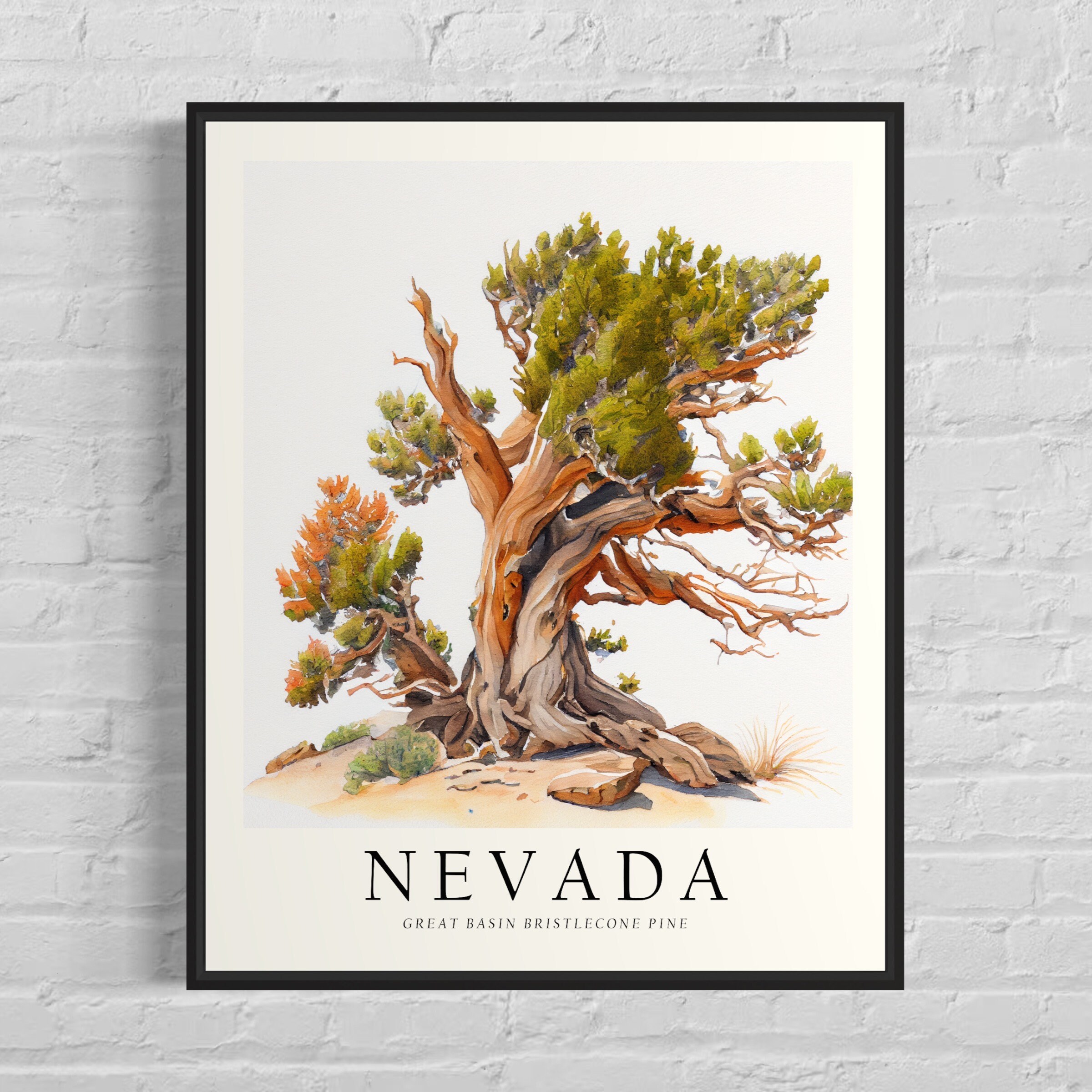
When visitors traverse the rugged, high-desert landscapes of Nevada, they are often struck by the stark beauty of the terrain. While the Great Basin is famous for its vast valleys and dramatic mountain ranges, there is one botanical icon that stands as a silent sentinel of the high country. The single-leaf piñon pine (Pinus monophylla) and the bristlecone pine (Pinus longaeva) share a unique history in the Silver State, but it is the bristlecone pine that holds the official title of the Nevada State Tree.
These ancient sentinels are not merely plants; they are living time capsules, rooted in the high-altitude soil of Great Basin National Park. Understanding the significance of this tree requires a deep dive into the natural history and the enduring legacy of the mountains that define the American West.
The Botanical Majesty of the Bristlecone Pine
The bristlecone pine is widely regarded as one of the oldest living organisms on the planet. Its designation as the Nevada State Tree reflects the state’s commitment to preserving its natural heritage and recognizing the profound resilience of life in harsh environments.
Evolutionary Resilience
The survival strategy of the bristlecone pine is a masterclass in adaptation. These trees grow in conditions that would wither almost any other species: thin, rocky, alkaline soil, freezing temperatures, and relentless high-altitude winds. Because the growing season at these elevations is extremely short, the trees grow incredibly slowly. This slow growth results in exceptionally dense, resin-rich wood that is virtually immune to insects, fungi, and rot.
As a result, some specimens found in the Snake Range have been dated back over 4,000 years. To walk among them is to stand in the presence of history that predates the Roman Empire and the construction of the Great Pyramids.
Aesthetic Characteristics
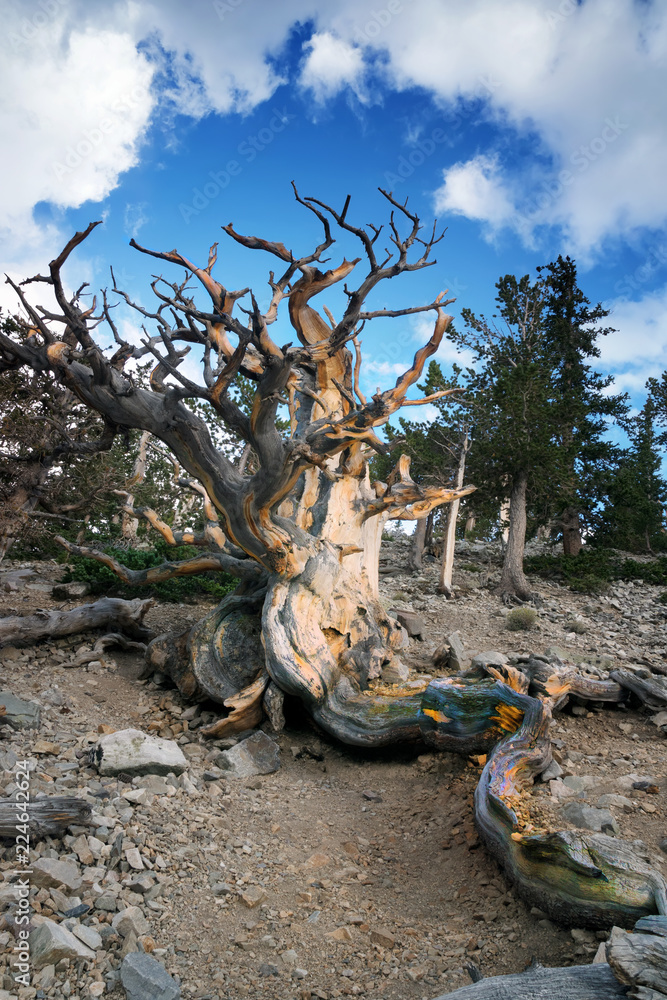
Visually, the bristlecone pine is hauntingly beautiful. Rather than the uniform, straight trunks of timber forests, these trees are sculpted by the elements. Centuries of gale-force winds and blowing ice crystal erosion leave the trunks twisted, gnarled, and polished. Often, the majority of the tree may appear dead, with only a thin strip of living bark remaining to nourish a small cluster of dark green needles. This “stripped” aesthetic serves as a testament to the tree’s ability to prioritize survival by abandoning limbs that can no longer be sustained.
The Habitat of the High Country
To experience the Nevada State Tree in its native habitat, travelers must venture into the higher elevations of the state’s iconic mountain ranges. These trees do not populate the floors of Las Vegas or the Mojave Desert; they are the inhabitants of the alpine zones, where the air is thin and the stars seem close enough to touch.
Great Basin National Park: The Sanctuary
The primary destination for those wishing to see the bristlecone pine is the Wheeler Peak area. This region provides an accessible glimpse into the alpine ecosystem. The Bristlecone Pine Grove Trail is perhaps the most famous hiking route for visitors who want to witness these giants up close.
Walking this trail, one transitions from the sub-alpine forests of limber pine and subalpine fir into the stark, breathtaking territory of the bristlecone. The contrast between the brilliant blue sky of Nevada and the bleached, swirling wood of the ancient pines creates a landscape that feels almost otherworldly.
Environmental Importance
Beyond their status as a state symbol, these trees perform a critical role in the mountain hydrology. By anchoring the soil on steep slopes and providing a micro-climate for various alpine flora, they act as an anchor for the mountain ecosystem. Protecting them has been a legislative priority for the state, ensuring that the legacy of these ancient forests remains intact for future generations.
Historical and Cultural Significance
The adoption of the bristlecone pine as the Nevada State Tree was a recognition of the spirit of the state itself: enduring, rugged, and capable of finding beauty in the most challenging conditions.
Symbolic Meaning
In American culture, trees often symbolize growth and longevity, but the bristlecone pine specifically symbolizes endurance through adversity. For the residents of the Silver State, which was built on the back of hard-won mineral wealth and the perseverance of pioneers crossing the Sierra Nevada mountains, the tree serves as an apt metaphor for the human spirit.
Conservation and Recognition
The Nevada State Legislature solidified the status of the bristlecone pine to distinguish it from the piñon pine, which had previously been associated with the state due to its economic importance to indigenous peoples. By elevating the bristlecone to an official status, the state drew international attention to the unique biodiversity found within its borders.
Today, educational programs conducted by the National Park Service emphasize the fragility of these groves. Visitors are strictly prohibited from removing any wood—living or dead—as the decay rate of the wood is so slow that even a dead branch remains part of the tree’s history for centuries.
Traveling to Witness the Ancient Trees
For the intrepid traveler, a trip to see the Nevada State Tree is a quintessential Great Basin experience. Unlike the neon lights of the Las Vegas Strip or the nightlife of Reno, the environment of the bristlecone is one of deep silence and introspection.
Planning Your Visit
The best time to visit the alpine groves is during the summer and early autumn. Due to the high altitude, snow often persists on the trails leading to the groves well into June. Visitors should be prepared for rapid changes in weather; even in July, a sudden mountain storm can bring freezing temperatures and high winds.
When visiting Baker, the gateway town to the national park, travelers find a quiet, authentic glimpse of Nevada small-town life. It is the perfect base camp for those looking to explore the hidden natural treasures that lie away from the main tourist corridors.
Best Practices for Responsible Tourism
- Stay on the Trail: The soil in these high-altitude environments is delicate and recovers slowly from human foot traffic.
- Leave No Trace: Ensure all trash is packed out. The impact of modern waste on such a pristine, ancient environment can be devastating.
- Respect the Wildlife: The groves are home to various alpine species, including the pika and the Clark’s Nutcracker, which relies on the seeds of the pines. Observation from a distance is the best approach.
- Altitude Awareness: Because you are visiting heights often exceeding 10,000 feet, stay hydrated and be mindful of altitude sickness symptoms.
The bristlecone pine is more than just a botanical curiosity; it is a monument to time. As you stand beneath the gnarled branches of a tree that was a seedling during the dawn of recorded human history, the vastness of the Nevada landscape comes into focus. It is a reminder that in the heart of the desert, life does not just survive—it triumphs over the ages, one slow, deliberate ring at a time. Through the lens of conservation and exploration, the Nevada State Tree remains one of the most compelling reasons to venture into the wild, high-altitude corners of the American West. Whether you are a photography enthusiast, a hiker, or a student of natural history, the experience of meeting these ancient sentinels is an essential addition to any Nevada travel itinerary.
LifeOutOfTheBox is a participant in the Amazon Services LLC Associates Program, an affiliate advertising program designed to provide a means for sites to earn advertising fees by advertising and linking to Amazon.com. Amazon, the Amazon logo, AmazonSupply, and the AmazonSupply logo are trademarks of Amazon.com, Inc. or its affiliates. As an Amazon Associate we earn affiliate commissions from qualifying purchases.