
Navigating the financial landscape of a visit to the Big Apple can sometimes feel as complex as its bustling streets and towering skyscrapers. While the allure of New York City is undeniable, from its iconic landmarks to its world-class dining and vibrant culture, understanding the associated costs is crucial for any traveler. Among these costs, taxes play a significant role, influencing the final price of everything from your hotel stay to your souvenirs. This comprehensive guide will break down the New York City tax rate, ensuring you can budget effectively for your unforgettable New York adventure.
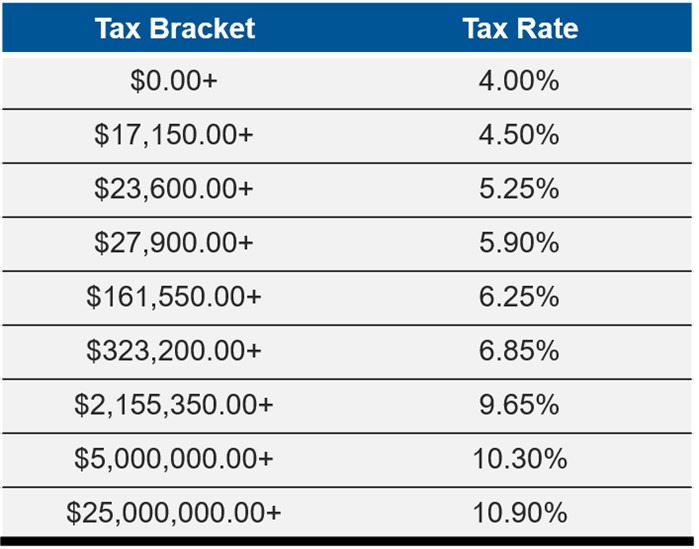
Understanding the Core Components of New York City Taxes for Visitors
When you plan a trip to New York City, the taxes you’ll encounter are primarily levied on goods and services. The most impactful taxes for visitors typically relate to accommodation and retail purchases. It’s important to distinguish between state, city, and sometimes metropolitan transit taxes, as they can all contribute to the final sum. For the most common visitor expenses, understanding the combined rate is key to avoiding any sticker shock.
Hotel Taxes: A Significant Portion of Your Stay
The most prominent tax visitors will encounter is the hotel occupancy tax. This tax is not a single entity but rather a combination of state, city, and sometimes specific district taxes that are applied to the nightly rate of your hotel, resort, apartment, or villa. The exact percentage can vary slightly depending on the specific location within New York City and the type of accommodation, but it generally forms a substantial portion of your booking costs.
- New York State Sales Tax: This is the base tax applied across the state.
- Metropolitan Commuter Transportation District (MCTD) Surcharge: This surcharge benefits the region‘s transportation infrastructure.
- New York City General Municipal Tax: This is the city-specific tax levied on accommodation.
- Additional Taxes (Less Common): In some instances, special district taxes might apply, though these are less frequent for standard hotel stays.
When you are comparing accommodation options or reviewing your booking confirmation, this combined hotel tax is almost always itemized, allowing you to see its direct impact on your expenses. For instance, a hotel in Manhattan will generally have a consistent hotel tax rate applied, regardless of whether you choose a luxurious suite at a well-known establishment or a more budget-friendly option. The average combined rate for New York City hotel taxes hovers around 14.75%, but it can sometimes be slightly higher. This means that for every $100 spent on your hotel room, you could be paying an additional $14.75 or more in taxes. This is a crucial figure to factor into your budget for luxury travel, family trips, or even business stays.
Sales Tax on Goods and Services: Beyond Accommodation
Beyond your accommodation, New York City imposes sales tax on a wide array of goods and services. This includes everything from your morning coffee and a quick bite at a local cafe to souvenirs purchased from shops near famous attractions like Times Square or Central Park. The sales tax rate in New York City is also a combination of state, city, and MCTD taxes.
- New York State Sales Tax: The base rate applicable throughout the state.
- Metropolitan Commuter Transportation District (MCTD) Surcharge: Contributing to the vital transit system.
- New York City Sales Tax: The local component added to the bill.
The combined state and local sales tax rate in New York City is currently 8.875%. This rate applies to most tangible personal property and certain services. For travelers, this means that when you’re browsing for unique gifts or enjoying a meal at a restaurant, you can expect to see this percentage added to the listed price. This tax is a significant factor in the overall cost of tourism activities and daily expenses during your visit. While it might seem small on individual purchases, it can add up over the course of your trip, especially if you plan on indulging in shopping or dining experiences. Understanding this rate helps in accurately estimating your daily spending on non-accommodation related expenses, contributing to a more realistic budget.
Navigating Specific Scenarios and Exemptions
While the general tax rates provide a solid foundation for understanding New York City taxes, there are specific scenarios and potential exemptions that travelers should be aware of. These nuances can sometimes offer savings or require particular attention to detail.
Services and Tangible Personal Property: What’s Taxable?
The 8.875% sales tax in New York City applies to most tangible personal property sold within the city. This includes clothing (with some exceptions for items under $110), electronics, books, and souvenirs. It also extends to many services, such as parking, admissions to certain places of amusement (like museums or shows), and even some repair services.
- Food and Drink: Generally, prepared foods and beverages sold for immediate consumption are subject to sales tax. However, there are nuances. For example, groceries purchased at a supermarket for home consumption are typically exempt from sales tax. The distinction often lies in whether the item is considered a “prepared food” or a “staple grocery.”
- Clothing and Footwear: A notable exemption exists for clothing and footwear costing less than $110 per item. Items costing $110 or more are taxed on the full price. This is a significant consideration for shoppers looking for deals on apparel in New York City.
- Services: While many services are taxed, some exemptions exist. For instance, certain professional services, like those provided by lawyers or doctors, are not subject to sales tax. However, for the average visitor, the most common taxed services will be those related to entertainment, parking, and personal care.
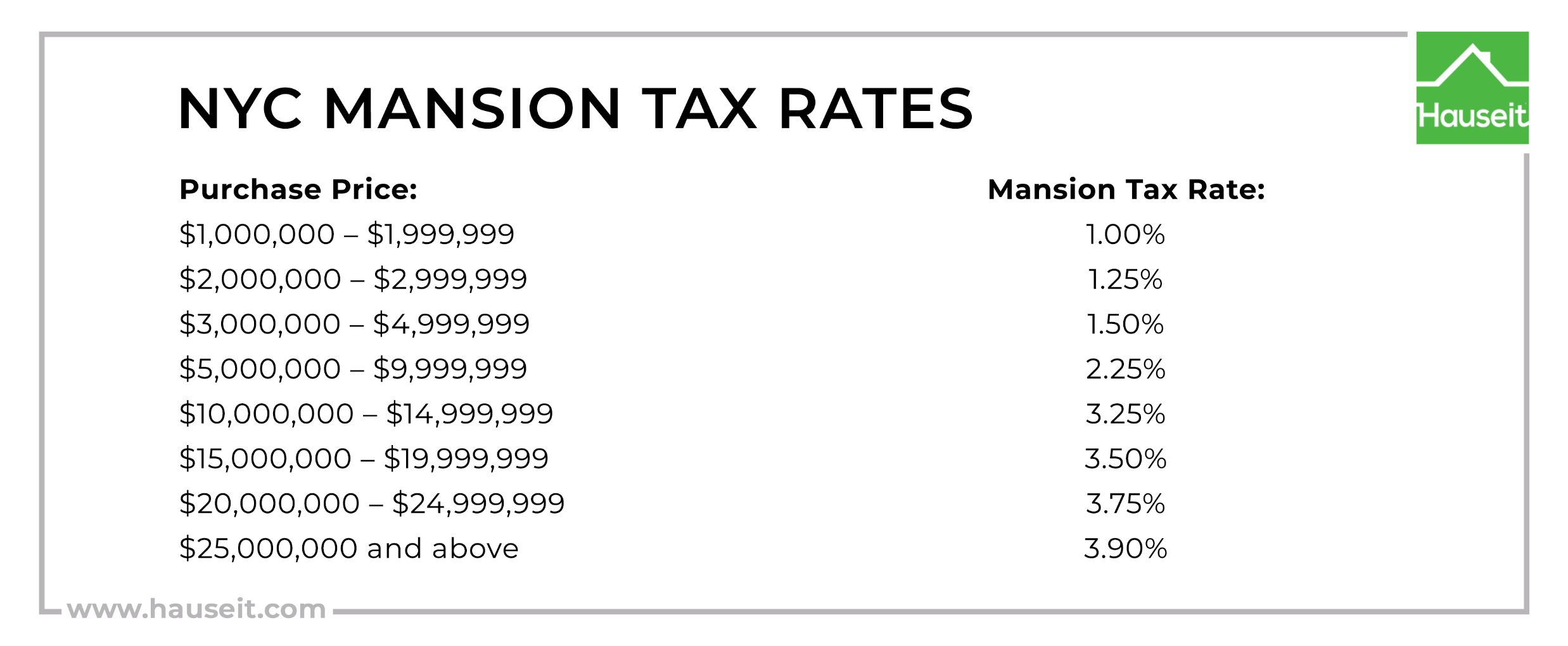
It’s always prudent to check the listed price and be aware that sales tax will likely be added at the point of sale. For significant purchases, understanding the clothing exemption can lead to considerable savings. When exploring shopping districts or planning your lifestyle around the city, this detail can be quite useful.
Potential Tax Relief and Special Circumstances
While New York City taxes are generally comprehensive, there are a few situations where tax relief might be available, or where specific rules apply.
- Resale Certificates: For businesses making purchases for resale, a resale certificate can exempt them from paying sales tax at the time of purchase. This is not applicable to individual travelers for personal use.
- Out-of-State Deliveries: If you purchase items in New York City and have them shipped directly to an address outside of New York State, you may be exempt from New York sales tax on those items. However, the state to which the item is shipped may levy its own sales tax upon delivery. This is a critical detail for those planning to make large purchases and have them sent home.
- Diplomatic and Consular Personnel: Certain individuals with diplomatic status may be eligible for tax exemptions based on international agreements. This is a highly specialized circumstance and typically involves specific identification and procedures.
- Certain Nonprofit Organizations: Bona fide nonprofit organizations may qualify for sales tax exemptions on purchases made for their specific exempt purposes. This is again, not a typical consideration for the average tourist.
For most visitors exploring attractions, enjoying the local culture, or staying in hotels like the Grand Hyatt Hotel or The Plaza Hotel, the standard tax rates will apply. However, for those considering longer stays or making substantial purchases, understanding these specific circumstances can be beneficial. When planning a budget travel itinerary or a luxury travel experience, even minor tax considerations can impact the overall cost.
Tips for Managing Taxes During Your New York City Visit
While taxes are an unavoidable aspect of visiting New York City, there are several practical tips to help you manage them effectively and avoid any unpleasant surprises. Proactive planning and a clear understanding of what to expect can significantly enhance your travel experience.
Budgeting and Financial Planning
The most effective way to manage taxes is to incorporate them into your budget from the outset.
- Estimate Accurately: When planning your expenses, always add the relevant tax percentages to your estimated costs for accommodation, dining, and shopping. For hotels, budget an additional 14.75% (or slightly more) on top of the room rate. For general purchases, budget an additional 8.875%.
- Review Bills Carefully: Before paying any bill at a hotel, restaurant, or retail store, take a moment to review the itemized charges. Ensure that the correct tax rates have been applied and that there are no unexpected fees. This is especially important when staying at different types of accommodation, from traditional hotels to apartments or villas booked through various platforms.
- Consider the Total Cost: When comparing prices for accommodation, experiences, or goods, always look at the final price after taxes. A seemingly lower base price might end up being more expensive once taxes are factored in. This is particularly relevant when comparing booking options or looking at different resorts.
Understanding Price Displays
In New York City, like many other places, prices displayed in stores and restaurants usually do not include sales tax. This is standard practice.
- “Prices Do Not Include Tax”: You will frequently see this disclaimer on menus and price tags. It’s a reminder to factor in the 8.875% sales tax when making purchasing decisions.
- Hotel Rate Breakdowns: When you book a hotel, the initial quote may not always show the full tax breakdown. Always look for a detailed confirmation that itemizes the nightly rate, the occupancy taxes, and any other applicable fees. This transparency is crucial for accurate budgeting.

Leveraging Tax-Saving Opportunities (Where Applicable)
While most visitor expenses will be taxed, being aware of potential exemptions can help.
- Clothing Exemption: As mentioned, clothing and footwear under $110 per item are exempt from sales tax. If you’re planning a shopping spree, strategically purchasing individual items under this threshold can lead to savings.
- Out-of-State Shipping: If you’re making significant purchases and are a resident of another state, consider having items shipped directly to your home address outside of New York. This can exempt you from New York sales tax, although you may be liable for taxes in your home state.
By keeping these tips in mind, you can approach your New York City travel with greater financial confidence. Whether you’re exploring landmarks like the Empire State Building, enjoying the food scene, or engaging with the local culture, understanding the tax implications will allow you to focus on the incredible experiences that New York City has to offer. From a budget travel perspective to enjoying the finer aspects of luxury travel, a little financial foresight goes a long way in making your trip to New York seamless and enjoyable. This knowledge empowers you to make informed decisions, ensuring your visit to the vibrant metropolis is as financially smooth as it is exciting.
LifeOutOfTheBox is a participant in the Amazon Services LLC Associates Program, an affiliate advertising program designed to provide a means for sites to earn advertising fees by advertising and linking to Amazon.com. Amazon, the Amazon logo, AmazonSupply, and the AmazonSupply logo are trademarks of Amazon.com, Inc. or its affiliates. As an Amazon Associate we earn affiliate commissions from qualifying purchases.