
For many, a state’s nickname offers an immediate window into its soul, a succinct identifier that speaks volumes about its history, culture, or defining characteristics. When considering a visit to the Southern United States, understanding these monikers can significantly enrich the travel experience, guiding expectations and highlighting unique attractions. For the state of Alabama, its most prominent nickname, “The Heart of Dixie,” is a potent symbol that encapsulates much of what makes this vibrant state a compelling destination for tourists seeking authentic Southern charm and deep historical narratives.
The Enduring Moniker: “The Heart of Dixie”
The nickname “The Heart of Dixie” is more than just a catchy phrase; it’s a profound statement about Alabama’s identity, its historical significance, and its cultural centrality within the broader Southern United States. This enduring moniker is emblazoned on license plates and woven into the fabric of local consciousness, serving as a beacon for visitors eager to explore the quintessential South.

Unpacking “Dixie”: A Cultural and Historical Context
To truly appreciate “The Heart of Dixie,” one must first understand the term “Dixie.” Originating in the pre-Civil War era, “Dixie” came to signify the collective states of the American South. Its etymology is debated, potentially stemming from a ten-dollar bank note issued by the Citizens’ Bank of New Orleans which bore the French word “dix” (ten), or perhaps from a corruption of Jeremiah Dixon, a surveyor of the Mason-Dixon Line. Regardless of its precise origin, “Dixie Land” or simply “Dixie” evolved into a nostalgic, often romanticized, term for the region, celebrated in song and literature.
For tourists, “Dixie” evokes images of antebellum plantations, soulful music, unparalleled hospitality, and a distinctive way of life deeply rooted in tradition. Understanding this context sets the stage for recognizing Alabama’s claim to be its heart. It suggests a place where the cultural essence of the South is not just preserved but actively lived, offering visitors a chance to immerse themselves in a rich, multi-layered heritage.
Why Alabama Earned the Title
Alabama’s claim as “The Heart of Dixie” is multi-faceted, stemming from both its geographical position and its pivotal historical roles. Geographically, Alabama is centrally located within the deep South, acting as a crossroads for various cultural and economic currents. More significantly, its historical trajectory cemented its place at the heart of the region’s identity.
During the Civil War, Montgomery, Alabama’s capital city, served as the first capital of the Confederacy. This decision, made in 1861, placed Alabama at the very epicenter of a conflict that fundamentally reshaped the nation and defined the character of the South for generations. The Confederate flag was first raised in Montgomery, and key decisions that charted the course of the Southern rebellion were made within its borders. This historical prominence undeniably positions Alabama as central to the narrative of “Dixie.”
Furthermore, Alabama later became a crucial battleground for the Civil Rights Movement in the mid-20th century. Events in Birmingham, Selma, and Montgomery were instrumental in shaping the fight for racial equality, once again placing Alabama at the heart of a transformative national struggle. These moments, both celebrated and contentious, underscore Alabama’s profound historical resonance and its undeniable centrality to understanding the complex evolution of the Southern United States.
How the Nickname Shapes Alabama’s Tourist Identity
For a tourist, “The Heart of Dixie” isn’t just a historical footnote; it’s a promise. It suggests an authentic encounter with Southern culture, where traditions are cherished, and hospitality is paramount. This nickname directly influences how Alabama markets itself and what visitors can expect:
- Heritage Tourism: The moniker naturally draws attention to Alabama’s rich past, encouraging exploration of its antebellum homes, Civil War battlefields, and crucial Civil Rights Movement sites. Tourists are invited to walk in the footsteps of history.
- Cultural Immersion: “Heart of Dixie” implies a vibrant living culture. This translates into experiences like attending live music performances in Muscle Shoals, savoring traditional Southern cuisine, and engaging with the warm, welcoming locals who embody genuine Southern hospitality.
- Unique Sense of Place: The nickname contributes to Alabama having a distinct personality. It hints at a place where the pace is a little slower, conversations are a little longer, and the food is always soulful, providing a unique escape from the ordinary.
Beyond the Heart: Other Nicknames and Their Origins
While “The Heart of Dixie” is Alabama’s official state nickname, the state has also acquired other informal monikers over time. These additional nicknames further illuminate different facets of Alabama’s identity, offering more nuanced insights for tourists interested in its natural beauty, economic history, and unique wildlife.
The Cotton State: An Economic Legacy
Historically, Alabama was often referred to as “The Cotton State.” This nickname highlights the profound impact of cotton cultivation on Alabama’s economy, society, and landscape, particularly from the early 19th century through the mid-20th century. Vast plantations dotted the fertile Black Belt region, making cotton the undisputed king of Alabama’s agricultural output and a primary driver of its wealth – a wealth built, tragically, on the labor of enslaved people.
For tourists today, this nickname points to significant heritage tourism opportunities. Visitors can explore historic plantations, gain insights into the complex history of agriculture and labor in the South, and understand the economic foundations that shaped the region. Sites related to cotton production also subtly underscore the origins of many challenges that later fueled the Civil Rights Movement, adding depth to the visitor’s understanding of Alabama’s past.
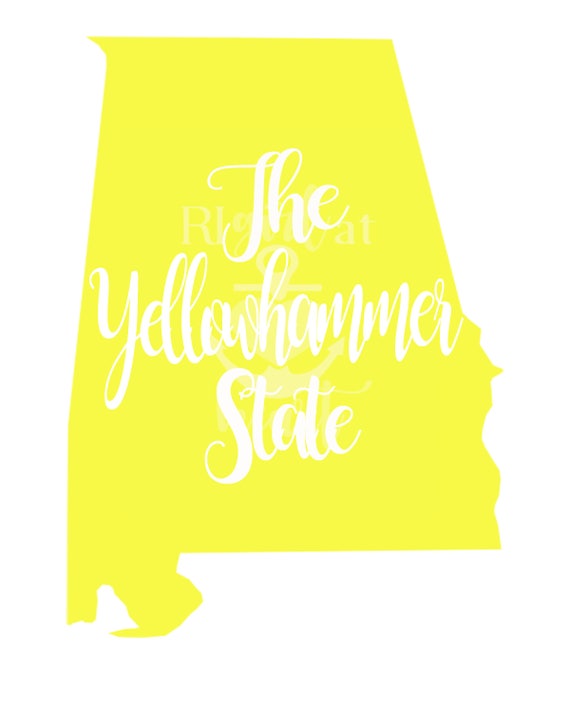
The Yellowhammer State: Natural Heritage and State Bird
“The Yellowhammer State” is a charming nickname derived from Alabama’s state bird, the Northern Yellowhammer (Colaptes auratus). This moniker originated during the Civil War when a company of Alabama cavalrymen, passing through Huntsville, wore uniforms adorned with homespun gray cloth trimmed with bright yellow, reminiscent of the bird’s distinctive plumage. The name stuck, becoming an affectionate identifier for [Alabama](https://lifeoutofthebox.com/alabama] and its people.
For tourists, “The Yellowhammer State” speaks to Alabama’s rich natural beauty and biodiversity. It invites visitors to explore the state’s diverse ecosystems, from the Appalachian foothills to the Gulf Coast. Birdwatching, hiking in state parks like Cheaha State Park, or simply enjoying the state’s picturesque landscapes offer a different, yet equally authentic, perspective on Alabama away from its historical narratives. It highlights the state as a destination for ecotourism and outdoor adventures.
The Camellia State: Floral Beauty and Horticultural Tourism
Less commonly known but equally evocative is “The Camellia State,” referring to Alabama’s beautiful state flower, the Camellia. Adopted in 1959, the Camellia (Camellia japonica) is admired for its vibrant colors and lush evergreen foliage, blooming throughout the cooler months when much of the landscape is dormant.
This nickname highlights Alabama’s horticultural heritage and its appeal to those who appreciate botanical gardens and scenic beauty. Destinations like the Mobile Botanical Gardens or private garden tours in historic towns like Fairhope offer tourists a serene and visually stunning experience. It underscores Alabama as a place of natural elegance, a gentle counterpoint to its more rugged historical narratives.
Experiencing the “Heart of Dixie” Today: Tourism Insights
The nicknames of Alabama are not just labels; they are implicit guides for tourists, hinting at the kinds of experiences that await them. To truly engage with “The Heart of Dixie” is to embrace its multifaceted character through its people, its places, and its unique cultural expressions.
Embracing Southern Charm: Hospitality and Local Encounters
The warmth of Southern hospitality is legendary, and in Alabama, it’s a tangible experience. Visitors will find that locals are genuinely welcoming, eager to share stories, offer recommendations, and extend an open invitation to experience their way of life. From chatting with vendors at a farmers market in Montgomery to striking up a conversation with a local fisherman in Gulf Shores, these interactions are often highlights of a trip. This inherent friendliness is a core element of Alabama’s identity as the “Heart of Dixie,” creating memorable and authentic encounters that transcend typical tourist experiences.
Delving into History: Civil Rights and Antebellum Trails
For many, Alabama’s profound historical narrative is its most compelling draw. The state is home to some of the most significant sites of both the Civil War and the Civil Rights Movement.
- Civil Rights Movement Sites: In Montgomery, visitors can explore the Dexter Avenue King Memorial Baptist Church where Dr. Martin Luther King Jr. preached, and the Rosa Parks Museum. The city also hosts the Civil Rights Memorial Center. A journey to Selma includes the Edmund Pettus Bridge, a symbol of courage and perseverance. Birmingham offers the Birmingham Civil Rights Institute and the infamous 16th Street Baptist Church.
- Antebellum and Civil War History: Historic homes and battlefields across the state, such as those near Mobile and Tuscaloosa, provide insights into pre-war Southern life and the tragic conflict. The first Confederate White House in Montgomery is another key site.
These historical trails offer powerful and often moving experiences, providing context for the term “Dixie” and Alabama’s central role in shaping American identity.
Savoring Local Flavors: Culinary Journeys
No visit to the “Heart of Dixie” is complete without indulging in its culinary traditions. Alabama’s food scene is a testament to its cultural heritage, blending influences from indigenous ingredients, African-American traditions, and European settler cuisines.
- Barbecue: Alabama is a barbecue haven, with regional variations and fiercely loyal followings. From tangy vinegar-based sauces to the famous white sauce of North Alabama, a barbecue trail is a must-do for any food enthusiast.
- Soul Food: Hearty soul food, rooted in the resourcefulness and creativity of African-American cooking, is a staple. Think fried chicken, collard greens, cornbread, and sweet potato pie.
- Seafood: Along the Gulf Coast in places like Mobile, Gulf Shores, and Orange Beach, fresh seafood reigns supreme. Oysters, shrimp, and fresh catches are prepared with a distinctive Southern flair.
- Sweet Treats: Beyond pie, don’t forget pecan treats, peach cobbler, and locally made ice creams.
The culinary journey through Alabama offers a delectable way to connect with its culture and history, as food often tells the story of a place and its people.
The Cultural Resonance of Alabama’s Nicknames for Visitors
Ultimately, understanding the nicknames for Alabama empowers tourists to engage with the state on a deeper, more meaningful level. These monikers are not just administrative labels; they are cultural touchstones that shape perception and enhance appreciation.
Connecting with Authenticity: Beyond the Stereotypes
For many, the South is often painted with broad strokes, leading to generalizations and stereotypes. However, by understanding nicknames like “The Heart of Dixie,” tourists are encouraged to look beyond surface-level assumptions. The nickname itself hints at complexity, a place with a profound history and a vibrant, evolving culture. It invites visitors to seek out the authentic stories, the genuine interactions, and the nuanced realities that define contemporary Alabama. This deeper engagement fosters a richer, more rewarding travel experience, allowing visitors to discover the true essence of the state.

A Sense of Place: Fostering Deeper Appreciation
A well-understood nickname helps a destination resonate more deeply with visitors, creating a lasting “sense of place.” When tourists visit Montgomery and understand its role as the first capital of the Confederacy and a focal point for the Civil Rights Movement, the phrase “Heart of Dixie” takes on profound meaning. When they listen to the soulful sounds emanating from historic Muscle Shoals studios like Fame Recording Studios or Muscle Shoals Sound Studio, they connect with the cultural heartbeat of the region.
The nicknames of Alabama serve as invaluable navigational tools for cultural exploration, pointing tourists toward the experiences that define the state. They transform a mere geographic location into a destination imbued with character, history, and a welcoming spirit, making Alabama an unforgettable journey into the very soul of the Southern United States.
LifeOutOfTheBox is a participant in the Amazon Services LLC Associates Program, an affiliate advertising program designed to provide a means for sites to earn advertising fees by advertising and linking to Amazon.com. Amazon, the Amazon logo, AmazonSupply, and the AmazonSupply logo are trademarks of Amazon.com, Inc. or its affiliates. As an Amazon Associate we earn affiliate commissions from qualifying purchases.