
The state of Nevada is widely known by its iconic moniker, “The Silver State.” This nickname is more than just a catchy label; it is deeply rooted in the geological, economic, and social history of the region. From the rugged peaks of the Sierra Nevada mountain range to the expansive, sun-drenched basins of the Great Basin, the state’s identity has long been inextricably linked to the precious metals buried beneath its dusty surface. Understanding why Nevada holds this title requires a journey back to the mid-19th century, a time when the promise of riches drew pioneers, dreamers, and industrial giants to the American West.
The Origins of the Silver State
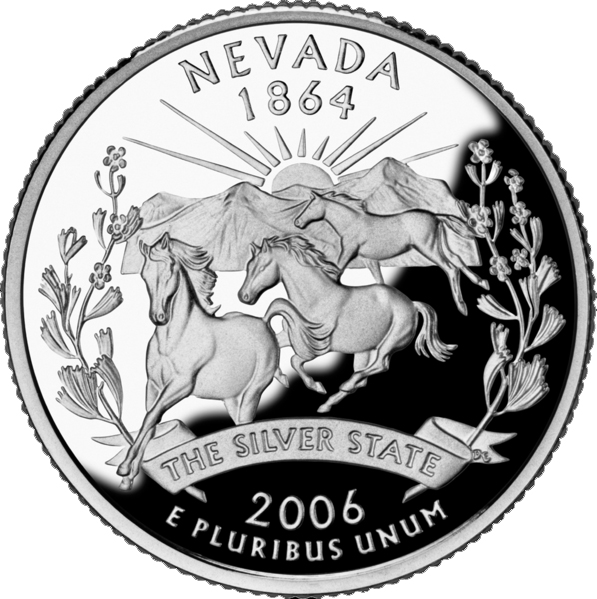
The story of Nevada’s nickname begins with the discovery of the Comstock Lode in 1859. Located near Virginia City, this massive deposit of silver ore was the first major silver discovery in the United States. It transformed a sparsely populated territory into a frantic center of economic activity, ultimately accelerating the process of Nevada achieving statehood in 1864.
The Comstock Lode and Economic Boom
The sheer scale of the extraction in Virginia City redefined the regional economy. Thousands of laborers, engineers, and financiers flocked to the area, creating boomtowns that seemed to spring up overnight. Because the state’s economy was fueled almost entirely by silver production during its formative years, the name “The Silver State” became the natural way to characterize the region. The wealth generated from these mines not only built the infrastructure of early Nevada but also played a significant role in financing the Union cause during the American Civil War.
Symbolism in State Identity
Beyond its economic roots, “The Silver State” speaks to the rugged resilience of those who settled the territory. Silver became a symbol of prosperity and the “American Dream” realized in the harsh, arid landscapes of the West. While gold was the initial draw for many prospectors in places like California, silver provided Nevada with its unique industrial backbone, distinguishing it from its neighbors and anchoring its identity in the national consciousness.
The Evolution of Nevada’s Cultural Landscape
While the nickname pays homage to mining, Nevada has evolved into a powerhouse of modern tourism and industry. The transition from a territory defined by extraction to a global destination for entertainment and recreation is one of the most fascinating cultural shifts in the 20th century. Today, the legacy of the silver mines is preserved in historic sites and museums, even as the state embraces a new reputation for glitz, glamour, and natural wonder.
From Boomtowns to Tourism Hubs
Many of the original mining camps that flourished during the silver boom eventually faded into “ghost towns.” However, destinations like Las Vegas and Reno capitalized on Nevada’s liberalized laws regarding gaming and marriage, creating an entirely different kind of economic goldmine. The spirit of the pioneer—a willingness to take risks and pursue big rewards—persists in the modern culture of the Las Vegas Strip.
Preserving Mining History
For those traveling through Nevada today, the history of the silver era is still very much alive. A trip to the Nevada State Museum offers deep insights into the geologic and human history of the state. Furthermore, towns like Goldfield and Tonopah offer a glimpse into the architectural remnants of the boom years. Walking the streets of these high-desert communities, one can almost hear the echoes of the bustling saloons and mining operations that once solidified the state’s nickname.
Natural Wonders Beyond the Mines
While “The Silver State” focuses on the mineral wealth of the ground, Nevada’s true treasure may lie in its natural diversity. From the neon lights of urban centers to the silent, majestic expanses of the Mojave Desert, the state offers a range of experiences that cater to every type of traveler.
Geological Diversity and National Parks
The landscape of Nevada is characterized by the “Basin and Range” topography, where mountain ranges alternate with broad, flat valleys. This geological complexity makes for breathtaking scenery and diverse ecosystems. Great Basin National Park, located in the eastern part of the state, is a crown jewel of natural beauty, home to ancient bristlecone pines—some of the oldest living organisms on Earth—and the fascinating Lehman Caves.
Outdoor Recreation in the High Desert
For the modern visitor, Nevada is a playground for outdoor activity. The Red Rock Canyon National Conservation Area provides world-class hiking and climbing opportunities just a short drive from the urban sprawl of Las Vegas. Meanwhile, the clear, deep blue waters of Lake Tahoe provide a stunning contrast to the arid landscapes elsewhere in the state, offering skiing in the winter and watersports in the summer. These sites remind us that while the nickname “The Silver State” honors the past, the present-day value of Nevada lies in its irreplaceable natural heritage.
Why the Nickname Matters Today
Names and nicknames carry weight; they frame how we view a place and how its residents view themselves. For Nevada, “The Silver State” is a reminder of the perseverance required to turn an unforgiving desert into a thriving, modern society. It serves as a bridge between the grit of the 19th-century frontier and the cosmopolitan energy of the 21st-century state.
The Enduring Legacy
The nickname remains official and widely recognized, appearing on license plates and in state literature. It acts as a brand that tells a story of transformation. Every visitor who comes to Nevada, whether to witness the stunning limestone formations of Valley of Fire State Park or to experience the vibrant nightlife of the Fremont Street Experience, becomes part of the ongoing narrative of the state.
Final Thoughts on the Silver State
Nevada is a place of duality. It is a land of harsh extremes and incredible luxury, of quiet, ancient mountains and loud, bustling boulevards. By understanding the history behind its nickname, travelers gain a deeper appreciation for the foundation upon which this unique state was built. The silver may have been the catalyst, but the spirit of innovation and the sheer capacity for reinvention are what keep Nevada shining. Whether you are exploring the Black Rock Desert or checking into a high-end resort on the Las Vegas Boulevard, you are engaging with a legacy that is as precious and enduring as the metal that gave this state its name. As you plan your next trip, remember that Nevada offers far more than just a title—it offers a window into the evolution of the American spirit.
LifeOutOfTheBox is a participant in the Amazon Services LLC Associates Program, an affiliate advertising program designed to provide a means for sites to earn advertising fees by advertising and linking to Amazon.com. Amazon, the Amazon logo, AmazonSupply, and the AmazonSupply logo are trademarks of Amazon.com, Inc. or its affiliates. As an Amazon Associate we earn affiliate commissions from qualifying purchases.