
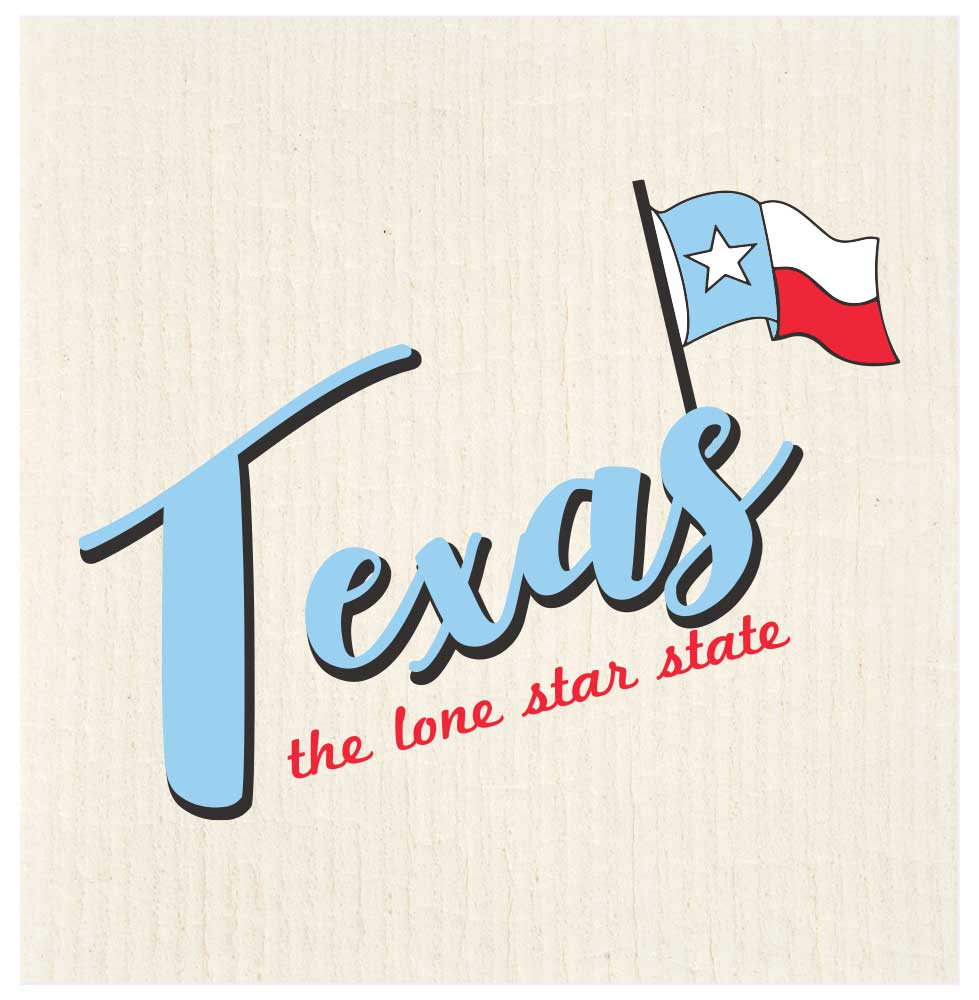
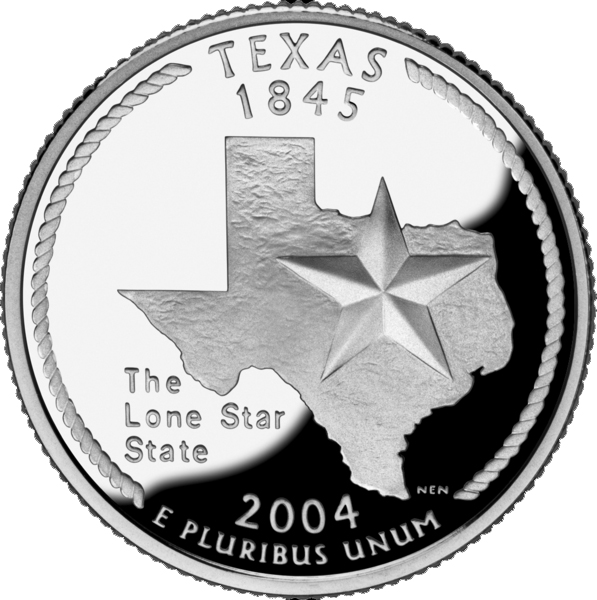
The sprawling expanse of Texas, a state synonymous with bold spirit and larger-than-life landscapes, is more than just a geographical entity; it’s a cultural icon. When conversations turn to this southern giant, one question often arises: “What is the nickname for Texas?” While its official state motto speaks of friendship, its unofficial monikers paint a vivid picture of its proud heritage, immense size, and the unwavering character of its people. The most universally recognized and cherished nickname for Texas is the “Lone Star State.”
This designation isn’t merely a catchy phrase; it’s deeply embedded in the history and symbolism of Texas. The single star emblazoned on the Texan flag, and indeed on many official seals and emblems, represents Texas‘s unique journey to statehood. It harks back to a time when Texas was an independent republic, a sovereign nation before its annexation into the United States. This period, from 1836 to 1845, is a source of immense pride for Texans, and the “Lone Star” serves as a constant reminder of that independent spirit and the struggle for freedom. The story of this nickname is intrinsically linked to the Texan Revolution and the founding of the Republic of Texas.
The Enduring Legacy of the Lone Star State
The “Lone Star State” nickname is far more than just a historical footnote; it permeates Texan identity and is reflected in countless aspects of its culture, from travel and tourism to lifestyle and landmarks. This moniker captures the essence of a state that, despite its eventual union with the United States, has always retained a distinct sense of self.
A Symbol of Independence and Resilience
The adoption of the single star as the emblem of Texas dates back to the early days of the republic. The Texan flag, often referred to as the “Lone Star Flag,” features a single white star on a blue vertical stripe, with horizontal stripes of white and red. This design was officially adopted by the Congress of the Republic of Texas in 1839. The star itself is believed to have been inspired by the “Burnet Flag,” the naval ensign of the Republic of Texas, which also featured a prominent star.
The choice of a single star was deliberate and potent. It symbolized the unity of the republic and its singularity on the world stage. It represented the collective aspirations of a people who had fought valiantly for their independence from Mexico. The resilience shown during the Texan Revolution, a period marked by significant conflict and hardship, solidified this image of Texas as a land of strong, determined individuals. This spirit continues to resonate today, influencing the way Texans perceive their state and how the world perceives them.
When exploring Texas, this sense of independence is palpable. From the vast ranches to the independent spirit of its cities like Austin and Houston, the legacy of the “Lone Star State” is evident. It’s in the Texan pride that extends to everything from barbecue to football. Travelers seeking authentic Texan experiences will find this spirit woven into the fabric of local culture, from the friendly waves of locals to the stories shared in historic towns.
The Lone Star in Tourism and Travel
The “Lone Star State” nickname undoubtedly plays a significant role in how Texas is marketed and perceived as a tourist destination. It evokes images of open roads, boundless opportunities, and a unique cultural tapestry. For travelers, understanding this nickname is key to appreciating the deeper narratives of the places they visit.
Texas offers an incredibly diverse range of attractions, catering to every type of traveler. From the bustling metropolises of Dallas and San Antonio to the natural beauty of the Big Bend National Park and the coastal charm of Galveston, the state provides a wealth of experiences. The “Lone Star” moniker serves as an overarching theme that binds these disparate elements together, suggesting a cohesive and compelling destination.
When planning a trip, understanding the nickname’s historical context enriches the experience. Visiting historical sites like the Alamo in San Antonio or the San Jacinto Battlefield State Historic Site, where Texas independence was ultimately secured, allows visitors to connect directly with the events that shaped the “Lone Star State.” These landmarks are not just tourist attractions; they are tangible links to the republic’s struggle and ultimate triumph.
Accommodation options in Texas also reflect this spirit. Whether you’re looking for a luxurious resort in the Hill Country, a charming boutique hotel in Austin, or a family-friendly hotel in Dallas, the underlying sense of Texan hospitality often shines through. The “Lone Star” can be seen subtly incorporated into hotel décor, local cuisine, and the overall ambiance of many establishments, further reinforcing the state’s identity.
The emphasis on unique Texan experiences, from sampling authentic Tex-Mex cuisine to enjoying live music in Austin’s vibrant music scene, all contribute to the allure of the “Lone Star State.” This nickname acts as a promise of something grand and individual, a place that offers more than just a typical travel experience.
Beyond the Lone Star: Other Nicknames and Their Significance
While “Lone Star State” is the undisputed primary nickname for Texas, its vastness and multifaceted character have led to the emergence of other, more descriptive or informal monikers. These secondary nicknames, though less official, offer additional insights into the state’s identity and the perceptions it has garnered over time.
The “Everything’s Bigger in Texas” Mentality
One of the most common perceptions, and by extension, an informal nickname, is the idea that “everything’s bigger in Texas.” This isn’t an official designation, but it’s a sentiment that permeates the state and its image. From the sheer geographical size of Texas – it’s the second-largest state in the United States by area – to the expansive landscapes, the larger-than-life personalities, and the ambitious endeavors, there’s a constant affirmation of this idea.
This perception translates directly into the travel and tourism sector. Visitors often remark on the scale of Texan cities, the grandeur of its natural parks, and the generous portions of its renowned cuisine. The phrase itself has become a cultural touchstone, often used humorously or with genuine admiration to describe anything from a towering Texan steak to an ambitious business venture.
This idea of bigness also extends to the state’s infrastructure and amenities. For those seeking luxurious stays, Texas boasts opulent resorts and sprawling estates that cater to a high-end lifestyle. Budget travelers, too, can find value, as the sheer scale often means more options and competitive pricing. Even family trips can feel epic, with vast theme parks and extensive outdoor recreational areas.
The “everything’s bigger” mentality is a testament to Texas‘s ambition and its confidence. It suggests a state that doesn’t shy away from grand projects or bold statements. This is reflected in its architecture, its economic prowess, and the sheer variety of its attractions. When you visit Texas, you’re often met with a sense of abundance, whether it’s in the land, the food, or the opportunities.
Reflecting Heritage and Industry
Beyond the broad strokes of “Lone Star” and “bigger,” Texas has earned other descriptive nicknames that highlight specific aspects of its heritage and economy. While not as widely known as the “Lone Star State,” these monikers offer a deeper dive into the state’s rich tapestry.
One such informal title that occasionally surfaces is the “The Friendship State.” This moniker is derived from Texas‘s official state motto, “Friendship.” This motto was adopted in 1933, replacing the earlier motto of “Liberty and Independence.” The change reflected a desire to emphasize the welcoming nature of Texans and the state’s hospitable character. This aspect is particularly relevant to tourism and local culture. Visitors often experience the warmth and friendliness of the people they encounter, whether they are dining at a local eatery, exploring a small town, or attending a community event.
Another nickname that has historical roots, particularly related to its agricultural past, is sometimes alluded to as the “The Cotton State” or “The Grain State,” though these are less common and largely overshadowed by the “Lone Star” identity. In its early days, agriculture, particularly cotton farming, was a dominant industry, shaping the state’s economy and social structure. While modern Texas is a powerhouse in energy, technology, and aerospace, this historical agricultural significance still echoes in certain regions and is a part of the state’s enduring legacy.
The nickname that truly captures the modern economic powerhouse that Texas has become, particularly in the realm of energy, is sometimes referenced as the “The Energy State.” Texas is a global leader in oil and gas production, and its energy industry has shaped its development and its landscape. This nickname, though not as widely used as the “Lone Star State,” is a crucial aspect of understanding Texas‘s economic might and its influence on the global stage. It speaks to the hard work, innovation, and sheer scale of its resource extraction and energy production.
Exploring Texas: From Landmarks to Lifestyle
Understanding the nicknames for Texas provides a fascinating lens through which to view its diverse offerings, from iconic landmarks and historical sites to its unique lifestyle and accommodation options. The “Lone Star State” isn’t just a label; it’s an invitation to explore a land of grandeur, independence, and enduring spirit.
Iconic Landmarks and Natural Wonders
The “Lone Star State” is home to a breathtaking array of landmarks and natural wonders, each telling a part of its story. The Alamo in San Antonio stands as a powerful symbol of Texan courage and the fight for independence, a must-visit for anyone seeking to understand the state’s historical roots. Further west, Big Bend National Park offers a stunning panorama of rugged desert landscapes, the Rio Grande, and dramatic mountain ranges, embodying the vastness hinted at by the “everything’s bigger” mentality.
For those interested in architecture and urban exploration, Dallas boasts a modern skyline and a vibrant arts district, while Houston, the largest city in Texas, is a hub of innovation, home to the Space Center Houston, a testament to the state’s significant role in space exploration. The historic districts of cities like Galveston and the charming small towns scattered throughout the Hill Country provide a glimpse into different eras of Texan history and lifestyle.

Accommodation and Lifestyle Choices
Whether you’re a luxury traveler seeking the finest resorts or a budget-conscious explorer looking for comfortable and affordable accommodation, Texas offers a wide spectrum of choices. In cities like Austin, you’ll find a vibrant mix of boutique hotels, chic apartments, and trendy hotels, reflecting the city’s progressive and artistic lifestyle. For families, numerous resorts offer extensive amenities and activities, ensuring a memorable stay. Long-term stays are also popular, with a range of apartments and furnished rentals available for those looking to immerse themselves in Texan life.
The lifestyle in Texas is as diverse as its geography. It’s a state that embraces both its traditional roots and its forward-looking ambitions. From the world-renowned Texan barbecue and the lively honky-tonks to the sophisticated dining and cultural events in its major cities, there’s an experience for everyone. The “Lone Star State” nickname encapsulates this unique blend of heritage and progress, of a proud past and a dynamic future.
In conclusion, the primary and most cherished nickname for Texas is the “Lone Star State,” a title that powerfully encapsulates its history as an independent republic and its enduring spirit of self-reliance. This moniker, along with the pervasive sentiment that “everything’s bigger in Texas,” offers a comprehensive understanding of this vast and multifaceted state, inviting travelers to discover its rich culture, stunning landscapes, and the warm hospitality of its people.