
The Empire State. A name that evokes grandeur, power, and an undeniable sense of prestige. But why is New York State known by this iconic moniker, and what does it truly represent? Delving into the origins and implications of this nickname offers a fascinating glimpse into the state’s rich history, its economic might, and its enduring cultural significance. Far from being a mere label, “The Empire State” is a testament to New York’s historical dominance and its continuing influence on the national and global stage.
This article will explore the various facets of New York’s nickname, from its historical roots to its contemporary relevance, touching upon the landmarks, attractions, and experiences that contribute to this powerful image. Whether you’re planning a luxurious getaway to New York City, a serene escape to the Adirondacks, or a deep dive into the history of its iconic architecture, understanding “The Empire State” provides a richer context for any journey.
The Genesis of “The Empire State”
The question of “What is the nickname of New York State?” leads us to the most prominent and widely recognized answer: “The Empire State.” But the story behind this title is more complex and contested than a simple designation. While the nickname is universally embraced today, its official adoption and popularization are linked to specific historical periods and individuals.
Early Contenders and the Rise to Prominence
Before “The Empire State” firmly took root, New York had other informal labels. However, the term “empire” began to be associated with the state due to its burgeoning economic and political power, particularly in the 19th century. This era saw New York solidify its position as a leading commercial and financial hub, with the construction of infrastructure like the Erie Canal playing a pivotal role in connecting the East Coast with the developing West.
The influence of New York City, with its bustling port and burgeoning industries, was undeniable. It was often seen as the epicenter of American commerce and culture, a perception that naturally extended to the entire state. This economic ascendancy, coupled with New York’s significant population and its strategic importance, laid the groundwork for the “empire” comparison.
The “Empire State” Campaign: A Presidential Connection
While the idea of New York as an “empire” was gaining traction, the definitive push for “The Empire State” as its official nickname is often attributed to a specific campaign during the 1920s. This period saw renewed interest in promoting New York and its achievements.
A key figure in this narrative is Governor Alfred E. Smith. During his governorship in the 1920s, Smith actively promoted the nickname “The Empire State” in his speeches and public addresses. His aim was to underscore New York’s strength, prosperity, and its leading role in the nation’s development. The state’s economic contributions, its vast resources, and its influential position in national affairs all contributed to this perception of being an “empire.”
The nickname was officially adopted by the New York State legislature in 1929, solidifying its place in the state’s identity. This official recognition was not just a matter of semantics; it was a deliberate effort to brand New York as a state of immense power and opportunity, a perception that continues to resonate today. This historical context is crucial for understanding not just the nickname, but also the pride and ambition that New York has historically embodied.
The Manifestations of an Empire: Landmarks, Culture, and Lifestyle
The nickname “The Empire State” is not just a historical footnote; it is vividly reflected in the state’s diverse offerings, from its awe-inspiring landmarks to its vibrant cultural tapestry and its varied lifestyle experiences. Exploring these aspects reveals how New York truly lives up to its grand appellation.
Architectural Marvels and Historic Hubs
New York State is home to an astonishing array of architectural wonders and historically significant sites that embody its “empire” status. New York City itself is a testament to this, boasting some of the world’s most iconic skyscrapers.
Iconic Structures and Urban Landscapes
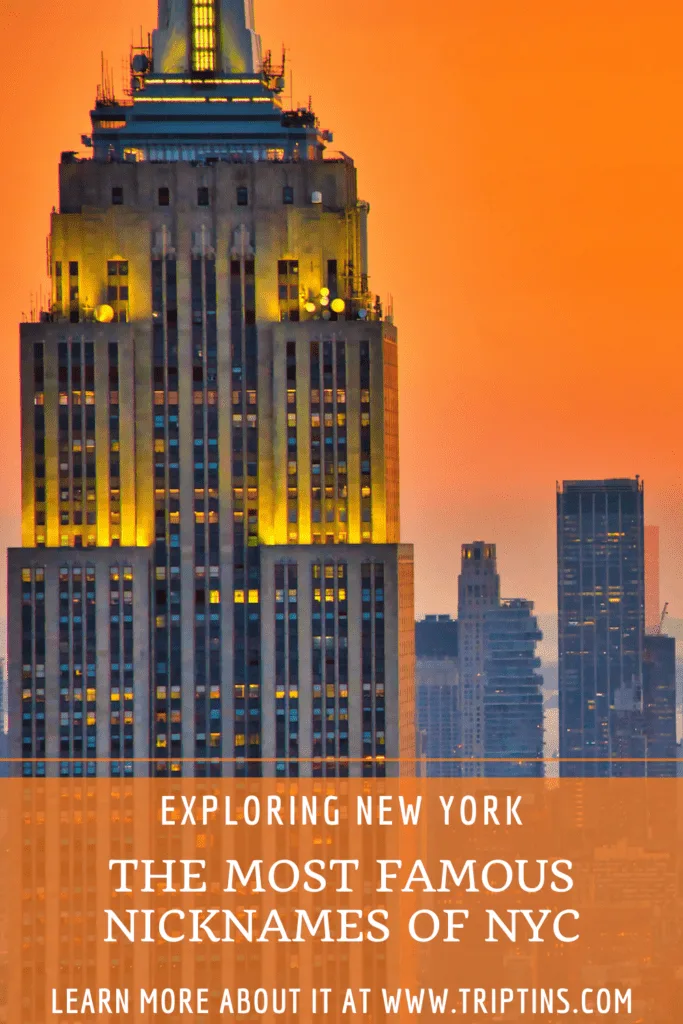
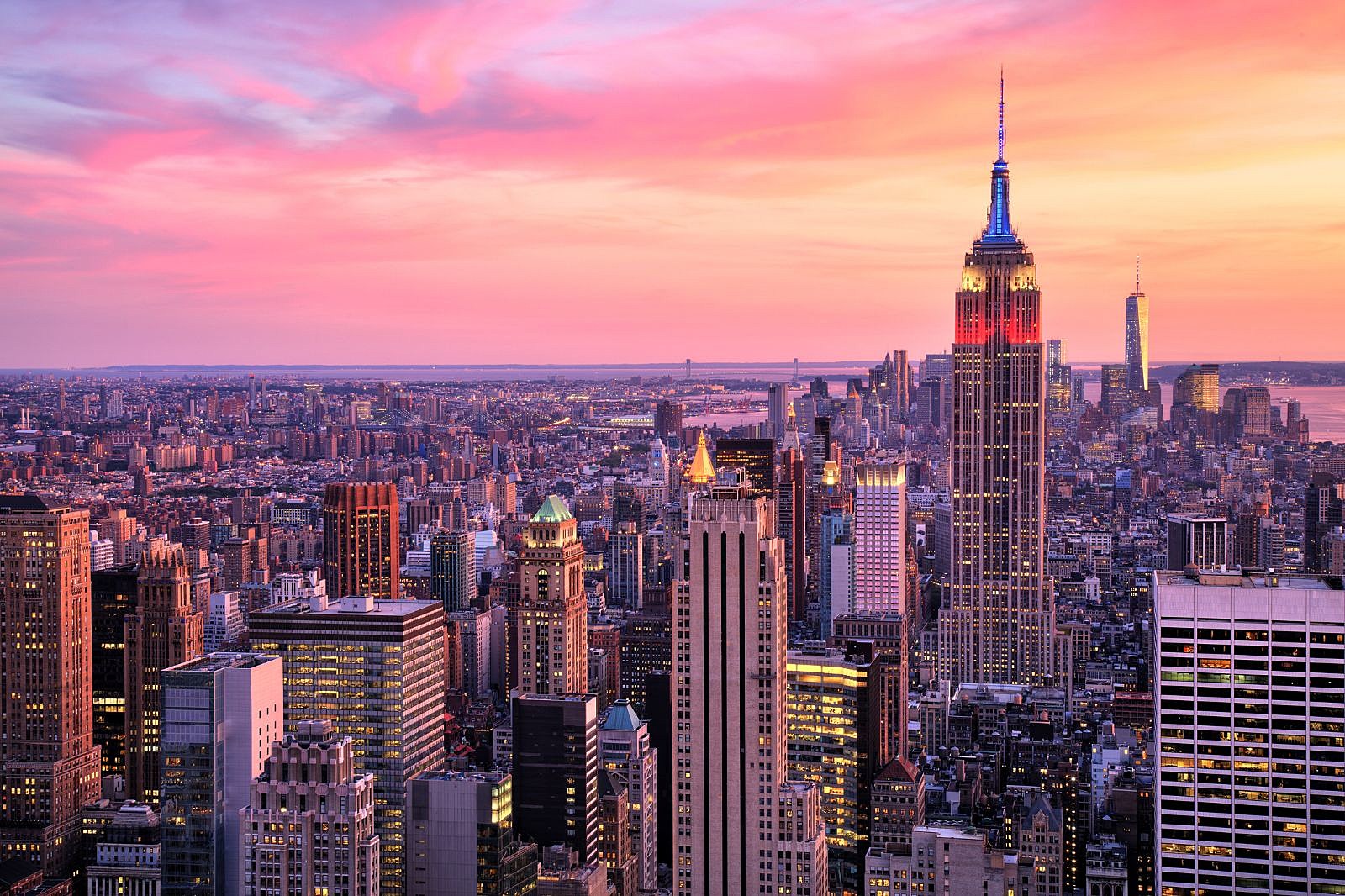
The most prominent symbol of New York’s architectural might is undeniably the Empire State Building. This art deco masterpiece, once the tallest building in the world, remains a powerful emblem of the city’s ambition and its architectural prowess. Its very name reinforces the state’s nickname, creating a symbiotic relationship between the landmark and the state’s identity. Visitors flock to its observation decks for breathtaking panoramic views of the city, a vista that truly captures the scale and scope of this urban empire.
Beyond the Empire State Building, New York City is a treasure trove of architectural gems. The Chrysler Building, with its distinctive spire, and the historic Grand Central Terminal, a Beaux-Arts marvel, are just a few examples of the structures that have shaped the city’s skyline and its identity. These buildings are not merely functional; they are monuments to innovation, ambition, and the enduring spirit of progress that defines New York.
Beyond the City: Historic Sites and Natural Wonders
While New York City often dominates the perception of the state’s grandeur, its influence extends far beyond the five boroughs. Upstate New York boasts its own share of significant historical sites and natural wonders.
The Adirondack Mountains, for instance, offer a majestic natural landscape that speaks to the state’s vastness and its commitment to preserving natural beauty. Home to numerous lakes, forests, and the highest peak in New York, Mount Marcy, the Adirondacks provide a starkly beautiful contrast to the urban intensity of New York City. This natural empire within the state offers a wealth of outdoor activities, from hiking and camping to skiing and fishing, appealing to a wide range of lifestyles.
Historically, areas like Niagara Falls are not only natural wonders but also significant attractions that draw millions. The sheer power and beauty of the falls have long been a symbol of nature’s own empire, awe-inspiring and formidable.
A Melting Pot of Culture and Cuisine
The “Empire State” moniker also reflects New York’s role as a cultural crossroads, a place where diverse peoples and ideas converge, creating a dynamic and ever-evolving cultural landscape. This diversity is most evident in its rich culinary scene and its vibrant artistic expressions.
Culinary Delights and Gastronomic Journeys
New York City is a global gastronomic capital, offering an unparalleled culinary journey that mirrors the diversity of its population. From Michelin-starred restaurants to humble street food vendors, the city’s food scene is an empire in itself, constantly innovating and delighting palates.
Visitors can embark on a culinary exploration that spans continents. Authentic Italian pasta dishes in Little Italy, spicy Sichuan cuisine in Chinatown, or flavorful Indian curries in Jackson Heights are just a few examples of the global flavors available. Beyond specific ethnic enclaves, New York is renowned for its iconic foods, such as the classic New York-style pizza, the pastrami on rye sandwich from a legendary deli like Katz’s Delicatessen, and the decadent cheesecake that has become synonymous with the city.
The broader New York State also offers unique culinary experiences. The Hudson Valley is increasingly recognized for its farm-to-table movement, with numerous wineries, craft breweries, and artisanal food producers offering a taste of local terroir. This regional focus on fresh, locally sourced ingredients contributes to the state’s diverse and evolving food culture.
Artistic Expression and Entertainment Hub
New York has long been a global center for arts and entertainment, further solidifying its empire-like influence. Broadway in New York City is the undisputed heart of American theater, showcasing world-class productions that draw audiences from around the globe. The sheer volume and quality of theatrical performances available are a testament to the city’s artistic dominance.
Beyond the stage, New York is home to some of the world’s most prestigious museums, including the Metropolitan Museum of Art, the Museum of Modern Art (MoMA), and the Guggenheim Museum. These institutions house vast collections spanning centuries and cultures, offering an immersive journey through human creativity and history. The art scene extends to numerous galleries, street art, and independent theaters, showcasing a dynamic and ever-evolving artistic landscape.
The state also plays a significant role in the music industry, with countless live music venues catering to every genre imaginable. From intimate jazz clubs in Greenwich Village to large concert arenas hosting international superstars, New York remains a vital hub for musical talent and innovation.
A Spectrum of Lifestyles: From Luxury to Budget Adventures
The “Empire State” designation also encompasses a wide spectrum of lifestyle choices, catering to every type of traveler and resident. Whether one seeks opulent luxury, budget-friendly adventures, or family-centric experiences, New York offers an empire of possibilities.
Luxury Escapes and High-End Experiences
For those who appreciate the finer things in life, New York provides an unparalleled luxury travel experience. New York City is home to some of the world’s most renowned luxury hotels, such as the Plaza Hotel and the St. Regis New York, offering exquisite accommodations and impeccable service. High-end shopping districts along Fifth Avenue and in SoHo cater to discerning tastes, featuring designer boutiques and flagship stores of global luxury brands.
Fine dining, exclusive spa treatments, and private tours of iconic attractions are all readily available for those seeking a lavish escape. The city’s vibrant nightlife, with its sophisticated cocktail bars and exclusive clubs, further enhances the allure of a luxury lifestyle.
Budget-Conscious Travel and Value Experiences
Conversely, “The Empire State” is far from inaccessible for budget-conscious travelers. New York offers a surprising number of affordable options for accommodation, dining, and entertainment. Hostels in New York City, budget-friendly hotels in areas outside the immediate tourist hotspots, and a plethora of affordable eateries, including food trucks and ethnic restaurants, make exploring the state possible on a tighter budget.
Many of New York’s most celebrated attractions can be enjoyed for free or at a low cost. Walking across the Brooklyn Bridge, exploring Central Park, or visiting numerous public art installations are all wonderful ways to experience the city’s essence without breaking the bank. Upstate New York also presents numerous opportunities for affordable exploration, particularly for outdoor enthusiasts who can enjoy camping, hiking, and exploring natural landscapes.
Family Adventures and Business Stays
New York also excels in providing memorable experiences for families and efficient solutions for business travelers. Family-friendly attractions abound, from the world-famous Central Park Zoo and the American Museum of Natural History to theme parks and interactive museums. Many hotels offer family suites and amenities designed to cater to younger guests.
For business travelers, New York offers a robust infrastructure of conference centers, business hotels, and excellent transportation networks. The state’s status as a global financial and business hub means that accommodation and services tailored to the needs of professionals are readily available.
In conclusion, the nickname “The Empire State” is a fitting descriptor for New York. It encapsulates the state’s historical power, its architectural grandeur, its rich cultural tapestry, its diverse culinary landscape, and its ability to cater to a vast array of lifestyles. From the soaring heights of its iconic buildings to the serene beauty of its natural landscapes, New York truly reigns as an empire of experiences.
LifeOutOfTheBox is a participant in the Amazon Services LLC Associates Program, an affiliate advertising program designed to provide a means for sites to earn advertising fees by advertising and linking to Amazon.com. Amazon, the Amazon logo, AmazonSupply, and the AmazonSupply logo are trademarks of Amazon.com, Inc. or its affiliates. As an Amazon Associate we earn affiliate commissions from qualifying purchases.