
The Oculus in New York City is far more than just a transportation hub; it is a monumental architectural marvel, a vibrant commercial center, and a poignant memorial that has quickly become an iconic landmark in the city’s ever-evolving skyline. Situated in the heart of Lower Manhattan, it serves as the centerpiece of the World Trade Center transportation complex, connecting commuters and visitors to various subway lines, the PATH train, and ferries serving Staten Island. Its distinctive design and multifaceted role make it a must-see destination for anyone exploring the dynamic landscape of New York City.
A Symbol of Resilience and Architectural Vision
The genesis of the Oculus is intrinsically linked to the tragic events of September 11, 2001, and the subsequent rebuilding efforts at the World Trade Center site. Designed by the acclaimed Spanish architect Santiago Calatrava, the structure is intended to symbolize hope and rebirth, rising from the ashes of the past.
The Santiago Calatrava Masterpiece
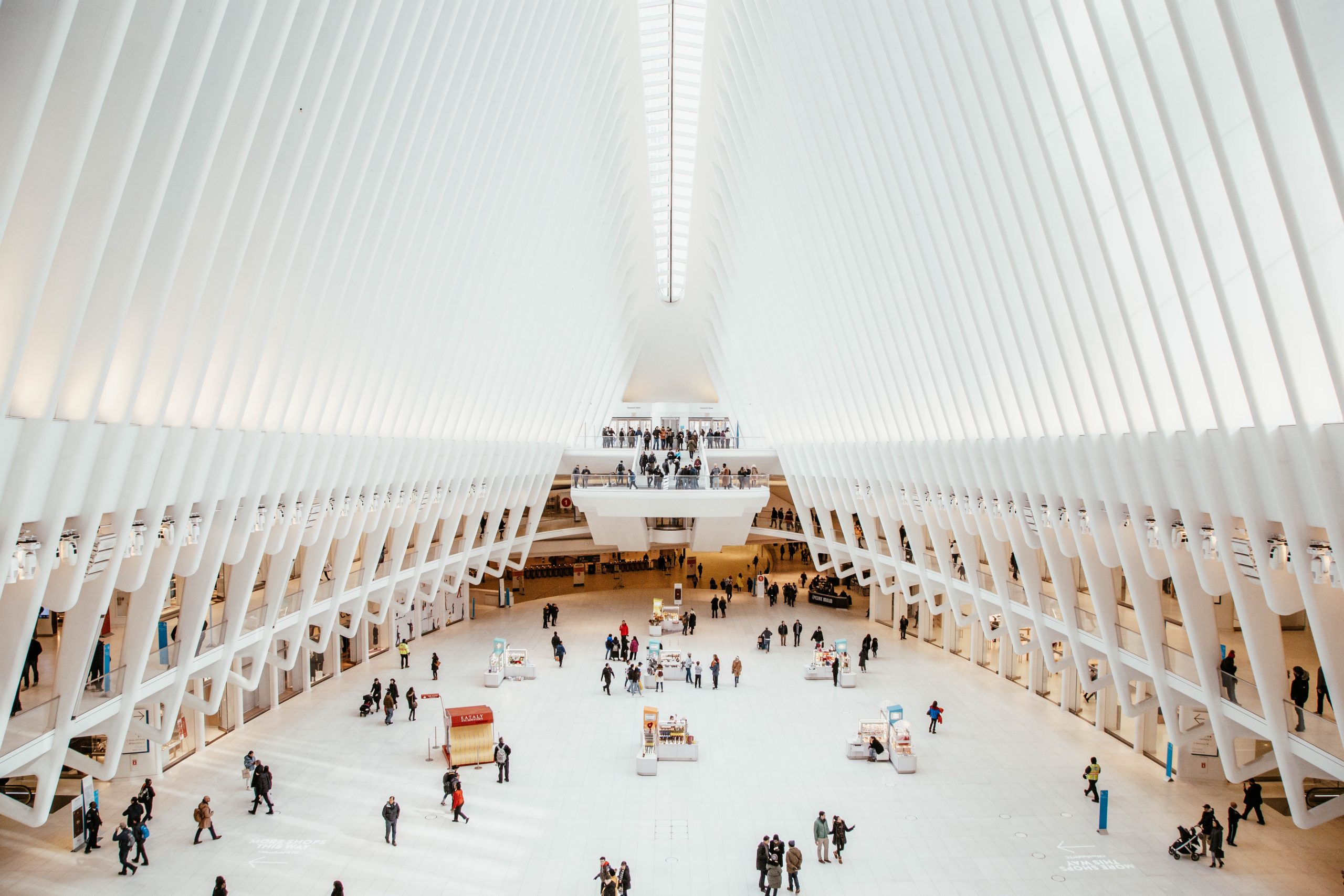
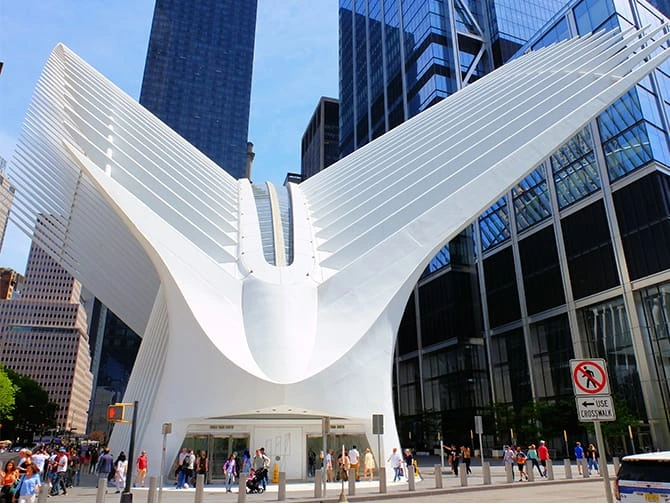
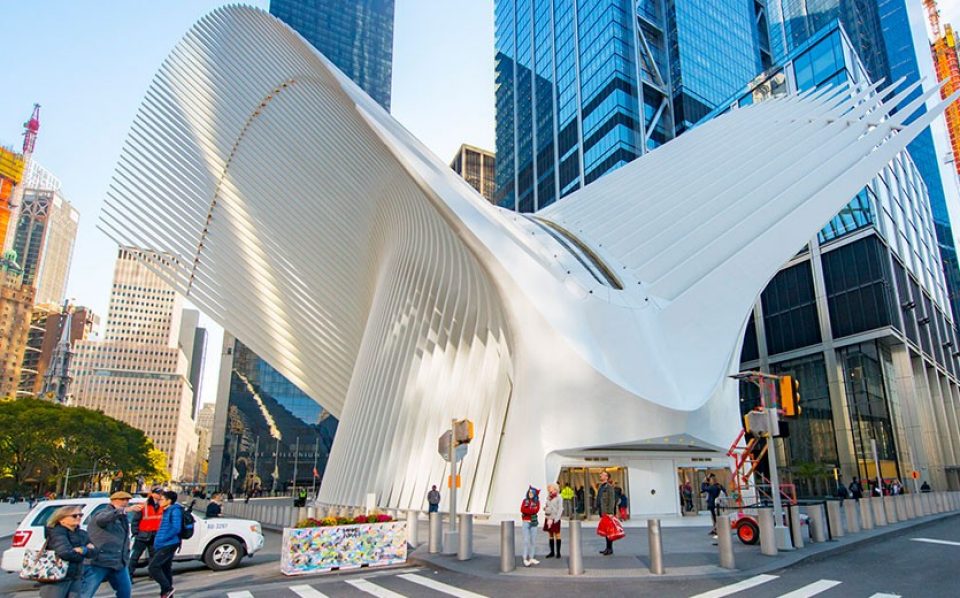
Santiago Calatrava is renowned for his fluid, organic designs that often evoke natural forms. The Oculus is no exception, drawing inspiration from the wings of a dove or, as some interpret it, a child releasing a bird. The sheer scale and complexity of the structure are breathtaking. It is characterized by its striking, symmetrical design featuring two opposing, wing-like arches crafted from steel, spanning an immense central hall. The exterior is clad in white marble and glass, allowing natural light to flood the interior, creating an ethereal and uplifting atmosphere.
A Memorial and a Monument
Beyond its aesthetic appeal, the Oculus serves as a powerful reminder of the lives lost on 9/11. Integrated within its structure is the National September 11 Memorial & Museum, a place of solemn remembrance and reflection. The very act of traversing the Oculus can feel like a journey through a space that honors the past while embracing the future. The juxtaposition of its soaring, modern design with the profound historical significance of its location creates a unique and moving experience for all who visit.
The Heart of Connectivity: Transportation Hub of Lower Manhattan
At its core, the Oculus is a vital transportation nexus, facilitating the daily commutes of thousands and offering seamless connections for tourists exploring New York City. Its strategic location makes it a key gateway to many of the city’s most important destinations.
Connecting the City and Beyond
The Oculus is a central hub for multiple transit lines. It is a major station for the Metropolitan Transportation Authority (MTA) subway system, serving lines such as the 1, 2, 3, A, C, E, R, and W trains. This extensive network provides direct access to vast swaths of Manhattan, as well as Brooklyn and Queens. Furthermore, the PATH train connects New Jersey commuters directly to the heart of New York City via stations in Hoboken, Jersey City, and Newark. The nearby St. George Terminal on Staten Island provides access to the renowned Staten Island Ferry, offering free and spectacular views of the Manhattan skyline and the Statue of Liberty.
Seamless Navigation and Visitor Experience
The design of the Oculus prioritizes ease of navigation for its millions of users. Clear signage, expansive concourses, and intuitive layouts help travelers find their connections efficiently. For visitors, it serves as an excellent starting point for exploring Lower Manhattan’s rich history and attractions, including the nearby 9/11 Memorial & Museum, One World Observatory, and the historic Financial District. The sheer volume of movement within its halls contributes to the vibrant, pulsating energy of this urban epicenter.
A Premier Retail and Dining Destination
More than just a transit point, the Oculus has evolved into a significant retail and dining destination, drawing shoppers and diners from across the city and beyond. Its prime location and impressive scale have attracted a curated selection of high-end and popular brands, creating a dynamic commercial environment.
Westfield World Trade Center: A Shopper’s Paradise
The retail component of the Oculus is managed by Westfield Group and is known as Westfield World Trade Center. This shopping complex houses over 100 retailers, offering a diverse range of products from fashion and accessories to electronics and specialty goods. Visitors can find flagship stores of renowned international brands alongside unique boutiques, making it a comprehensive destination for all shopping needs. The airy, light-filled interior of the shopping mall complements the architectural splendor of the Oculus itself, providing a pleasant and engaging retail experience.
Culinary Delights and Public Spaces
The culinary offerings within the Oculus are as varied as its retail selection. A wide array of restaurants, cafes, and food vendors cater to every taste and budget, from quick grab-and-go options for commuters to sit-down dining experiences. Whether you’re seeking a morning coffee, a leisurely lunch, or an evening meal, the Oculus provides ample choices. Beyond commerce and transit, the vast central atrium often serves as a public gathering space, hosting events, exhibitions, and impromptu performances, further cementing its role as a dynamic cultural and social hub within New York City.
Experiencing the Oculus: Tips for Visitors
Visiting the Oculus is an experience in itself, offering a blend of architectural admiration, historical reflection, and urban exploration. Whether you are arriving in New York City or simply passing through, there are ways to maximize your visit.
Navigating the Structure
To truly appreciate the grandeur of the Oculus, take time to simply walk through its main hall and admire the soaring architecture. Look up at the intricate steelwork and the way natural light filters through the glass. Pay attention to the directional signage to understand the flow of the transportation hub. If you’re using it for transit, allow a little extra time to soak in the surroundings before heading to your platform.
Combining with Nearby Attractions
The Oculus is an ideal starting point for exploring the many significant sites in the vicinity. A visit can easily be combined with tours of the 9/11 Memorial & Museum, ascending One World Observatory for panoramic views, or exploring the historic Stone Street and the Financial District. A walk across the Brooklyn Bridge or a ferry ride from the nearby terminal are also excellent options for experiencing more of what Lower Manhattan has to offer. For those looking for a more extended stay, numerous hotels are situated within easy reach, offering convenient access to this architectural wonder and the rest of the city.
LifeOutOfTheBox is a participant in the Amazon Services LLC Associates Program, an affiliate advertising program designed to provide a means for sites to earn advertising fees by advertising and linking to Amazon.com. Amazon, the Amazon logo, AmazonSupply, and the AmazonSupply logo are trademarks of Amazon.com, Inc. or its affiliates. As an Amazon Associate we earn affiliate commissions from qualifying purchases.