
The skyline of New York is a tapestry woven with iconic structures, each telling a story of ambition, innovation, and cultural significance. Among these, one building has captured the attention of locals and visitors alike for its striking, almost otherworldly design: The Oculus. More than just a transportation hub, this architectural marvel stands as a testament to modern engineering and artistic vision, deeply embedded within the fabric of Lower Manhattan. Understanding what the Oculus is requires delving into its multifaceted identity, encompassing its purpose, its design, and its role as a vibrant destination in itself.
The Genesis of a Masterpiece: A Vision Unveiled
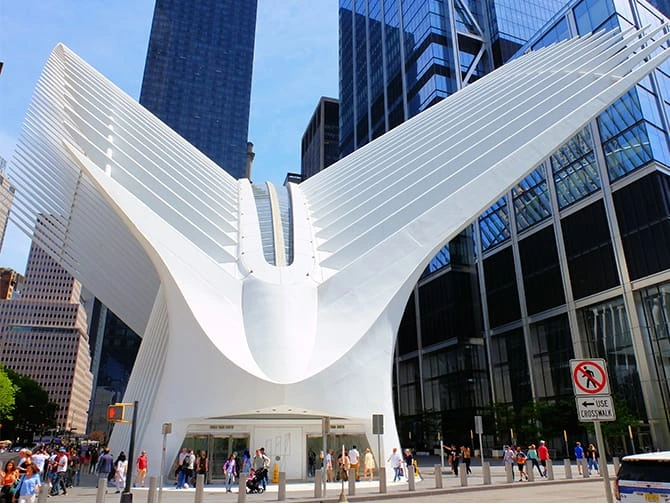
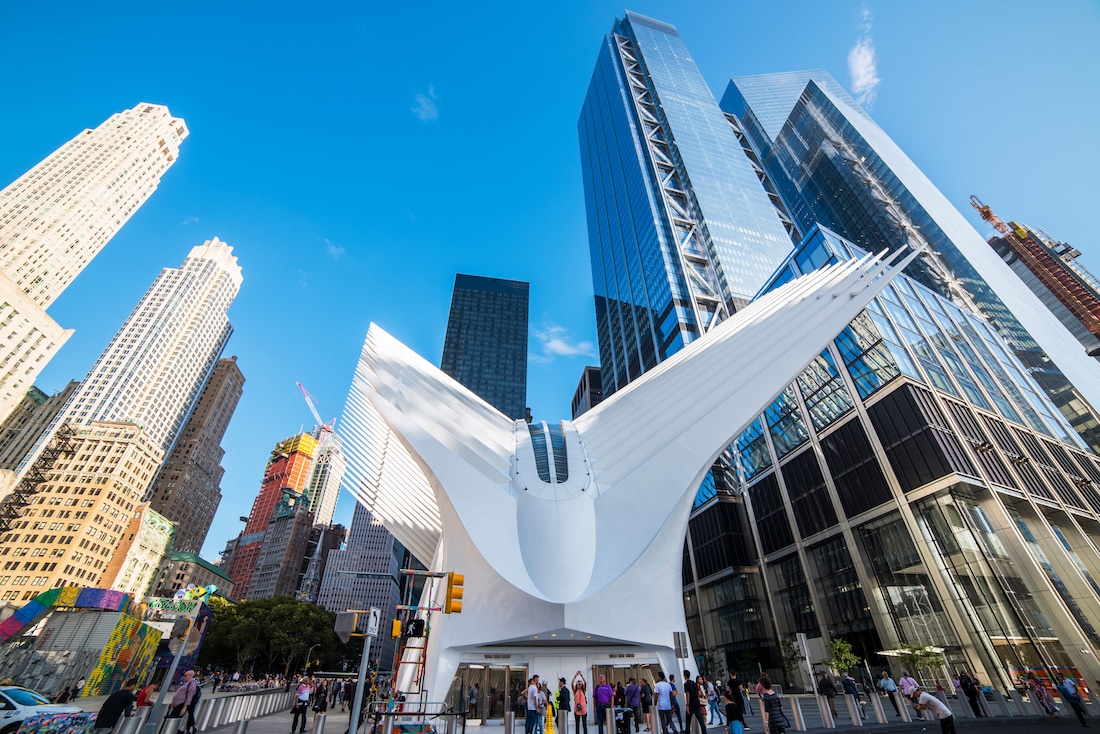
The origins of The Oculus are rooted in the ambitious redevelopment plans for the World Trade Center site following the tragic events of September 11, 2001. Its creation was envisioned not merely as a replacement for the destroyed PATH station, but as a symbol of resilience, a beacon of hope, and a grand gateway to a revitalized financial district. The project was entrusted to the renowned Spanish architect Santiago Calatrava, known for his distinctive, often biomorphic, designs that blend art and engineering. Calatrava’s concept for the World Trade Center Transportation Hub, colloquially known as The Oculus, was inspired by the form of a bird being released from a child’s hand, a powerful metaphor for freedom and rebirth.
Architectural Significance and Design Philosophy
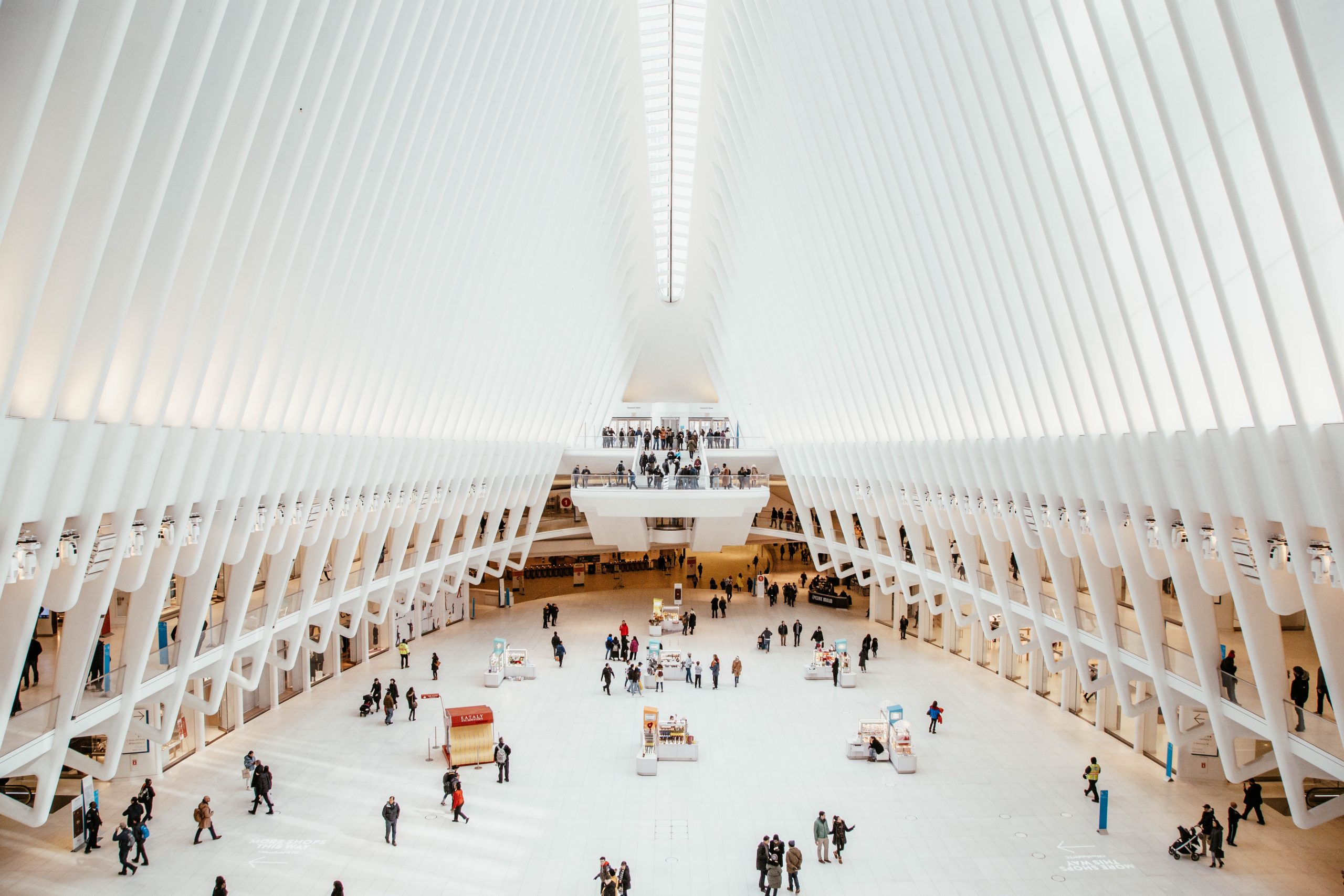
Calatrava’s design is characterized by its soaring, wing-like steel ribs that encase the building, creating a dramatic, skeletal structure that culminates in a central skylight. This expansive glass roof, when opened, allows natural light to flood the interior, transforming the space into a luminous cathedral of glass and steel. The sheer scale of the structure, with its total length of 350 feet and a width of 210 feet at its widest point, is awe-inspiring. The skeletal wings reach a height of 120 feet, further emphasizing its monumental presence.
The use of white marble for the flooring and interior walls contributes to the sense of purity and light, creating an ethereal atmosphere that is both calming and invigorating. The design is not just about aesthetics; it is a carefully orchestrated symphony of structural integrity and artistic expression. The intricate network of steel beams and supports, visible throughout the concourse, showcases the immense engineering challenges that were overcome to bring Calatrava’s vision to life. The building’s unique form is instantly recognizable, making it a new landmark in the New York cityscape.
The Inspirational Symbolism
Beyond its functional purpose and architectural grandeur, The Oculus carries profound symbolic weight. The “wings” are designed to open, symbolizing a fresh start and a renewed spirit for the World Trade Center site and for New York as a whole. The abundance of natural light, achieved through the expansive skylight, represents transparency and optimism. The white marble further evokes a sense of peace and permanence. The Oculus stands as a powerful reminder of the city’s ability to rebuild and to emerge stronger from adversity, making it a place of quiet contemplation and enduring hope.
Functionality Beyond Aesthetics: A Vital Transportation Hub
While its striking appearance draws immediate attention, The Oculus is, at its core, a highly functional transportation nexus. It serves as the primary connection for commuters traveling between New Jersey and Manhattan via the Port Authority Trans-Hudson (PATH) train system. The station’s design was specifically intended to streamline the commuter experience, offering a seamless transition between transit and the surrounding urban environment.
Connecting Communities: The PATH Station
The Oculus houses the main station for the PATH trains, serving multiple lines that connect commuters to key destinations in New Jersey, including Hoboken, Jersey City, and Newark, as well as various points within Lower Manhattan. The underground concourse is a crucial artery for thousands of daily commuters, providing a comfortable and visually stimulating environment for their journeys. The scale of the station is designed to accommodate high volumes of foot traffic, with wide, open spaces that reduce congestion and enhance the flow of people.
Integration with Other Transit Networks
The functionality of The Oculus extends beyond the PATH system. It is strategically linked to the New York City Subway system, providing access to numerous subway lines that crisscross the city. This integration makes The Oculus a vital transportation hub for a vast network of travelers, allowing for easy access to uptown, downtown, and various boroughs. Passengers can easily transfer to lines such as the 1, 2, 3, A, C, E, R, W, J, and Z, further solidifying its role as a central point in the city’s public transportation infrastructure. This connectivity is essential for the daily life and economic vitality of the surrounding areas.
An Urban Destination: Retail, Dining, and Cultural Experiences
The Oculus has transcended its initial designation as a transportation hub to become a vibrant urban destination in its own right. Its magnificent structure provides a unique setting for a curated selection of retail outlets, dining establishments, and public spaces, attracting locals and tourists alike to explore its impressive interior. The integration of commerce and culture within a transit facility is a modern approach to urban planning, aiming to create dynamic and multi-functional public spaces.
The Westfield World Trade Center: A Retail Haven
Nestled within the lower levels of The Oculus is the Westfield World Trade Center, a sprawling retail complex that offers a sophisticated shopping experience. This impressive mall houses a diverse range of stores, from high-end fashion brands and popular lifestyle retailers to specialty boutiques and technology outlets. Shoppers can find everything from designer clothing and accessories to books, electronics, and unique gifts. The retail environment is designed to complement the architectural grandeur of The Oculus, with bright, open spaces and high-quality finishes.
Culinary Delights: A Gastronomic Journey
The dining options within The Oculus cater to a wide array of tastes and preferences. Visitors can choose from a variety of eateries, ranging from casual cafes and quick-service restaurants to more upscale dining establishments. Whether one is seeking a quick coffee and pastry on the go, a gourmet lunch, or a relaxing dinner, the culinary scene within The Oculus offers ample choices. This variety ensures that visitors can easily find something to satisfy their hunger while on their commute, during a shopping excursion, or as a destination in itself for a meal.
Art, Events, and Public Spaces
Beyond its commercial offerings, The Oculus is also a venue for cultural experiences and public gatherings. The vast, open central concourse serves as a dramatic backdrop for events, exhibitions, and public art installations. The building’s inherent beauty and its symbolic significance often make it a focal point for commemorative ceremonies and city-wide celebrations. The presence of public art, whether temporary or permanent, further enhances the visitor experience, turning transit into an opportunity for cultural enrichment. The Oculus is not just a place to pass through; it is a place to experience, engage, and be inspired by the dynamism of New York.
LifeOutOfTheBox is a participant in the Amazon Services LLC Associates Program, an affiliate advertising program designed to provide a means for sites to earn advertising fees by advertising and linking to Amazon.com. Amazon, the Amazon logo, AmazonSupply, and the AmazonSupply logo are trademarks of Amazon.com, Inc. or its affiliates. As an Amazon Associate we earn affiliate commissions from qualifying purchases.