
Welcome to Oregon, a land of unparalleled natural beauty, vibrant cities, and diverse landscapes. From the rugged coastline to the snow-capped peaks of the Cascades, and from the bustling urban sprawl of Portland to the serene high desert, Oregon offers an endless array of experiences for every type of traveler. However, before you embark on your Oregon adventure, understanding its time zone is crucial for seamless travel planning, optimal enjoyment of local attractions, and a truly immersive experience. Whether you’re flying in from across the country or simply planning a road trip, a clear grasp of Oregon’s time will help you avoid missteps, maximize your itinerary, and truly sync with the rhythm of the Beaver State.

This guide will delve into the intricacies of Oregon’s time zone, explaining the nuances of Pacific Standard Time and Pacific Daylight Time, and providing invaluable insights into how these time shifts impact various aspects of your journey – from booking accommodations and planning activities to navigating local culture and optimizing your lifestyle on the go. Get ready to set your watches, because an unforgettable Oregon experience awaits!
Decoding Oregon’s Time: Pacific Standard Time (PST) and Pacific Daylight Time (PDT)
Understanding the fundamental time designations used in Oregon is the first step toward a well-planned trip. While many states straddle multiple time zones, Oregon largely simplifies matters by adhering to a single primary zone across its entire expanse.
The Core of Oregon’s Time: GMT-8 and GMT-7
Oregon operates predominantly within the Pacific Time Zone. This means that for the majority of the year, the state observes either Pacific Standard Time (PST) or Pacific Daylight Time (PDT).
- Pacific Standard Time (PST): During the colder months, from early November to mid-March, Oregon follows PST. This time zone is 8 hours behind Coordinated Universal Time (UTC), often expressed as UTC-8. For travelers, this means a significant time difference if you’re arriving from the Eastern Seaboard (3 hours behind Eastern Time) or even the Midwest (2 hours behind Central Time). When planning your arrival in cities like Salem or Eugene during this period, factoring in this time difference is essential for managing airport transfers, hotel check-ins, and any immediate plans.
- Pacific Daylight Time (PDT): As the days lengthen and spring arrives, Oregon transitions to PDT. This period, roughly from mid-March to early November, sees the clocks “spring forward” by one hour. PDT is 7 hours behind Coordinated Universal Time (UTC), or UTC-7. The switch to PDT means an additional hour of daylight in the evenings, which is fantastic for sightseeing, enjoying outdoor dining, and exploring attractions like Crater Lake National Park or the Oregon Coast later into the day. This shift impacts everything from opening hours of landmarks to the timing of sunset views over the Pacific Ocean.
While almost all of Oregon adheres to the Pacific Time Zone, it’s worth noting that a tiny sliver of Malheur County, in the far southeast corner bordering Idaho, technically observes Mountain Time. However, for the vast majority of tourists and for nearly all destinations you’ll encounter, focusing solely on PST/PDT is sufficient.
Navigating Daylight Saving Time in Oregon
The annual ritual of Daylight Saving Time (DST) is a significant aspect of Oregon’s time cycle that travelers must be aware of.
- When it Happens: In Oregon, Daylight Saving Time begins on the second Sunday in March when clocks “spring forward” one hour, effectively shifting from PST to PDT. It concludes on the first Sunday in November when clocks “fall back” one hour, returning to PST.
- Implications for Travelers: This transition can have a subtle yet impactful effect on your travel plans. If you arrive in Oregon on the day DST begins or ends, double-check your flight times, hotel check-in schedules, and any pre-booked tours or activities. Most modern devices adjust automatically, but it’s always wise to confirm. The “spring forward” can mean losing an hour of sleep, potentially exacerbating jet lag, while the “fall back” can feel like gaining an hour, which can be a pleasant bonus.
- Impact on Daily Activities: The shift to PDT brings longer evenings, ideal for extended hikes in Silver Falls State Park, lingering over dinner in McMinnville‘s Willamette Valley wine country, or catching a sunset from Pittock Mansion overlooking Portland. Conversely, during PST, evenings arrive earlier, making morning activities like visiting the Oregon Zoo or exploring Powell’s City of Books feel more leisurely before daylight fades. Being aware of these shifts allows you to optimize your daily itinerary to truly soak in all that Oregon has to offer.
Time Zones and the Traveler’s Experience: Planning Your Oregon Adventure
Understanding Oregon’s time zone goes beyond mere technicality; it’s a strategic tool for enhancing your entire travel experience. From combating the dreaded jet lag to ensuring you don’t miss a single breathtaking moment, time zone awareness is key.
Mastering Jet Lag and Optimizing Your Itinerary
For many visitors to Oregon, especially those arriving from the East Coast or international destinations, jet lag can be a real challenge. The body’s internal clock, or circadian rhythm, struggles to adjust to sudden shifts in light and dark cycles.
- Strategies for Combating Jet Lag: To minimize its impact, start adjusting your sleep schedule a few days before your trip by gradually shifting your bedtime closer to Oregon time. Stay hydrated during your flight and upon arrival. Exposure to natural light during Oregon’s daytime hours and avoiding heavy meals or excessive alcohol can also aid in adjustment. Many hotels and resorts in Portland or Bend offer amenities like blackout curtains, calming teas, or even spa services designed to help guests relax and acclimate.
- Optimizing Your Itinerary: Knowing the time difference helps you strategically plan your arrival and initial activities. If arriving late, schedule a relaxing evening with an early dinner and an early bedtime. If arriving in the morning, try to stay awake and active until the local bedtime to quickly reset your internal clock. Pre-booking tours, such as a Columbia River Gorge waterfall tour or a wine tasting in the Willamette Valley, should always be done with your adjusted time in mind. Confirming these times with local operators will prevent any missed opportunities. For longer stays, gradually shifting activities over a day or two can ensure you’re fully energized for highlights like hiking Mount Hood or exploring the Oregon Dunes National Recreation Area.
Hotels, Dining, and Local Culture: Syncing with Oregon’s Rhythm
The local clock doesn’t just dictate sunrise and sunset; it shapes the very fabric of daily life in Oregon. From hotel operations to dining experiences and cultural immersion, being in sync with local time is paramount.
- Accommodation Considerations: When making hotel reservations, confirm check-in and check-out times, especially if your arrival or departure coincides with a Daylight Saving Time change. Many hotels and apartments offer flexible options like early check-in or late check-out, sometimes for an additional fee, which can be a lifesaver when dealing with time zone shifts. Boutique hotels in Ashland or Sisters might have more personalized service to accommodate unique schedules.
- Dining and Attractions: Oregon’s vibrant culinary scene, from farm-to-table restaurants in Portland to fresh seafood eateries in Newport, operates on local time. Dining reservations should be made with this in mind, particularly for popular spots that fill up quickly. Similarly, the operating hours of major attractions like the Oregon Museum of Science and Industry (OMSI), the International Rose Test Garden, or even specific brewery tours in Hood River are strictly tied to the Pacific Time Zone. Always double-check these times, especially on weekends or holidays, to avoid disappointment.
- Embracing Local Rhythms: Part of the joy of tourism is experiencing the local culture. In Oregon, this means adapting to the pace of life. A leisurely morning coffee ritual might start later in a coastal town like Cannon Beach, while a vibrant arts scene in Eugene might peak in the late afternoon. By syncing with the local clock, you gain a deeper appreciation for the daily routines and traditions that make each Oregon destination unique.
Oregon’s Regions Through the Lens of Time: Destinations and Activities
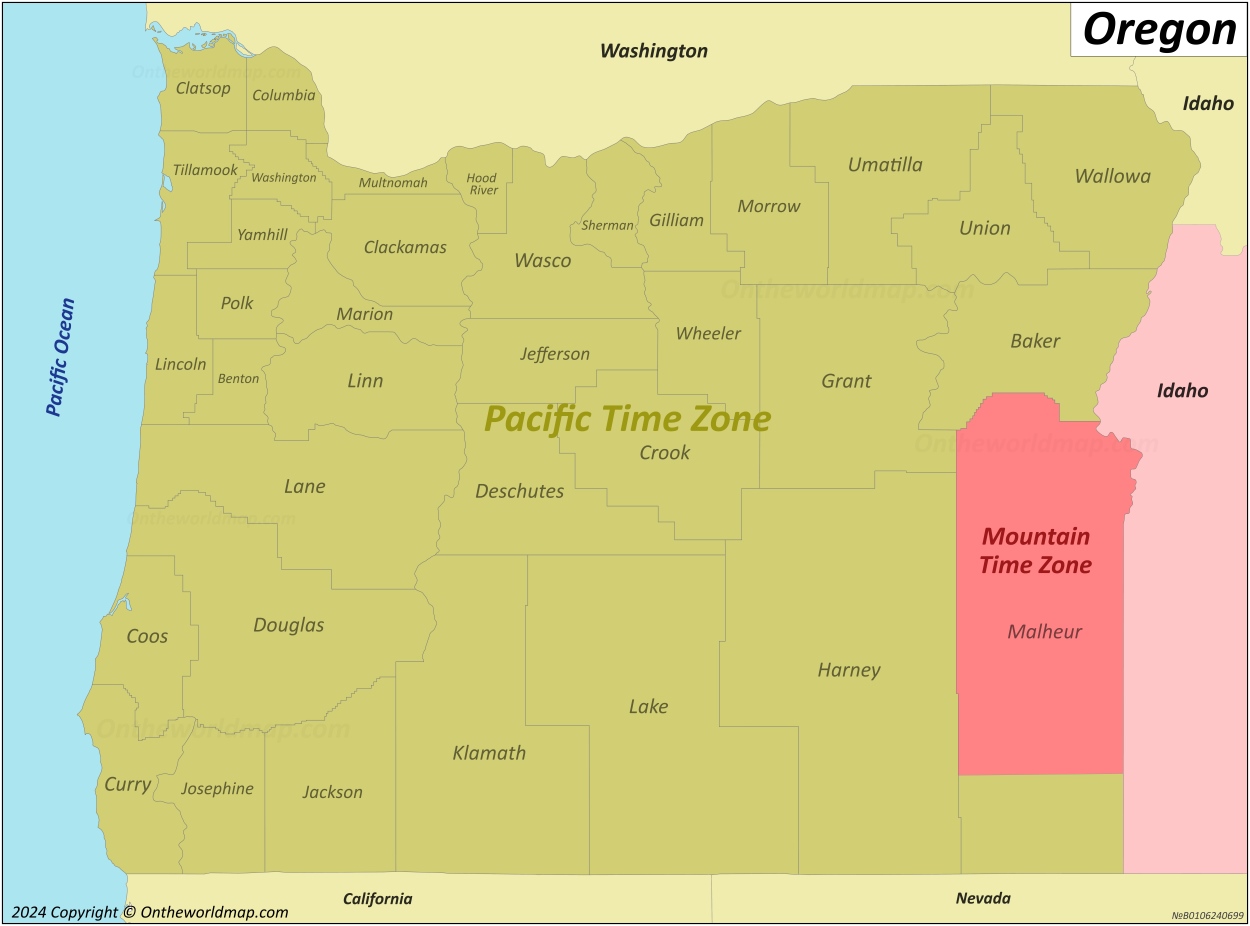
While the entire state largely adheres to the Pacific Time Zone, how that time manifests and influences your activities can vary significantly across Oregon’s diverse regions. Each area offers unique attractions and experiences that are subtly, or overtly, shaped by the clock.
Urban Exploration: Portland and the Willamette Valley
The urban heart of Oregon pulses on Pacific Time. Portland, Salem, Eugene, and the surrounding Willamette Valley demand precise timing for many activities.
- City Life: In Portland, knowing the time is essential for navigating public transport, making reservations for acclaimed restaurants, or catching a show at a historic theater. Museums like OMSI or attractions like the Oregon Zoo have strict operating hours. During PDT, the longer daylight hours make it possible to enjoy a full day of sightseeing followed by an evening stroll along the Willamette River or a visit to a famous food cart pod.
- Wine Country: The Willamette Valley, famous for its Pinot Noir, is dotted with numerous vineyards and wineries around towns like McMinnville and Corvallis. Tasting room hours are often fixed, and some require appointments, particularly for private tours or experiences. Coordinating these visits with travel time between locations, all while minding the clock, ensures you make the most of your wine-tasting journey.
Coastal Escapes: The Oregon Coast
The majestic Oregon Coast offers a different relationship with time, where natural cycles often dictate the schedule.
- Tides and Tours: Towns like Astoria, Cannon Beach, Newport, and Florence are heavily influenced by the tides. Activities like tide pooling around Haystack Rock or exploring sea caves are entirely dependent on low tide, which shifts daily based on the moon’s cycle. Whale watching tours from Depoe Bay or deep-sea fishing charters will also have specific departure times that need to be accounted for in your travel plans.
- Sunrise and Sunset: The incredible coastal sunsets are a highlight for many, but their timing varies significantly between PST and PDT. During the summer (PDT), you can enjoy extended evenings with ample light for beach walks in Seaside or exploring landmarks like the Astoria Column. In winter (PST), sunsets are earlier, meaning you need to plan your scenic drives along the Samuel H. Boardman State Scenic Corridor accordingly to catch the dramatic light. Visiting historical sites like Fort Clatsop National Memorial also requires attention to their specific operating hours.
High Desert Adventures: Central Oregon and the Cascades
Central Oregon, encompassing cities like Bend and Sisters, along with the stunning Cascades mountain range, is an outdoor enthusiast’s paradise. Time management here is crucial for maximizing adventure.
- Outdoor Activities: Whether you’re skiing on Mount Bachelor, hiking in the Three Sisters Wilderness, or kayaking on the Deschutes River, daylight hours are your most valuable resource. In summer (PDT), the long evenings provide ample time for extended hikes or an extra run down the slopes. During winter (PST), shorter days mean earlier starts for activities to ensure you complete them safely before dark. Check opening times for visitor centers at Crater Lake National Park or the High Desert Museum to plan your day effectively.
- Driving Times: Central Oregon covers vast distances. While adhering to Pacific Time, the sheer scale of the landscape means that what looks like a short drive on a map can take hours. Factor in generous travel times between destinations like Bend and the Painted Hills within the John Day Fossil Beds National Monument to ensure you arrive during optimal viewing hours or before attractions close.
Eastern Oregon: A Glimpse into the Past
While maintaining Pacific Time, Eastern Oregon presents unique challenges and rewards for the time-conscious traveler. This vast, less-populated region offers a different sense of time itself.
- Distances and Isolation: Travel through Eastern Oregon to places like Baker City or the Wallowa Mountains means confronting significant distances between towns and services. While still on PST/PDT, the time it takes to traverse these landscapes can feel much longer. Gas stations, restaurants, and accommodation options are less frequent, so planning ahead and being mindful of time for fueling up or reaching your next stop before dark is paramount.
- Remote Attractions: Attractions like Hells Canyon National Recreation Area or the Painted Hills require dedication to reach. Their opening hours, if applicable, are strictly Pacific Time. The feeling of being “off the grid” can make time feel more fluid, but practicalities like tour departures or even simply getting back to your lodging by a reasonable hour demand adherence to the clock.
Lifestyle and Logistics: Maximizing Your Oregon Journey
Regardless of your travel style, a thoughtful approach to time management will significantly enhance your Oregon experience. Understanding how the Pacific Time Zone impacts different lifestyles of travel is key to a smooth and enjoyable trip.
Tailoring Your Trip: Luxury, Budget, Family, and Business
Each travel lifestyle has specific time-related considerations.
- Luxury Travel: For those indulging in luxury travel, time is often equated with seamless efficiency. Concierge services at high-end resorts like Timberline Lodge or exclusive villas in the Rogue Valley can manage your schedule, ensuring private tours, fine dining reservations, and spa treatments are perfectly timed. Even then, awareness of local time is crucial for coordinating with guides or attending special events. The goal is to maximize experiences without feeling rushed, allowing the Oregon clock to work for you.
- Budget Travel: Budget travel often involves making the most of free or low-cost activities and being flexible with schedules. This means leveraging off-peak hours for attractions, utilizing public transport (which operates on strict schedules in cities like Portland), and enjoying extended daylight hours during PDT for outdoor adventures that cost nothing. Planning meal times carefully to take advantage of happy hour specials or avoiding peak dining hours can also save money and time.
- Family Trips: Traveling with family, especially young children, adds another layer of time zone complexity. Managing kids’ sleep schedules across time changes is vital to prevent meltdowns. Planning activities around nap times, early dinners, and ensuring sufficient downtime will make the trip more enjoyable for everyone. Look for family-friendly accommodations that understand the unique needs of families, perhaps offering amenities to help kids adjust to new time zones. Attractions like the Oregon Coast Aquarium in Newport or the Columbia River Maritime Museum in Astoria often have specific show times or interactive exhibits that need to be factored into your family’s daily rhythm.
- Business Stays: For business stays, managing meetings, presentations, and remote work across time zones is paramount. If you’re based in Portland but collaborating with colleagues on the East Coast, the three-hour difference requires careful scheduling. Hotels catering to business travelers often provide 24-hour business centers and high-speed internet, but it’s up to the individual to navigate their schedule efficiently. Setting clear communication expectations and using world clock apps are essential tools.

Essential Tools and Tips for Time Zone Management
Modern technology offers excellent tools to help you manage time zones effectively:
- Smartphone Clocks and World Clock Apps: Your smartphone automatically adjusts to local time, but it’s invaluable to set up a world clock showing your home time zone alongside Oregon time. This provides an instant reference for making calls home or scheduling virtual meetings.
- Pre-booking and Confirmation: Always pre-book critical activities, transportation, and accommodation, confirming all times in Pacific Time. When in doubt, call ahead to verify operating hours, especially for smaller, independently run businesses or seasonal attractions in areas like Grants Pass or Klamath Falls.
- Flexibility and Patience: Despite the best planning, travel can be unpredictable. Build some buffer time into your itinerary and be prepared for minor adjustments. A relaxed approach, even when facing a time crunch, will contribute to a more enjoyable journey.
In conclusion, understanding “What Is The Oregon Time Zone?” is more than just knowing whether it’s PST or PDT. It’s about empowering yourself with the knowledge to plan a seamless, enriching, and truly memorable travel experience. By syncing with Oregon’s clock, you unlock the full potential of its incredible destinations, vibrant culture, and diverse lifestyles. So, go ahead, set your watch, and prepare to immerse yourself in the timeless beauty and dynamic energy of Oregon!
LifeOutOfTheBox is a participant in the Amazon Services LLC Associates Program, an affiliate advertising program designed to provide a means for sites to earn advertising fees by advertising and linking to Amazon.com. Amazon, the Amazon logo, AmazonSupply, and the AmazonSupply logo are trademarks of Amazon.com, Inc. or its affiliates. As an Amazon Associate we earn affiliate commissions from qualifying purchases.