
The metropolis we know today as New York City, a global epicenter of finance, culture, and fashion, carries within its very name a rich historical tapestry. While the moniker “New York” is now universally recognized, it wasn’t the city’s first designation. To understand the evolution of this iconic urban landscape, we must journey back to its colonial origins and uncover the original name bestowed upon it by its European founders. This exploration not only reveals a fascinating piece of history but also sheds light on the complex geopolitical shifts that shaped the early development of North America.
From New Amsterdam to New York: A Colonial Transition
The story of New York‘s original name is inextricably linked to the ambitions of European powers vying for control of the lucrative trade routes and fertile lands of the New World. The area that would eventually become the vibrant New York City was first established as a Dutch settlement in the early 17th century.
The Dutch Foundation: New Amsterdam
In 1624, the Dutch West India Company, a powerful chartered company established by the Republic of the Seven United Netherlands, founded a settlement on the southern tip of Manhattan Island. This strategic location, overlooking the mouth of the Hudson River, was ideal for establishing a trading post and a defensive stronghold. The settlement was named New Amsterdam (Nieuw Amsterdam in Dutch), after the capital city of the Netherlands.
The primary objective of New Amsterdam was to serve as the administrative and commercial center for the Dutch colony of New Netherland (Nieuw-Nederland). The Dutch were keen to capitalize on the lucrative fur trade with the indigenous Lenape people and to establish a robust presence in the region. Early life in New Amsterdam was characterized by its frontier spirit, its diverse population comprising Dutch settlers, Walloons, and enslaved Africans, and its growing importance as a port. The settlement quickly developed into a bustling community, with a focus on trade, agriculture, and maritime activities. Fort Amsterdam, built at the southern tip of the island, served as the colony’s primary defense.
The Dutch governance in New Netherland was overseen by a Director-General, with Peter Minuit famously credited with the “purchase” of Manhattan Island from the Lenape in 1626 for goods valued at 60 guilders. This transaction, though a cornerstone of the colony’s establishment, is a complex historical event viewed through different lenses today. Despite its strategic advantages and growing population, New Netherland remained a relatively small colony compared to its English counterparts to the north and south.
The English Takeover and Renaming
The rivalry between the Dutch and the English for dominance in North America was a constant undercurrent in the 17th century. The English viewed Dutch control of the strategically vital Hudson River corridor as a threat to their own colonial expansion. This tension culminated in 1664 when England, under King Charles II, dispatched a fleet to take control of New Netherland by force.

The English fleet, led by Colonel Richard Nicolls, arrived in New Amsterdam harbor in August 1664. The Dutch Governor, Peter Stuyvesant, was initially defiant, but facing overwhelming military superiority and a lack of support from the populace who were apprehensive of a siege, he was compelled to surrender the colony without a single shot being fired.
Following the successful English conquest, King Charles II granted the newly acquired territory to his brother, James, the Duke of York and Albany. In honor of the Duke, the colony of New Netherland was renamed the Province of New York, and its principal city, New Amsterdam, was subsequently renamed New York City. This renaming marked a significant shift in the political and cultural landscape of the region, ushering in an era of English rule that would profoundly influence its future development. The transition was remarkably peaceful, with the English promising to respect the property rights and religious freedoms of the Dutch inhabitants, a policy that helped to integrate the existing population into the new administration.
The Enduring Legacy of “New York”
The name “New York” has since become synonymous with aspiration, innovation, and a vibrant, multicultural identity. The transformation from a Dutch trading post to an English colonial hub, and eventually to a modern global metropolis, is a testament to the city’s enduring spirit and its capacity for change.
From Colonial Capital to Global Icon
Under English rule, New York continued to grow as a vital port and commercial center. It served as the capital of the Province of New York for much of the colonial period, playing a crucial role in the political and economic life of the colonies. During the American Revolution, New York was a key strategic location, witnessing significant military campaigns and eventually becoming the first capital of the United States under the new Constitution.
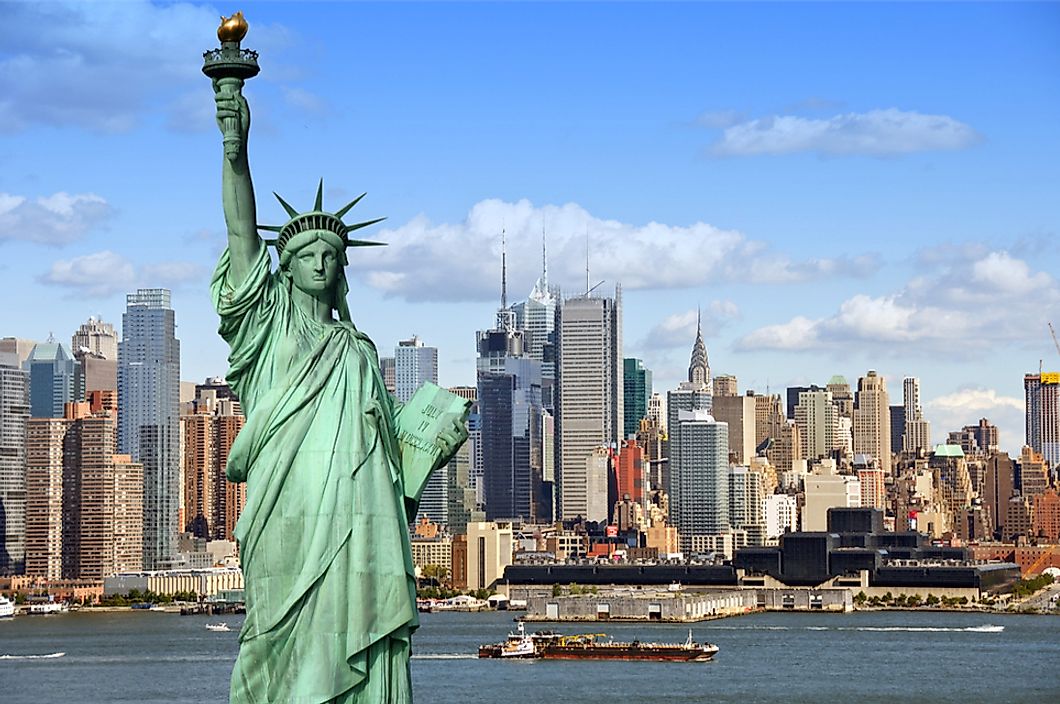
The 19th and 20th centuries saw New York explode in population and influence, fueled by waves of immigration, industrialization, and its emergence as a leading center for finance, arts, and media. The city’s skyline, dominated by towering skyscrapers, became an iconic symbol of progress and ambition. Landmarks such as the Statue of Liberty, a gift from the people of France, welcomed millions of immigrants to its shores, each contributing to the city’s rich cultural mosaic.
The Palimpsest of Place Names
The renaming of New Amsterdam to New York is not an isolated incident in the history of place names. Throughout history, as empires rise and fall, and as cultures interact and clash, cities and regions are frequently renamed to reflect new allegiances, aspirations, or historical reinterpretations. These name changes often serve as powerful symbolic markers of transition, signaling a break with the past and the dawn of a new era.
In the case of New York, the shift from a Dutch name to an English one reflects the broader geopolitical realities of the 17th century. The Dutch, though formidable traders and explorers, ultimately could not maintain their grip on North America against the expanding power of England. The name “New York” thus not only commemorates the Duke of York but also signifies the successful assertion of English sovereignty over a strategically vital territory.
Even today, traces of New York‘s Dutch past can be found in its street names (such as Wall Street, originally a defensive wall built by the Dutch) and in the enduring architectural styles of some older buildings. These remnants serve as a subtle reminder of the diverse colonial heritage that contributed to the making of this extraordinary city. Understanding the original name, New Amsterdam, allows us to appreciate the layers of history that have shaped the identity of New York City and its profound significance on the world stage. The city’s journey from a small Dutch settlement to a global titan is a narrative of resilience, adaptation, and the continuous reimagining of its destiny.
LifeOutOfTheBox is a participant in the Amazon Services LLC Associates Program, an affiliate advertising program designed to provide a means for sites to earn advertising fees by advertising and linking to Amazon.com. Amazon, the Amazon logo, AmazonSupply, and the AmazonSupply logo are trademarks of Amazon.com, Inc. or its affiliates. As an Amazon Associate we earn affiliate commissions from qualifying purchases.