
Colorado, often dubbed the “Centennial State,” is a land of dramatic contrasts, where the eastern Great Plains meet the majestic Rocky Mountains and transition into arid western plateaus. This incredible topographical diversity translates into a bewildering array of microclimates, making the question of “What is the planting zone for Colorado?” far more complex than a single answer. For travelers, understanding these planting zones is not merely a horticultural curiosity; it offers a deeper appreciation of the landscapes they traverse, the local agriculture they might encounter, and the seasonal activities that define various regions. It’s a lens through which to view Colorado’s vibrant natural beauty, plan the perfect trip, and experience the state’s diverse offerings, from lush alpine meadows to high-desert vineyards.
Understanding Colorado’s Diverse Climates and Topography
To fully grasp Colorado’s planting zones, one must first appreciate the geological forces and atmospheric conditions that shape its unique environment. This understanding is key for anyone planning to visit, whether for a scenic drive through the mountains, a stay at a luxurious Aspen resort, or an exploration of Denver’s urban attractions.
The USDA Plant Hardiness Zone System Explained
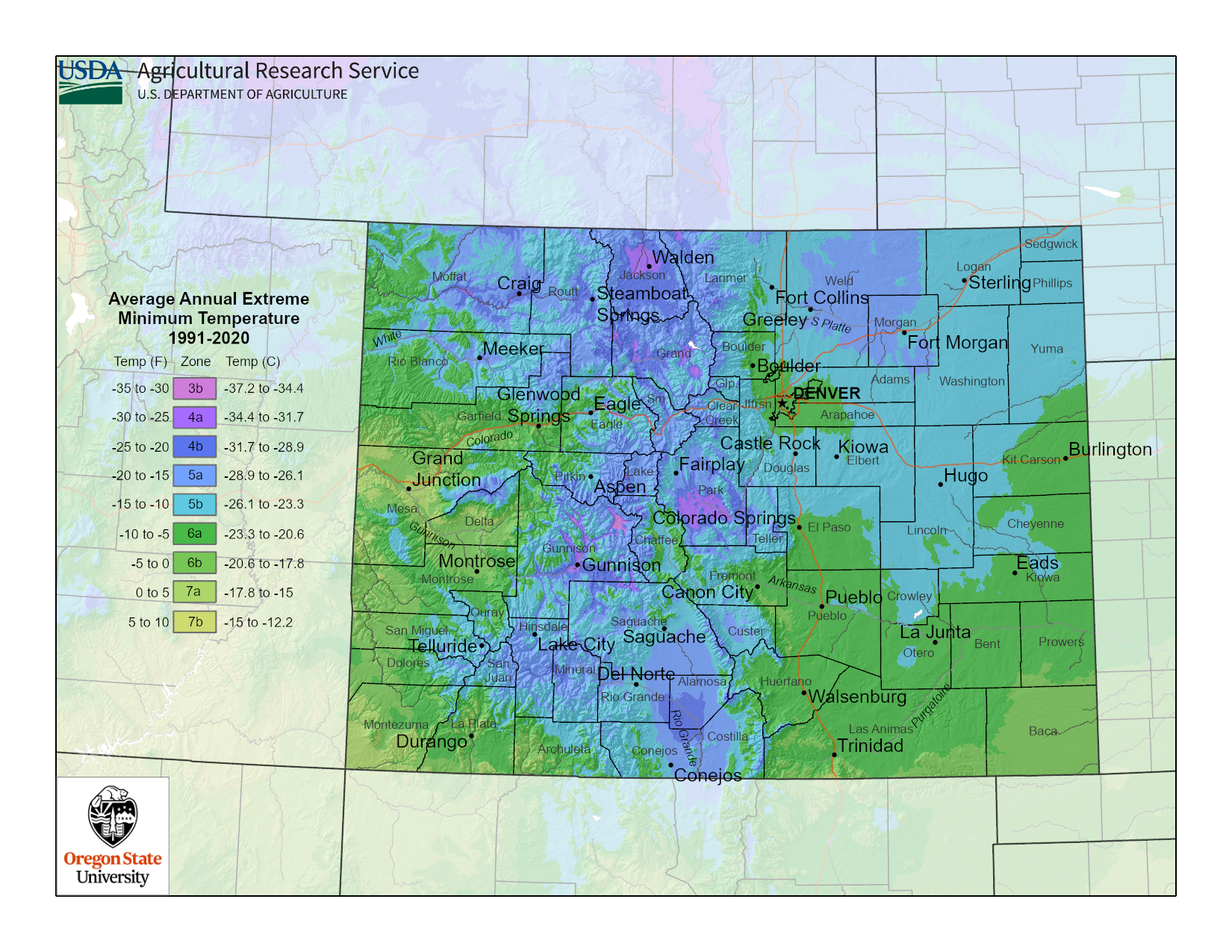
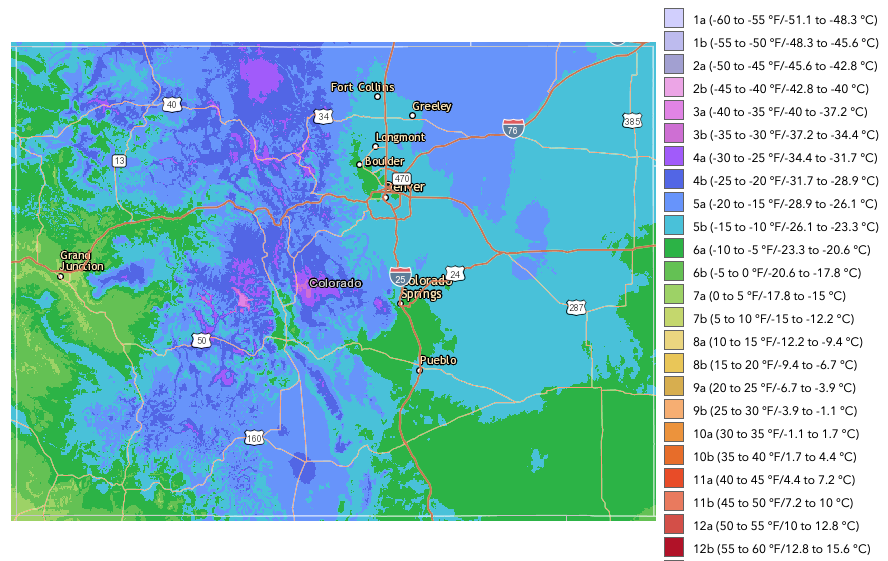
The USDA Plant Hardiness Zone Map is the standard by which gardeners and horticulturists determine which plants are most likely to thrive in a particular location. It divides North America into 13 zones based on the average annual extreme minimum winter temperature. Each zone is further divided into “a” and “b” subzones, representing a 5°F difference. For Colorado, these zones range dramatically, reflecting the state’s extreme variations in elevation, terrain, and exposure.
A traveler observing the stark differences between the verdant valleys and the high alpine tundra will intuitively understand the concept of hardiness zones, even without knowing the precise numerical designations. The plants and trees that flourish, or merely survive, tell a story of temperature extremes, frost dates, and growing seasons. This is particularly relevant when considering the aesthetic appeal of a destination; imagine the vibrant fall colors in a higher zone versus the more temperate evergreen forests of a lower zone. It informs decisions about when to visit for peak botanical beauty or optimal outdoor recreation.
Colorado’s Unique Geographic Tapestry: From Plains to Peaks
Colorado’s topography is its defining characteristic and the primary driver of its diverse planting zones. Spanning from roughly 3,350 feet on the eastern plains to over 14,000 feet in the Rocky Mountains, the state experiences a rain shadow effect from west to east, complex wind patterns, and significant temperature fluctuations influenced by altitude.
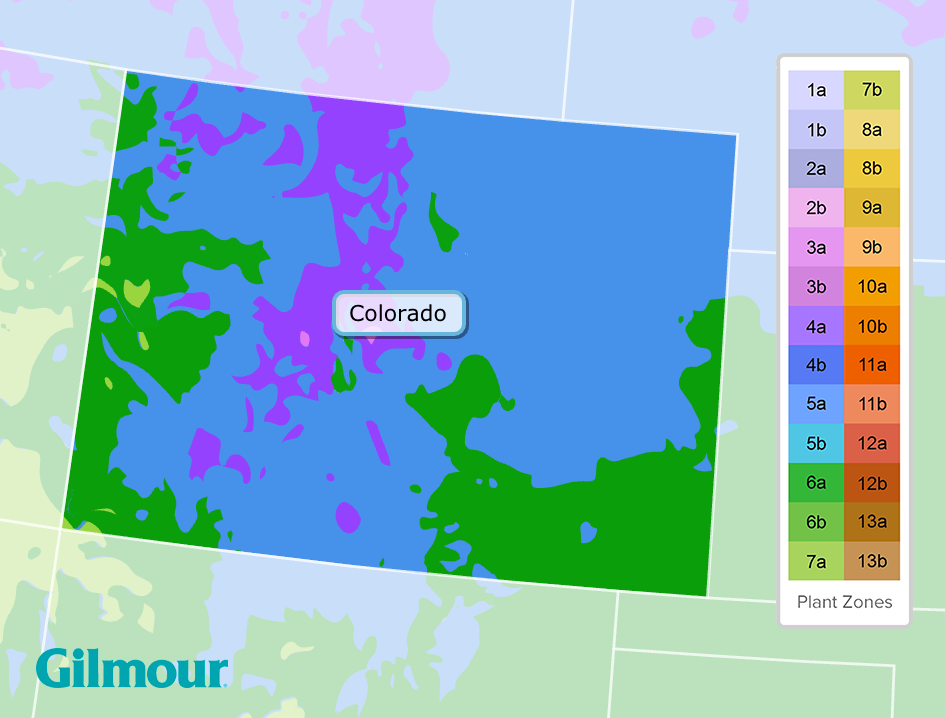
The eastern third of Colorado lies within the Great Plains, characterized by rolling prairies and relatively milder winters, with planting zones generally ranging from 5a to 6a. As one travels westward, the land rapidly ascends into the Front Range of the Rocky Mountains, where major cities like Denver, Colorado Springs, and Fort Collins are situated. Here, zones can vary from 5b in urban centers (due to the urban heat island effect) to 4b or even 3b in higher elevations just outside the city limits.
Further west, the true high country of the Rocky Mountains presents the coldest zones, often 2b to 4a, where only the hardiest native plants and specific evergreens can withstand the long, harsh winters and short growing seasons. Beyond the Continental Divide, the Western Slope generally experiences a slightly milder, drier climate due to the protective mountain ranges, with zones often ranging from 4b to 6a, allowing for unique agricultural pursuits like viticulture in areas like Palisade. This intricate mosaic of climates means that within a short drive, a visitor can transition through multiple hardiness zones, witnessing dramatic shifts in flora, fauna, and local economies.
Navigating Colorado’s Planting Zones: Regional Variations and Travel Implications
For the discerning traveler, understanding Colorado’s planting zones offers a deeper insight into the character of each region and helps tailor itineraries to specific interests. From agricultural tourism to breathtaking scenic drives, the zones influence everything from the timing of wildflowers to the availability of local produce.
Eastern Plains: Arable Lands and Open Skies
The eastern third of Colorado, bordering Kansas, Nebraska, and Wyoming, mostly falls into USDA Zones 5b-6a. This region, a continuation of the Great Plains, is characterized by its vast agricultural fields, primarily growing wheat, corn, and sunflowers. While often overlooked by mountain-bound tourists, the plains offer a different kind of beauty: expansive skies, stunning sunrises and sunsets, and a glimpse into Colorado’s farming heritage.
Travelers interested in agritourism might find opportunities to visit farms, particularly during harvest seasons. The relatively consistent hardiness allows for successful cultivation, supporting local food movements that are becoming increasingly popular in the state’s urban centers. Pueblo, for instance, known for its famous Pueblo chile, sits at the transition point to the plains, benefiting from these zones to grow its distinctive crops. Accommodation here ranges from charming bed-and-breakfasts to family-friendly motels, providing a comfortable base for exploring the serene rural landscape and enjoying the unblemished views of the night sky.
Front Range Urban Corridor: A Blend of Nature and City Life
The Front Range is Colorado’s most populated area, home to Denver, Boulder, Colorado Springs, and Fort Collins. Due to urban heat islands and slightly lower elevations compared to the immediate mountains, these cities typically fall into Zones 5b-6a. This allows for a wider variety of ornamental plants, trees, and garden features, which contribute to the aesthetic appeal of city parks, residential areas, and attractions like the Denver Botanic Gardens.
For tourists, this translates into vibrant urban environments where public spaces are beautifully landscaped, and outdoor dining experiences are enhanced by green surroundings. The relatively mild conditions support active lifestyles, with numerous parks, cycling paths, and open spaces available year-round. Accommodation options are extensive, from luxury establishments like the Four Seasons Hotel Denver to boutique hotels and budget-friendly stays, all providing easy access to both urban amenities and mountain adventures just a short drive away. Iconic landmarks such as Red Rocks Amphitheatre near Denver and Garden of the Gods in Colorado Springs showcase unique plant life adapted to these transitional zones, blending prairie and mountain species.
Western Slope and Mountain Regions: High-Altitude Beauty and Recreation
West of the Front Range, the planting zones become more extreme. High mountain valleys and popular ski towns like Aspen, Vail, Telluride, and Steamboat Springs often fall into Zones 3a-5a. These areas are characterized by severe winters, a short growing season, and plants adapted to cold, snow, and high UV radiation, such as conifers (spruce, fir, pine) and hardy wildflowers. Destinations like Rocky Mountain National Park perfectly illustrate these zones, with tundra plants at the highest elevations and aspen groves at mid-altitudes, putting on spectacular displays in the fall.
Conversely, the Western Slope, including areas around Grand Junction, Palisade, and Durango, often experiences warmer temperatures and drier conditions, with zones ranging from 4b to 7a. This allows for the cultivation of grapes, peaches, and other fruits, creating a thriving agricultural and wine tourism industry. Travelers can visit vineyards, explore fruit orchards, and enjoy farm-to-table dining experiences. Southwest Colorado, home to attractions like Mesa Verde National Park, showcases high-desert vegetation perfectly adapted to its unique conditions, providing a backdrop for exploring ancient cultures.
Accommodation in these regions varies from luxurious ski-in/ski-out resorts like the St. Regis Aspen Resort or Hotel Jerome to cozy mountain lodges, historic hotels, and charming vacation rentals. These establishments often cater to outdoor enthusiasts, providing amenities for skiing, hiking, mountain biking, and exploring national parks and monuments such as Black Canyon of the Gunnison National Park or Dinosaur National Monument.
Embracing the Seasons: How Planting Zones Shape Colorado Experiences
The distinct planting zones of Colorado are not just about what grows where; they dictate the rhythm of the seasons and, by extension, the ideal times for various travel experiences. Each season presents a unique opportunity to engage with Colorado’s natural environment.
Spring Blooms and Summer Adventures
As the snow melts in the lower and mid-mountain zones (typically 4b-6a), spring ushers in a burst of wildflowers. The exact timing depends heavily on the elevation and specific hardiness zone. In areas like Glenwood Springs or along the Arkansas River near Cañon City, spring arrives earlier, painting meadows with color. This period is perfect for scenic drives, gentle hikes, and enjoying the rejuvenation of nature before the summer crowds.
Summer, spanning all zones, is the peak season for outdoor adventure. The higher planting zones (2b-4a) become accessible, revealing alpine lakes, tundra wildflowers, and majestic peaks. Hiking in Rocky Mountain National Park, exploring the Maroon Bells near Aspen, or whitewater rafting provide exhilarating experiences. The temperate zones of the Front Range are ideal for urban exploration, outdoor concerts at places like Red Rocks Amphitheatre, and enjoying the many breweries and eateries with outdoor patios. In the fruit-growing regions of the Western Slope, late summer brings bountiful harvests, offering delicious farm-to-table experiences.
Autumn’s Palette and Winter Wonderland Escapes
Autumn is arguably Colorado’s most spectacular season, and the planting zones play a crucial role in its display. The aspen trees, thriving in zones 3a-5a, transform into shimmering gold across the mountain ranges, particularly in areas like the San Juan Mountains around Ouray and Telluride. The timing and intensity of fall foliage are directly tied to the cold snaps and frost events that differentiate these hardiness zones. Travelers flock to enjoy scenic drives along routes like the Georgetown Loop Railroad or the Million Dollar Highway for unparalleled views.
Winter, defined by the extreme minimum temperatures of the planting zones, transforms much of Colorado into a pristine wonderland. The coldest zones become epicenters for world-class skiing and snowboarding in destinations like Vail, Breckenridge, and Aspen. While plant life largely lies dormant, the snow-covered landscapes offer their own majestic beauty. Cozy resorts, many with luxurious amenities, provide perfect retreats after a day on the slopes. Even in the relatively milder zones of the Front Range, winter offers opportunities for ice skating, holiday festivals, and enjoying the crisp, clear air and distant views of the snow-capped peaks.
Lifestyle and Local Bounty: Connecting Zones to Cuisine and Culture
The planting zones in Colorado do more than just determine which flowers bloom or which trees thrive; they fundamentally shape the lifestyle, cuisine, and cultural identity of its diverse communities. For travelers, this connection offers authentic experiences rooted in the land.
Farm-to-Table Experiences and Agritourism
Colorado’s varied planting zones enable a surprising diversity of agriculture, fueling a robust farm-to-table movement. The warmer zones on the Eastern Plains and Western Slope (5a-7a) are prime for staple crops, fruits, and vegetables. For example, Palisade is renowned for its peaches and wine grapes, thriving in its unique microclimate. Visitors can explore wineries, participate in harvest festivals, and enjoy meals prepared with hyper-local ingredients. Similarly, areas like Fruita benefit from zones that support a variety of produce, contributing to local farmers’ markets and restaurant menus.
This agritourism offers a tangible link to the land and its productivity. Travelers can engage in activities such as picking fresh produce, touring vineyards, or simply savoring seasonal dishes that highlight Colorado’s agricultural bounty. This deepens the travel experience beyond just sightseeing, connecting visitors with the sustainable practices and local flavors that are a direct result of the state’s diverse planting capabilities.
Sustainable Living and Garden Tourism
The emphasis on hardy, native plants in higher zones, and the diverse flora in milder areas, also fosters a strong culture of sustainable living and garden tourism. Communities across Colorado are increasingly focused on xeriscaping, using drought-tolerant plants appropriate for their specific zone to conserve water. This practice not only protects the environment but also creates unique, low-maintenance landscapes that reflect the natural beauty of the region.
For those interested in gardening or environmental sustainability, visiting places like the Denver Botanic Gardens or local community gardens provides inspiration and insight into how different zones influence horticulture. Many resorts and hotels, particularly those focused on eco-tourism or wellness, are also incorporating native plants into their landscaping, creating harmonious environments that blend seamlessly with the surrounding nature. This aspect of Colorado life offers a different kind of “tourism” – one focused on appreciating and learning from the state’s plant life and the sustainable practices it inspires.
Planning Your Colorado Journey: Accommodation and Activities Across Zones
Understanding Colorado’s planting zones is an invaluable tool for planning a truly immersive and fulfilling trip. It influences not only what you see but also where you stay and what activities are available.
Choosing Your Base: From Mountain Resorts to Urban Hotels
The type of accommodation you choose often aligns with the planting zone of your destination. For a high-altitude adventure in a colder zone (2b-4a), a stay at a luxury mountain resort like The Broadmoor in Colorado Springs or a ski lodge in Vail provides comfort amidst rugged beauty. These accommodations are often designed to integrate with the natural surroundings, offering views of pine forests and alpine meadows.
In the milder, more populated zones of the Front Range (5b-6a), urban hotels, boutique accommodations, and extended-stay apartments provide convenient access to city attractions, cultural events, and a wider range of dining. For those seeking warmer climates and unique agricultural experiences, staying at a charming guesthouse in Palisade or a historic hotel in Durango (zones 4b-7a) places you in the heart of wine country or amidst captivating desert landscapes. Knowing the zone helps travelers anticipate the environment and select lodging that complements their desired experience.
Experiencing Colorado’s Natural Grandeur
Whether you’re drawn to the extreme alpine zones for challenging hikes and winter sports or the milder zones for leisurely strolls through botanical gardens and vineyard tours, Colorado’s planting zones provide a framework for experiencing its natural grandeur. The variance in flora, from the high tundra of Pikes Peak to the semi-arid landscapes of Great Sand Dunes National Park and Preserve, defines the character of each area.
Embracing the state’s planting zone diversity means appreciating that a trip to Colorado can be many different journeys in one. It’s a journey from the lush gardens of Denver to the ancient cliff dwellings amidst desert flora at Mesa Verde National Park; from the golden aspens of the San Juan Mountains to the productive orchards of the Western Slope. By understanding the underlying ecological blueprint of Colorado’s planting zones, visitors can unlock a richer, more informed, and truly unforgettable travel adventure in this incredibly diverse United States state.
LifeOutOfTheBox is a participant in the Amazon Services LLC Associates Program, an affiliate advertising program designed to provide a means for sites to earn advertising fees by advertising and linking to Amazon.com. Amazon, the Amazon logo, AmazonSupply, and the AmazonSupply logo are trademarks of Amazon.com, Inc. or its affiliates. As an Amazon Associate we earn affiliate commissions from qualifying purchases.