
Understanding your region’s planting zone is a fundamental aspect of successful gardening, and for the diverse landscapes of New York, this knowledge is particularly crucial. These zones, officially designated by the United States Department of Agriculture (USDA), provide a standardized system for assessing the average annual minimum winter temperature. This information is invaluable for gardeners and horticulturists, guiding decisions about which plants are most likely to thrive and survive throughout the year. For anyone planning a garden, whether it’s a sprawling estate in the Hudson Valley or a compact balcony garden in Manhattan, knowing New York’s planting zones ensures a higher probability of horticultural success.
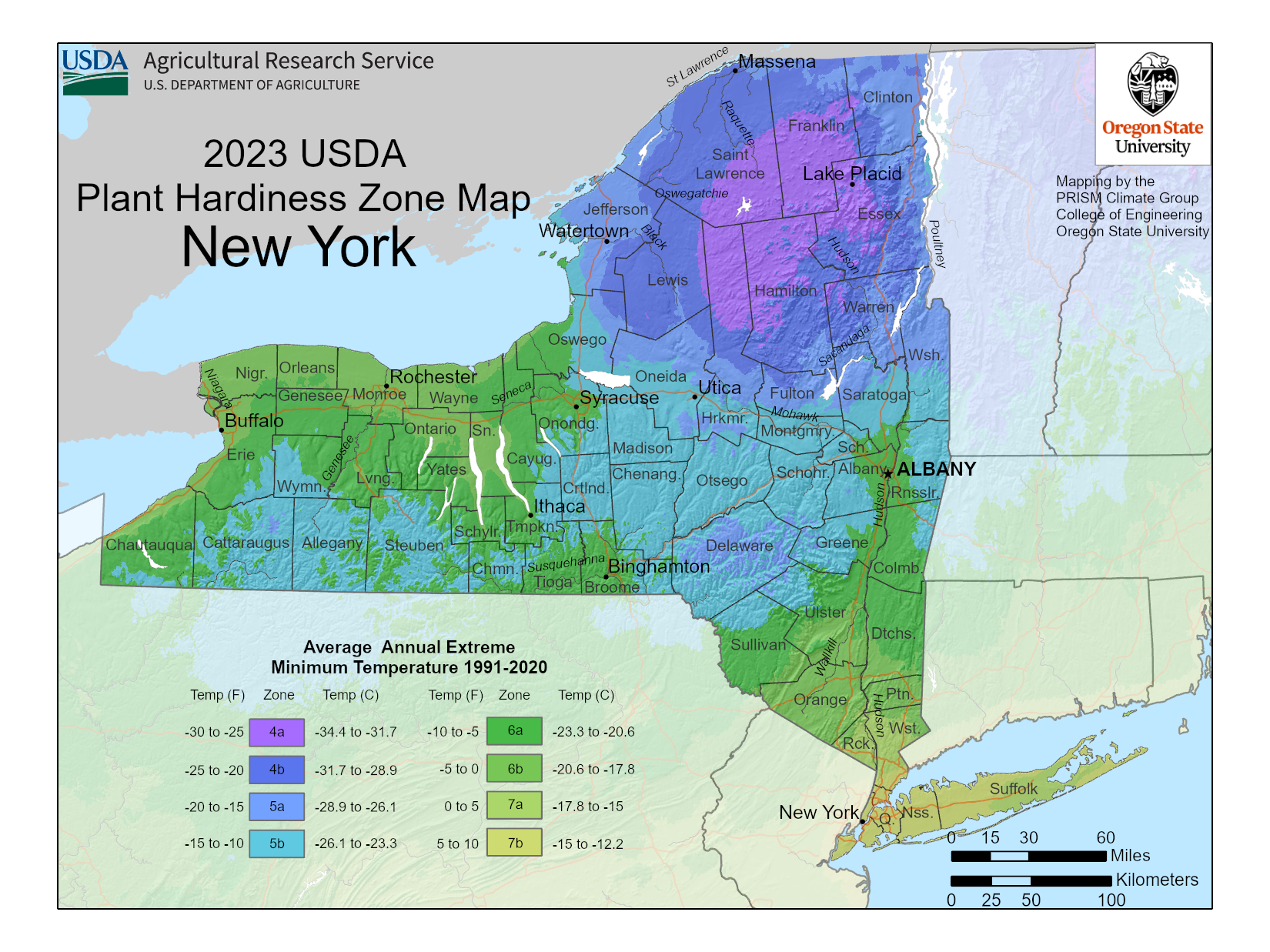
Decoding the USDA Plant Hardiness Zones
The USDA Plant Hardiness Zone Map is a scientifically developed tool that divides North America into 13 zones, each representing a 10°F difference in average annual minimum winter temperature. These zones are further subdivided into ‘a’ and ‘b’ categories, indicating a 5°F difference within each zone. For instance, Zone 7a is colder than Zone 7b. This granular approach allows for more precise planning, especially in regions with microclimates or significant elevation changes, such as parts of New York.
The Importance of Average Annual Minimum Winter Temperature
The core principle behind the plant hardiness zones is the average annual minimum winter temperature. This metric is not about a single record-breaking cold snap, but rather the typical lowest temperature a region experiences annually over a period of years. Plants have varying degrees of tolerance to cold. By knowing the zone, gardeners can select species and varieties that are adapted to withstand the typical winter chill of their specific location. Choosing a plant that is rated for a warmer zone than your own is a recipe for disappointment, as it is unlikely to survive the winter. Conversely, planting a species rated for a much colder zone than necessary is often feasible, though it might not be the most efficient use of resources or may lead to plants that don’t flower or fruit as prolifically.
How the Zones Apply to New York’s Diverse Geography
New York is a state characterized by significant geographical diversity, from the coastal plains of Long Island to the mountainous regions of the Adirondacks and the rolling hills of the Finger Lakes. This varied topography leads to a range of microclimates and, consequently, different USDA planting zones across the state. For example, the urban heat island effect in New York City can create warmer conditions, placing parts of Manhattan and surrounding boroughs in a different zone than more rural or elevated areas just a short drive away. Similarly, the moderating influence of the Great Lakes affects the climate in western New York, while the higher elevations of the Catskill and Adirondack Mountains experience colder winters.
Identifying New York’s Specific Planting Zones
New York State is predominantly covered by Zones 4 through 7. The specific zone for any given location within the state depends on a confluence of factors including latitude, proximity to large bodies of water, elevation, and the presence of urban development. Understanding these nuances is key to successful gardening in New York.
Zone 4: The Colder Northern and Elevated Regions
The coldest planting zones in New York are typically found in the northernmost parts of the state and at higher elevations. Zone 4 is characterized by average annual minimum winter temperatures ranging from -30°F to -20°F. This includes areas in the Adirondack Mountains and parts of northern New York. Plants suitable for Zone 4 are those that can endure prolonged periods of deep cold and significant snowfall. Examples include hardy perennial flowers like Asters and Coneflowers, many types of deciduous trees such as Maples and Oaks, and cold-hardy shrubs like Lilacs and Viburnums.
Zone 5: Transitioning from Cold to Moderate Winters
Zone 5 represents a significant portion of New York, encompassing many rural areas and transitioning from the colder north to the more temperate south and west. The average annual minimum winter temperatures in Zone 5 fall between -20°F and -10°F. This zone offers a broad range of plant choices, including many popular garden varieties. It’s a zone where gardeners can experiment with a wider array of flowering perennials, fruit trees like Apples and Cherries, and a diverse selection of ornamental shrubs.
Zone 6: The Milder Southern and Coastal Areas
As you move south and towards the coast, New York’s planting zones become milder. Zone 6, with average annual minimum winter temperatures between -10°F and 0°F, is prevalent in the southern tier of the state, the Hudson Valley, and parts of Long Island. The Great Lakes region also experiences milder conditions, often falling into Zone 6. This zone allows for a broader selection of plants, including some that might be considered marginally hardy in colder zones. Many varieties of roses, ornamental grasses, and a wider selection of fruit-bearing plants can thrive here.
Zone 7: The Warmest Pockets of New York
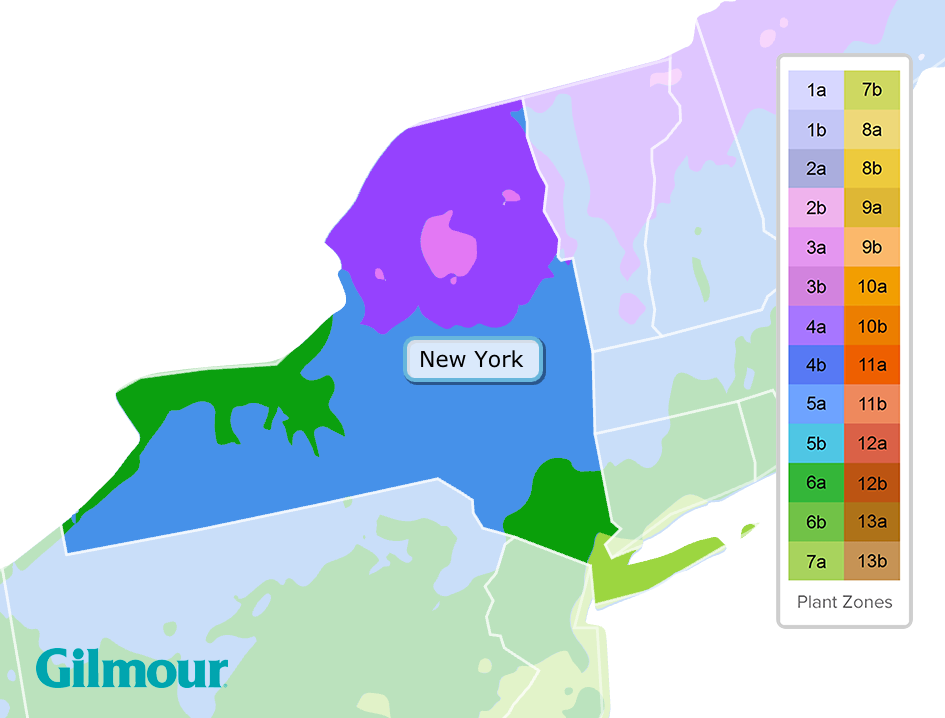
The warmest planting zone found in New York is Zone 7, with average annual minimum winter temperatures between 0°F and 10°F. This zone is typically found in the most southerly sections of Long Island and in highly urbanized areas like parts of New York City. The moderating influence of the Atlantic Ocean and the urban heat island effect contribute to these milder temperatures. Gardeners in Zone 7 have the widest range of plant choices, including those that may struggle in colder zones, such as certain types of evergreen shrubs and a greater variety of flowering annuals and perennials.
Planning Your New York Garden Based on Planting Zones
Armed with the knowledge of New York’s planting zones, the next step is to translate this information into successful gardening practices. This involves not only selecting the right plants but also understanding how to use the zone information in conjunction with other environmental factors.
Selecting Plants for Success
The most direct application of planting zone information is in plant selection. When purchasing plants from a nursery or garden center, look for the hardiness zone rating. If a plant is rated for Zone 6 and you live in Zone 5, it’s likely to die back significantly or not survive the winter. Conversely, if you’re in Zone 7 and a plant is rated for Zone 5, it will likely do very well, but you might be missing out on plants that are specifically adapted to slightly warmer conditions and could offer a longer bloom season or more vigorous growth. Beyond just the zone, consider the plant’s specific needs regarding sunlight, soil type, and moisture.
Understanding Microclimates Within Your Property
While the USDA map provides a general overview, individual properties can have their own unique microclimates. A sheltered courtyard in Brooklyn, for instance, might be several degrees warmer than an exposed rooftop garden just a few blocks away. Similarly, areas near bodies of water like the Hudson River or Long Island Sound can have moderated temperatures compared to inland locations at the same latitude. Conversely, a low-lying area prone to frost pockets will be colder than an elevated spot. Observing your property throughout the year to identify these variations can help you fine-tune your plant choices and placement. Areas sheltered from harsh winter winds or those that receive ample sun exposure in winter will behave differently than exposed or shaded areas.
Extending the Growing Season and Protecting Plants
Understanding your planting zone also informs strategies for extending the growing season. In colder zones, this might involve using cold frames, hoop tunnels, or cloches to protect young plants from early frosts or to start seeds earlier in the spring. Mulching is another crucial practice, especially in Zone 4 and 5, to insulate plant roots from extreme temperature fluctuations. For plants that are at the edge of their hardiness zone, providing extra protection in the form of burlap wraps for shrubs or a thick layer of mulch around perennials can make the difference between survival and loss. In warmer zones, while winter protection is less critical for established plants, gardeners might focus on succession planting to maximize harvests or on choosing heat-tolerant varieties for summer gardens.
Beyond the Zone: Additional Considerations for New York Gardeners
While the USDA planting zones are an indispensable tool, they represent only one piece of the horticultural puzzle. Successful gardening in New York requires considering a range of other factors that influence plant health and productivity.
Soil Health and Preparation
Even the hardiest plant will struggle in poor soil. New York’s diverse geology means that soil types can vary greatly. Clay soils, prevalent in many parts of the state, can become compacted and waterlogged, while sandy soils may drain too quickly, leading to nutrient deficiencies. Amending your soil with organic matter, such as compost, is vital for improving drainage, aeration, and fertility. Testing your soil’s pH is also recommended to ensure it’s within the optimal range for the plants you wish to grow. Healthy soil is the foundation of a thriving garden, regardless of your planting zone.
Sunlight, Water, and Nutrients
Beyond temperature, plants need adequate sunlight, water, and nutrients to flourish. Understanding the sunlight patterns in your garden is essential for choosing appropriate locations for different species. Some plants thrive in full sun, while others prefer shade. Similarly, consistent watering, adjusted for seasonal rainfall and plant needs, is critical. New York’s climate can experience both drought periods and heavy rainfall, so adapting your watering schedule is important. Finally, providing appropriate nutrients through fertilization or regular soil amendment will support robust growth and abundant blooms or harvests.

Local Expertise and Resources
Don’t hesitate to tap into the wealth of local horticultural knowledge available in New York. Your local cooperative extension office, often associated with Cornell University, is an invaluable resource. They offer guidance on planting, pest management, soil testing, and can provide information specific to your county’s conditions. Local garden centers and experienced gardeners in your community are also excellent sources of practical advice. They understand the specific challenges and opportunities of gardening in your immediate area, complementing the broader guidance provided by the USDA planting zones. By combining scientific data with local insights, New York gardeners can cultivate beautiful and productive landscapes.
LifeOutOfTheBox is a participant in the Amazon Services LLC Associates Program, an affiliate advertising program designed to provide a means for sites to earn advertising fees by advertising and linking to Amazon.com. Amazon, the Amazon logo, AmazonSupply, and the AmazonSupply logo are trademarks of Amazon.com, Inc. or its affiliates. As an Amazon Associate we earn affiliate commissions from qualifying purchases.