
For many, Boston is synonymous with history, academia, and a distinctly East Coast charm. But beneath its iconic brick facades and bustling streets lies a dynamic urban ecosystem, intrinsically shaped by its population. While a simple numerical answer to “What is the population in Boston?” might seem straightforward, understanding this figure – and the demographics it represents – is crucial for truly appreciating the city as a travel destination, a cultural hub, and a vibrant place to live. It’s the people of Boston who infuse it with its unique character, drive its innovation, sustain its diverse culinary scene, and give life to its countless attractions. For those planning a visit, seeking accommodation, or simply curious about the heartbeat of this historic metropolis, delving into its population statistics offers profound insights into what makes Boston such a compelling destination.
Boston’s Demographic Landscape: A City Shaped by Its People
The population of a city isn’t merely a count; it’s a reflection of its identity, its challenges, and its magnetic appeal. In Boston, the numbers tell a story of growth, diversity, and a constant influx of talent and ideas.
The Core Numbers: Boston’s Resident Population
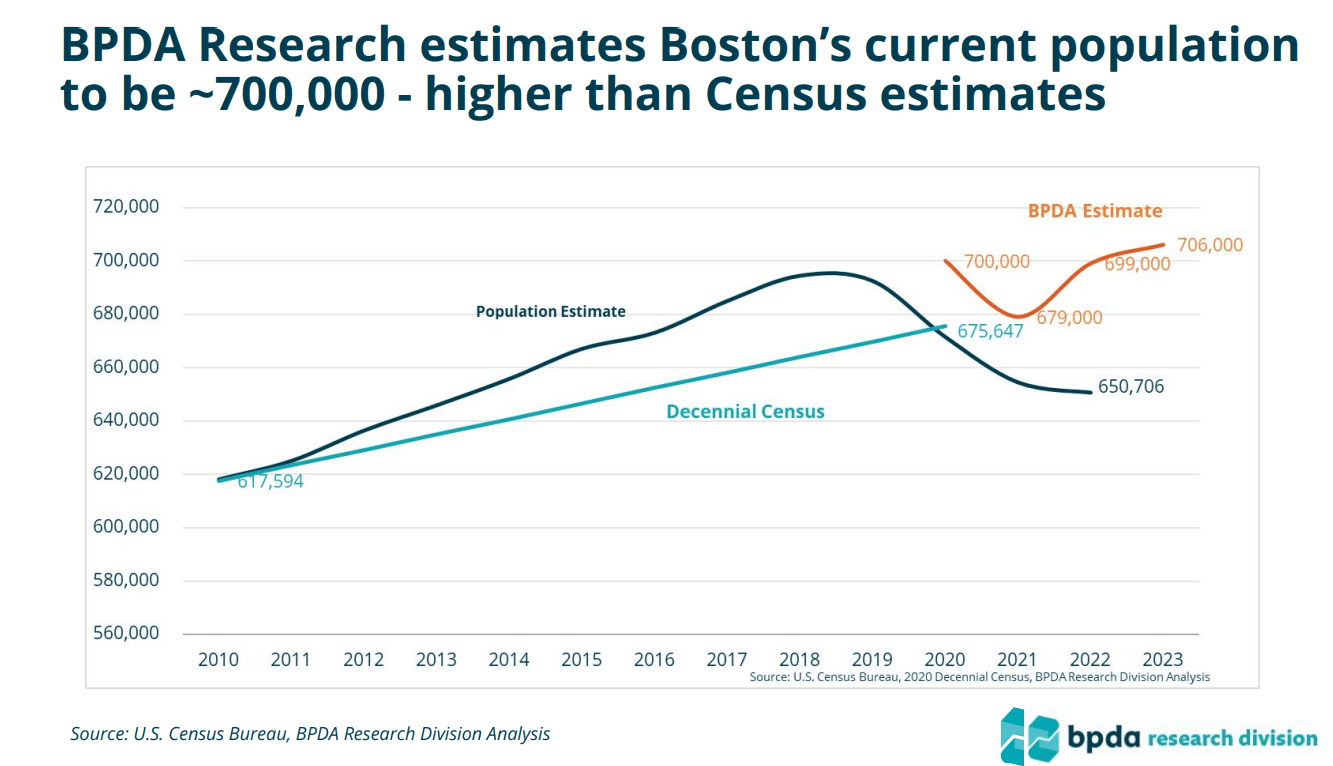
According to the latest estimates from the United States Census Bureau, the population of the city proper of Boston, Massachusetts, hovers around 670,000 to 690,000 residents. This figure positions Boston as the most populous city in Massachusetts and among the larger cities in New England.
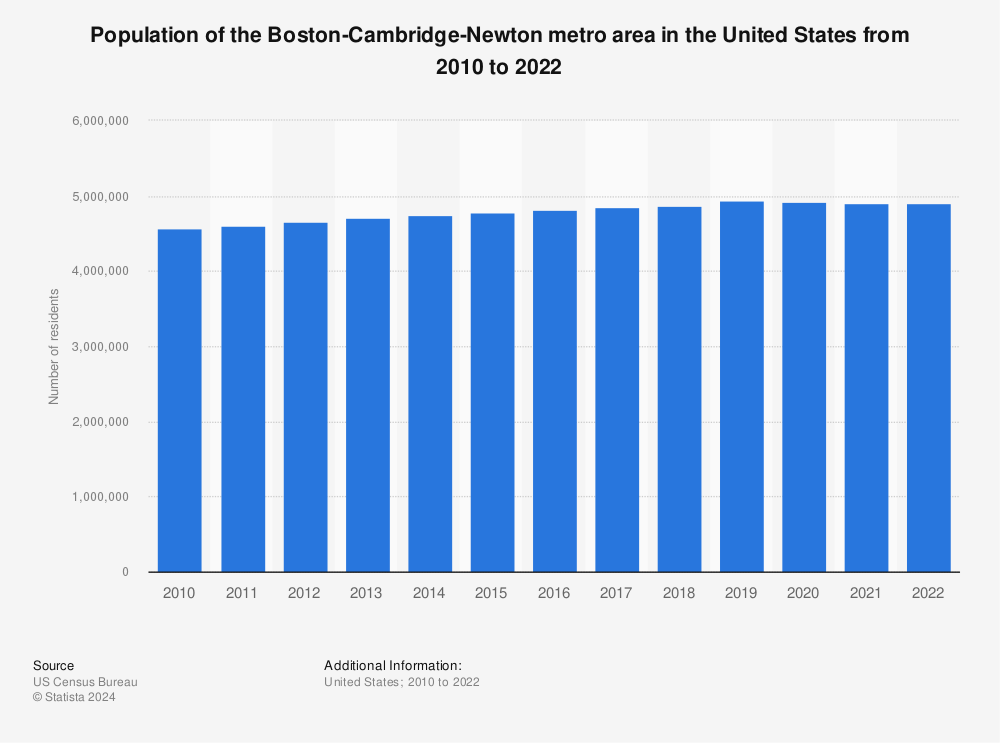
However, understanding the true scope of Boston’s influence requires looking beyond its city limits. The larger metropolitan area, often referred to as Greater Boston, encompasses numerous surrounding towns and cities, including the academically vibrant Cambridge. This metropolitan statistical area boasts a population of approximately 4.9 million people, making it one of the largest and most economically significant regions in the United States. This distinction is vital for travelers, as many businesses, cultural institutions, and even some major hotels service this broader region, creating a sprawling network of attractions and opportunities. The city’s relatively high population density, particularly in its historic core and residential neighborhoods, contributes to its bustling, walkable atmosphere, a feature highly valued by both residents and visitors alike.
A Melting Pot of Cultures and Communities
What truly defines Boston’s population is not just its size, but its remarkable diversity. The city is a vibrant mosaic of cultures, ages, and socio-economic backgrounds, which collectively enrich its character and contribute to its global appeal. A significant portion of Boston’s population consists of students, drawn by world-renowned institutions like Harvard University and the Massachusetts Institute of Technology (MIT). This youthful energy permeates the city, fostering innovation, a dynamic nightlife, and a constant stream of intellectual discourse. Following graduation, many of these students transition into the city’s thriving professional sectors, particularly in biotechnology, finance, and technology, contributing to a substantial population of young professionals.
Beyond its academic and professional communities, Boston is a historical gateway for immigrants, and its neighborhoods reflect this rich legacy. The North End, for instance, is famous for its Italian-American heritage, offering an authentic taste of Italy with its bakeries, trattorias, and vibrant street life. Chinatown is another prominent cultural enclave, bustling with Asian markets, dim sum restaurants, and community events. Other neighborhoods like the South End showcase a blend of Victorian architecture and diverse artistic communities. This cultural tapestry translates into an extraordinary range of culinary experiences, festivals, and local traditions that tourists can explore, offering far more than just historical sightseeing. The blend of long-term residents, new arrivals, and transient student populations ensures that Boston remains perpetually fresh, forward-looking, yet deeply rooted in its past.
The Tourist’s Perspective: How Population Impacts Your Boston Experience
For travelers, the population of Boston is more than just a statistic; it directly influences the atmosphere, the availability of services, and the overall experience of visiting the city.
Navigating the Bustle: Crowds and Vibrancy
A city of nearly 700,000 residents, augmented by millions in its metropolitan area and a steady stream of tourists, naturally results in a vibrant and often bustling environment. This density creates an undeniable energy, particularly in popular areas like Faneuil Hall Marketplace, along the Freedom Trail, or around Fenway Park on a game day. For some, this constant hum of activity is part of Boston’s charm, indicative of a city truly alive. The sidewalks are rarely empty, and the public transportation system is a lively artery connecting various districts.
However, visitors should be prepared for crowds, especially during peak tourist seasons (summer, fall foliage season) and major events such as the Boston Marathon or Fourth of July celebrations. Restaurants may require reservations, and popular attractions might have queues. Smart travelers often plan their visits to major landmarks during off-peak hours or utilize city passes that allow for expedited entry. This vibrant density also means that the city feels incredibly safe and alive even late into the evening, with plenty of options for dining, entertainment, and cultural experiences. The constant flow of people contributes to a dynamic street scene, perfect for people-watching and soaking in the urban atmosphere.
A Rich Tapestry of Local Culture and Experiences
The diverse resident population of Boston is the engine behind its incredibly rich local culture, offering authentic experiences that go far beyond what a sterile tourist destination might provide. From independent bookstores to thriving farmers’ markets, the city’s local businesses and community events are sustained by its residents. Foodies, in particular, will rejoice in the sheer variety and quality of dining options, ranging from classic New England seafood shacks to gourmet restaurants helmed by celebrity chefs. The multi-ethnic communities ensure an array of international cuisines is readily available, offering a culinary journey across continents without leaving the city.
Furthermore, Boston’s vibrant arts and entertainment scene is directly supported by its local population. The presence of world-class universities also contributes to a sophisticated appreciation for the arts, sustaining numerous theaters, music venues, and art galleries like the Museum of Fine Arts, the Isabella Stewart Gardner Museum, and The Institute of Contemporary Art (ICA) on Boston Harbor. Whether you’re catching a Broadway show, enjoying live music in a cozy club, or exploring a local art exhibition, the underlying presence of a resident population dedicated to these cultural pursuits ensures a quality and authenticity that truly enriches the visitor experience.
Boston as a Premier Travel Destination: Unveiling Its Charms
Boston’s status as a premier travel destination is directly linked to its enduring history and its dynamic evolution, both of which are deeply intertwined with its population’s story.
Iconic Landmarks and Historical Significance
A primary draw for visitors to Boston is its unparalleled historical significance. As one of the oldest cities in the United States, Boston played a pivotal role in the American Revolution, and its streets are living testaments to this past. The Freedom Trail offers a self-guided journey through 16 historically significant sites, including the Paul Revere House, Faneuil Hall Marketplace, and the site of the Boston Massacre. These landmarks attract millions of visitors annually, each adding to the city’s temporary population and contributing to its vibrant economy.
Beyond revolutionary history, Boston boasts other enduring landmarks. The serene Boston Common and adjacent Public Garden offer urban oases, perfect for a leisurely stroll or a swan boat ride. The grand architecture of Beacon Hill and the cultural richness of the Museum of Fine Arts further solidify Boston’s position as a city of profound historical and cultural depth. These historical sites are not just relics; they are integrated into the daily lives of Boston’s residents, contributing to a unique urban environment where past and present coexist seamlessly.
Beyond History: Modern Attractions and Lifestyle Appeal
While history forms the bedrock of Boston’s appeal, the city is far from stagnant. Its diverse population has ensured a constant evolution, giving rise to modern attractions and a contemporary lifestyle appeal that caters to a wide range of interests. The Seaport District, once a collection of industrial warehouses, has been transformed into a gleaming hub of innovation, trendy restaurants, and luxury residences, reflecting the city’s economic vitality and a growing population seeking modern amenities. For shoppers, Newbury Street in Back Bay offers a mix of high-end boutiques and unique local shops.
Sports enthusiasts flock to Fenway Park, the oldest ballpark in Major League Baseball, for an quintessential American experience. Beyond the city lights, Boston’s strategic location provides easy access to New England’s natural beauty, from the sandy beaches of Cape Cod to the charming islands of Martha’s Vineyard, offering diverse experiences for those seeking a getaway from urban life. This blend of historical depth, modern vibrancy, and natural accessibility makes Boston an attractive destination for various travel lifestyles, whether you’re a history buff, a culinary adventurer, a family on vacation, or a business traveler.
Accommodation and Lifestyle: Finding Your Home Away From Home
The robust and diverse population of Boston, both permanent and transient, directly impacts the extensive range of accommodation options available, catering to every preference and budget.
Diverse Accommodation Options for Every Traveler
The hospitality landscape in Boston is as varied as its population. For those seeking unparalleled luxury, hotels like the Four Seasons Hotel Boston or The Ritz-Carlton, Boston offer world-class service, opulent amenities, and prime locations near the Public Garden or Boston Common. Boutique hotels, such as The Lenox Hotel in Back Bay or The Eliot Hotel, provide a more intimate and distinctive experience, often with a rich history and unique character. Classic establishments like the Omni Parker House near Downtown Boston offer a blend of history and modern comfort.
Mid-range and budget-friendly options, including well-known hotel chains and independent inns, are plentiful across various neighborhoods. The demand from both tourists and business travelers ensures a competitive market, meaning that with careful planning, travelers can find excellent value. For longer stays or those preferring more space, serviced apartments and vacation rentals have become increasingly popular, offering a home-away-from-home feel. Areas like Downtown Boston, Back Bay, and the Seaport District are popular choices for hotels due to their proximity to major attractions and business centers, while Cambridge, just across the Charles River, also offers excellent options for visitors to the greater Boston area, often with good public transport links. The sheer volume of people passing through Boston each year necessitates this robust accommodation infrastructure.
Tailoring Your Boston Experience: Lifestyle Travel
Boston’s population, coupled with its diverse offerings, allows for highly customizable travel experiences that cater to specific lifestyles:
- Luxury Travel: Beyond high-end hotels like The Ritz-Carlton, Boston or Four Seasons Hotel Boston, luxury travelers can indulge in Michelin-starred dining, exclusive shopping on Newbury Street, private tours of historical sites, or even chartering a yacht on Boston Harbor. The presence of a significant affluent resident population supports these high-end services.
- Budget Travel: Despite its reputation, Boston can be explored on a budget. Many attractions like the Freedom Trail, Boston Common, and strolling through Beacon Hill are free. Public transportation is efficient and affordable, and diverse eateries offer delicious and inexpensive meals. Hotels like The Godfrey Hotel Boston or boutique guesthouses can provide stylish comfort without breaking the bank.
- Family Trips: Boston is incredibly family-friendly. Attractions like the New England Aquarium, Boston Children’s Museum, and interactive science exhibits cater to all ages. The abundance of parks and green spaces, coupled with a walkable city center, makes it easy to navigate with children.
- Business Stays: As a major economic hub, Boston hosts numerous conventions and conferences at venues like the Boston Convention and Exhibition Center. Hotels around Boston Logan International Airport, Downtown Boston, and the Seaport District are well-equipped for business travelers, offering amenities like meeting rooms, high-speed internet, and convenient transport links. The city’s thriving professional population ensures a sophisticated infrastructure for business visitors.
In essence, whether you’re looking for a quick historical immersion, a luxurious escape, an affordable family adventure, or a productive business trip, Boston’s robust and diverse population underpins a city capable of delivering a tailored and unforgettable experience.

Conclusion
The question “What is the population in Boston?” leads us far beyond a mere numerical answer. While the city proper is home to roughly 670,000 to 690,000 individuals, and the broader metropolitan area houses nearly 5 million, these figures represent the very soul of this historic city. It is this diverse populace—students and professionals, immigrants and long-time residents, artists and innovators—that shapes Boston’s character, fuels its vibrant culture, and sustains its dynamic economy.
For travelers, this translates into an experience rich with authentic local flavors, world-class attractions, and a palpable energy. The population influences everything from the bustling atmosphere of its historic landmarks to the incredible variety of dining options and the extensive range of accommodation choices. Whether you seek the quiet charm of a boutique hotel, the grandeur of a luxury resort, or a practical base for exploring on a budget, Boston’s infrastructure is built to cater to a global audience, supported by its strong resident foundation.
Ultimately, Boston is a city that thrives on the energy of its people. It’s a place where history breathes alongside innovation, and where every street corner tells a story. To visit Boston is not just to see its landmarks, but to immerse oneself in the living, breathing city created and sustained by its remarkable population. We invite you to experience this unique blend of past and present, a testament to the enduring spirit of one of America’s most beloved cities.