
Nestled in the heart of the American West, the state of Colorado is a land of dramatic contrasts, where sweeping plains meet towering peaks and arid landscapes give way to lush forests. This incredible geographical diversity directly translates into a climate that is as varied as its topography. For travelers planning a visit, understanding Colorado’s weather patterns is paramount to ensuring an unforgettable experience, whether you’re seeking high-altitude adventures, serene city breaks, or luxurious resort stays. Far from a monolithic climate, Colorado’s weather is a dynamic tapestry woven by elevation, mountain ranges, and its inland position, making it a year-round destination for those prepared for its delightful, and sometimes challenging, extremes.
A Climate of Extremes and Diversity
The essence of Colorado’s weather lies in its unique geography. The state spans a vast range of elevations, from the eastern plains sitting around 3,350 feet above sea level to more than 50 peaks soaring above 14,000 feet, affectionately known as “Fourteeners.” This immense vertical range, dominated by the majestic Rocky Mountains, creates a multitude of microclimates, each with its own distinct personality.
Understanding Colorado’s Geographical Influence
The spine of the Rocky Mountains acts as a significant weather divider. To the east, the High Plains experience a semi-arid continental climate characterized by hot summers, cold winters, and moderate precipitation. Cities like Denver, Boulder, and Fort Collins benefit from over 300 days of sunshine annually, often experiencing rapid temperature swings. Conversely, the high-altitude mountain regions are defined by colder temperatures, abundant snowfall, and unpredictable conditions, even in summer. The Western Slope, west of the Continental Divide, presents yet another face of Colorado’s climate, with warmer, drier conditions akin to a high desert, as seen in areas like Grand Junction and Palisade. This complex interplay means that you could be enjoying a warm, sunny day in Denver while a blizzard rages just a couple of hours away in a mountain town like Aspen or Vail.
Four Distinct Seasons: A Year-Round Destination
One of Colorado’s most appealing attributes for travelers is its clearly defined four seasons, each offering a unique set of activities, landscapes, and experiences. From the powdery slopes of winter to the vibrant wildflower meadows of summer, the state undergoes a remarkable transformation throughout the year. This seasonal shift influences everything from the type of accommodation you might seek – be it a ski-in/ski-out resort or a cozy lakeside cabin – to the local culture and culinary scene. Understanding these seasonal nuances is key to planning a trip that aligns perfectly with your desired lifestyle and travel preferences.
Navigating Colorado’s Seasons: What to Expect and When to Visit
Each season in Colorado presents its own opportunities and challenges, influencing everything from outdoor activities to the ambiance of local hotels and tourism hotspots.
Winter Wonderland: Snow Sports and Cozy Escapes (December – February/March)
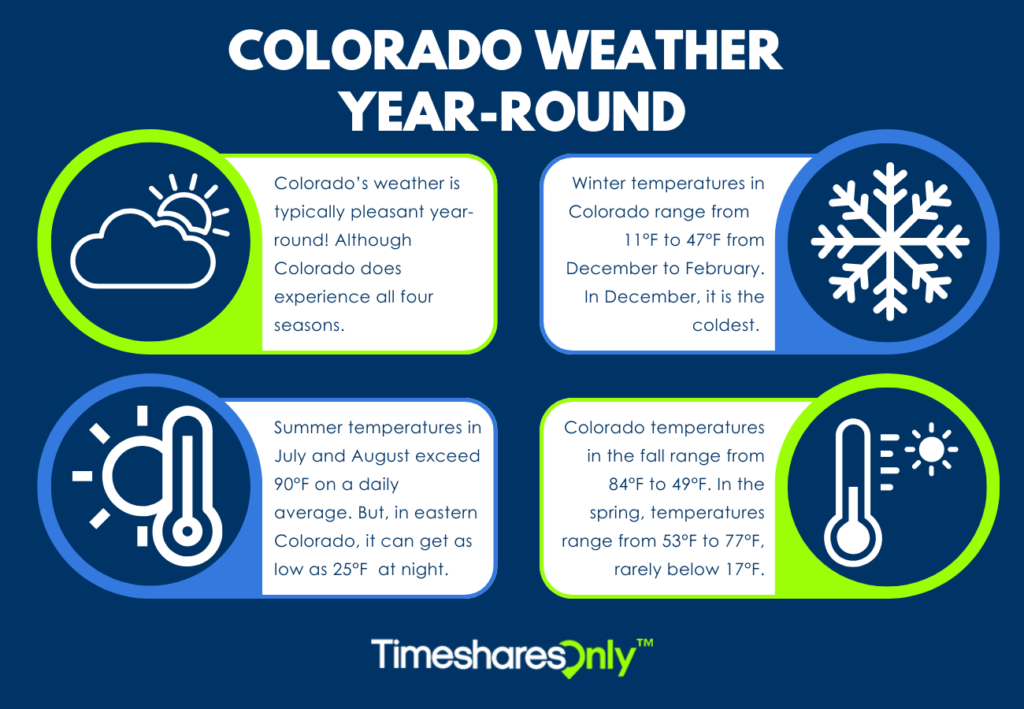
Winter in Colorado is synonymous with snow, especially in the high country. From December through March, the mountains are transformed into a pristine playground for winter sports enthusiasts. Average daytime temperatures in mountain towns like Breckenridge, Steamboat Springs, and Telluride often hover in the 20s and 30s Fahrenheit (-7 to 4 degrees Celsius), with nighttime lows dipping into the single digits or below zero. These conditions are ideal for the state’s world-class skiing and snowboarding, with resorts receiving hundreds of inches of snow annually.
For those planning a winter escape, choosing the right accommodation is crucial. Luxury ski resorts offering direct slope access, such as those found in Vail and Aspen, are popular, alongside charming apartments or rustic cabins in Dillon or Winter Park. Beyond skiing, activities include snowshoeing, ice skating, snowmobiling, and enjoying the festive atmosphere in mountain villages. Cities on the plains, like Denver, experience milder winters with average temperatures in the 30s and 40s Fahrenheit (0 to 10 degrees Celsius), though heavy snowfalls can occur. Proper layering, waterproof outer shells, and warm footwear are essential for any winter Colorado adventure.
Spring Awakening: Melting Snow and Floral Blooms (March – May)
Spring in Colorado is a season of transition, often referred to as “mud season” in higher elevations as snow melts. March and April can still bring significant snowstorms, especially in the mountains, making for excellent late-season skiing. However, by May, lower elevation cities like Colorado Springs, Boulder, and Denver begin to experience warmer temperatures, often in the 50s and 60s Fahrenheit (10 to 20 degrees Celsius), with budding trees and blooming flowers.
This is a fantastic time for city tourism, exploring local culture, and enjoying outdoor patios before the summer crowds arrive. Hiking trails at lower elevations, such as those around Garden of the Gods in Colorado Springs, become accessible. Travelers should pack versatile clothing, including waterproof layers, as spring weather can be highly unpredictable, offering sunshine, rain, and even snow all in a single day. Many hotels and resorts may offer off-season rates, providing excellent value for those seeking a more budget-friendly lifestyle approach to travel.
Summer Adventure: Sunshine, High Peaks, and Vibrant Cities (June – August)
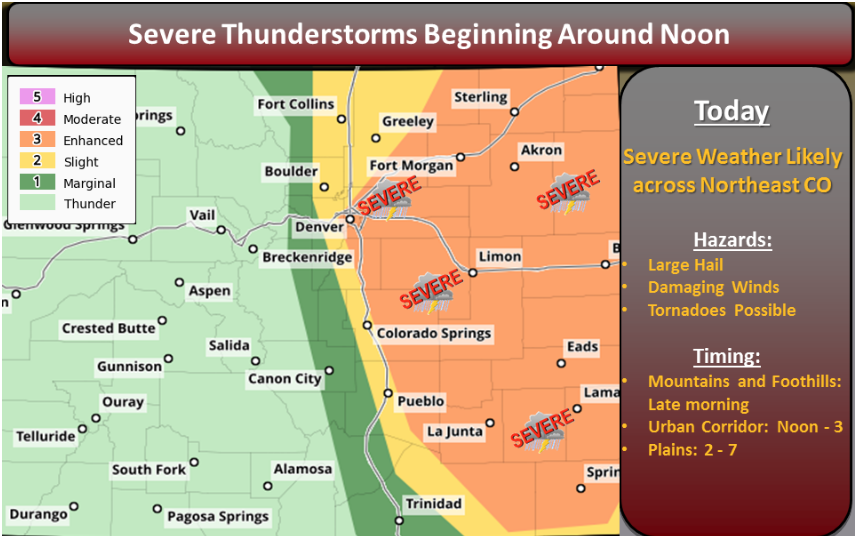
Colorado’s summer, from June to August, is arguably its most popular season. The weather is generally warm and sunny, with average daytime temperatures ranging from the 70s to 90s Fahrenheit (21 to 32 degrees Celsius) in the plains, and a comfortable 60s and 70s Fahrenheit (15 to 25 degrees Celsius) in the mountains. Nights are typically cool, even at lower elevations. Afternoon thunderstorms are common in the mountains, especially in July and August, often bringing brief, intense rain showers.
This is prime time for exploring landmarks like Rocky Mountain National Park (with its gateway town of Estes Park), Great Sand Dunes National Park, and the Maroon Bells near Aspen. Hiking, mountain biking, whitewater rafting, camping, and exploring vibrant urban centers are all popular activities. Family-friendly resorts and vacation rentals are in high demand, so early booking for accommodation is highly recommended. Light layers, a rain jacket, sunscreen, and plenty of water are essential for summer excursions.
Autumn Splendor: Golden Aspens and Crisp Air (September – November)
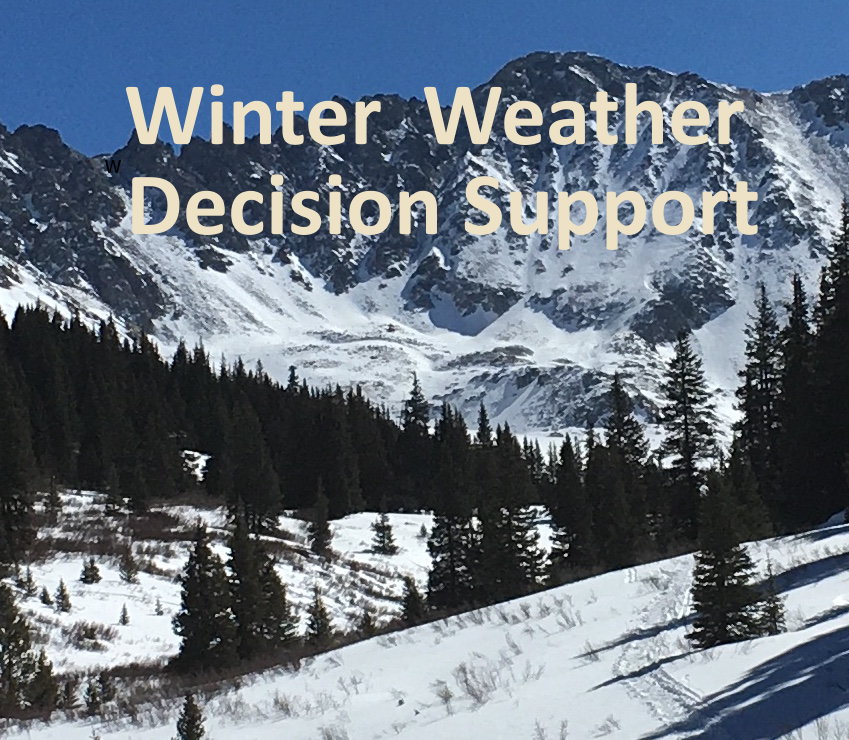
Autumn in Colorado is a breathtaking spectacle, particularly from mid-September to early October when the aspen trees turn a brilliant golden hue. The weather is typically crisp and clear, with warm, sunny days (50s to 70s Fahrenheit / 10 to 20 degrees Celsius) and cool nights. This period is often considered one of the best times to visit for scenic drives, photography, and hiking, especially in areas like the San Juan Mountains around Ouray, Silverton, and Durango, or along Kebler Pass near Crested Butte.
The vibrant foliage attracts considerable tourism, making it a popular time for romantic getaways and picturesque road trips. As November approaches, temperatures begin to drop, and the first significant snowfalls typically occur in the mountains, signaling the start of ski season preparations. Layered clothing, including a warm jacket for evenings, is advisable. Many boutique hotels and villas in scenic areas offer unique autumn packages, catering to a luxury travel lifestyle.
Regional Weather Variations Across Colorado
Understanding the broader seasonal trends is important, but a closer look at Colorado’s distinct regions reveals even more nuanced weather patterns that can significantly impact your travel plans.
The High Country: Mountain Weather Dynamics
The Rocky Mountains are characterized by volatile and rapidly changing weather. Temperatures decrease significantly with elevation, and conditions can shift from clear skies to heavy snowfall or intense thunderstorms within minutes, even in summer. High altitude means thinner air, which intensifies the sun’s UV rays, making sunscreen crucial year-round. Iconic landmarks like Pikes Peak or Mount Elbert (the state’s highest point) will always be considerably colder than Denver. Hikers and mountaineers must always be prepared for winter-like conditions above the tree line, even in July. Accommodation in mountain towns often caters to outdoor enthusiasts, with many suites and resorts offering gear storage and access to trail networks.
Eastern Plains: Arid and Wide-Open Skies
East of the Front Range, Colorado’s plains stretch towards Kansas and Nebraska, characterized by a semi-arid climate. Summers here are hot and dry, with temperatures often exceeding 90 degrees Fahrenheit (32 degrees Celsius), while winters are cold, windy, and can experience sudden blizzards. Precipitation is lower than in the mountains, and sunny days are abundant. Denver and Colorado Springs, while near the mountains, share many characteristics with the plains’ climate, enjoying significant sunshine but also being susceptible to strong winds and occasional heavy snow. For city tourism, these areas offer a wealth of cultural attractions and hotels with all amenities, making them comfortable bases for exploring.
Western Slope: Desert Landscapes and Unique Microclimates
The Western Slope, encompassing cities like Grand Junction, Palisade, and Montrose, offers a distinct high-desert climate. Summers are significantly warmer and drier than the mountain regions, with average temperatures in the 80s and 90s Fahrenheit (27 to 32 degrees Celsius), perfect for exploring Mesa Verde National Park or the Black Canyon of the Gunnison National Park. Winters are milder than in the mountains, with less snowfall, although freezing temperatures are common. This region is known for its vineyards and fruit orchards, flourishing in the warm, sunny climate. When planning travel to this side of the state, be prepared for intense sun and arid conditions, and consider staying in apartments or villas that offer a more localized experience.
Planning Your Colorado Trip: Weather-Wise Tips
A successful Colorado adventure hinges on intelligent planning, particularly regarding its mercurial weather.
Essential Packing and Preparation
Regardless of the season or region, layering is the golden rule for dressing in Colorado. Always bring layers that can be easily added or removed as temperatures and conditions fluctuate throughout the day. Sunscreen, sunglasses, and a wide-brimmed hat are essential due to the high altitude and intense sun exposure. Staying hydrated is also crucial, especially when engaging in physical activities at elevation. Before any outing, check local weather forecasts for your specific destination, as conditions can vary dramatically even within a short distance. An emergency kit with extra warm layers, snacks, and water is advisable for mountain excursions.
Flexibility and Safety
Colorado’s weather demands a degree of flexibility in your travel plans. Mountain roads, such as those through Rocky Mountain National Park or the Georgetown Loop Railroad area, can be subject to temporary closures due to heavy snow, rockslides, or flash flooding. Always have a backup plan for activities, especially if you’re venturing into the backcountry. Be aware of the signs of altitude sickness, particularly if arriving from sea level. Take it easy the first day, stay hydrated, and avoid excessive alcohol. Safety should always be your top priority, especially when exploring Colorado’s rugged natural landmarks.
Accommodation Choices Based on Season and Activity
The choice of accommodation in Colorado is heavily influenced by the season and your planned activities. During winter, ski-in/ski-out resorts in Keystone, Copper Mountain, or Snowmass provide ultimate convenience for skiers. In summer, cozy cabins near Glenwood Springs or lodges close to Rocky Mountain National Park are perfect for hikers and nature lovers. For city breaks or business stays, hotels in Denver or Boulder offer excellent access to urban attractions and dining. Peak seasons (winter ski season, summer vacation) require early booking, especially for popular suites or unique villas, while shoulder seasons often provide better deals and fewer crowds, catering to a budget travel lifestyle.
In conclusion, Colorado’s weather is as captivating and diverse as its landscape. While it can be unpredictable and demanding, it is precisely this dynamic quality that creates such a rich tapestry of experiences for visitors. By understanding its seasonal shifts and regional variations, and by packing appropriately, travelers can fully embrace the incredible attractions and experiences that make Colorado a truly remarkable year-round destination. Whether you’re chasing powder on the slopes or hiking through sun-drenched alpine meadows, the “Centennial State” promises a memorable adventure, come rain or shine, snow or blue skies.
LifeOutOfTheBox is a participant in the Amazon Services LLC Associates Program, an affiliate advertising program designed to provide a means for sites to earn advertising fees by advertising and linking to Amazon.com. Amazon, the Amazon logo, AmazonSupply, and the AmazonSupply logo are trademarks of Amazon.com, Inc. or its affiliates. As an Amazon Associate we earn affiliate commissions from qualifying purchases.