
Understanding the demographic landscape of a city is crucial for anyone considering a visit, a move, or even a deeper appreciation of its character. The population of Colorado Springs, a vibrant city nestled at the foot of the majestic Pikes Peak, is a dynamic figure that reflects its growth, appeal, and the diverse tapestry of people who call it home. While precise, real-time population counts are constantly shifting, available data provides a robust picture of its scale and trajectory. As of the most recent estimates, Colorado Springs stands as the second-most populous city in Colorado, a testament to its enduring allure as a place of opportunity and natural beauty.
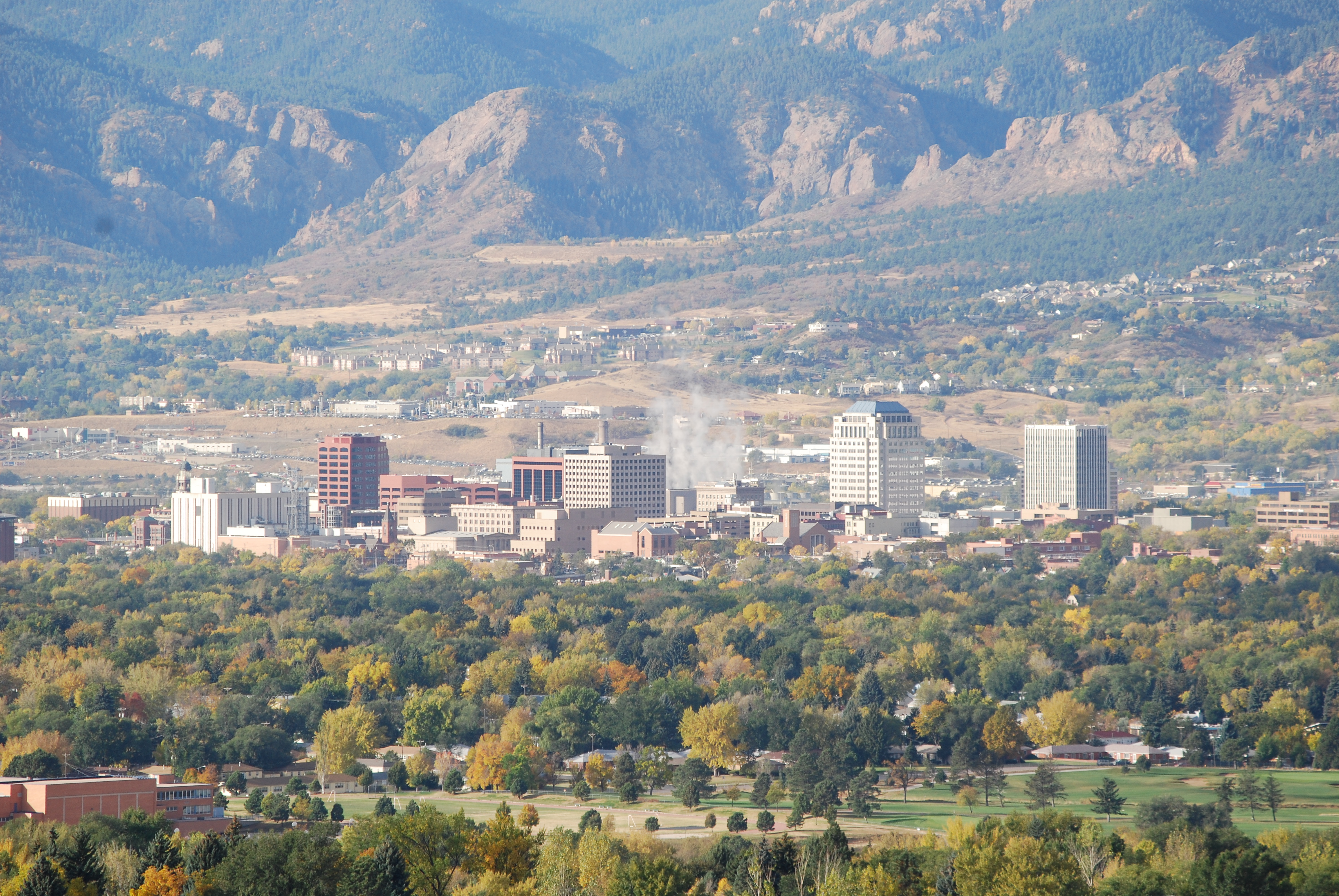
The estimated population of Colorado Springs hovers around the 650,000 to 700,000 mark, making it a significant urban center in the Rocky Mountain region. This figure encompasses a broad spectrum of residents, from long-time inhabitants to newcomers drawn by its economic prospects, outdoor recreation, and high quality of life. The growth of Colorado Springs has been steady over the decades, propelled by a combination of factors including a strong job market, particularly in the defense and aerospace industries, as well as its reputation as an active and family-friendly community.
Demographic Composition and Growth Trends
The demographic makeup of Colorado Springs is as varied as its stunning natural surroundings. While detailed breakdowns of age, ethnicity, and income are subject to periodic census updates, general trends highlight a city that is increasingly diverse and youthful. The presence of major military installations, such as Fort Carson and the United States Air Force Academy, contributes significantly to the population, bringing a transient but substantial influx of service members and their families. This military presence also fosters a culture of discipline and community engagement that is palpable throughout the city.
Beyond the military, Colorado Springs attracts a wide range of professionals and families seeking a balanced lifestyle. The cost of living, while rising, remains more accessible than in some of the larger coastal cities, making it an attractive destination for those looking to establish roots. The educational landscape, with institutions like the University of Colorado Colorado Springs and Colorado College, also draws students and faculty, further diversifying the city’s population and contributing to its intellectual vibrancy.
The growth rate of Colorado Springs has historically been robust, though like many growing cities, it experiences fluctuations. Factors such as the national economy, housing market dynamics, and local development initiatives all play a role in shaping population trends. However, the underlying appeal of the city—its access to world-class outdoor adventures, a generally favorable climate, and a strong sense of community—continues to draw people in. This sustained growth presents both opportunities and challenges, influencing everything from infrastructure development to the availability of housing and the preservation of the city’s natural beauty.
Population Centers and Urban Development
The population of Colorado Springs is distributed across a significant geographic area, reflecting its expansion and development over time. The downtown core, while experiencing revitalization, is not the primary residential hub for the majority of its inhabitants. Instead, residential areas tend to spread outwards, encompassing a variety of neighborhoods, each with its own distinct character and appeal. From master-planned communities in the north and east to established neighborhoods closer to the foothills, the city offers a diverse range of living environments.
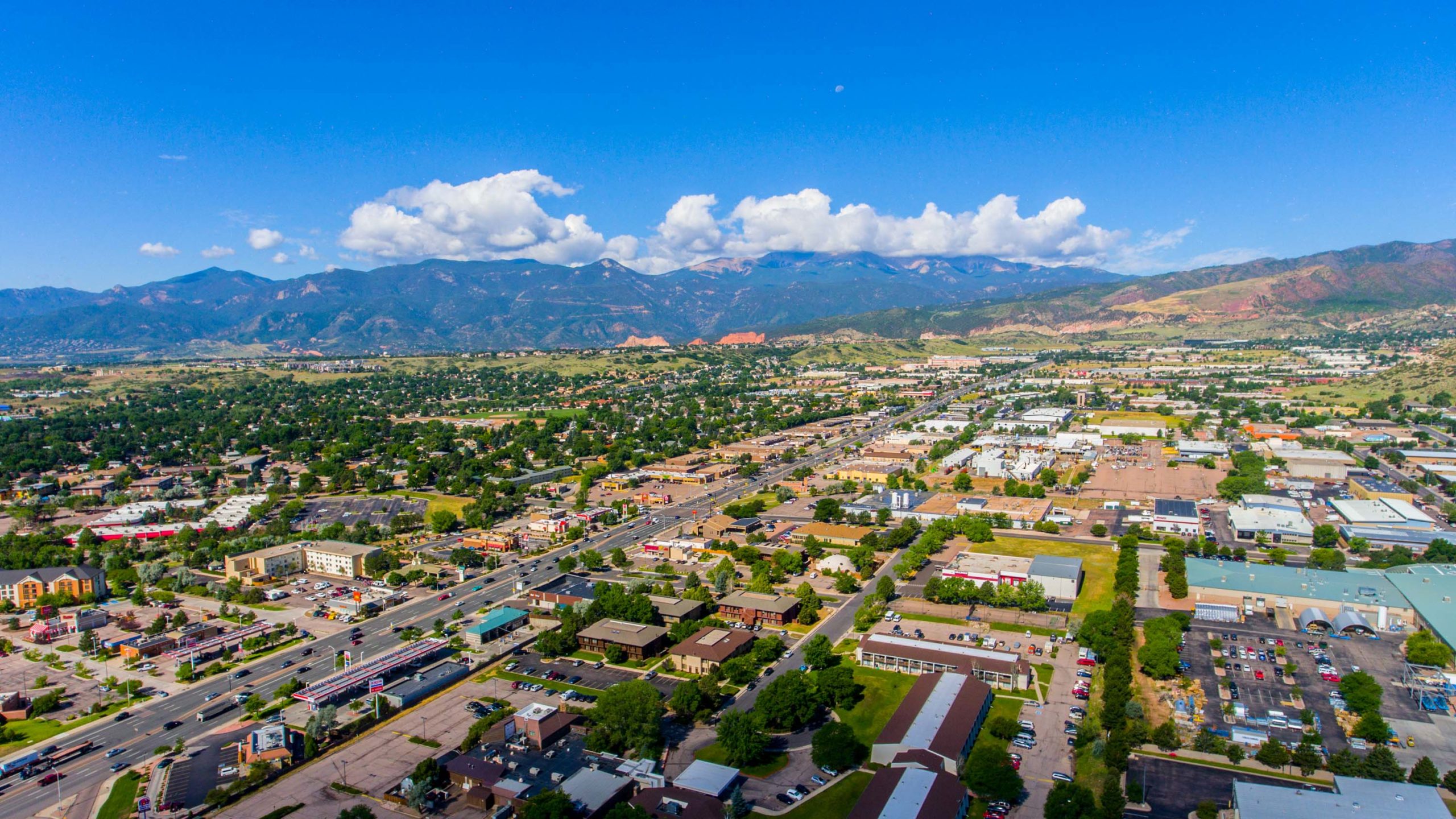
Suburban growth has been a hallmark of Colorado Springs for decades, with new housing developments often catering to families and individuals seeking more space and modern amenities. This outward expansion has also led to the development of commercial centers, schools, and recreational facilities in these outlying areas, creating self-sufficient communities within the larger metropolitan area. The city’s planning efforts often focus on balancing this growth with the preservation of open spaces and the creation of accessible green areas for residents.
The urban development of Colorado Springs is a continuous process, shaped by population demands and economic investment. The city government and planning commissions work to manage this evolution, addressing issues such as transportation, public services, and the integration of new developments with existing communities. The aim is often to foster a sustainable and livable city that can accommodate its growing population while maintaining its characteristic charm and access to the natural environment.
Impact of Population on Lifestyle and Activities
The substantial population of Colorado Springs directly influences the lifestyle and range of activities available to its residents and visitors. With a population exceeding half a million, the city boasts a robust cultural scene, a diverse culinary landscape, and a plethora of recreational opportunities that cater to a wide array of interests. The growing number of people has supported the establishment and expansion of various institutions, from museums and performing arts venues to a vibrant craft brewery and restaurant scene.
The access to the outdoors is perhaps the most defining characteristic of the Colorado Springs lifestyle, and this is amplified by its population. Trails around Garden of the Gods Park, the numerous state and local parks, and the proximity to the Rocky Mountains mean that outdoor pursuits are a daily reality for many. Whether it’s hiking, biking, climbing, or simply enjoying a picnic with a view of Pikes Peak, the abundance of natural attractions is a major draw for people of all ages and fitness levels. The sheer number of people engaging in these activities creates a shared passion for the natural environment and contributes to a healthy, active community ethos.
Furthermore, the growing population has spurred the development of organized sports leagues, community events, and festivals throughout the year. From the Pikes Peak International Hill Climb to local farmers’ markets and holiday celebrations, there is always something happening in Colorado Springs. The diversity of the population also means a rich tapestry of cultural experiences, with various ethnic communities contributing to the city’s vibrant social fabric. This dynamic interplay between the population size and the available lifestyle offerings makes Colorado Springs a compelling destination for those seeking an active, engaged, and nature-infused life.

Factors Influencing Future Population Trends
The future population of Colorado Springs will be shaped by a confluence of economic, social, and environmental factors. Continued investment in key industries, such as technology, aerospace, and healthcare, will likely sustain job growth and attract new residents. The city’s reputation as a relatively affordable yet high-quality place to live in the West will remain a significant draw, especially as other major metropolitan areas become increasingly expensive.
The availability of housing and infrastructure will be critical determinants of future growth. As the population increases, so too will the demand for housing, potentially leading to rising prices and the need for thoughtful urban planning to accommodate expansion without compromising quality of life or environmental sustainability. Investments in public transportation, schools, and public services will also be essential to support a larger and more diverse population.
Environmental considerations, particularly related to water resources and the impact of climate change, could also play a role in shaping population trends in Colorado Springs and the broader Front Range region. The city’s commitment to conservation and sustainable development will be increasingly important in ensuring its long-term livability. Ultimately, Colorado Springs is poised for continued growth, driven by its inherent strengths and its ability to adapt to the evolving needs of its residents and the broader societal landscape. The dynamic nature of its population underscores its status as a thriving and evolving urban center in the heart of the American West.
LifeOutOfTheBox is a participant in the Amazon Services LLC Associates Program, an affiliate advertising program designed to provide a means for sites to earn advertising fees by advertising and linking to Amazon.com. Amazon, the Amazon logo, AmazonSupply, and the AmazonSupply logo are trademarks of Amazon.com, Inc. or its affiliates. As an Amazon Associate we earn affiliate commissions from qualifying purchases.