
Understanding the population of a city like Detroit is not merely about reciting a number; it’s about grasping the vibrant heartbeat of a dynamic American destination. For any traveler or prospective visitor, knowing the demographic landscape provides invaluable context, shaping perceptions of local culture, economic vitality, and the overall visitor experience. Detroit has a storied past marked by significant demographic shifts, and its current population reflects a city undergoing profound transformation and revitalization.
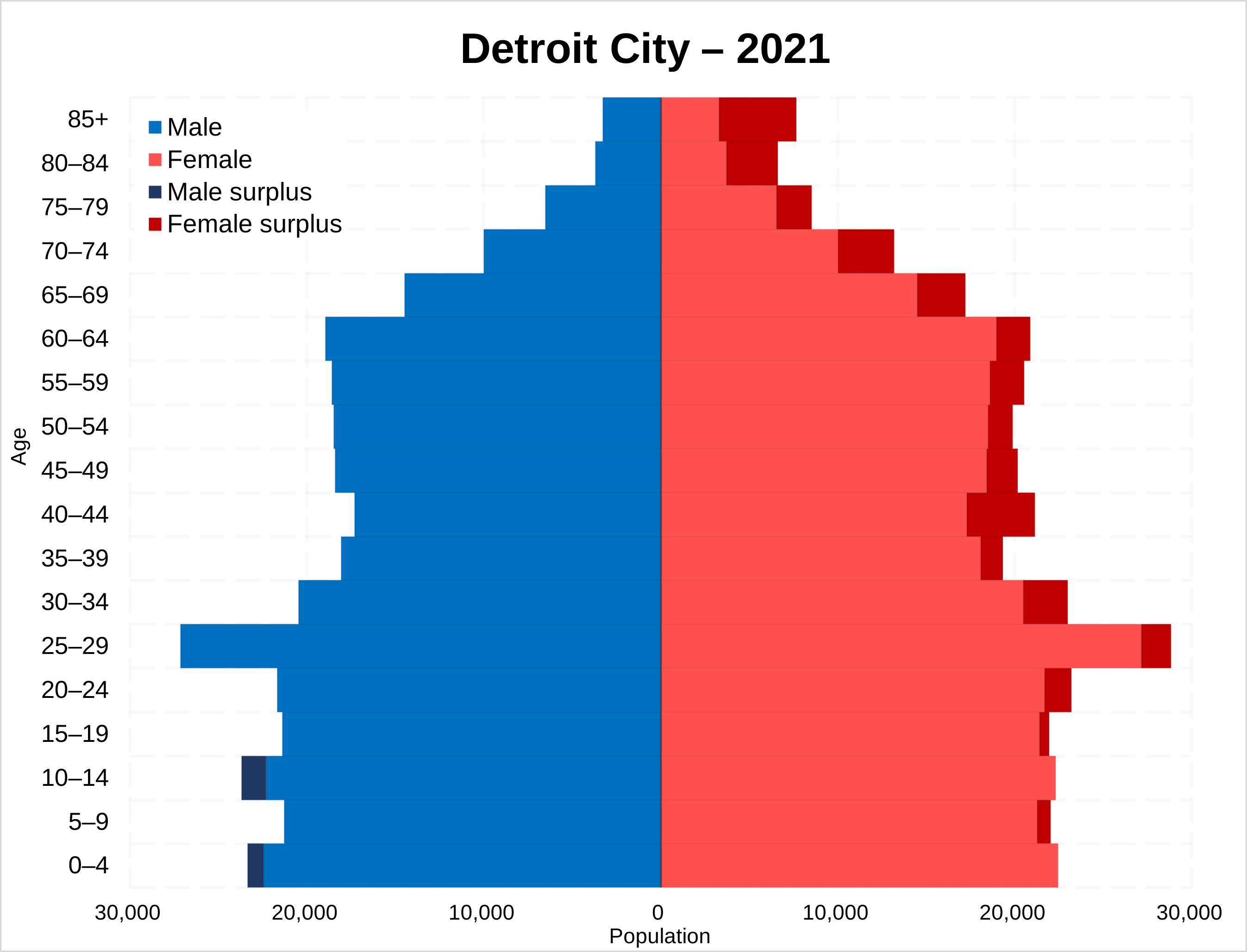
As of the 2020 United States Census, the population of Detroit, Michigan, stood at 639,111 residents. While this figure represents a decrease from its mid-20th-century peak, it also marks a significant period of stabilization and a foundation for new growth after decades of decline. This number, however, only tells part of the story. The larger Detroit metropolitan area, often referred to as Metro Detroit, encompasses a much larger population exceeding 4.3 million people, making it one of the largest metropolitan regions in the Midwest. This distinction between the city proper and the broader metropolitan area is crucial for understanding the economic reach, cultural diversity, and logistical considerations for visitors navigating the region.
A Historical Overview: Rise, Decline, and Resurgence
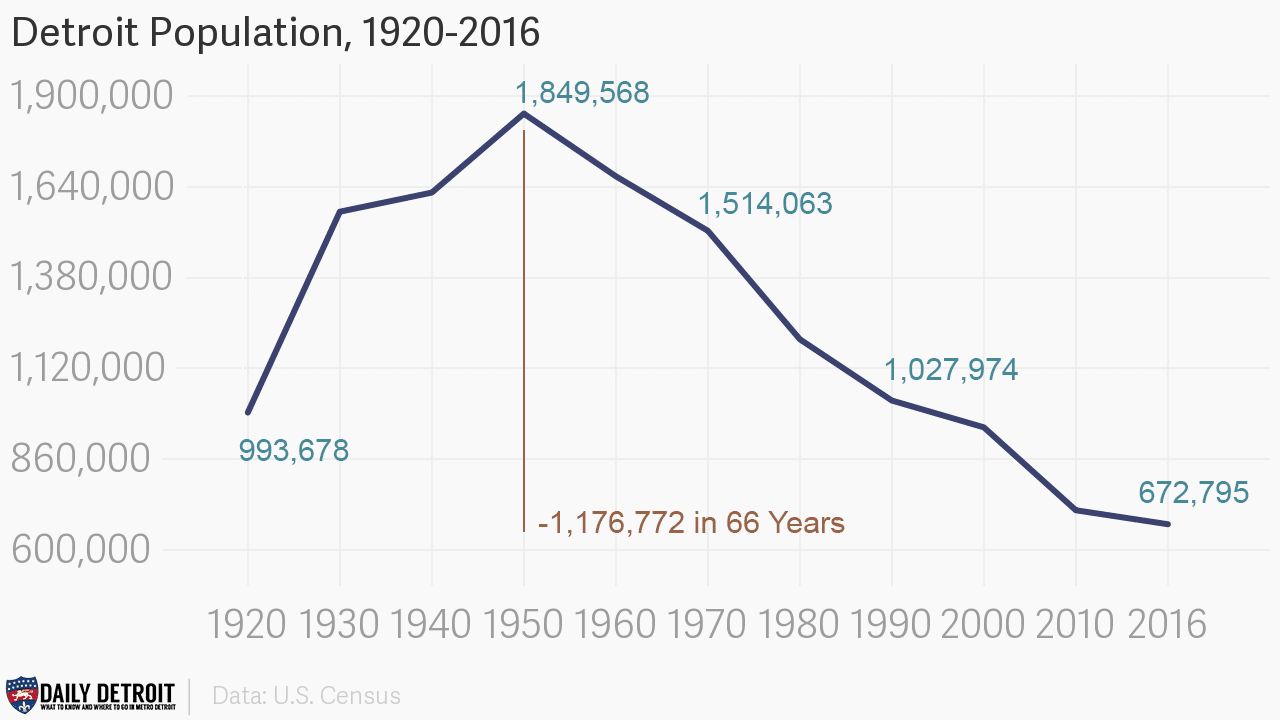
The population narrative of Detroit is arguably one of the most dramatic in modern American history, intrinsically linked to the rise and transformation of the automotive industry. At its peak in 1950, Detroit boasted a population of nearly 1.85 million residents, making it the fourth-largest city in the United States. This era was characterized by booming industrial output, job opportunities that attracted people from across the country and the globe, and a vibrant cultural scene that gave birth to phenomena like Motown.
However, subsequent decades brought about significant challenges. Suburbanization, deindustrialization, white flight, and social unrest contributed to a precipitous and sustained population decline. Factories closed or moved, jobs disappeared, and the city faced immense economic and social hurdles. This era left an indelible mark on Detroit’s urban fabric, resulting in widespread blight and a diminished tax base.
The narrative began to shift in the early 21st century. Despite facing municipal bankruptcy in 2013, Detroit embarked on an ambitious journey of revitalization. This period has seen significant investment in Downtown Detroit and Midtown, the emergence of new businesses, a burgeoning tech sector, and a renewed focus on community development. While the overall population decline has slowed significantly, and some areas are seeing population growth, the city is still actively working to attract and retain residents. This ongoing resurgence creates a fascinating backdrop for travelers, allowing them to witness a city actively reinventing itself while honoring its rich past.
Population Dynamics: Shaping the Modern Detroit Visitor Experience
The current population dynamics of Detroit profoundly influence the modern visitor experience, offering a unique blend of historical reflection and forward-looking energy. The diversity within its population, for instance, translates into a rich tapestry of cultural experiences that are a major draw for travelers.
Cultural Vibrancy and Diversity
Detroit’s population is a melting pot, reflecting a strong African American heritage, vibrant Hispanic communities, and a growing influx of young professionals and artists. This diversity is evident in the city’s culinary scene, with an array of soul food restaurants, authentic Mexican eateries in Mexicantown, and innovative new dining establishments. Music thrives, from the legacy of Motown to flourishing jazz clubs and techno scenes. Cultural institutions like the Detroit Institute of Arts and the Charles H. Wright Museum of African American History serve as testaments to the deep cultural roots and contributions of its diverse residents. For travelers, this means an authentic and multifaceted exploration of American culture that is distinct from other major cities.
Urban Renewal and Emerging Neighborhoods
The shifts in Detroit’s population have led to significant urban renewal projects, particularly in core areas. The influx of new residents, coupled with public and private investment, has transformed areas like Downtown Detroit and Midtown into bustling hubs of activity. Travelers can explore revitalized public spaces such as Campus Martius Park, vibrant entertainment districts, and a growing number of boutique shops and galleries. The energy of these areas is palpable, offering a contemporary urban experience often contrasted with the city’s historical industrial landscape. This blend of old and new is a significant draw, allowing visitors to witness urban evolution firsthand.
Exploring Detroit’s Diverse Neighborhoods Through Population Lenses
Detroit’s population isn’t uniformly distributed; rather, it clusters in distinct neighborhoods, each with its own character, history, and appeal for visitors. Understanding these localized population dynamics helps travelers appreciate the city’s multifaceted identity.
Downtown and Midtown: The Resurgent Core
These areas have experienced significant population growth and demographic shifts in recent years, primarily attracting young professionals, artists, and empty nesters. The energy is palpable, with new residential developments, renovated historic buildings, and a dense concentration of restaurants, bars, and cultural venues. For travelers, this means easy access to attractions like the Fox Theatre, Comerica Park (home of the Detroit Tigers), and the Detroit Institute of Arts. The revitalization here makes it a convenient and engaging base for exploring the city.
Corktown: Historic Charm and Modern Appeal
Corktown, Detroit’s oldest surviving neighborhood, has a unique population story. Historically settled by Irish immigrants, it has more recently attracted a diverse mix of residents, including young families and entrepreneurs drawn to its historic architecture and burgeoning business scene. The presence of tech companies like Ford’s mobility innovation campus at Michigan Central Station has spurred further development and population interest. Visitors to Corktown can enjoy historic pubs, trendy eateries, and a palpable sense of community that blends its past with its future.
Eastern Market: A Culinary and Cultural Hub
Eastern Market is a vibrant district known for its historic public market and a diverse, transient population that swells dramatically on market days. While not a residential neighborhood in the traditional sense, its constant flow of vendors, shoppers, and food enthusiasts creates a lively atmosphere that reflects Detroit’s entrepreneurial spirit and love for fresh, local produce. For travelers, Eastern Market is a must-visit for experiencing local flavor, artisanal goods, and the communal energy of Detroit.
Mexicantown: A Taste of Mexico in Detroit
Located in Southwest Detroit, Mexicantown is a testament to the enduring presence and cultural contributions of Detroit’s Hispanic population. This neighborhood is a cultural enclave, known for its authentic Mexican restaurants, bakeries, shops, and vibrant community life. It offers travelers a distinct cultural experience, showcasing the city’s incredible diversity through its culinary traditions and local businesses.

The Future of Detroit’s Population and Its Impact on Travel
The trajectory of Detroit’s population continues to be a focal point for urban planners, policymakers, and those invested in the city’s future. While the city’s population remains below its historical peak, recent trends suggest a period of stabilization and even modest growth in certain areas. Initiatives focused on housing development, job creation in diverse sectors, and improvements in public services are all designed to attract and retain residents.
For the travel sector, a growing and evolving population implies several exciting prospects. A younger, more diverse population often fuels innovation in hospitality, arts, and entertainment. Increased residential density supports a broader array of restaurants, cafes, and nightlife, enriching the visitor experience. Moreover, a population that is increasingly invested in its city fosters a sense of pride and community that is infectious to visitors. The continued revitalization of Detroit, driven by its changing population, promises an ever-evolving destination for travelers seeking authentic cultural experiences, historical insights, and a glimpse into the future of American urbanism. As Detroit continues its journey of rebirth, its population will remain the true measure of its success and the key to its dynamic appeal as a world-class travel destination.
LifeOutOfTheBox is a participant in the Amazon Services LLC Associates Program, an affiliate advertising program designed to provide a means for sites to earn advertising fees by advertising and linking to Amazon.com. Amazon, the Amazon logo, AmazonSupply, and the AmazonSupply logo are trademarks of Amazon.com, Inc. or its affiliates. As an Amazon Associate we earn affiliate commissions from qualifying purchases.