
Understanding the scale of a destination is often the first step in planning a successful journey. When travelers ask about the population of Honolulu, they are often seeking to understand the “vibe” of Hawaii’s most prominent urban center. As the capital and largest city of the United States’ 50th state, Honolulu serves as the primary gateway to the Pacific Ocean. To truly grasp the atmosphere of this tropical metropolis, one must look beyond the raw census numbers and examine how the density of residents and visitors creates one of the most unique travel experiences in the world.
Defining the Urban Landscape: Population and Scale in Honolulu
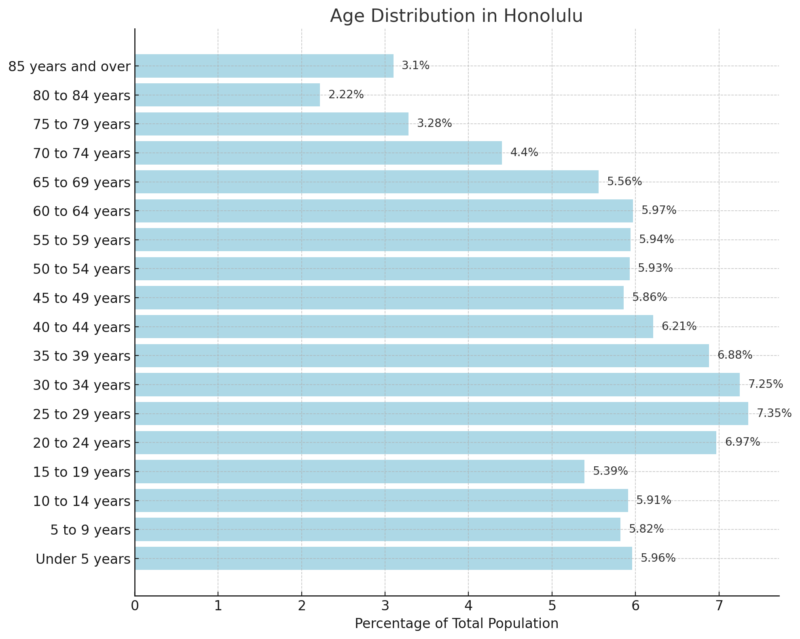
The population of Honolulu is a figure that can be interpreted in two ways: the city proper and the entire county of Honolulu, which covers the island of Oahu. According to recent estimates, the city of Honolulu itself has a population of approximately 340,000 to 350,000 residents. However, when looking at the urbanized area and the greater Honolulu metropolitan region, the number climbs closer to 1,000,000. For a traveler, this means that while Hawaii is often associated with secluded beaches and rural landscapes, Honolulu offers a high-energy, cosmopolitan environment that rivals major mainland cities.
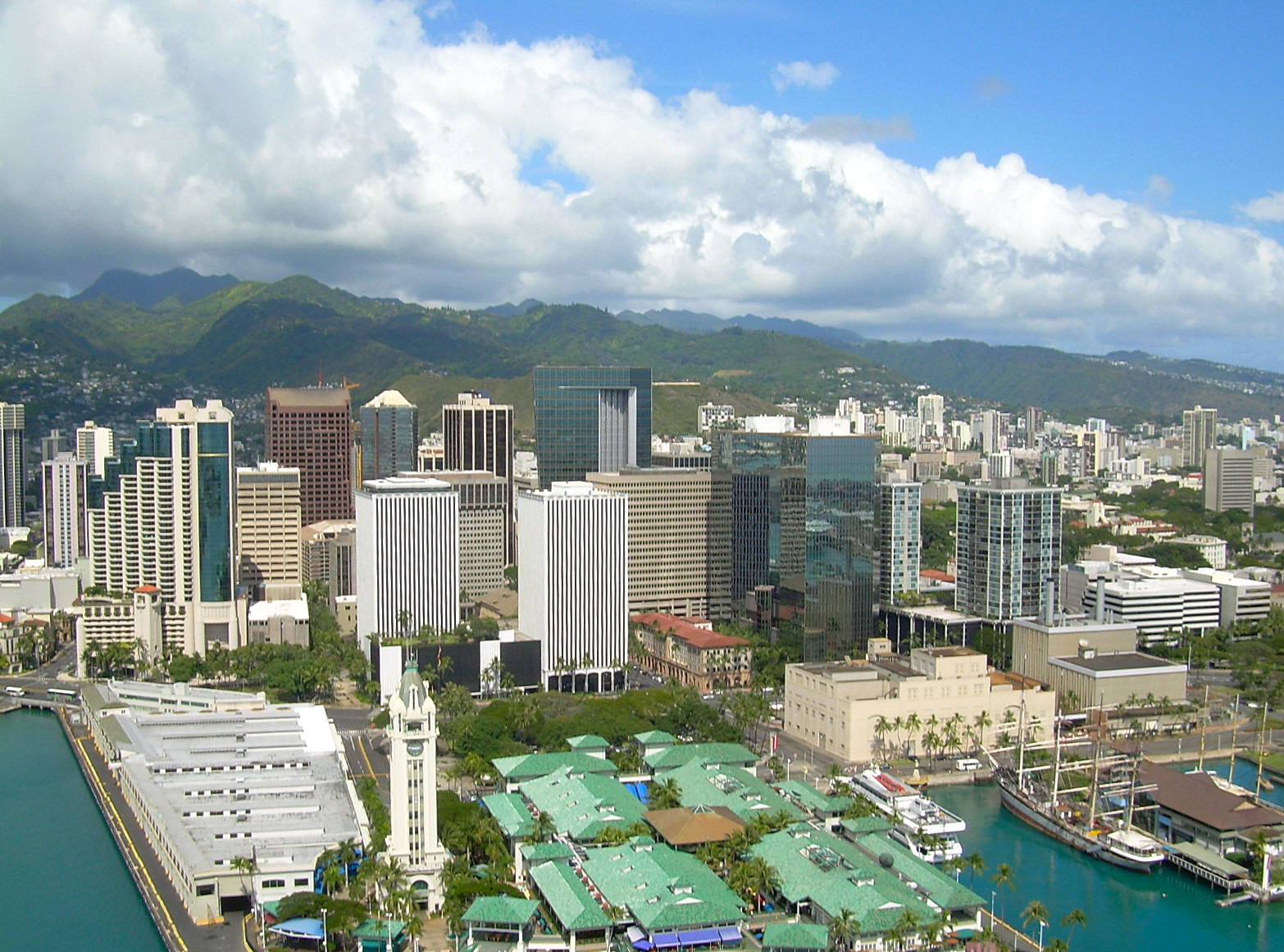
The geographical constraints of Oahu—an island with steep volcanic ridges and limited coastal plains—have forced the population to concentrate in specific areas. This has resulted in a skyline filled with high-rise residential towers and hotels, particularly in the Waikiki and Kakaako districts. For visitors, this density translates into a walkable urban core where luxury shopping at the Ala Moana Center and historic sites like Iolani Palace are just a short distance apart.
Despite the density, Honolulu manages to preserve a sense of island charm. The population isn’t just a statistic; it is a community that deeply values the “Aloha Spirit.” This cultural philosophy dictates how residents interact with one another and with the millions of tourists who pass through each year. Whether you are navigating the crowds at Waikiki Beach or finding a quiet moment at the Punchbowl Crater, the sheer number of people in Honolulu provides a vibrant backdrop to the city’s natural beauty.
The Melting Pot: How Demographics Shape the Traveler’s Experience
One cannot discuss the population of Honolulu without highlighting its immense diversity. Honolulu is frequently cited as one of the most ethnically diverse cities in the United States. A significant portion of the population identifies as Asian, with strong ancestral ties to Japan, the Philippines, and China. This is complemented by a substantial Native Hawaiian and Pacific Islander community, alongside residents of European and Latino descent.
For the modern traveler, this demographic makeup is the engine behind Honolulu’s world-class culinary and cultural scene. The population’s roots are visible in every corner of the city, from the bustling stalls of Chinatown to the authentic “plate lunch” spots in Kalihi. When you visit a landmark like the Bishop Museum, you aren’t just looking at history; you are seeing the stories of the people who make up the current population.
The multicultural nature of the city also means that Honolulu hosts an array of international festivals that are a major draw for tourism. Events like the Honolulu Festival or the Lantern Floating Hawaii ceremony at Magic Island showcase how the local population shares its heritage with the world. This demographic richness ensures that a trip to Honolulu is as much an educational journey into human history and migration as it is a beach vacation.
Navigating the Density: What the Population Means for Your Itinerary
A high population density in a concentrated area like Honolulu has practical implications for any travel itinerary. Most notably, the city is known for its traffic. Because so many people live and work in the narrow corridor between the mountains and the sea, the H-1 Freeway can be congested during peak hours. Savvy travelers often plan their excursions to the North Shore or Kailua to avoid morning and afternoon rush periods.

However, the population concentration also supports an incredibly robust infrastructure. Honolulu features an extensive public transit system known as TheBus, which is frequently ranked as one of the best in the nation. This allows visitors to explore attractions like Pearl Harbor or Hanauma Bay without the need for a rental car. The sheer volume of residents also means that services, from high-end medical facilities to 24-hour convenience stores, are readily available.
For those looking to escape the urban bustle, understanding the population distribution is key. While Waikiki is the heart of the tourist zone, areas like Diamond Head offer a slightly more residential feel while still being close to the action. If you venture further out to the Leeward Coast or the Windward Coast, you will find the population thins out, offering the more tranquil, rural Hawaii experience that many dream of. Balancing these two worlds—the high-energy city and the quiet coastline—is the secret to a perfect Honolulu vacation.
Neighborhood Profiles: Exploring the Soul of Oahu’s Residents
To understand the population of Honolulu, one must explore the distinct neighborhoods where people actually live, work, and play. These areas offer a glimpse into the daily life of a local, away from the neon lights of Kalakaua Avenue.
Kakaako: The Modern Urban Hub
Formerly an industrial district, Kakaako has undergone a massive transformation in recent years. It is now home to a growing population of young professionals and artists. This neighborhood is famous for the POW! WOW! Hawaii mural project, which has covered local buildings in vibrant street art. For the traveler, Kakaako offers trendy breweries, boutiques, and the SALT at Our Kakaako shopping complex, providing a contemporary look at the city’s evolving demographic.
Manoa and Nuuanu: Residential Heritage
Nestled in the valleys behind the city, Manoa and Nuuanu are where many of Honolulu’s long-term residents reside. These areas are characterized by historic homes, lush greenery, and frequent tropical rain. Travelers head to Manoa to hike to Manoa Falls or visit the University of Hawaii at Manoa campus. Exploring these valleys provides a sense of the scale of Honolulu’s residential life and the natural beauty that coexists with the urban environment.
Kapahulu and Kaimuki: The Local Flavor
Located just inland from Waikiki, Kapahulu and Kaimuki are neighborhoods that have retained their classic island charm. The population here is a mix of multi-generational families and students. These neighborhoods are a treasure trove for foodies, featuring iconic eateries like Leonard’s Bakery, known for its malasadas. Visiting these areas allows travelers to see where the local population shops and eats, providing a more authentic “Honolulu” experience.
Seasonal Dynamics and the Fluid Population of the City
When discussing the population of Honolulu, it is essential to consider the “de facto” population—the total number of people on the island at any given time, including tourists. Oahu receives millions of visitors annually, and at any moment, there are tens of thousands of travelers staying in resorts like the Hilton Hawaiian Village or the Sheraton Waikiki.
This fluid population means that Honolulu is a city that never truly sleeps. During peak travel seasons—such as the winter holidays or the summer months—the population in the tourist hubs can feel double its normal size. This seasonality affects everything from the availability of reservations at popular restaurants like Duke’s Waikiki to the wait times for attractions like the USS Arizona Memorial.
The presence of the military also significantly impacts the population dynamics of Honolulu. With major bases like Joint Base Pearl Harbor-Hickam and Marine Corps Base Hawaii nearby, there is a constant influx of service members and their families from across the United States. This military presence adds to the city’s diversity and contributes to the local economy, while also influencing the types of services and retail options available in the greater metropolitan area.
Ultimately, the population of Honolulu is what makes the city a premier travel destination. It is a place where the density of a modern city meets the warmth of a close-knit island community. By understanding the numbers and the people behind them, travelers can better navigate the streets of Honolulu, appreciate its cultural depth, and find their own place within this vibrant Pacific hub. Whether you are there for the surfing at Ala Moana Beach Park or to explore the halls of the Hawaii State Art Museum, you are part of the living, breathing tapestry that is Honolulu, Hawaii.
LifeOutOfTheBox is a participant in the Amazon Services LLC Associates Program, an affiliate advertising program designed to provide a means for sites to earn advertising fees by advertising and linking to Amazon.com. Amazon, the Amazon logo, AmazonSupply, and the AmazonSupply logo are trademarks of Amazon.com, Inc. or its affiliates. As an Amazon Associate we earn affiliate commissions from qualifying purchases.