
Understanding the population of Nebraska is a fundamental aspect of appreciating its unique character and the experiences it offers to visitors. While often perceived as a vast, open expanse, the state is home to a dynamic and growing population that shapes its cultural landscape, economic vitality, and the very attractions that draw travelers. This demographic insight provides a crucial lens through which to view everything from the bustling urban centers to the quiet, rural communities, and influences the kinds of accommodations, activities, and local flavors one can expect to encounter.
Demographic Snapshot of Nebraska
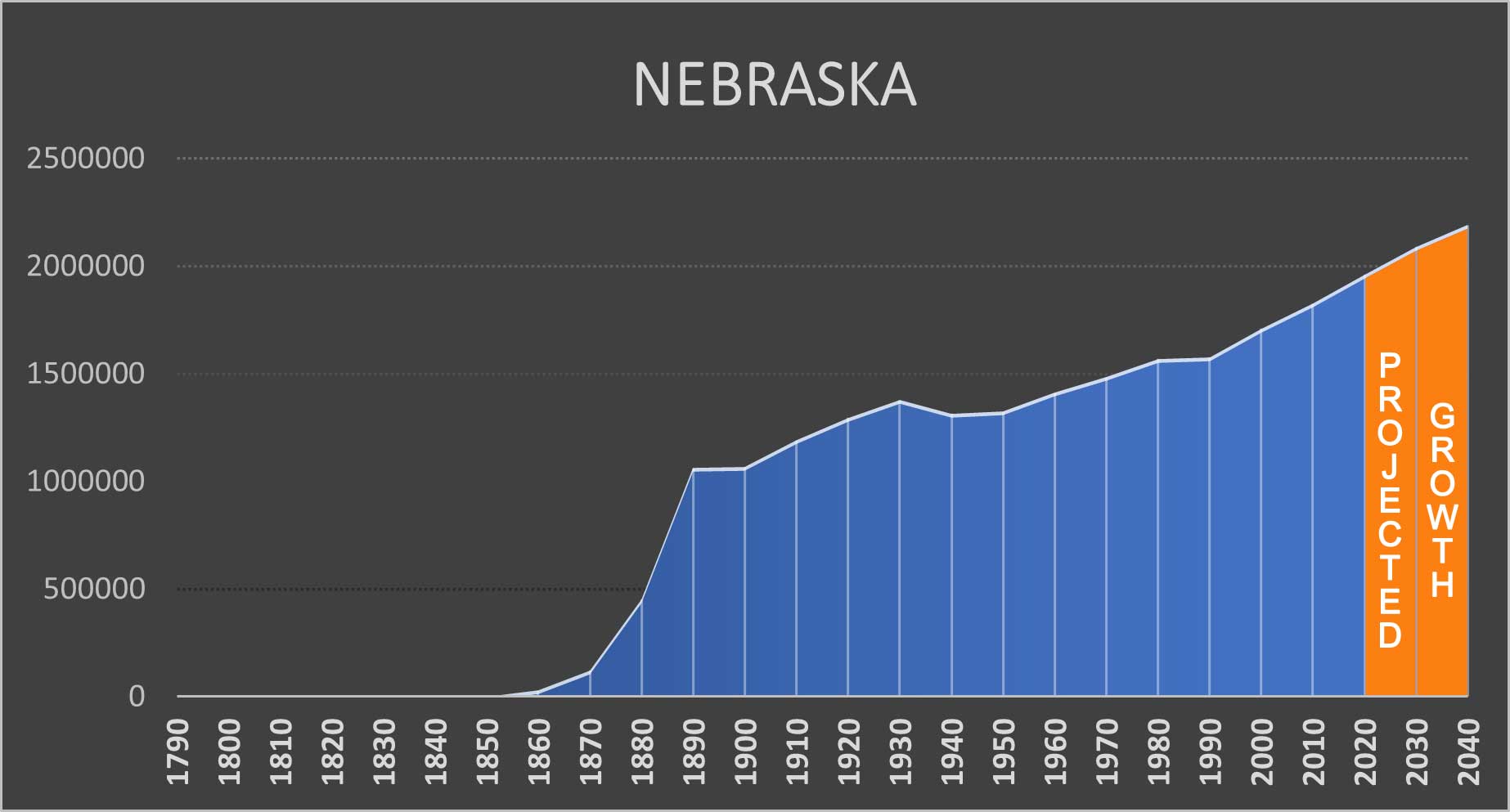
The population of Nebraska is a mosaic of established communities and evolving demographics. As of recent estimates, the state’s population hovers around 1.9 million people. This figure, while not as substantial as some of the more populous states in the United States, represents a significant and engaged populace that drives the state’s identity. The growth rate, while moderate, indicates a steady influx of new residents and a retention of its existing population, suggesting a state that offers a compelling quality of life.
Key Population Centers
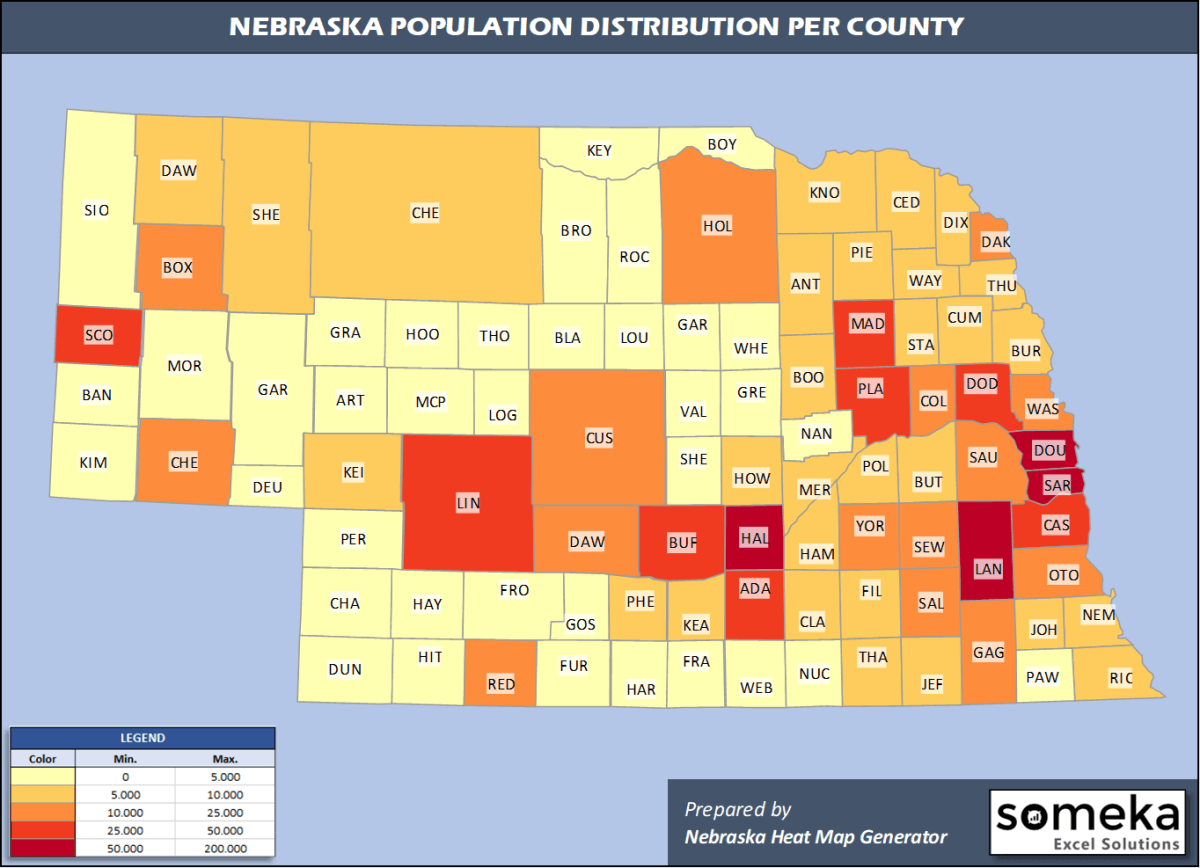
The distribution of Nebraska’s population is heavily concentrated in its metropolitan areas. This urban core forms the vibrant heart of the state, offering a concentrated array of cultural attractions, dining experiences, and accommodations.
Omaha Metropolitan Area
Omaha, the state’s largest city, is the primary population hub. Its metropolitan area is home to over 950,000 residents, making it the most significant demographic center in Nebraska. This concentration of people translates into a rich tapestry of experiences for visitors. Omaha boasts a thriving arts scene, with institutions like the Joslyn Art Museum and a vibrant live music and theater community. The city’s culinary landscape is diverse, ranging from classic steakhouse fare to innovative international cuisine, reflecting the diverse tastes of its residents. For travelers, Omaha offers a wide selection of hotels, from luxury resorts to budget-friendly options, and a plethora of activities, including the renowned Henry Doorly Zoo and Aquarium and the historic Old Market district.
Lincoln Metropolitan Area
Lincoln, the state capital, is the second-largest population center, with its metropolitan area comprising over 350,000 residents. Lincoln offers a unique blend of governmental significance and Midwestern charm. As the seat of state government, it features impressive architecture, including the iconic Nebraska State Capitol Building. The city also benefits from a strong university presence, contributing to a youthful and dynamic atmosphere. Visitors to Lincoln can explore its numerous parks, museums, and a burgeoning culinary scene. The availability of diverse accommodations, from boutique hotels to larger chains, ensures a comfortable stay for all types of travelers. Activities often center around the university, with sporting events and cultural performances, as well as the Nebraska History Museum.
Rural and Small-Town Demographics
Beyond the major metropolitan areas, Nebraska is characterized by its extensive rural landscape and numerous small towns. These communities, while having smaller populations, are the custodians of much of the state’s heritage and traditional way of life. They offer a distinct travel experience, one that emphasizes peace, natural beauty, and genuine local interactions.
The “Plains” Experience
The population in the western and northern parts of the state is sparser, fostering an environment that embodies the quintessential “Great Plains” experience. Here, visitors can immerse themselves in the vastness of the landscape, encountering fewer people and more open skies. This is where the charm of small-town festivals, local diners serving hearty regional dishes, and opportunities for outdoor adventures like hiking and stargazing come to the forefront. Small, independently owned lodges and motels often provide the accommodation, offering a more intimate and authentic connection with the local community. The population density here directly influences the pace of life, making it an ideal destination for those seeking a tranquil escape.
Cultural Influences and Diversity
While Nebraska is predominantly populated by individuals of European descent, its demographics are becoming increasingly diverse. The growing Hispanic and Latino population, particularly in urban areas like Omaha and Grand Island, contributes to a richer cultural fabric, evident in the proliferation of diverse eateries and cultural celebrations. This evolving diversity enriches the visitor experience, offering new flavors, traditions, and perspectives to explore. Understanding this demographic shift helps travelers anticipate a more multifaceted and engaging journey through the state.
Population Trends and Their Impact on Tourism
The population trends in Nebraska have a direct and profound impact on the tourism sector, influencing the types of destinations that flourish, the demand for accommodations, and the evolution of activities and cultural offerings. As the state’s population grows and diversifies, so too do the opportunities for travelers.
Urban Growth and Demand for Amenities
The steady growth of Omaha and Lincoln fuels a greater demand for sophisticated tourism infrastructure. This includes a wider range of hotels, from luxury brands like the Magnolia Hotel Omaha to modern boutique establishments. The increased population also supports a more diverse culinary scene, with new restaurants and cafes constantly emerging to cater to varied tastes and preferences. This urban expansion means more art galleries, performance venues, and major sporting events, providing a constant stream of attractions for visitors. The convention and business travel sectors also benefit from these larger population bases, driving demand for conference facilities and business-friendly accommodations.
Rural Revitalization and Niche Tourism
While urban centers draw the most significant population concentrations, the demographic shifts in rural Nebraska are also shaping tourism. Efforts toward rural revitalization are often supported by a desire to attract visitors to these less-populated areas, promoting niche tourism experiences. This includes agritourism, where visitors can engage with farming practices, visit local wineries, or stay at charming farm stays. The preservation of historic towns and the promotion of outdoor recreation, such as exploring the Scott’s Bluff National Monument or the Platte River Valley, are key draws for a segment of the population seeking authentic, less-crowded experiences. The demographic appreciation for heritage and nature means that these areas are increasingly viable and appealing tourist destinations.
Generational Shifts and Travel Preferences
Generational shifts within Nebraska’s population also influence travel trends. Younger generations, often more digitally connected and seeking unique experiences, drive demand for activities that offer Instagrammable moments, adventure sports, and immersive cultural encounters. This translates into the growth of craft breweries, vibrant downtown districts with independent shops, and outdoor adventure outfitters. Older generations may prioritize comfort, history, and relaxation, leading to continued demand for traditional resorts, historical tours, and scenic drives. Catering to these diverse generational preferences is crucial for the success of Nebraska’s tourism industry.
The Interplay Between Population and Nebraska’s Attractions
The population of Nebraska and its attractions are inextricably linked. The people who live in the state are the stewards of its cultural heritage, the creators of its vibrant communities, and the driving force behind the development and maintenance of its tourist destinations.
Local Culture and Community-Driven Experiences
The population density, particularly in smaller towns, often fosters strong community bonds. These close-knit communities are frequently the source of unique local traditions, festivals, and a welcoming atmosphere that enriches the visitor experience. For example, the numerous county fairs held across Nebraska each summer are a direct reflection of the state’s population and its deep-rooted agricultural heritage. Visitors attending these events can experience local food, crafts, and entertainment, gaining an authentic glimpse into the lives of Nebraskans. The preservation of historic districts in towns like Red Cloud, the birthplace of author Willa Cather, is often driven by passionate local populations dedicated to sharing their history with the world.
Economic Impact and Infrastructure Development
The population of Nebraska plays a vital role in the state’s economy, and tourism is a significant contributor to this economic health. A larger, more engaged population supports local businesses, including hotels, restaurants, and shops, which in turn invest in and improve their offerings to cater to both residents and tourists. Infrastructure development, such as improved roadways and public transportation, is often a response to population needs and can significantly enhance accessibility for tourists. The economic vitality generated by the population enables the state to invest in maintaining and developing its natural and historical landmarks, ensuring they remain appealing destinations for generations to come.

The Human Element in Nebraska’s Appeal
Ultimately, what makes Nebraska a compelling travel destination is not just its landscapes or its historical sites, but the people who inhabit it. The friendly demeanor of Nebraskans, their pride in their state, and their willingness to share its stories contribute immeasurably to the visitor experience. From the innkeeper in a small town to the museum curator in Omaha, the human element is what transforms a visit into a memorable journey. Understanding the population of Nebraska means appreciating the heart and soul of the state, a vital component for any traveler seeking an authentic and enriching experience.
LifeOutOfTheBox is a participant in the Amazon Services LLC Associates Program, an affiliate advertising program designed to provide a means for sites to earn advertising fees by advertising and linking to Amazon.com. Amazon, the Amazon logo, AmazonSupply, and the AmazonSupply logo are trademarks of Amazon.com, Inc. or its affiliates. As an Amazon Associate we earn affiliate commissions from qualifying purchases.