
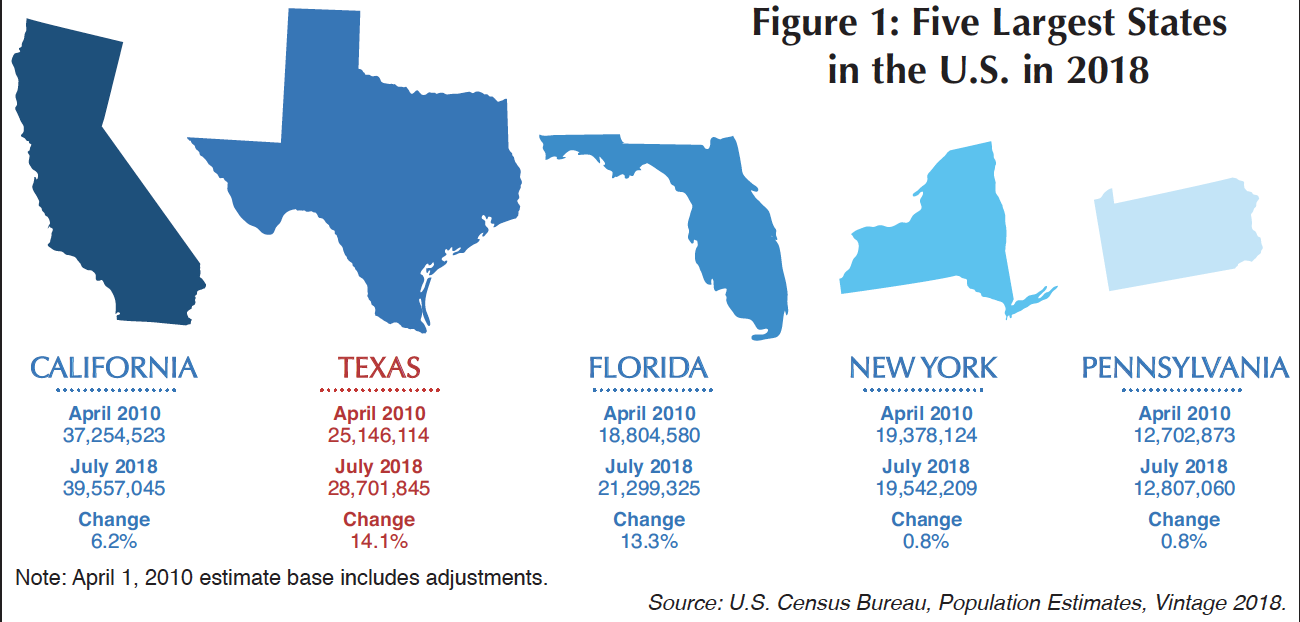
Texas, a state synonymous with vast landscapes, rich history, and a vibrant culture, is also a demographic powerhouse. Its population is not merely a statistic; it’s a dynamic and ever-evolving tapestry that shapes the state’s identity, economy, and future trajectory. Understanding the population of Texas involves delving into its sheer numbers, the patterns of its growth, its distribution across diverse urban and rural areas, and the underlying demographic shifts that are making it one of the most compelling places to live and visit in the United States. As of recent estimates, Texas stands as the second most populous state, a testament to its enduring appeal and economic opportunities. This considerable population influences everything from the state’s political representation and infrastructure needs to its cultural vibrancy and the diverse experiences available to travelers and residents alike.

The Scale and Growth of the Texan Population
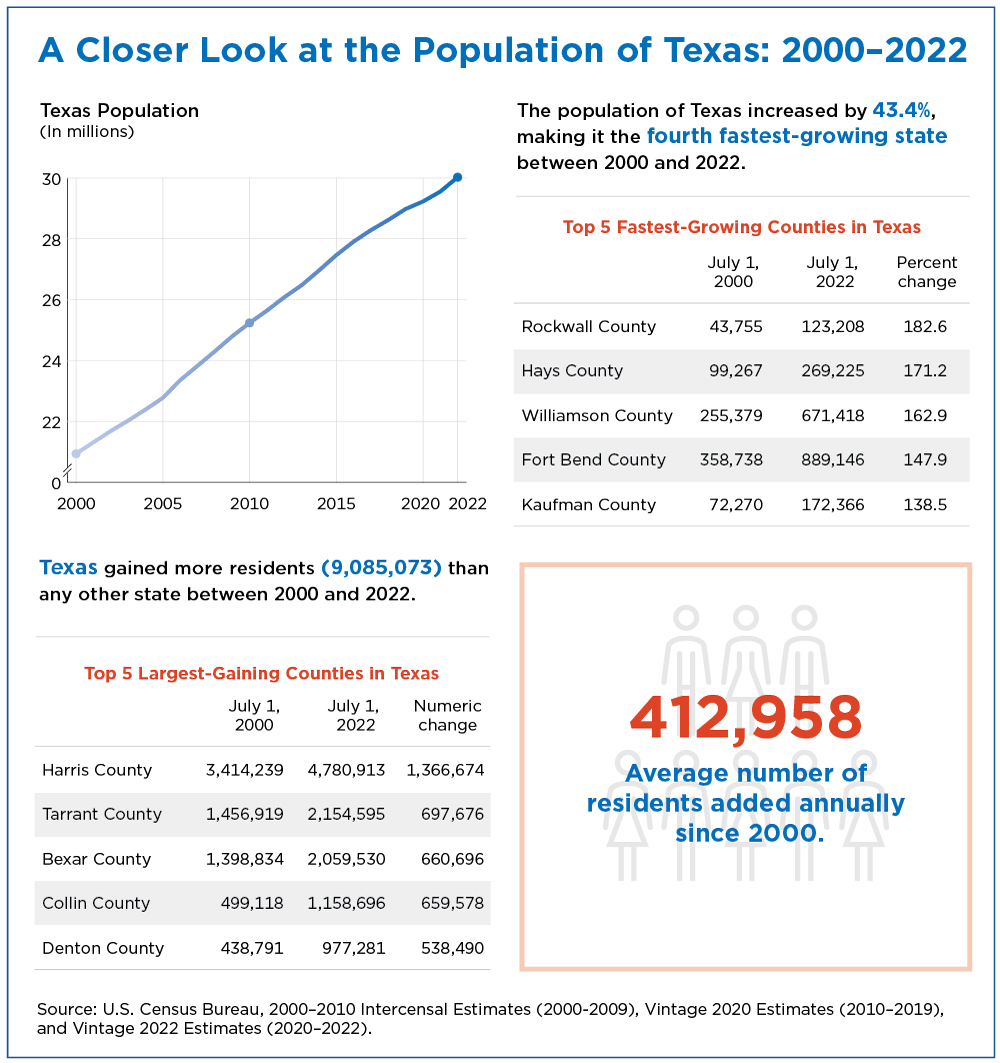
The sheer magnitude of Texas’s population is a primary characteristic. Consistently ranking among the top two most populous states, it is a destination that draws millions of people seeking opportunity, a lower cost of living compared to other major hubs, and a distinct Texan lifestyle. The state’s growth rate has been remarkable for decades, outpacing the national average and significantly contributing to the overall expansion of the American population. This growth is not a stagnant figure but a continuous influx of new residents, driven by a combination of factors including a robust job market, particularly in sectors like technology, energy, and healthcare, as well as its reputation for a business-friendly environment.
Factors Driving Population Expansion
Several key drivers underpin Texas’s impressive population growth. Economically, the state has benefited from a diversified economy that has weathered national downturns more effectively than many others. Industries such as aerospace in Houston, technology in Austin, and the energy sector throughout the Permian Basin and along the Gulf Coast have created a consistent demand for labor. This economic magnetism attracts individuals and families from across the United States and internationally.
Furthermore, Texas often presents a more affordable cost of living, especially in terms of housing, when compared to coastal states like California or New York. This economic advantage, coupled with a generally lower tax burden (no state income tax), makes Texas an attractive destination for those looking to maximize their financial well-being. The state’s welcoming attitude towards businesses and its relatively streamlined regulatory environment also contribute to its economic dynamism, indirectly fueling population growth.
Trends in Population Change
The population of Texas is not just growing; it’s also changing in composition. The state is experiencing significant demographic shifts, including a growing diversity in its racial and ethnic makeup. The Hispanic population, in particular, has seen substantial growth, leading to a more multi-cultural and vibrant society. This diversity is reflected in the state’s culinary scene, cultural festivals, and community events, offering a rich experience for anyone visiting or living in Texas. Birth rates also play a role, with Texas historically having a higher birth rate than many other states.
Distribution Across Texas: Urbanization and Rural Landscapes
The population of Texas is not uniformly distributed. Instead, it’s concentrated in major metropolitan areas and corridors, while vast stretches of the state retain a more rural character. This dichotomy influences the type of experiences available, from the bustling energy of its large cities to the serene beauty of its ranches and small towns. Understanding this distribution is crucial for grasping the state’s overall demographic profile and the diverse lifestyle options it offers.
The Major Metropolitan Hubs
The heart of Texas’s population lies in its sprawling metropolitan areas. The Dallas-Fort Worth Metroplex, often referred to as the “Big D,” is a massive urban conglomeration that is home to millions. It’s a center for finance, corporate headquarters, and a significant cultural hub with world-class museums, performing arts, and dining. Nearby, Fort Worth maintains a distinct Western heritage, offering a charming contrast to the more modern DFW.
Houston, the state’s most populous city, is a global center for the energy industry and a diverse melting pot of cultures. Its massive port, NASA’s Johnson Space Center, and a renowned medical complex contribute to its economic might and its international allure. Houston offers a rich tapestry of international cuisines, a vibrant arts scene, and a humid, subtropical climate that defines its unique character.
Austin, the state capital, has experienced explosive growth, driven by its thriving tech industry and its reputation as the “Live Music Capital of the World.” This vibrant city offers a youthful energy, a strong focus on outdoor activities, and a progressive cultural scene that attracts a diverse population. Its proximity to the beautiful Hill Country makes it a popular destination for both residents and tourists seeking a blend of urban excitement and natural beauty.
Further south, the San Antonio metropolitan area boasts a rich Hispanic heritage, evident in its historic missions, distinctive architecture, and a culinary scene deeply rooted in Mexican traditions. The Alamo and the River Walk are iconic landmarks that draw millions of visitors annually, immersing them in the city’s unique cultural tapestry.
Rural and Small-Town Demographics
Beyond the bustling metropolises, Texas also encompasses vast rural areas and numerous small towns. These regions, while less densely populated, play a vital role in the state’s identity, economy, and landscape. Many of these areas are characterized by agriculture, ranching, and a slower pace of life. Small towns often offer a strong sense of community and a connection to Texas’ traditional roots. While some rural areas face challenges related to population decline or aging demographics, others are experiencing revitalization through tourism, niche industries, or as desirable locations for those seeking a more peaceful existence away from urban centers. These areas provide a stark contrast to the urban experience and offer a different, yet equally authentic, perspective on life in the Lone Star State.
Demographic Profile: A Snapshot of Texan Residents
The population of Texas is characterized by a rich diversity in age, ethnicity, and socioeconomic backgrounds. This demographic mosaic contributes to the state’s unique cultural fabric and its dynamic social landscape. Understanding these characteristics provides a deeper appreciation for the people who call Texas home and the experiences they contribute to the state.
Age Distribution and Generational Trends
Texas has a relatively young population compared to the national average. This is partly due to its high birth rates and the influx of younger individuals and families attracted by economic opportunities. This youthful demographic has implications for various sectors, including education, workforce development, and consumer markets. As different generations, from Baby Boomers nearing retirement to Gen Z entering the workforce, contribute to the state’s population, their unique needs and preferences shape the social and economic environment. The presence of a substantial younger population suggests a dynamic future for the state, with ongoing innovation and evolving cultural trends.
Ethnic and Cultural Diversity
As previously mentioned, ethnic and cultural diversity is a defining characteristic of the Texan population. The state is a melting pot of ethnicities, with significant populations of White, Hispanic, Black, and Asian individuals, as well as numerous other ethnic groups. The Hispanic population, in particular, has grown substantially, making Texas a state with a strong Latino influence. This diversity is not just a statistical reality; it actively enriches the state’s culture, influencing everything from its food and music to its art and traditions. Visitors to Texas will find a vibrant fusion of cultures that is truly distinctive.
Socioeconomic Landscape
The socioeconomic landscape of Texas is as varied as its population. While the state boasts significant wealth and economic prosperity, particularly within its major metropolitan centers and in industries like oil and gas, it also faces challenges related to income inequality and poverty. The cost of living can vary dramatically, from the high-end luxury markets in cities like Dallas and Houston to more affordable options in smaller towns and rural areas. The presence of major industries like technology and healthcare provides high-paying jobs, but the service sector and other industries also employ a large portion of the population, reflecting a wide spectrum of economic experiences. This diversity in economic standing contributes to the multifaceted nature of Texan society.
The Impact of Population on Texas Tourism and Experiences
The sheer size and diversity of Texas’s population have a profound impact on the state’s tourism industry and the variety of experiences available to visitors. From the sprawling urban attractions of its major cities to the unique cultural enclaves and vast natural landscapes, the population dictates the demand, the offerings, and the overall character of tourism in the Lone Star State.
Urban Exploration and Cultural Immersion
The dense populations in cities like Houston, Dallas, and Austin fuel a vibrant tourism ecosystem. These urban centers boast world-class museums, such as the Museum District in Houston or the Dallas Museum of Art. The culinary scenes are exceptionally diverse, reflecting the state’s multicultural population, offering everything from authentic Tex-Mex and barbecue to global cuisines. Live music venues in Austin, professional sports teams across the major cities, and a multitude of entertainment options cater to a wide range of interests. The sheer volume of people living in these areas creates a constant demand for new attractions and experiences, pushing the boundaries of what Texas has to offer.
Natural Wonders and Outdoor Pursuits
While urban centers dominate population density, Texas’s vastness is home to incredible natural beauty that draws a different kind of visitor. The population’s desire for outdoor recreation fuels the popularity of state parks, national forests, and scenic drives. From the rugged beauty of the Big Bend National Park to the picturesque Texas Hill Country with its rolling hills and wineries, and the coastal attractions along the Gulf Coast, the state offers diverse outdoor experiences. The population’s appreciation for these natural spaces, coupled with efforts to preserve them, ensures their continued appeal to tourists and locals seeking adventure and tranquility.
Experiencing Texan Hospitality and Culture
The population of Texas is known for its hospitality and distinct cultural identity. This manifests in numerous ways for visitors. The warmth of the people, the traditions of Southern politeness blended with a Western independent spirit, and the pride in local heritage are palpable. From small-town festivals celebrating local produce or history to large-scale events like the State Fair of Texas in Dallas, these gatherings offer a glimpse into the heart of Texan culture. The diverse population ensures a rich mosaic of traditions, music, and storytelling, making Texas a destination that offers not just sights, but a truly immersive cultural experience. Understanding the population is key to understanding the very soul of Texas.
LifeOutOfTheBox is a participant in the Amazon Services LLC Associates Program, an affiliate advertising program designed to provide a means for sites to earn advertising fees by advertising and linking to Amazon.com. Amazon, the Amazon logo, AmazonSupply, and the AmazonSupply logo are trademarks of Amazon.com, Inc. or its affiliates. As an Amazon Associate we earn affiliate commissions from qualifying purchases.