
Arizona, often hailed as the Grand Canyon State, is a land of striking contrasts—from the scorching Sonoran Desert to the snow-capped peaks around Flagstaff. This diverse landscape, coupled with a robust economy and a lifestyle focused on outdoor living, has made Arizona one of the fastest-growing states in the United States. As we navigate through 2024, the state’s population continues its upward trajectory, profoundly influencing everything from its bustling cities and serene natural landmarks to its vibrant tourism sector and evolving accommodation landscape.
Estimating the exact population of any dynamic region is an ongoing process, but current projections indicate that the population of Arizona in 2024 is approximately 7.6 million people. This figure represents a significant increase from previous years and underscores the state’s undeniable allure for new residents, visitors, and businesses alike. This growth is not merely a number; it’s a driving force shaping the very identity of Arizona, impacting everything from the availability of luxury resorts to the preservation of ancient cultural sites, and influencing the daily lives of those who call this unique state home. Understanding this demographic shift is crucial for anyone looking to explore Arizona as a travel destination, consider it for a long-term stay, or simply appreciate its dynamic appeal.
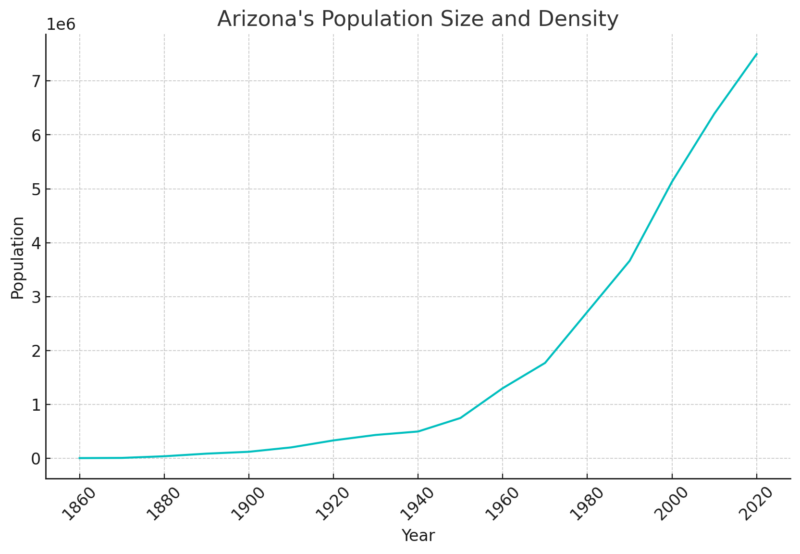
Arizona’s Growing Numbers: A 2024 Population Overview
The steady growth of Arizona’s population into 2024 is a testament to its compelling blend of economic opportunity, attractive climate, and diverse lifestyle options. For decades, the state has been a magnet for individuals and families seeking sunshine, a lower cost of living compared to coastal states, and a burgeoning job market. This influx of residents fuels a cycle of development, contributing to both the challenges and opportunities within the tourism, accommodation, and lifestyle sectors.
The primary drivers of this population boom are multifaceted. A significant portion comes from interstate migration, with people moving from California, Illinois, and other states drawn by Arizona’s more affordable housing, lower taxes, and the promise of ample sunshine. Retirees, often referred to as “snowbirds,” continue to flock to the state for its mild winters and active adult communities, contributing a substantial seasonal boost to the population and economy. However, the demographic is becoming increasingly diverse, with a growing number of young professionals and families drawn by expanding industries in technology, healthcare, and advanced manufacturing. The rise of remote work has further amplified this trend, allowing people to live in desirable locations like Arizona while maintaining careers elsewhere. This diverse influx directly influences the demand for various types of accommodation, from upscale city apartments to sprawling suburban homes and luxurious desert resorts.
Urbanization and Key Population Centers
The majority of Arizona’s population growth is concentrated in its metropolitan areas, transforming them into vibrant hubs that offer a wealth of experiences for residents and tourists alike. The greater Phoenix metropolitan area, often called the “Valley of the Sun,” is the epicenter of this growth. It includes not just Phoenix itself, but also rapidly expanding cities such as Mesa, Chandler, Scottsdale, Gilbert, Goodyear, and Buckeye. These urban centers collectively account for well over half of the state’s total population, creating a dense network of communities that offer everything from world-class dining and shopping to cultural attractions and outdoor recreation.
Phoenix serves as the state capital and a major business hub, attracting business travelers and hosting large conventions, which in turn drives demand for high-end hotels and convention centers. Scottsdale, known for its upscale resorts, vibrant nightlife, and championship golf courses like Troon North Golf Club, caters to luxury travelers and those seeking a refined lifestyle. Cities like Mesa and Chandler offer a more family-friendly atmosphere with numerous parks, cultural venues, and a growing tech sector. For visitors, this means a diverse array of experiences within a relatively short drive, ranging from exploring Old Town Scottsdale’s boutiques to hiking the trails of South Mountain Park and Preserve.
Beyond the Phoenix area, Tucson, Arizona’s second-largest city, offers a distinct Southwestern charm, rich history, and unique culinary scene. Its population growth also contributes significantly to the state’s overall numbers, bringing demand for accommodations ranging from historic inns to modern resorts. Flagstaff, nestled among pine forests and mountains in northern Arizona, draws a different demographic, appealing to outdoor enthusiasts and those seeking a cooler climate, impacting its unique lodging options like cabins and boutique hotels. The expansion of these key population centers ensures that whether you’re looking for a bustling urban adventure or a tranquil retreat, Arizona has a destination to match.
Demographic Richness: Shaping Arizona’s Cultural Fabric
The increasing population of Arizona also brings with it a rich tapestry of demographics, which in turn profoundly shapes the state’s cultural fabric and appeal to diverse travelers. The mix of long-time residents, Native American communities, Hispanic heritage, and new arrivals from across the globe creates a vibrant cultural melting pot. This diversity is reflected in the state’s cuisine, arts scene, festivals, and even the types of activities and attractions available.
Arizona is home to a significant population of retirees, particularly in communities around Phoenix and Tucson. This demographic group often seeks specific amenities and experiences, contributing to the demand for accessible travel options, high-quality healthcare tourism, and a proliferation of golf courses, spas, and wellness resorts. Conversely, the growth in young professionals and families has spurred the development of more urban entertainment venues, family-friendly attractions, and educational institutions like Arizona State University in Tempe, the University of Arizona in Tucson, and Northern Arizona University in Flagstaff, all of which also attract visitors for events and campus tours.
The state’s deep Native American roots, particularly from the Navajo, Hopi, and Apache tribes, offer unique cultural tourism opportunities. Visitors can explore reservations, witness traditional dances, purchase authentic crafts, and learn about millennia-old histories at places like the Heard Museum in Phoenix or the numerous cultural centers found throughout the state. The strong Hispanic influence, particularly in southern Arizona, enriches the culinary scene with authentic Mexican flavors and vibrant celebrations. This demographic richness ensures that travel experiences in Arizona are never one-dimensional, offering a mosaic of cultures, traditions, and modern lifestyles for every visitor to discover.
Population Dynamics and the Flourishing Tourism & Accommodation Sector
The surging population of Arizona in 2024 creates a fascinating feedback loop with its thriving tourism and accommodation sectors. A larger resident base means more people traveling within the state, supporting local businesses, and providing a workforce for the hospitality industry. Conversely, a robust tourism infrastructure—with world-class hotels, diverse attractions, and seamless travel guides—is part of what makes Arizona so appealing to potential new residents. This symbiotic relationship ensures continuous investment in new hotels, innovative tourist experiences, and the preservation of the natural beauty that draws millions to the state each year.
The demand generated by both permanent residents and the millions of annual visitors requires a dynamic and adaptable accommodation sector. From the bustling urban centers to the serene desert retreats, properties are constantly evolving to meet varied needs, whether it’s a family seeking a resort with extensive amenities, a business traveler needing a convenient suite, or a couple desiring a luxurious villa for a romantic getaway. This environment fosters competition and innovation, leading to higher quality services and more specialized offerings across the board.
Landmarks and Natural Wonders: Sustaining Popularity with Growth

Arizona’s population growth inevitably brings both opportunities and challenges for its iconic landmarks and natural wonders. The state is home to some of the most breathtaking landscapes in the United States, drawing millions of domestic and international tourists annually. The Grand Canyon, an undeniable global landmark, remains the crown jewel, offering unparalleled vistas and a deep connection to geological history. Its enduring popularity, fueled by both residents and tourists, necessitates careful management to preserve its pristine environment while ensuring visitor access.
Beyond the Grand Canyon, Arizona boasts an impressive array of natural and man-made attractions. The red rock formations of Sedona are renowned for their spiritual energy and incredible hiking trails, attracting adventurers and wellness seekers alike. The ethereal slot canyons of Antelope Canyon offer stunning photographic opportunities, while Monument Valley, with its majestic buttes, provides an iconic backdrop reminiscent of the Old West. Further south, the ancient cliff dwellings within Canyon de Chelly National Monument offer a profound glimpse into Native American history. Man-made marvels like the Hoover Dam on the border with Nevada, creating Lake Mead, showcase incredible engineering and offer recreational opportunities.
Closer to urban centers, sites like the Desert Botanical Garden in Phoenix, the challenging trails of Camelback Mountain, and the expansive South Mountain Park and Preserve provide accessible natural escapes for the growing local population and visitors. Even subterranean wonders like Kartchner Caverns State Park near Benson draw crowds. The challenge lies in balancing increased visitor traffic with conservation efforts, ensuring these precious landmarks remain unspoiled for future generations to enjoy. This requires thoughtful urban planning, investment in sustainable tourism practices, and a commitment to educating visitors on responsible travel.
A Diverse Array of Accommodation Options
The burgeoning population and relentless stream of tourists in 2024 have spurred an incredibly diverse and competitive accommodation market in Arizona. Whether planning a luxurious escape, a budget-friendly family trip, or a long-term stay for remote work, the state offers options to suit every preference and pocketbook.
Arizona is particularly famous for its world-class resorts, especially in the Phoenix/Scottsdale area and Tucson. These establishments cater to those seeking pampering, relaxation, and extensive amenities. Examples include the opulent Fairmont Scottsdale Princess, a sprawling resort known for its golf courses, multiple pools, and vibrant event calendar; the JW Marriott Starr Pass Resort & Spa in Tucson, offering stunning desert views and an exceptional spa; and the Enchantment Resort in Sedona, nestled amidst red rocks and offering unparalleled spiritual retreats. Other notable luxury hotels include the historic Arizona Biltmore, A Waldorf Astoria Resort, the elegant Westin La Paloma Resort & Spa in Oro Valley, and the Omni Scottsdale Resort & Spa at Montelucia, providing Mediterranean-inspired luxury. These resorts often serve as destinations in themselves, providing guests with a full range of experiences from gourmet dining to adventure excursions.
Beyond high-end resorts, the state also offers a wide spectrum of hotels, from international chains providing reliable comfort and convenience for business travelers and families, to charming boutique hotels in historic districts, and eco-lodges offering immersion in nature. The rise of short-term vacation rentals, facilitated by platforms like VRBO, has also seen exponential growth. These offer travelers a more localized experience, often with kitchens and multiple bedrooms, ideal for families or longer stays. For the burgeoning “snowbird” population or remote workers, extended-stay hotels and furnished apartment rentals are increasingly popular, providing home-like amenities for weeks or months at a time. This comprehensive range ensures that every visitor, regardless of their budget or travel style, can find suitable accommodation, further cementing Arizona’s status as a top travel destination.
Lifestyle, Economy, and Future Prospects in a Populous Arizona
Arizona’s population, now comfortably above 7.5 million, is more than just a statistic; it’s a living indicator of a vibrant economy and a sought-after lifestyle. The growth reflects a dynamic state that offers a blend of natural beauty, cultural richness, and modern amenities. This population surge continues to shape the state’s economic landscape, driving innovation and investment across various sectors, while also presenting crucial considerations for sustainable growth and resource management. The lifestyle offerings, from outdoor adventure to cultural immersion, are amplified by a larger, more diverse community, creating an even more appealing environment for residents and visitors.
Embracing the Arizona Lifestyle
The appeal of the Arizona lifestyle is a significant magnet for its growing population. With over 300 days of sunshine annually, outdoor activities are central to life here. Hiking and mountain biking are popular pastimes, with trails ranging from easy strolls through Desert Botanical Garden to challenging ascents up Camelback Mountain or in Sedona’s red rock country. Golf is virtually a year-round sport, with Arizona boasting hundreds of courses, many of which are championship-caliber and attract golf tourists from around the world. Water sports are also surprisingly popular, with lakes like Lake Mead and Lake Powell offering boating, fishing, and paddleboarding opportunities.
Cultural experiences are just as diverse. The vibrant art scene in Scottsdale’s gallery district, the historical richness of Old Town Scottsdale, and the profound insights offered by the Heard Museum into Native American cultures provide ample opportunities for cultural enrichment. The culinary scene has also evolved dramatically with the population growth, moving beyond traditional Southwestern fare to include a global array of fine dining, farm-to-table restaurants, and innovative fusion cuisine, especially prominent in Phoenix and Tucson.
The “snowbird” phenomenon, where seasonal residents flock to Arizona for the winter months, adds another unique layer to the state’s lifestyle. These temporary residents often have a significant economic impact, filling hotels, resorts, and rental properties, and supporting local businesses, all while enjoying the mild winter climate and active senior communities. Whether it’s the thrill of an outdoor adventure, the tranquility of a desert spa, or the excitement of urban exploration, Arizona offers a lifestyle that resonates with its diverse and growing population.
Economic Resilience and Sustainable Growth
Arizona’s population in 2024 is supported by a robust and diversifying economy. While tourism and hospitality remain cornerstone industries, contributing significantly to jobs and revenue, other sectors are experiencing rapid expansion. Technology and innovation, particularly in areas like semiconductors, aerospace, and renewable energy, are drawing significant investment and skilled workers to the state. The healthcare sector is also a major employer, driven by the needs of both the local population and medical tourism. Higher education, anchored by institutions like Arizona State University, the University of Arizona, and Northern Arizona University, plays a crucial role in workforce development and research, indirectly fueling other industries and attracting academic tourism.
However, rapid population growth in a desert state like Arizona presents inherent challenges, particularly concerning water resources and infrastructure. The management of the Sonoran Desert’s delicate ecosystem, coupled with increasing demand for water from the Colorado River and local aquifers, requires innovative solutions and sustainable practices. Urban planning and infrastructure development are critical to accommodate new residents, ensuring adequate housing, transportation networks, and public services without compromising the state’s quality of life or natural beauty. The emphasis is increasingly on sustainable growth, leveraging smart technologies and conservation efforts to balance economic prosperity with environmental stewardship. This forward-looking approach ensures that Arizona can continue to attract residents and visitors, offering a high quality of life while preserving the unique characteristics that make it such a special place.

Conclusion
As of 2024, Arizona stands as a testament to dynamic growth and evolving identity, with its population estimated at approximately 7.6 million. This significant demographic expansion is not just a statistical milestone; it is a powerful force that continuously reshapes the state’s appeal as a premier destination for travel, accommodation, and lifestyle experiences. The influx of new residents, drawn by economic opportunities, a vibrant cultural tapestry, and the allure of over 300 days of sunshine, directly fuels the demand for innovative hotel offerings, diverse tourism activities, and robust infrastructure development.
From the majestic expanse of the Grand Canyon to the luxurious resorts of Scottsdale and the historical charm of Tucson, Arizona’s landmarks and attractions continue to captivate both residents and visitors. The state’s commitment to balancing growth with sustainability, particularly concerning its precious natural resources, will be crucial in preserving the unique characteristics that define it. As Arizona looks to the future, its growing population will undoubtedly continue to drive its economic resilience, foster its rich cultural diversity, and ensure its place as an unparalleled destination for those seeking adventure, relaxation, or a vibrant place to call home. Whether you’re planning a short visit or considering a long-term stay, understanding the human element that shapes Arizona reveals a state full of life, promise, and endless possibilities.