
Understanding the demographics of a place is fundamental to appreciating its essence, and in the case of Brooklyn, New York, its population is a significant factor shaping its vibrant character. This iconic borough, one of the five that comprise New York City, is not merely a geographical location; it’s a sprawling mosaic of cultures, histories, and aspirations. Its population figures are not just statistics; they represent millions of stories, contributing to the unique identity that draws millions of tourists annually.
The Shifting Demographics of Brooklyn
Brooklyn has long been a magnet for diverse populations, a characteristic that has intensified over the decades. Historically, it has served as a gateway for immigrants, a place where new lives were forged and established. This legacy continues today, with a constant influx of people from across the globe seeking opportunity and community. The population of Brooklyn is not static; it is a dynamic entity, constantly evolving due to migration, birth rates, and socio-economic factors.

Key Population Figures and Trends
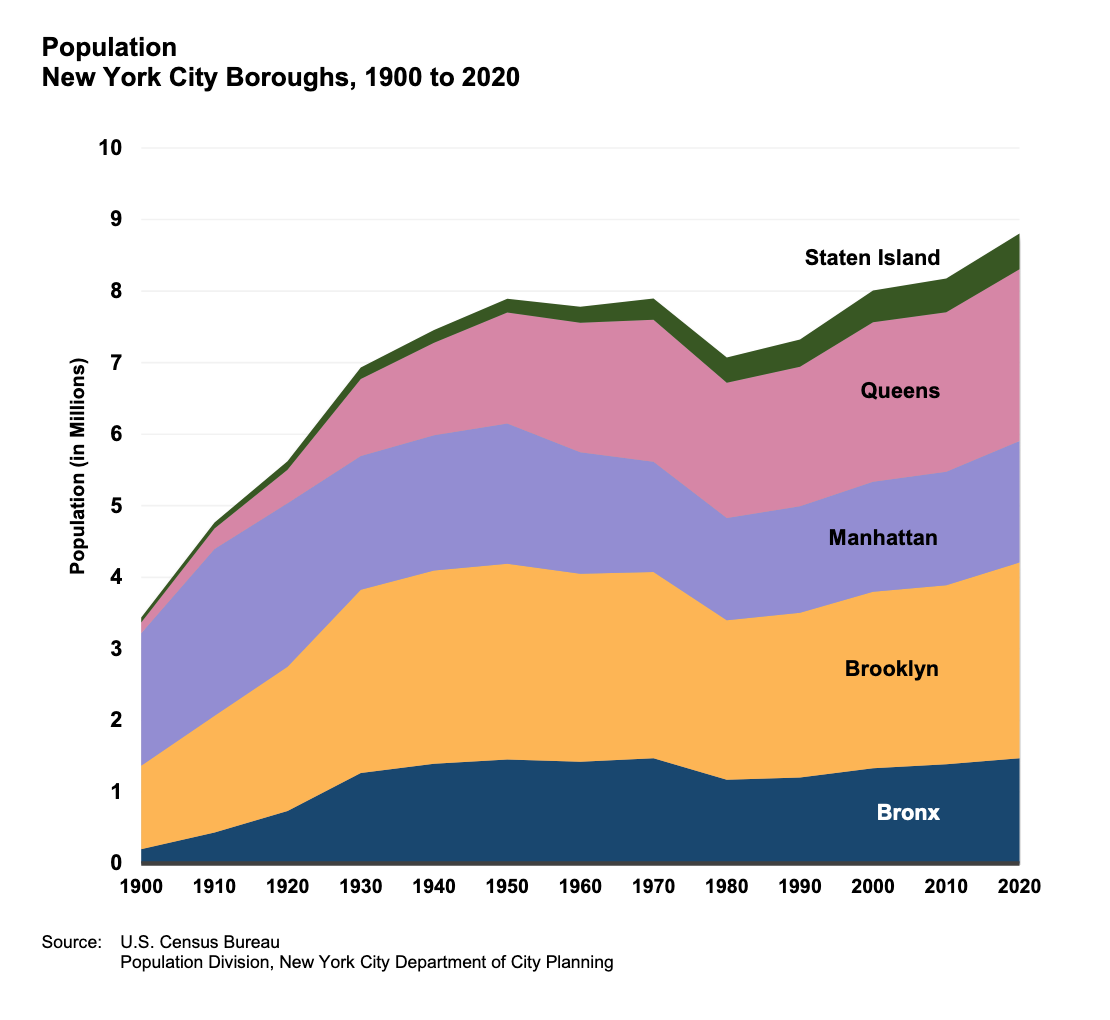
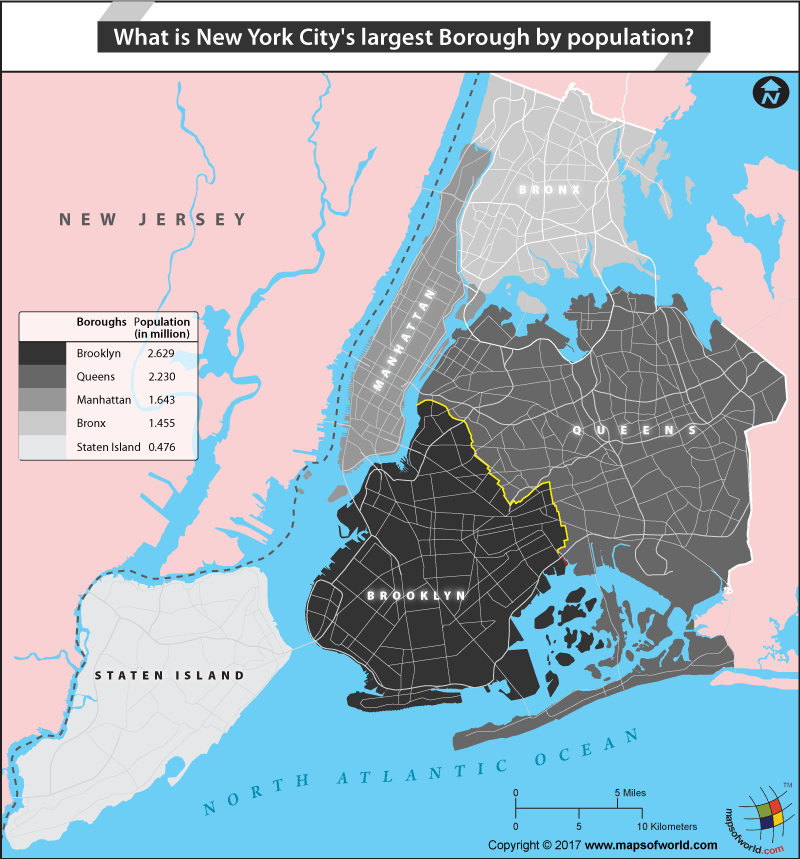
As of the most recent census data, Brooklyn stands as the most populous borough in New York City, consistently boasting figures well over two million residents. This sheer volume of people contributes to the borough’s immense energy and its diverse array of neighborhoods, each with its own distinct flavor and community. The density of population in Brooklyn is remarkably high, reflecting its urban nature and its status as a prime residential and commercial hub.
The ethnic and racial composition of Brooklyn is remarkably varied. It is home to significant communities of White, Black or African American, Asian, and Hispanic or Latino residents, among others. This diversity is not confined to broad categories; within these groups are countless sub-cultures, languages, and traditions, creating a rich tapestry of human experience. For travelers, this means an unparalleled opportunity to explore different cuisines, festivals, and cultural practices without ever leaving the borough.
The age distribution also plays a crucial role. Brooklyn has a substantial population of young adults and families, contributing to its lively atmosphere and its ongoing development. This demographic trend fuels a demand for new housing, businesses, and cultural attractions, ensuring that the borough remains a dynamic and forward-looking place.
Factors Influencing Population Growth
Several key factors have contributed to Brooklyn’s sustained population growth.
Economic Opportunities
Brooklyn has transformed into a significant economic engine within New York City. Emerging industries, particularly in tech, creative arts, and media, have attracted a new wave of professionals. This economic vitality offers employment prospects that draw individuals and families from both within the United States and internationally. The borough’s growing job market is a powerful magnet, influencing its population figures significantly.
Housing and Real Estate Dynamics
While Brooklyn has faced challenges with housing affordability, its real estate market remains a strong indicator of its population trends. The development of new residential buildings, coupled with the renovation of older structures, has accommodated a growing number of residents. Neighborhoods that were once considered far-flung have become desirable due to their relative affordability compared to other parts of New York City, further contributing to population shifts and growth.
Cultural Appeal and Lifestyle
Beyond economics, Brooklyn’s undeniable cultural appeal is a significant draw. Its reputation for artistic expression, its diverse culinary scene, its iconic parks like Prospect Park, and its distinct neighborhood identities create a unique lifestyle that resonates with many. This allure, often characterized as more laid-back and community-oriented than parts of Manhattan, attracts individuals seeking a particular quality of urban life.
The Impact of Population on Brooklyn’s Tourism and Lifestyle
The sheer density and diversity of Brooklyn’s population directly translate into its appeal as a travel destination. For tourists, a large and varied population means a richer, more multifaceted experience.
A Melting Pot of Experiences
The population’s diversity fuels Brooklyn’s reputation as a “melting pot.” This is most evident in its culinary landscape, where you can find authentic flavors from nearly every corner of the globe. From the Caribbean eateries in Crown Heights to the Italian restaurants in Bensonhurst, and the Vietnamese pho shops in Sunset Park, the demographic makeup dictates the gastronomic offerings. This culinary diversity is a primary attraction for food lovers and a testament to the borough’s multicultural residents.
The arts and culture scene is equally vibrant and directly influenced by its population. Galleries, music venues, street art, and independent theaters flourish, often reflecting the specific cultural heritage of the communities in which they are located. Festivals celebrating various ethnic holidays, neighborhood block parties, and local art fairs are commonplace, offering visitors an authentic glimpse into the lives of Brooklynites.
Neighborhoods Defined by Their Residents
Each neighborhood in Brooklyn possesses a distinct character, largely shaped by the people who call it home.
- Park Slope and Carroll Gardens are often associated with young families and a sophisticated, tree-lined residential feel, featuring charming brownstones and boutique shops.
- Williamsburg, once an industrial hub, has transformed into a trendy enclave known for its artistic residents, vibrant nightlife, and innovative culinary scene, attracting a younger, more bohemian crowd.
- Coney Island, while a historical amusement destination, also has a distinct residential population contributing to its unique, classic New York seaside atmosphere.
- Bushwick is celebrated for its burgeoning street art scene and its community of artists and creatives, offering a grittier, more experimental vibe.
For travelers, understanding the population density and demographic makeup of these areas can enhance their experience, allowing them to choose neighborhoods that best align with their interests, whether it’s a quiet stroll through historic streets or an immersion in cutting-edge culture.
A Hub for Innovation and Entrepreneurship
The concentration of people in Brooklyn fosters an environment ripe for innovation and entrepreneurship. This is not just limited to large corporations; it extends to small businesses, independent artists, and startups. The density of potential customers and collaborators creates a fertile ground for new ideas to take root and flourish. This entrepreneurial spirit is a key component of Brooklyn’s modern identity and contributes to its dynamic urban landscape. Visitors often seek out these independent shops, cafes, and galleries, which are direct products of the borough’s resident entrepreneurs.
Statistics and Sources: Understanding the Numbers
To gain a concrete understanding of Brooklyn’s population, consulting official statistical sources is essential. These organizations provide the data that underpins demographic analysis and helps paint a picture of the borough’s human landscape.
The U.S. Census Bureau
The primary source for population data in the United States is the U.S. Census Bureau. The decennial census, conducted every ten years, provides a comprehensive snapshot of the nation’s population, including detailed breakdowns by age, race, ethnicity, housing, and more. The bureau also conducts ongoing surveys and estimates between censuses, offering more up-to-date figures. For Brooklyn, these statistics are vital for understanding its growth, its changing demographics, and its social and economic conditions.
New York City Planning Department
The New York City Department of City Planning also plays a crucial role in analyzing and disseminating demographic information specific to the city’s boroughs. They often produce reports and visualizations that offer insights into local trends, population projections, and the impact of demographic shifts on urban development and public services. These local analyses can provide a more nuanced understanding of Brooklyn than national-level data alone.
Interpreting the Data for Travelers
For tourists, understanding the population of Brooklyn isn’t about memorizing numbers, but about appreciating how these figures translate into tangible experiences. A high population density means bustling streets, a wide array of dining and entertainment options, and a constant hum of activity. The diversity reflected in census data translates into the rich cultural tapestry experienced through its food, music, art, and festivals. Knowing that Brooklyn is home to millions, representing a vast array of backgrounds, enhances the appreciation of its complexity and vibrancy. It explains why a single block can offer a world of culinary delights or why a neighborhood festival might celebrate traditions from halfway across the globe. The population is the lifeblood of Brooklyn, shaping every aspect of its identity and making it the captivating destination it is.
LifeOutOfTheBox is a participant in the Amazon Services LLC Associates Program, an affiliate advertising program designed to provide a means for sites to earn advertising fees by advertising and linking to Amazon.com. Amazon, the Amazon logo, AmazonSupply, and the AmazonSupply logo are trademarks of Amazon.com, Inc. or its affiliates. As an Amazon Associate we earn affiliate commissions from qualifying purchases.