
California, often referred to as the Golden State, stands as a beacon of innovation, diverse landscapes, and unparalleled cultural richness in the United States. Its allure, from sun-kissed beaches to snow-capped mountains, bustling cities to serene national parks, is undeniable. But behind the glitz and natural splendor lies a fundamental question that shapes its identity, economy, and visitor experience: What is the population of California? As of late 2023 and early 2024, the state’s population hovers around 39 million people, making it the most populous state in the nation by a significant margin. This staggering number isn’t just a statistic; it’s a living, breathing force that influences everything from the vibrant culinary scenes and world-class attractions to the availability of accommodations and the pace of life. For travelers, understanding California’s population dynamics offers crucial insights into planning their journey, exploring its diverse regions, and truly immersing themselves in the unique lifestyle that defines this extraordinary state. From booking a stay in a luxury hotel in Beverly Hills to finding the best local eateries in San Francisco, the sheer number and diversity of people living here are central to the overall travel experience. This article delves into the demographic landscape of California, exploring how its population growth, distribution, and diversity profoundly impact the state’s travel, tourism, and lifestyle sectors.
A Snapshot of California’s Demographics and Growth
The story of California’s population is one of dramatic growth, unparalleled diversity, and fascinating shifts. From its earliest days as a Spanish colony, through its integration into the United States, and particularly after the mid-19th century Gold Rush, the state has consistently drawn people seeking new opportunities and a fresh start. This influx of people has forged a truly unique social and economic fabric, directly influencing the character of its cities, the development of its infrastructure, and the evolution of its tourist offerings.
The Golden State’s Shifting Tides
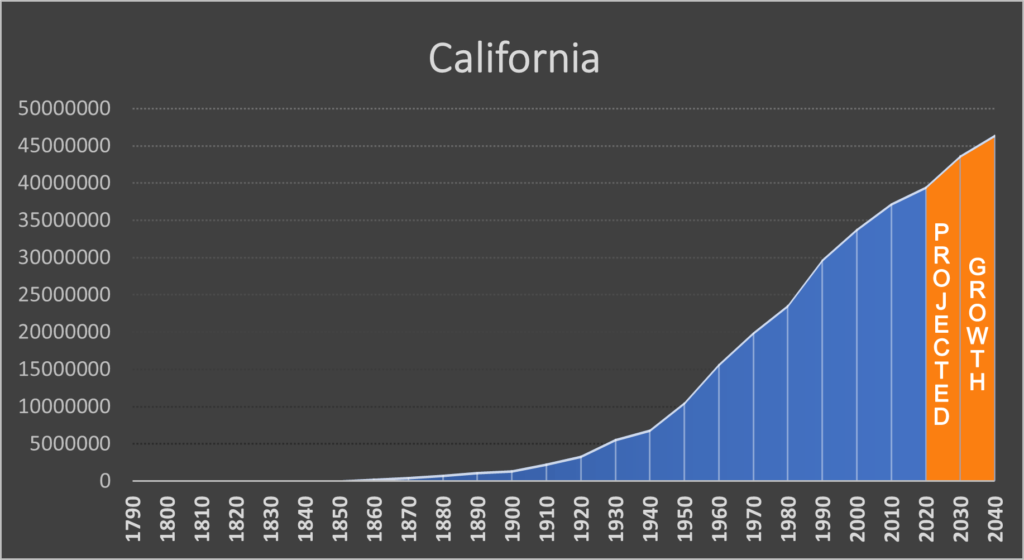
California’s population trajectory has been nothing short of extraordinary. The Gold Rush in 1849 ignited an initial explosion, drawing hundreds of thousands from across the globe, laying the foundation for many of its iconic cities. Subsequent booms in agriculture, manufacturing, and later, the technology sector (especially in Silicon Valley), fueled continuous growth throughout the 20th century. This relentless expansion saw California become an economic powerhouse and a cultural trendsetter. However, recent years have witnessed a subtle yet significant shift. While still the most populous state, California has experienced a slowdown in its growth rate, and even a slight net out-migration in some periods, primarily driven by factors such as the high cost of living, particularly housing, and evolving job markets.
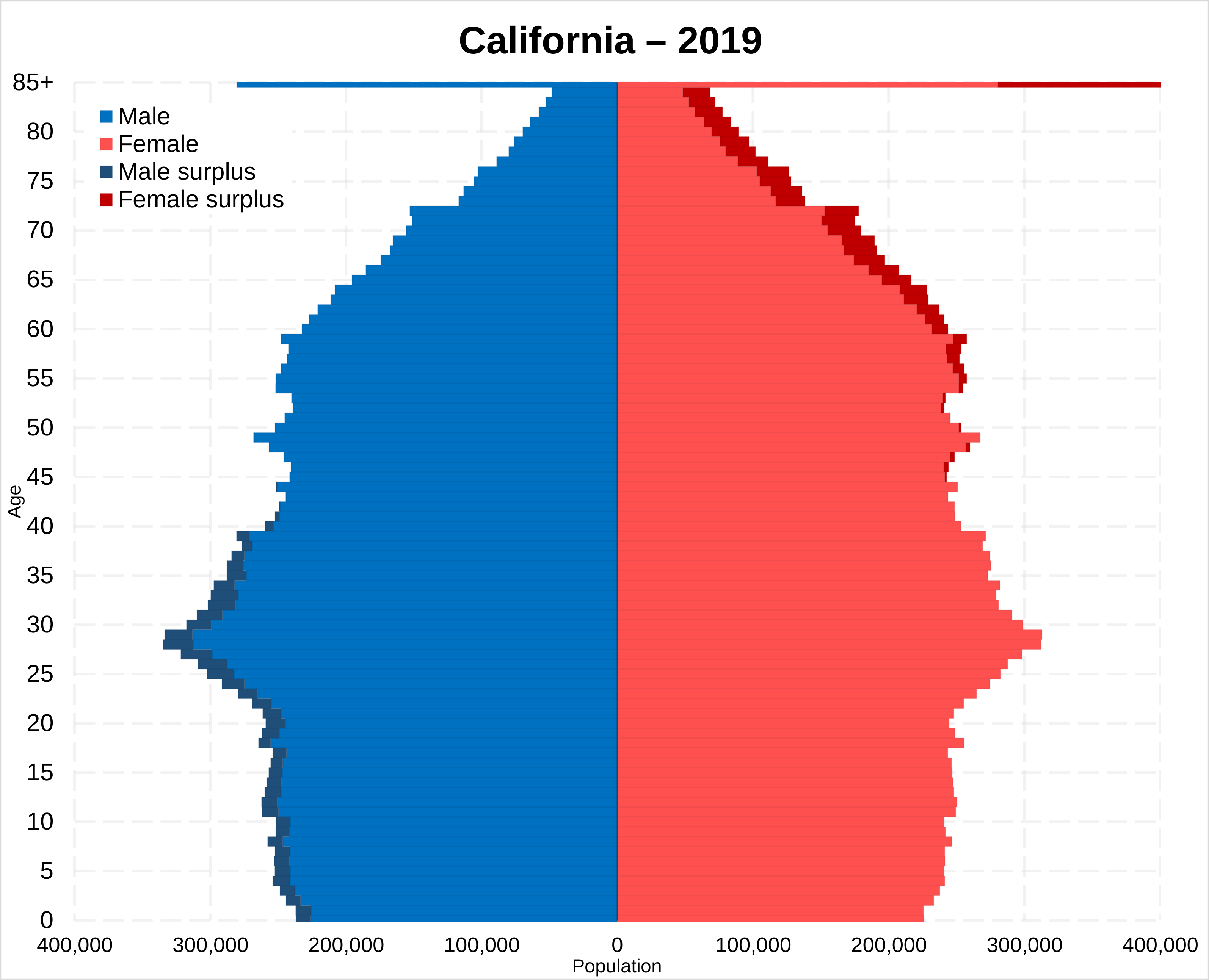
Despite these recent trends, the state’s demographic composition remains incredibly diverse. People from virtually every corner of the world call California home, contributing to a vibrant tapestry of cultures, languages, and traditions. This rich diversity is not just a social characteristic; it’s a huge asset for tourism. It means travelers can experience authentic global cuisines in Los Angeles’s Koreatown, explore historical districts like San Francisco’s Chinatown, or enjoy unique festivals reflecting a myriad of heritages. This cultural melting pot offers an unparalleled range of experiences that enrich any travel itinerary, making California a microcosm of the world itself. Understanding these demographic shifts and the state’s inherent diversity is key to appreciating the richness of its local culture, food, and activities, offering an authentic glimpse into the varied lifestyles of its residents.

Major Population Centers and Urban Sprawl
With nearly 39 million residents, California’s population is not evenly distributed but concentrated in several bustling urban centers and their sprawling suburban peripheries. These metropolitan areas serve as economic engines, cultural hubs, and primary gateways for tourism. The largest of these is, without a doubt, Los Angeles County, home to over 10 million people itself, making it one of the largest metropolitan economies in the world. The city of Los Angeles is a global icon, famed for Hollywood, world-class entertainment, diverse neighborhoods, and attractions like Universal Studios Hollywood and the Getty Center.
Further north, the San Francisco Bay Area is another significant population cluster, encompassing cities like San Francisco, San Jose, and Oakland. San Francisco captivates with its iconic Golden Gate Bridge, historic Alcatraz Island, and vibrant cultural scene, including institutions like the Legion of Honor and the San Francisco Museum of Modern Art. San Jose, the heart of Silicon Valley, represents technological innovation and boasts a distinct urban vibe.
Along the southern coast, San Diego offers a more relaxed, beach-oriented lifestyle, with attractions like Balboa Park, the San Diego Zoo, and the bustling Gaslamp Quarter. The state capital, Sacramento, anchors the central valley, offering a blend of historical charm and modern governance. Other significant population centers include Riverside-San Bernardino in the Inland Empire, and Fresno in the heart of the agricultural region.
The concentration of people in these areas inevitably impacts travel. High population density can mean more traffic, especially during peak hours, making public transportation a valuable option in cities like Los Angeles and San Francisco. It also means a wider array of hotels, resorts, and apartments to choose from, but also potentially higher demand and prices, particularly in sought-after areas. Travelers should factor in these dynamics when planning their routes and booking accommodations, ensuring a smoother and more enjoyable trip through California’s vibrant urban landscapes.
Population Dynamics and Their Impact on Travel and Tourism
The sheer scale of California’s population, coupled with its remarkable diversity, is a primary driver behind the state’s thriving travel and tourism industry. This vast resident base creates both a sustained demand for attractions and services, and a rich, multifaceted cultural environment that draws visitors from all over the globe.
Where the People Go: Destinations and Attractions
A large, diverse population inherently fosters a robust ecosystem of destinations and attractions. From world-famous theme parks to serene natural retreats, California’s offerings cater to every taste, largely fueled by the demands and interests of its residents and, subsequently, its tourists. Family-friendly destinations like Disneyland Resort in Anaheim and Universal Studios Hollywood in Los Angeles see millions of visitors annually, with a significant portion being Californians themselves. These attractions are continually innovated and expanded to keep pace with evolving preferences.
Beyond manufactured entertainment, California’s natural wonders are magnets for its populace and visitors alike. The iconic peaks and giant sequoias of Yosemite National Park, the surreal desert landscapes of Joshua Tree National Park, and the breathtaking coastline of Big Sur are cherished by millions. The popularity of outdoor recreation spots like Lake Tahoe in the Sierra Nevada and the numerous state beaches along the Pacific Ocean – from Santa Monica Beach to Laguna Beach – highlights the widespread appeal of California’s diverse geography.
Furthermore, the dense population centers foster vibrant cultural scenes. The demand for diverse culinary experiences, art exhibitions, live music venues, and festivals is immense. Cities like San Francisco and Los Angeles are globally recognized for their innovative food scenes, sustained by a diverse local population with varied palates. Regions like Napa Valley and Sonoma Valley thrive as wine tourism destinations, while cultural festivals celebrating everything from film to music to ethnic heritage occur year-round. This constant activity ensures there’s always something new and exciting for tourists to discover, often initially cultivated by and for the local community.
Accommodation and Hospitality Landscape
A population nearing 39 million necessitates a vast and varied accommodation infrastructure, shaping the choices available to travelers. From ultra-luxury resorts to budget-friendly motels, the range of options in California is immense, reflecting the diverse needs and budgets of both residents and visitors. In key tourist hotspots like Beverly Hills or Santa Monica, travelers can find opulent establishments such as the Beverly Wilshire, A Four Seasons Hotel, offering unparalleled service and amenities. In contrast, major cities also provide a wide selection of mid-range hotels, boutique accommodations, and extended-stay apartments, catering to business travelers and families alike.
The rise of the sharing economy, exemplified by platforms like Airbnb, has also flourished in California, offering travelers unique lodging experiences in residential areas and reflecting the local lifestyle. This expansion of choices means that whether a traveler is seeking a lavish suite, a cozy villa, or a convenient apartment, they are likely to find it. However, the high population density in metropolitan areas like Downtown Los Angeles, Hollywood, or San Francisco often translates to higher demand, especially during peak travel seasons, leading to increased pricing and the need for advance booking.
Resort destinations like Pebble Beach Resorts on the Monterey Peninsula or the luxury spas in Palm Springs cater to a segment of the population and tourists seeking curated experiences, often combining leisure with world-class golf or wellness retreats. The sheer volume of residents and tourists ensures that there is a constant impetus for new developments and innovations in the hospitality sector, from eco-lodges near Yosemite to designer hotels in West Hollywood. Reviews and comparisons of these accommodations are readily available, a testament to the bustling market, helping visitors make informed decisions for their stay, be it short-term or a long-term relocation.
Lifestyle and Experiential Travel
The diverse demographic makeup of California’s 39 million residents directly translates into a kaleidoscope of lifestyle trends and a robust market for experiential travel. This isn’t just about visiting landmarks; it’s about immersing oneself in the unique ways of life that thrive across the state. From the health-conscious, active lifestyles prevalent in Southern California cities like Santa Barbara and La Jolla, to the tech-savvy, innovative culture of Silicon Valley residents, these local preferences shape the travel experiences on offer.
For instance, the emphasis on wellness and outdoor activity has led to a boom in yoga retreats, surf camps in Malibu, and hiking tours in the Santa Monica Mountains. The foodie culture, driven by a population that appreciates farm-to-table dining and global flavors, has spurred countless food tours, cooking classes, and Michelin-starred restaurants across Los Angeles and San Francisco. Travelers can engage in authentic cultural immersion by exploring ethnic enclaves such as Little Italy in San Diego or the vibrant communities in Oakland, sampling regional cuisines and experiencing local customs.
The blend of different income brackets within the population also influences the range of lifestyle-oriented travel. Luxury travel in Napa Valley or Beverly Hills caters to those seeking exclusive experiences, from private wine tastings to high-end shopping on Rodeo Drive. Conversely, the demand for budget travel is met with numerous hostels, affordable dining options, and free attractions like Venice Beach or exploring the public parks. Business stays are well-accommodated in major cities, reflecting the state’s economic dynamism. This diverse demand allows travelers to tailor their trips to align with specific interests and preferred lifestyles, making California not just a place to visit, but a place to truly experience different ways of living, enriched by its massive and multifaceted population.
Planning Your California Journey: Navigating the Crowds and Embracing the Diversity
Embarking on a journey through California means preparing for both its magnificent sights and its bustling energy, characteristics intrinsically linked to its vast population. Thoughtful planning can transform potential challenges into opportunities for deeper engagement with the Golden State.
Smart Travel Tips for a Populous State
Navigating a state with nearly 39 million residents requires a strategic approach, especially for popular destinations. One of the most effective tips is to consider traveling during the shoulder seasons—spring (April to May) and fall (September to October). During these times, the weather is typically pleasant, and major attractions like Disneyland Resort, the Golden Gate Bridge, and Griffith Observatory experience fewer crowds compared to the peak summer months. Booking accommodations, tours, and even restaurant reservations well in advance is highly recommended, particularly for popular spots in Los Angeles, San Francisco, or near national parks like Yosemite, Sequoia National Park, or Redwood National Park.
For urban exploration, utilizing public transportation, ridesharing services, or even cycling can save time and reduce stress, particularly in cities renowned for traffic congestion. Los Angeles and San Francisco offer extensive public transport networks that connect major tourist sites. While the iconic landmarks are must-sees, venturing slightly off the beaten path can reveal equally captivating experiences with fewer people. Exploring charming small towns along the coast, discovering hidden gems in less-visited state parks, or delving into the unique neighborhoods of major cities can provide a more intimate and authentic California experience. Researching local events, festivals, and activities can also help you stumble upon unique cultural immersions that are often frequented by locals rather than just tourists.
Embracing California’s Cultural Melting Pot
The true essence of California lies in its unparalleled cultural diversity, a direct result of its massive and varied population. For travelers, this means an opportunity to experience a microcosm of the world within a single state. The food scene is a prime example: from authentic Mexican street tacos in Los Angeles to Vietnamese pho in Orange County, or Ethiopian injera in Oakland, the culinary landscape reflects the state’s global connections. Engaging with these local food traditions is not just about eating; it’s about experiencing a vital part of the community’s identity.
Beyond cuisine, the numerous cultural festivals, art exhibitions, and music events that occur throughout the year are direct expressions of California’s diverse population. Events celebrating Chinese New Year in San Francisco’s Chinatown, Cinco de Mayo celebrations in Old Town San Diego, or Filipino cultural festivals in Los Angeles offer rich opportunities for cultural immersion. Travelers are encouraged to step beyond the typical tourist traps and engage with local communities, perhaps by visiting neighborhood markets, attending local performances, or simply striking up conversations with residents. This approach not only provides a deeper understanding of California’s intricate social fabric but also transforms a simple trip into a truly enriching and memorable experience, celebrating the vibrant blend of influences that make the Golden State so unique.
Conclusion
The question “What is the population of California?” reveals more than just a number; it uncovers the very heartbeat of the Golden State. With approximately 39 million residents, California stands as a testament to human diversity, innovation, and resilience. This immense population is not merely a demographic fact but a dynamic force that shapes every facet of life, from the bustling rhythm of its cities to the quiet grandeur of its natural landscapes. For travelers and those interested in lifestyle, understanding this demographic richness is paramount. It explains the unparalleled array of destinations, the diverse culinary offerings, the extensive range of accommodations from luxury resorts to cozy apartments, and the myriad of lifestyle experiences available.
California’s population drives its cultural vibrancy, fuels its economic engines, and constantly reshapes its identity. Whether you are planning a family trip to Disneyland Resort, seeking adventure in Yosemite National Park, indulging in luxury travel in Napa Valley, or exploring the unique local culture of San Francisco, the people of California are an integral part of the experience. Their dreams, traditions, and contributions are woven into the very fabric of the state, making it a destination that is not only visually stunning but also profoundly alive with human spirit and endless possibilities. As you journey through this magnificent state, remember that its true magic lies not just in its iconic landmarks, but in the vibrant, diverse tapestry of lives that call California home.
LifeOutOfTheBox is a participant in the Amazon Services LLC Associates Program, an affiliate advertising program designed to provide a means for sites to earn advertising fees by advertising and linking to Amazon.com. Amazon, the Amazon logo, AmazonSupply, and the AmazonSupply logo are trademarks of Amazon.com, Inc. or its affiliates. As an Amazon Associate we earn affiliate commissions from qualifying purchases.