
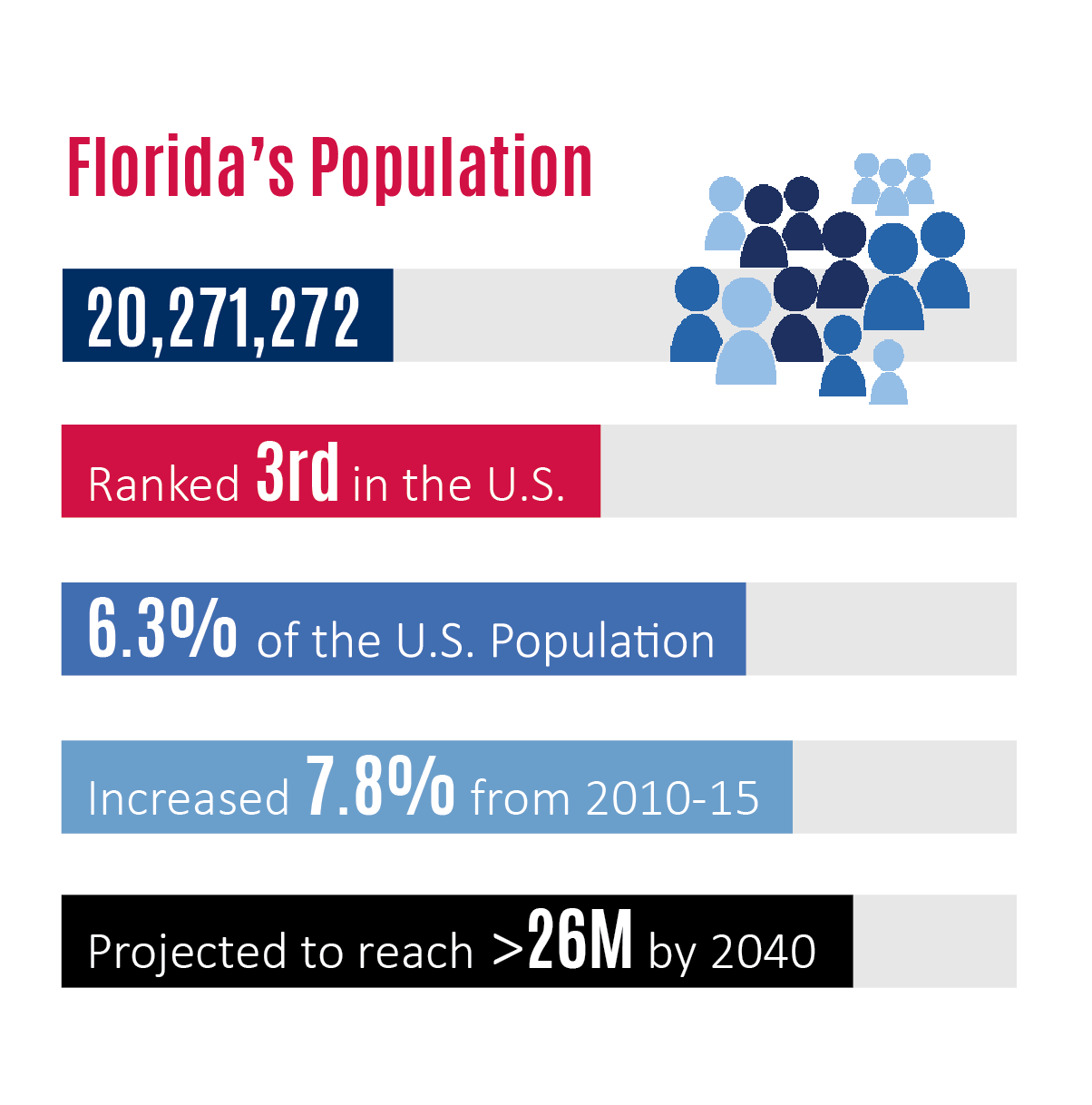
Florida, often affectionately known as the Sunshine State, is far more than just pristine beaches, world-class theme parks, and vibrant cities. It is a dynamic state experiencing continuous growth, driven by a population that influences every facet of its tourism, lifestyle, and accommodation landscape. Understanding the population of Florida is not merely about reciting numbers; it’s about appreciating the forces that shape your travel experiences, from the bustling energy of its metropolitan hubs to the tranquil allure of its lesser-known enclaves. As of the most recent estimates (early 2024 projections), Florida’s population stands at approximately 22.8 million residents, making it the third most populous state in the United States. This impressive figure is not static; Florida consistently ranks among the fastest-growing states, attracting thousands of new residents each week. This ongoing demographic shift has profound implications for anyone planning a visit, seeking accommodation, or simply wanting to understand the unique cultural tapestry that defines this beloved destination.

The allure of Florida is multifaceted. Its favorable climate, diverse economic opportunities, and absence of state income tax draw individuals and families from across the globe. This influx has created a vibrant melting pot, influencing everything from local culinary scenes and festivals to the availability and type of accommodation options. For travelers, this means a constantly evolving landscape where traditional tourist attractions coexist with emerging cultural experiences, and where the demand for both luxury resorts and budget-friendly stays is ever-present. Delving into the state’s demographics provides a crucial context for navigating its diverse offerings, helping you to make informed decisions about where to go, what to see, and how to immerse yourself fully in the Florida experience.
Florida’s Population At A Glance: Numbers, Growth, and Diversity
The story of Florida’s population is one of rapid and sustained expansion. Its position as a magnet for retirees, young professionals, and families seeking a warm climate and diverse opportunities has propelled it into the demographic spotlight.
Current Numbers and Growth Trends
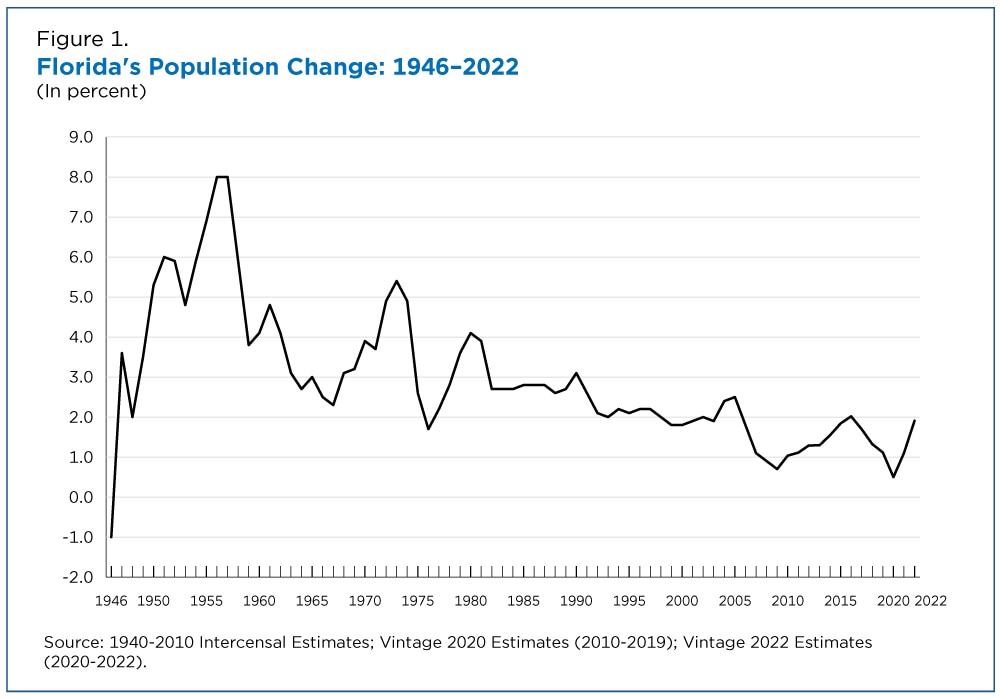
With an estimated 22.8 million people and growing, Florida has seen its population swell by millions over the last decade alone. This growth is not evenly distributed, with certain regions experiencing explosive development while others maintain a more serene pace. The primary drivers include domestic migration from other U.S. states, drawn by the promise of sunshine, lower taxes, and a relaxed lifestyle, alongside international immigration contributing to its rich cultural diversity. The state’s appeal to “snowbirds” – seasonal residents who escape colder northern winters – further inflates its de facto population during peak travel months, impacting everything from hotel occupancy rates to restaurant wait times. This continuous growth necessitates constant expansion in infrastructure, accommodation, and public services, creating a dynamic environment for both residents and visitors. Understanding these trends helps travelers anticipate crowd levels, plan bookings, and even discover up-and-coming destinations before they become mainstream. The robust economy, fueled by tourism, real estate, agriculture, and an emerging tech sector, continues to attract new residents, ensuring that Florida’s population trajectory will remain on an upward curve for the foreseeable future.
Key Demographic Shifts and Their Impact
Florida’s population is remarkably diverse, representing a tapestry of ages, ethnicities, and socio-economic backgrounds. This diversity is a major asset, enriching the state’s cultural landscape and offering a broader range of experiences for tourists. For instance, the significant Hispanic population, particularly in South Florida, has infused areas like Miami with a vibrant Latin American flair evident in its food, music, and art scenes. Similarly, the substantial retiree community, especially along the Gulf Coast and in central retirement communities, influences the demand for accessible attractions, specialized healthcare tourism, and a more leisurely pace of life.
The younger demographic, concentrated around major universities and tech hubs, contributes to a thriving nightlife, innovative culinary trends, and a growing demand for adventure tourism and experiential travel. These demographic shifts directly shape the types of tourism infrastructure developed, from family-friendly theme parks in Orlando to sophisticated art galleries in Sarasota and vibrant LGBTQ+ communities in Fort Lauderdale. Recognizing these demographic nuances allows travelers to tailor their itineraries to match their interests, whether they seek bustling urban environments, tranquil natural retreats, or culturally immersive experiences. The blend of generations and cultures fosters an environment where traditional Florida charm meets global sophistication, providing an endlessly fascinating destination for every kind of traveler.
Population Density and Its Effect on Travel & Tourism
The distribution of Florida’s population plays a crucial role in defining its travel and tourism landscape. While the state boasts vast stretches of untouched natural beauty, its residents and visitors tend to concentrate in specific areas, creating distinct travel experiences.
Major Urban Centers and Tourist Hubs
The overwhelming majority of Florida’s population resides in a handful of major metropolitan areas, which also happen to be its primary tourist hubs. Miami, the largest city in South Florida within Miami-Dade County, is a global city renowned for its stunning beaches like South Beach, vibrant nightlife, art deco architecture, and a rich Cuban influence. Orlando, situated in Central Florida, is synonymous with theme parks, being home to Walt Disney World Resort and Universal Studios Florida, drawing millions of visitors annually.
Tampa, on the Gulf Coast, offers a blend of historic charm, modern attractions, and a growing culinary scene, while Jacksonville, the largest city by land area in the contiguous United States, boasts extensive coastline, a thriving downtown, and a burgeoning arts community. Other significant population centers include Fort Lauderdale, known for its canals and luxury yachts; St. Petersburg, with its vibrant arts scene and beautiful waterfront; and Naples and Sarasota, famed for their upscale lifestyle and cultural attractions. The high population density in these areas contributes to a bustling atmosphere, a wide array of dining and entertainment options, and a robust selection of accommodation choices, from boutique hotels to sprawling resorts. However, it also means that travelers should anticipate crowds, especially during peak season, and plan their visits and bookings accordingly.
How Population Shapes Tourist Experiences
The concentration of Florida’s population directly dictates the type and intensity of tourist experiences available. In dense urban centers, visitors can expect a fast-paced environment with endless options for dining, shopping, and entertainment. The proximity of residents also fuels a demand for diverse cultural attractions, leading to a vibrant calendar of festivals, art exhibitions, and live performances throughout the year. For example, the year-round resident population in areas like Orlando ensures that the service industry supporting theme parks and attractions remains robust and experienced.
Conversely, areas with lower population density offer a different kind of Florida experience. Traveling to regions like the Florida Keys, particularly outside of Key West, or venturing into the vast expanse of Everglades National Park provides a sense of tranquility and an opportunity to connect with nature. These areas may have fewer high-rise hotels and bustling promenades, instead offering quaint bed and breakfasts, eco-lodges, and ample opportunities for outdoor activities such like fishing, kayaking, and hiking. The relatively sparse population of the Florida Panhandle (excluding Tallahassee and coastal cities) contributes to its reputation for untouched beaches and a slower, more relaxed pace. Therefore, understanding population distribution is key to choosing a travel destination that aligns with your desired atmosphere, whether you prefer the electric energy of a metropolis or the serene beauty of a natural retreat.
Accommodation and Lifestyle: Catering to a Diverse Population and Visitors
Florida’s significant and diverse population, coupled with its status as a premier tourist destination, has created an incredibly dynamic and varied accommodation landscape. From luxurious getaways to practical long-term stays, the options reflect the myriad lifestyles of both residents and visitors.
From Luxury Resorts to Budget-Friendly Stays
The sheer volume of people flocking to Florida, both permanently and temporarily, has driven the development of an extensive range of accommodation options. At the top end, Florida boasts some of the world’s most opulent resorts and hotels, particularly in destinations like Miami Beach, Palm Beach, and Naples. These establishments cater to luxury travelers, business elites, and those seeking unparalleled service and amenities, often featuring private beaches, championship golf courses, and world-class spas. Examples might include grand historic hotels in St. Augustine or sleek, modern towers overlooking the Atlantic Coast.
However, the state also understands the needs of budget travelers, families, and those seeking more authentic, local experiences. There’s an abundance of mid-range hotels, vacation rentals, and apartment-style accommodations, particularly around the theme parks of Orlando and the family-friendly beaches of the Gulf Coast. For longer stays, especially popular among “snowbirds,” many communities offer fully furnished apartments, villas, and even mobile home parks designed for seasonal residents. The rise of peer-to-peer rental platforms has further diversified options, allowing visitors to stay in residential neighborhoods and experience a more local lifestyle. This vast array ensures that, regardless of budget or travel style, every visitor can find suitable lodging, though booking well in advance, especially during peak seasons, remains a smart strategy given the high demand generated by Florida’s immense popularity.
Lifestyle Influences: Snowbirds, Families, and Business Travelers
Florida’s diverse population segments profoundly influence the type of accommodations and lifestyle amenities available. The significant “snowbird” population, comprising seasonal residents predominantly from the northern United States and Canada, drives demand for long-term rentals, furnished condos, and communities with extensive amenities like golf, tennis, and social clubs. Their presence during the winter months contributes to the seasonal ebb and flow of demand, impacting everything from restaurant staffing to local event calendars.
Families, drawn by Florida’s theme parks and kid-friendly beaches, necessitate a plethora of family-oriented hotels and resorts featuring amenities such as water parks, kids’ clubs, and spacious suites. These establishments are often strategically located near major attractions in Orlando, Tampa, and coastal towns. Business travelers, frequenting major cities like Miami, Orlando, Tampa, and Jacksonville, drive the market for upscale business hotels, convention centers, and serviced apartments. These accommodations often come equipped with meeting facilities, high-speed internet, and convenient access to commercial districts and airports. The blend of these lifestyle segments ensures a vibrant and competitive accommodation market, constantly evolving to meet the nuanced demands of its resident and transient populations. Whether you’re planning a multi-month escape, a fun-filled family vacation, or a productive business trip, Florida’s infrastructure is designed to cater to your specific lifestyle needs.
The Economic and Cultural Landscape Driven by Population
The sheer size and diverse nature of Florida’s population are fundamental to understanding its dynamic economic and cultural landscape. This vibrant mix of people not only sustains its robust tourism industry but also shapes its local customs, culinary scene, and the very character of its numerous communities.
Impact on Local Culture, Food, and Activities
Florida’s massive and multicultural population acts as a powerful catalyst for its rich local culture, diverse food scene, and array of activities. The strong Latin American presence, particularly from Cuba, the Caribbean, and South America, has profoundly influenced the state, especially in Broward County, Miami-Dade County, and Orange County around Orlando. This means travelers can savor authentic Cuban coffee and pastries in Little Havana, indulge in exquisite Peruvian ceviche, or dance to salsa music in lively neighborhoods. Beyond Latin influences, a significant population from the northeastern United States and Canada has introduced a demand for diverse cuisines and sophisticated cultural venues, from Broadway shows in Palm Beach County to independent film festivals.
The state’s large retiree population has fostered a demand for golf courses, senior-friendly activities, and early-bird dining specials, while the younger demographic ensures a thriving craft beer scene, innovative eateries, and contemporary art galleries. This blend creates a unique cultural synergy, where traditional southern hospitality often intertwines with international influences. For visitors, this translates into an endless array of experiences: from exploring historic districts like St. Augustine to enjoying vibrant street art in Wynwood, attending music festivals, or participating in local community events. The state’s diverse population truly offers a flavor for every palate and an activity for every interest, making every trip to Florida a chance to discover something new.
Preservation of Natural Landmarks Amidst Growth
The rapid population growth in Florida presents a constant tension between development and the preservation of its irreplaceable natural landmarks and ecosystems. With millions of new residents requiring housing, infrastructure, and services, the pressure on the state’s fragile environment, from its unique wetlands to its expansive coastlines, is immense. Organizations and state agencies, however, are actively engaged in balancing this growth with conservation efforts. Iconic natural landmarks such as Everglades National Park, the Florida Keys National Marine Sanctuary, and the multitude of state parks and wildlife refuges, are critical to Florida’s identity and biodiversity.
These efforts involve acquiring and protecting land, restoring natural habitats, and implementing sustainable development practices. For travelers, understanding these challenges highlights the importance of responsible tourism. Visiting state parks, supporting eco-tourism operators, and adhering to environmental guidelines help sustain these natural treasures for future generations. The balance between catering to a growing population and protecting Florida’s wild heart is an ongoing narrative, one that shapes the long-term sustainability of its natural attractions and ensures that visitors can continue to experience the breathtaking beauty of its springs, forests, and pristine coastlines alongside its bustling urban centers. From the launchpads of the Space Coast to the coral reefs of the Keys, the interaction between human population and natural environment is a defining characteristic of the Sunshine State.
Conclusion: The Living Heart of Florida
The population of Florida is far more than a mere statistic; it is the living heart of the Sunshine State, a dynamic force that shapes every experience awaiting the traveler. From its staggering numbers, approaching 23 million residents, to its vibrant diversity, the people of Florida are the architects of its unique appeal. They define the bustling energy of Miami, the family-friendly atmosphere of Orlando, the cultural richness of Tampa, and the serene beauty of its more secluded natural retreats.
Understanding these demographic trends provides an invaluable lens through which to plan your Florida adventure. It informs choices about accommodation, whether you seek the ultimate luxury resort or a charming, budget-friendly apartment. It guides decisions on where to find authentic local cuisine, vibrant nightlife, or tranquil natural landscapes. The continuous influx of new residents, coupled with the seasonal surge of visitors, means that Florida is a state in perpetual motion, constantly evolving and offering fresh perspectives with each visit.
Ultimately, by appreciating the scale and diversity of Florida’s population, travelers can move beyond the superficial tourist experience to truly connect with the state’s multifaceted culture, its economic engines, and its ongoing commitment to balancing growth with preservation. So, as you plan your next trip to the Sunshine State, remember that you’re not just visiting a place; you’re immersing yourself in a vibrant community, a living testament to the magnetic allure of Florida.
LifeOutOfTheBox is a participant in the Amazon Services LLC Associates Program, an affiliate advertising program designed to provide a means for sites to earn advertising fees by advertising and linking to Amazon.com. Amazon, the Amazon logo, AmazonSupply, and the AmazonSupply logo are trademarks of Amazon.com, Inc. or its affiliates. As an Amazon Associate we earn affiliate commissions from qualifying purchases.