
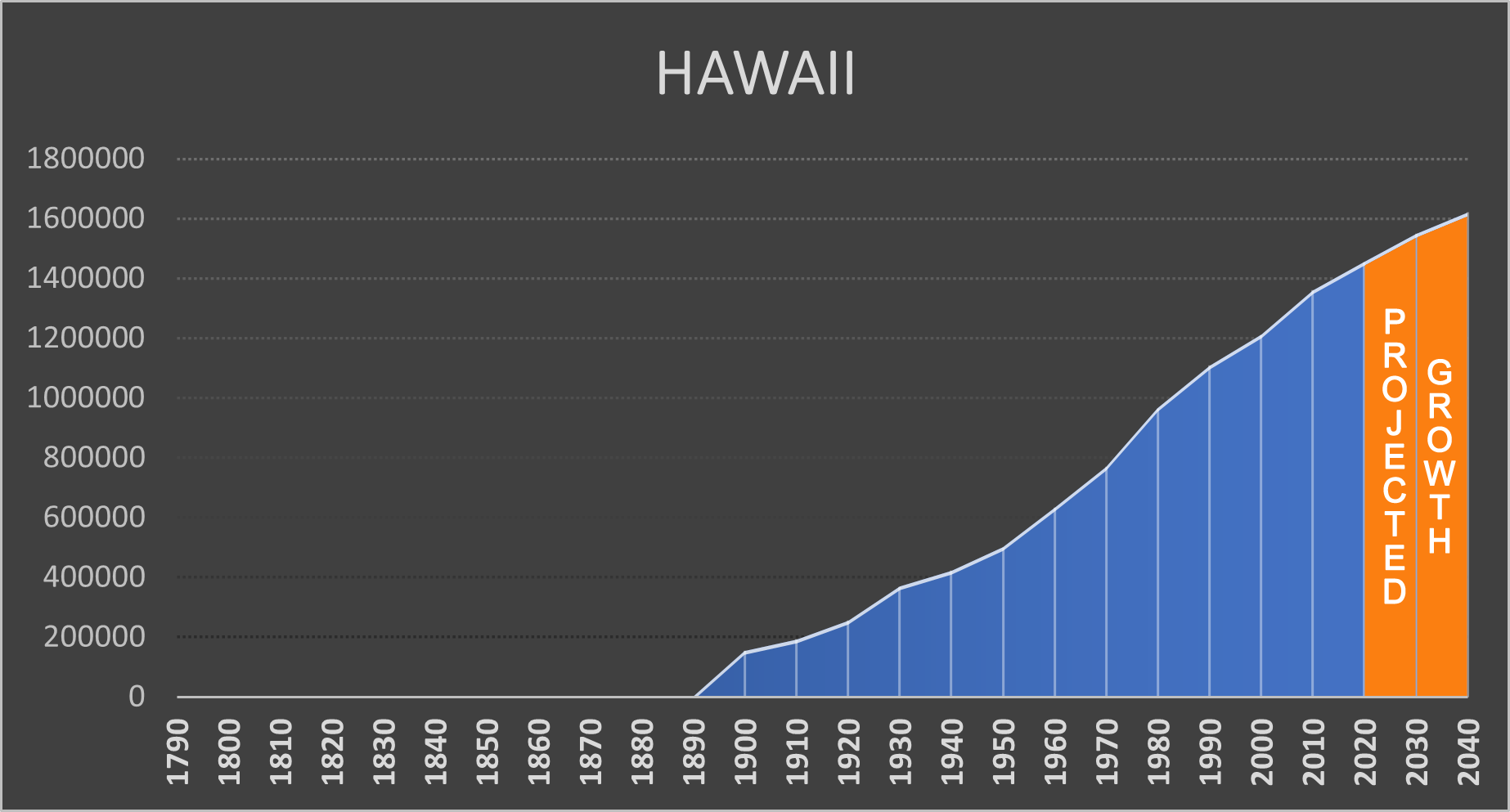
To understand Hawaii, one must look beyond the postcard-perfect beaches and emerald-green cliffs. While many visitors arrive seeking a tropical escape, they soon discover that the true essence of the islands lies in its people. As of recent estimates, the population of Hawaii stands at approximately 1.44 million residents. However, this number tells only a fraction of the story. For the curious traveler, understanding the demographics, the cultural heritage, and the “de facto” population—which includes the millions of visitors who grace the shores of the United States 50th state each year—is essential to experiencing the islands with depth and respect.
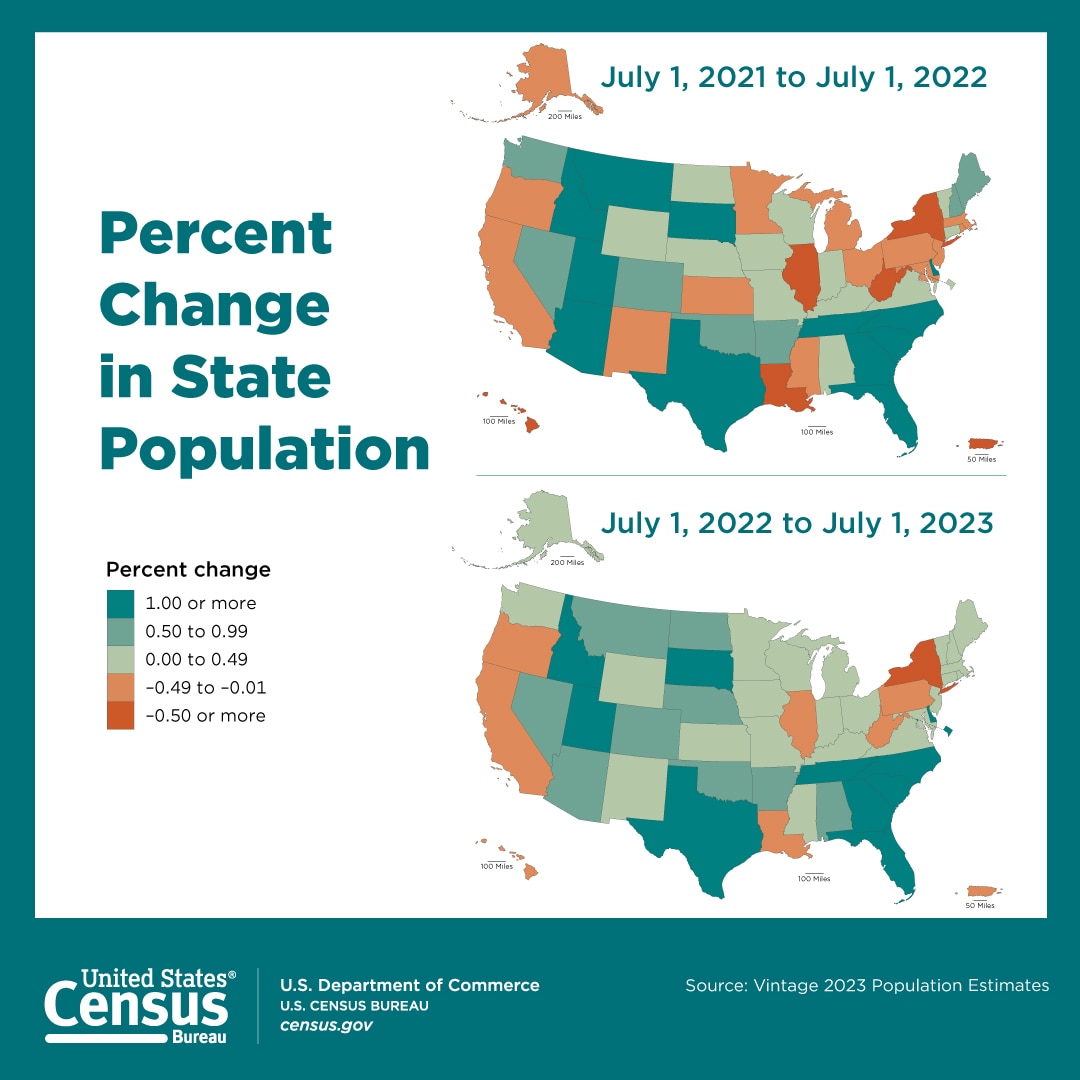
The population is spread across eight main islands, though the vast majority of residents call Oahu home. This concentration of people has created a unique social dynamic where ancient traditions and modern metropolitan life coexist. From the bustling streets of Honolulu to the quiet, rural expanses of Molokai, the people of Hawaii represent one of the most diverse and harmonious cultural landscapes in the world.
A Cultural Mosaic: The People of the Islands
Hawaii is often cited as the only state in the United States where there is no ethnic majority. This “melting pot” is a direct result of the islands’ unique history, transitioning from a sovereign kingdom to a hub for global agricultural trade, and finally to a central Pacific state.
The Native Hawaiian Legacy
At the heart of the population is the Native Hawaiian community, the descendants of the original Polynesian voyagers who discovered the islands over a millennium ago. While they represent about 10% of the total population (increasing significantly when considering those of mixed heritage), their influence on the local culture is foundational. Visitors will encounter this legacy through the “Aloha Spirit,” a legal and cultural philosophy of kindness, unity, and humility. Exploring sites like the Polynesian Cultural Center or witnessing a traditional hula performance provides insight into a culture that remains deeply connected to the land and the sea.
The Impact of the Plantation Era
The modern demographic makeup of Hawaii was largely forged during the 19th and early 20th centuries. The rise of sugar and pineapple plantations necessitated a massive influx of labor, drawing workers from Japan, China, the Philippines, Korea, and Portugal. This migration changed the islands forever. Today, Asian Americans make up nearly 37% of the population, the largest ethnic group in the state. This history is palpable in local neighborhoods and is celebrated at historical landmarks like the Hawaii Plantation Village.
The Modern Melting Pot
The “Mixed” or “Hapa” population is one of the fastest-growing demographics in the state. This blending of backgrounds has resulted in a society where cultural exchange is the norm rather than the exception. For the tourist, this means a welcoming atmosphere where different languages, religions, and traditions are woven into the daily fabric of life. Whether you are visiting Waikiki or a small town in Kauai, you will find that the local population prides itself on this collective identity.
Living the Culture: Traditions, Food, and Activities
Tourism in Hawaii is far more than just visiting landmarks; it is about engaging with the local way of life. The population’s diverse roots have created a culinary and social scene that is unlike any other in the world.
A Gastronomic Journey
If you want to understand the people of Hawaii, you must eat like them. The “Plate Lunch” is perhaps the best edible representation of the population. Typically consisting of two scoops of white rice, macaroni salad, and an entrée like chicken katsu or kalua pig, it represents the fusion of Japan and Hawaii.
Foodies should seek out local favorites such as Leonard’s Bakery for Portuguese malasadas or Matsumoto Shave Ice on the North Shore of Oahu. In the Kona region of the Big Island, the coffee culture reflects a century of agricultural dedication. For a more formal cultural experience, attending a Luau, such as the Old Lahaina Luau on Maui, allows visitors to taste traditional dishes like poi and lomi salmon while learning about the history of the Polynesian people.
Language and Etiquette
While English is the primary language, the Hawaiian language (Olelo Hawaii) and Hawaiian Pidgin are widely heard. Learning a few words beyond “Aloha” and “Mahalo” (thank you) can go a long way in showing respect to the locals. Terms like “Aina” (land) and “Ohana” (family) are central to the local psyche. When visiting residential areas or local beaches like Lanikai Beach, it is important to remember that you are a guest in someone’s home. Simple gestures, such as removing your shoes before entering a home or “talking story” (engaging in casual conversation), are part of the local social fabric.
Festivals and Celebrations
The vibrant population is best seen during its many festivals. The Merrie Monarch Festival in Hilo is the world’s premier hula competition, celebrating the legacy of King David Kalakaua. Meanwhile, the Aloha Festivals held across the islands feature parades and royal courts that showcase the grandeur of the Kingdom of Hawaii. These events are open to the public and offer an authentic glimpse into how the residents keep their history alive.
The Geography of the Population: Island by Island
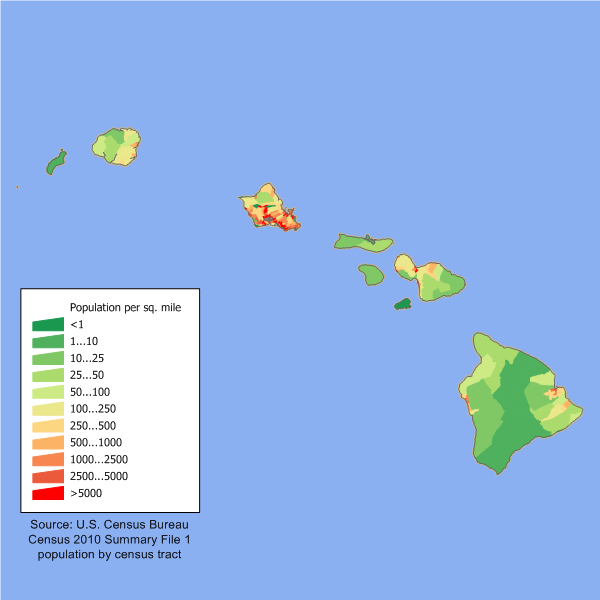
The population is not evenly distributed, and each island offers a distinct social atmosphere based on its residents and history.
Oahu: The Gathering Place
Home to approximately 1 million people, Oahu is the heartbeat of the state. It is where you find Honolulu, the state capital and a major global city. Here, the population density is high, leading to a fast-paced lifestyle that contrasts with the outer islands. Key landmarks like Pearl Harbor and the Iolani Palace serve as reminders of the island’s complex political history.
Maui: The Valley Isle
With a population of around 165,000, Maui offers a blend of luxury tourism and rural charm. The community here is deeply resilient, particularly in areas like Lahaina. The island’s population is concentrated in central Maui and the coastal resort towns of Kihei and Kaanapali.
Hawaii Island: The Big Island
Despite being the largest island in terms of landmass, the Big Island has a population of only about 200,000. This creates a sense of vast openness. The residents here live among some of the world’s most active volcanoes at Hawaii Volcanoes National Park and high-altitude astronomical hubs like Mauna Kea.
Kauai and the Smaller Islands
Kauai, the “Garden Isle,” has a population of roughly 73,000. It is known for its slower pace of life and a community that is fiercely protective of its natural beauty, such as the Na Pali Coast. Lanai and Molokai have the smallest populations, where traditional Hawaiian lifestyles are most preserved and tourism is much more low-key.
Sustainable Tourism and Respecting the “De Facto” Population
On any given day, the actual number of people in Hawaii is much higher than the resident count of 1.44 million. This is due to the “de facto” population—the influx of tourists that can add upwards of 200,000 people to the islands at peak times. This surge places a significant strain on infrastructure and natural resources, making responsible tourism a necessity.
Malama Aina: Caring for the Land
The concept of “Malama Aina” is a guiding principle for residents and should be for visitors as well. With such a large number of people concentrated in fragile ecosystems like Hanauma Bay Nature Preserve, tourists are encouraged to be mindful. This includes using reef-safe sunscreen, staying on marked trails at Diamond Head State Monument, and respecting wildlife like the Green Sea Turtle.
Supporting the Local Economy
Because Hawaii is an island chain, the cost of living for the local population is exceptionally high. Visitors can support the community by choosing local businesses over multinational corporations. Shopping at farmers’ markets, dining at family-owned “mom and pop” shops, and booking tours with local guides ensure that the economic benefits of tourism stay within the islands.
Navigating Over-Tourism
In recent years, the resident population has voiced concerns about “over-tourism” in certain areas. To be a respectful visitor, it is wise to visit popular spots like the Road to Hana or Waimea Canyon State Park during off-peak hours. By spreading out your visits and exploring lesser-known gems, you help alleviate the pressure on local communities.
Conclusion: The Heartbeat of Hawaii
The population of Hawaii is a living, breathing testament to the power of cultural integration and the endurance of indigenous spirit. While the census data provides the numbers, the true “population” is felt in the warmth of a greeting, the richness of a shared meal, and the collective effort to preserve the islands for future generations. For the traveler, acknowledging the people behind the scenery is the key to a truly transformative experience. By understanding who the people of Hawaii are—where they came from and what they value—you transition from being a mere observer to a respectful participant in the islands’ ongoing story.
LifeOutOfTheBox is a participant in the Amazon Services LLC Associates Program, an affiliate advertising program designed to provide a means for sites to earn advertising fees by advertising and linking to Amazon.com. Amazon, the Amazon logo, AmazonSupply, and the AmazonSupply logo are trademarks of Amazon.com, Inc. or its affiliates. As an Amazon Associate we earn affiliate commissions from qualifying purchases.