
Understanding the population of a city is fundamental to grasping its scale, dynamism, and the sheer breadth of opportunities it presents. For prospective travelers, the population figure offers a glimpse into the urban fabric – a larger population often signifies a more diverse range of attractions, a vibrant culinary scene, and a lively cultural calendar. It suggests a city that hums with activity, where there’s always something new to discover, from world-class museums and bustling entertainment districts to unique local festivals and diverse neighborhoods.
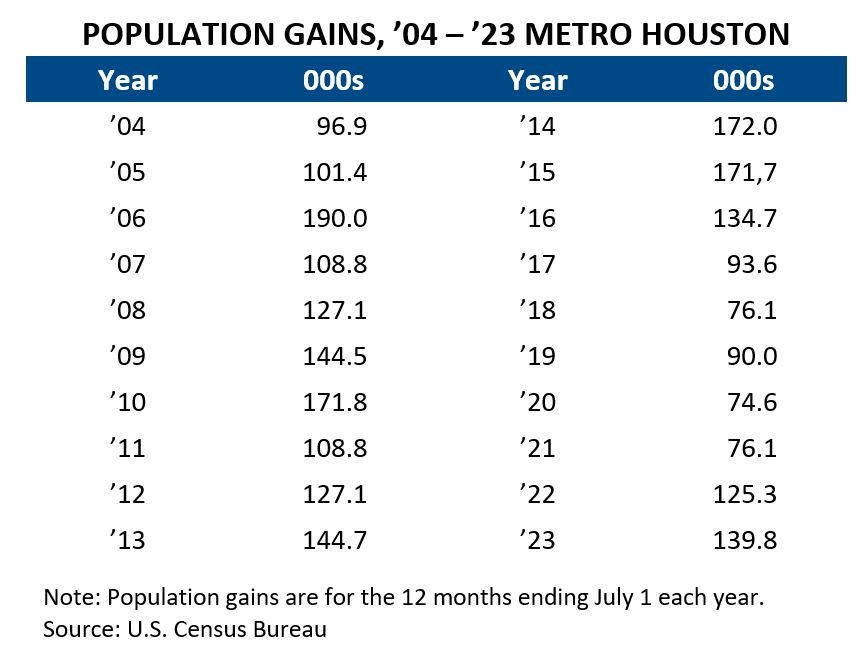
As we look towards 2024, Houston, Texas, stands as a testament to growth and expansion. While precise, real-time census data for a future year is speculative, demographic projections and historical trends allow us to paint a clear picture of its projected population. This understanding is invaluable for anyone considering a visit, a move, or simply seeking to comprehend the magnitude of one of America’s most significant metropolises.
Houston’s Demographic Landscape: A Growing Metropolis
Houston‘s population has consistently shown a robust upward trajectory, a trend driven by a confluence of economic opportunity, a relatively low cost of living compared to other major U.S. cities, and a welcoming environment for a diverse populace. This continuous influx of residents fuels the city’s expansion and enriches its cultural tapestry.
Projected Population Growth for 2024
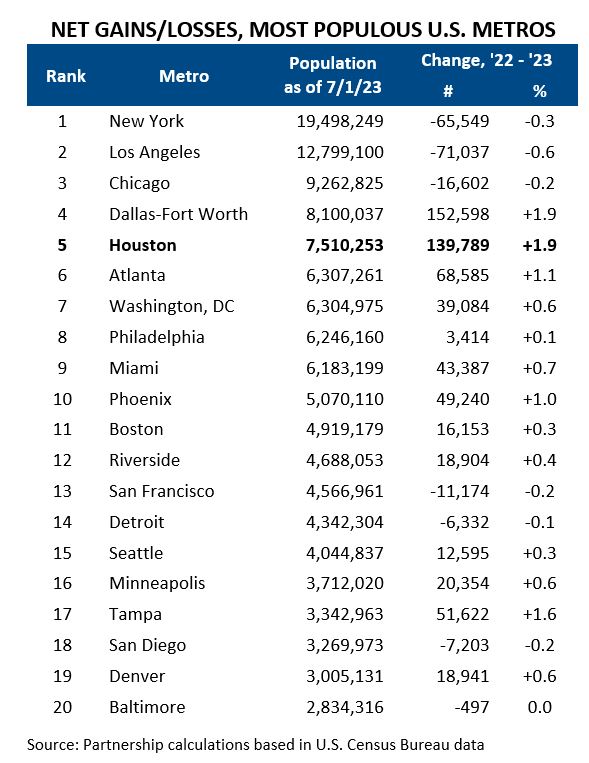
While exact figures are not yet available, based on recent census data and ongoing growth patterns, Houston is anticipated to maintain its position as the fourth most populous city in the United States. Projections suggest the Houston metropolitan area will likely exceed 7.3 million residents in 2024, with the city proper accounting for a significant portion of this. This steady growth means Houston is not just a large city, but one that is actively expanding, absorbing new communities, and developing new urban frontiers. This burgeoning population is a key indicator of the city’s economic vitality and its appeal as a place to live, work, and thrive.
The Significance of Population Size for Visitors
For visitors, a large and growing population translates directly into a richer and more varied travel experience. A city like Houston, with millions of residents, is a hub of diverse cultures, cuisines, and entertainment. This translates to:
- Extensive Dining Options: From authentic Vietnamese pho in Asiatown to Tex-Mex delights in the Montrose district, the sheer number of people ensures an extraordinary range of culinary experiences.
- World-Class Attractions: The presence of a large population supports and necessitates a robust array of cultural institutions, such as the Museum District, which boasts eleven institutions, including the Museum of Fine Arts, Houston and the Children’s Museum Houston.
- Vibrant Entertainment and Nightlife: Concert venues, theaters, sports arenas, and numerous bars and clubs cater to a wide array of tastes, reflecting the diverse preferences of millions of residents.
- Diverse Neighborhoods: Each neighborhood in Houston offers a unique character and feel, from the historic charm of Heights to the trendy boutiques of Rice Village, providing endless opportunities for exploration.
Understanding the Greater Houston Area
It is crucial to distinguish between the population of the city of Houston itself and the Greater Houston metropolitan area. The metropolitan area encompasses a vast expanse of interconnected suburbs and surrounding counties that share economic and social ties with the central city. This broader definition often reveals a more comprehensive picture of the region’s demographic footprint and its overall influence. The Greater Houston area, often referred to as Houston-The Woodlands-Sugar Land, is one of the fastest-growing metropolitan areas in the U.S., further amplifying the scale of human activity and economic output within the region. This expansive nature means that even areas slightly outside the immediate city limits are deeply integrated into Houston’s urban ecosystem, contributing to its overall liveliness and offering distinct travel experiences.
Factors Driving Houston’s Population Dynamics
Houston’s sustained population growth is not an accidental phenomenon. It is the result of deliberate economic strategies, a favorable business climate, and an attractive lifestyle that draws people from across the United States and beyond.

Economic Opportunities and Job Market
One of the primary magnets for new residents is Houston’s robust and diversified economy. Historically known for its energy sector, Houston has successfully broadened its economic base to include significant strengths in healthcare, aerospace, technology, and manufacturing. The presence of major corporations, research institutions, and a thriving small business sector creates a dynamic job market that consistently attracts skilled professionals and ambitious entrepreneurs. This economic vitality translates into a city that is always in motion, with new developments, businesses, and opportunities emerging regularly. For travelers, this means a city that is constantly evolving, with new attractions and experiences opening up, reflecting the energy of its growing population.
Affordability and Quality of Life
Compared to other major U.S. cities, Houston has historically offered a more affordable cost of living, particularly in terms of housing. While prices have seen an increase, Houston remains relatively accessible, allowing residents to enjoy a high quality of life without the exorbitant expenses often associated with large urban centers. This affordability, coupled with a generally positive outlook on economic prospects, makes Houston an appealing destination for individuals and families looking for opportunity and a comfortable lifestyle. The city also boasts extensive green spaces, including Buffalo Bayou Park, and a strong commitment to public services, further enhancing its appeal.
Diversity and Inclusivity
Houston is renowned for its remarkable diversity, often cited as one of the most ethnically diverse cities in the United States. This multicultural fabric is not merely a demographic statistic; it is a cornerstone of Houston’s identity and a significant driver of its appeal. The city is home to large populations of Hispanic, African American, Asian, and various European ancestries, each contributing their unique traditions, cuisines, and perspectives. This inclusivity creates a vibrant, welcoming atmosphere that resonates with people from all walks of life. For travelers, this diversity is a treasure trove of cultural experiences, from exploring distinct ethnic enclaves like Chinatown and Little Saigon to enjoying an unparalleled array of international cuisines. The city’s demographic makeup fosters a rich tapestry of festivals, community events, and cultural celebrations throughout the year, ensuring a dynamic and engaging experience for any visitor.
Exploring Houston: A City Shaped by its People
The population of Houston is not just a number; it is the lifeblood of the city, shaping its character, its attractions, and its unique urban experience. A large and dynamic population means a city that is constantly innovating, adapting, and offering something new to discover.
Cultural Melting Pot and Culinary Capital
The immense diversity of Houston’s population is most vividly reflected in its food scene. As one of the nation’s premier culinary destinations, Houston offers an astonishing breadth of gastronomic delights. From the authentic flavors of Vietnamese cuisine in Bellaire to the spicy aromas of Indian dishes in the Hillcroft area, and the classic Tex-Mex offerings found throughout the city, every palate can find satisfaction. The sheer volume of residents with varied backgrounds fuels a constant evolution of restaurants, food trucks, and markets, making Houston a true global culinary capital. This is a city where you can embark on a gastronomic journey around the world without ever leaving its limits. Exploring neighborhoods like Midtown or Downtown reveals a concentration of diverse eateries, from upscale dining to casual cafes, catering to the varied tastes and preferences of its millions of inhabitants.
Arts, Entertainment, and Attractions Fueled by Demand
The cultural landscape of Houston is a direct product of its large and engaged population. The presence of millions of people supports a vibrant arts and entertainment scene. The Museum District, for instance, thrives due to the consistent interest and patronage from residents and visitors alike. Beyond museums, Houston boasts a thriving theater district, numerous live music venues, and a passionate fan base for its professional sports teams, including the Houston Texans (NFL), the Houston Astros (MLB), and the Houston Rockets (NBA). The demand generated by a substantial population ensures a continuous flow of world-class performances, exhibitions, and sporting events. For travelers, this means an abundance of options for entertainment and cultural enrichment, catering to every interest and schedule.
Community and Neighborhood Charm
Despite its immense size, Houston retains a strong sense of community within its many distinct neighborhoods. Each area possesses its own unique character, history, and demographic makeup, fostering a sense of belonging and local pride. From the historic bungalows and vibrant shops of The Heights to the bohemian atmosphere of Montrose, and the family-friendly parks and amenities in areas like Sugar Land, these neighborhoods offer diverse living experiences and unique travel exploration opportunities. The interactions and daily lives of Houston’s residents are what breathe life into these communities, making them vibrant and engaging places to visit. Understanding the population of Houston is key to appreciating the intricate web of communities that make up this sprawling and fascinating Texan metropolis.
LifeOutOfTheBox is a participant in the Amazon Services LLC Associates Program, an affiliate advertising program designed to provide a means for sites to earn advertising fees by advertising and linking to Amazon.com. Amazon, the Amazon logo, AmazonSupply, and the AmazonSupply logo are trademarks of Amazon.com, Inc. or its affiliates. As an Amazon Associate we earn affiliate commissions from qualifying purchases.