
The city of Idaho Falls, located in the eastern region of Idaho, has emerged as one of the most significant population hubs in the United States Intermountain West. As of recent census estimates and municipal data, the population of Idaho Falls sits at approximately 68,000 residents within the city limits. However, to truly understand the scale of this growing metropolitan area, one must look beyond these figures and consider the broader Bonneville County region, which encompasses a much larger demographic footprint.
Understanding the Demographic Growth of Idaho Falls
The demographic trajectory of this city is defined by a consistent, steady upward trend. Over the past decade, Idaho has consistently ranked among the fastest-growing states in the nation, and Idaho Falls sits at the heart of this expansion.

Historical Context and Urban Expansion
Historically, Idaho Falls served as a vital agricultural and trade hub for the Snake River Plain. While the economy was once dominated by farming and ranching, the influx of modern industries—particularly in energy and technology—has drawn a younger, more diverse workforce to the area. This migration has transformed the city from a small regional town into a sophisticated economic center.
The Role of Industry in Population Influx
The presence of the Idaho National Laboratory is arguably the most significant factor in recent population growth. As a primary employer in the region, the laboratory attracts highly skilled engineers, scientists, and researchers from across the United States and the globe. This influx of professional talent has spurred the development of new housing communities, schools, and infrastructure, effectively pushing the functional population of the surrounding area well beyond the 100,000 mark when including suburban corridors.
The Regional Economic Landscape
A city’s population is often a reflection of its economic vitality. Idaho Falls is unique in that it offers the amenities of a growing city while maintaining the cultural identity of a close-knit western community.
Diversified Employment Opportunities
Beyond the energy sector, the city has seen a resurgence in its medical and healthcare industries. Facilities such as the Eastern Idaho Regional Medical Center act as a primary healthcare provider for a multi-state region, including parts of Wyoming and Montana. This has created a massive employment base that supports families, professionals, and support staff, further driving the need for higher-density housing and urban development.

The Impact of Lifestyle and Quality of Life
Why are so many people moving to Idaho? The answer lies in the balance between modern professional life and access to nature. Proximity to Yellowstone National Park and the Grand Teton National Park makes the city a premier location for outdoor enthusiasts. The lower cost of living compared to major coastal cities, coupled with the absence of dense urban congestion, makes Idaho Falls an attractive destination for remote workers and families seeking a higher quality of life.
Future Projections and Urban Planning
As the population continues to swell, city planners and local government officials are faced with the challenge of managing growth while preserving the character of the region.
Infrastructure and Urban Development
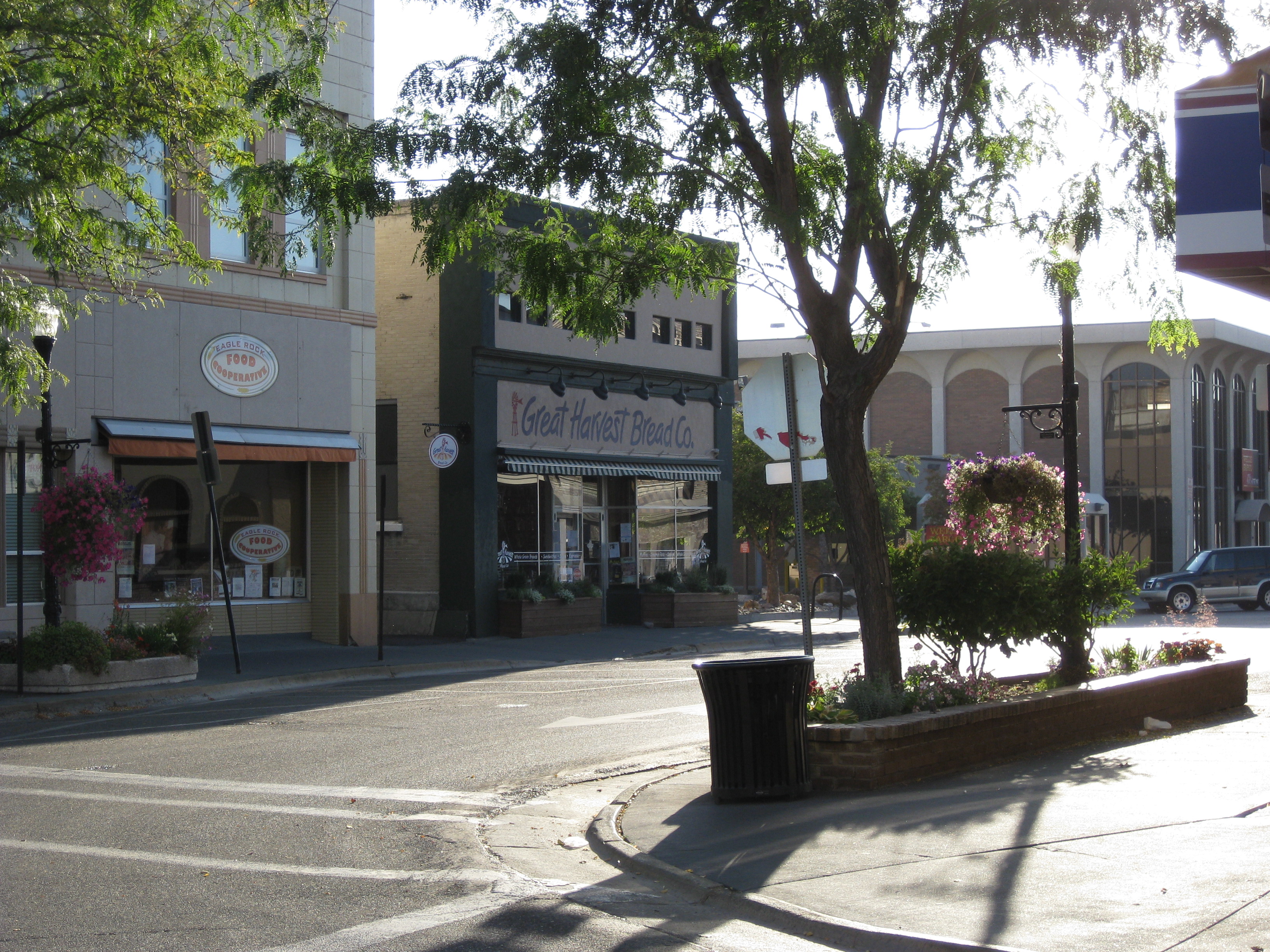
The city has invested heavily in the revitalization of Downtown Idaho Falls. This area is currently experiencing a renaissance, with luxury apartments, boutiques, and restaurants replacing older industrial sites. As the population grows, the focus has shifted toward high-density, mixed-use developments that encourage walkability. This move helps mitigate the urban sprawl that often plagues rapidly growing western cities, ensuring that Idaho Falls remains a manageable and desirable place to live.
Environmental Stewardship and Sustainability
A critical component of managing a growing population in a scenic region like the Snake River Plain is sustainability. Local leaders are increasingly prioritizing the protection of the Snake River, which cuts through the center of the city. The Greenbelt park system, a signature feature of Idaho Falls, provides a natural sanctuary that is highly valued by its residents. Balancing the demands of a larger population with the need to protect the natural beauty of the Rocky Mountains is the primary focus of long-term development plans.
Demographics and Community Dynamics
It is essential to note that the demographic makeup of Idaho Falls is changing. Historically homogeneous, the region is becoming more culturally diverse. This diversity is reflected in the expanding culinary scene, the growth of local cultural institutions, and an increase in community-led events that celebrate a variety of heritages.
The Educational Influence
Idaho State University maintains a campus in Idaho Falls, which ensures a steady rotation of students, educators, and academic professionals. This academic environment contributes to the city’s intellectual life and keeps the demographic profile relatively young, particularly in the city’s urban core.
Future Outlook
Looking ahead to the next decade, all indicators suggest that the population of Idaho Falls will maintain its current trajectory of growth. As remote work becomes increasingly normalized and the reputation of the Pacific Northwest and the Intermountain West as a desirable place to live continues to build, the city is well-positioned to evolve. By leveraging its strategic location between the urban centers of Salt Lake City and Boise, Idaho Falls is likely to become an even more prominent player in the regional economy.
In conclusion, the population of Idaho Falls is a metric that tells a broader story of transformation. It is the story of a city that has transitioned from an agricultural base to a multifaceted hub of innovation and outdoor adventure. While the city limits currently house nearly 70,000 people, the impact of Idaho Falls is felt across the entirety of Bonneville County. For those looking to relocate, invest, or simply visit, understanding the demographic shifts and the economic drivers of this city provides the necessary context to appreciate why it remains one of the most vibrant areas in the United States. As the city moves forward, it will undoubtedly remain a cornerstone of progress in the beautiful, rugged landscape of Idaho.
LifeOutOfTheBox is a participant in the Amazon Services LLC Associates Program, an affiliate advertising program designed to provide a means for sites to earn advertising fees by advertising and linking to Amazon.com. Amazon, the Amazon logo, AmazonSupply, and the AmazonSupply logo are trademarks of Amazon.com, Inc. or its affiliates. As an Amazon Associate we earn affiliate commissions from qualifying purchases.