
When the dazzling lights of the Las Vegas Strip flash across our screens, images of world-class entertainment, luxurious resorts, and an endless array of attractions immediately come to mind. Often dubbed “Sin City” or “The Entertainment Capital of the World,” Las Vegas is synonymous with unparalleled travel experiences, vibrant nightlife, and a unique atmosphere that draws millions of tourists annually. However, behind the glittering façade and the constant influx of visitors lies a thriving, dynamic city that is home to a substantial and ever-growing resident population. Understanding the demographics of Las Vegas, Nevada, is crucial for appreciating its complexity, its economic engine, and the lifestyle it offers to those who call it home, far beyond the confines of a weekend getaway.

The population of Las Vegas is not merely a static figure; it’s a testament to urban development, economic opportunity, and a unique blend of cultures. For a city renowned globally as a top travel destination, its residential base plays an indispensable role in shaping the very essence of the tourism industry, from the dedicated staff in hotels and resorts to the diverse communities that contribute to local culture and a broader appeal. This article will delve into the current population figures, explore the historical and economic factors driving its growth, examine the interplay between residents and the tourism sector, and shed light on the challenges and opportunities that arise from being a rapidly expanding desert metropolis.
The Dynamic Demographics of Las Vegas: A City of Growth
The term “Las Vegas” itself can refer to several distinct geographical entities, each with its own population count. To truly answer the question “What is the population of Las Vegas, Nevada?”, we must differentiate between the incorporated City of Las Vegas and the broader Las Vegas Metropolitan Statistical Area (MSA), which encompasses numerous surrounding communities.
Unpacking the Numbers: City vs. Metro Area
As of recent estimates (which are always subject to change and official census updates), the City of Las Vegas proper has a population hovering around 650,000 to 700,000 residents. This figure represents the population within the official city limits, which includes downtown Las Vegas, parts of the historic urban core, and various residential neighborhoods. It’s a substantial city in its own right, boasting a diverse array of local businesses, educational institutions, and community services that cater directly to its residents.
However, the more commonly cited and impactful population figure, especially when discussing the region’s overall influence and economy, is that of the Las Vegas-Henderson-Paradise MSA. This metropolitan area, predominantly within Clark County, includes not only the City of Las Vegas but also major incorporated cities like Henderson and North Las Vegas, as well as significant unincorporated towns such as Paradise (where much of the famous Strip is located, contrary to popular belief), Spring Valley, and Enterprise. The combined population of this vast metropolitan area typically exceeds 2.3 million people, making it one of the largest and most rapidly expanding metropolitan regions in the Western United States. This broader perspective truly captures the scale of human activity and residential life that fuels the entire Las Vegas experience.
Growth Drivers and Historical Context
The narrative of Las Vegas’s population growth is one of remarkable acceleration, particularly over the last half-century. What began as a small desert railroad town exploded into a global phenomenon, driven by a confluence of factors:
- The Gaming and Tourism Industry: Undoubtedly the primary engine, the legalization of gambling in Nevada in 1931 and the subsequent rise of elaborate casinos and resorts created immense job opportunities. This attracted a constant stream of workers, from service industry professionals to entertainers, chefs, and management.
- Affordability and Lifestyle (Historically): For many decades, Las Vegas offered a relatively lower cost of living compared to major coastal cities, especially in California. This, combined with a no-state-income-tax policy in Nevada and a perceived exciting lifestyle, drew retirees and families seeking a fresh start.
- Infrastructure Development: Significant investments in infrastructure, including Harry Reid International Airport, major roadways, and residential developments, facilitated this growth and made the region more accessible and livable. The construction of the Hoover Dam in the 1930s was a critical precursor, providing water and power essential for large-scale development.
- Diversification Efforts: While tourism remains dominant, ongoing efforts to diversify the economy into sectors like technology, healthcare, manufacturing, and sports have further stabilized and attracted new residents. The presence of major companies and professional sports teams (such as the Las Vegas Raiders and the Vegas Golden Knights) adds to the city’s appeal as a place to live and work.
This explosive growth has transformed Las Vegas from a small desert outpost into a sprawling urban center, continuously adapting to the demands of its expanding populace.
A City Built by Its People: The Workforce and Lifestyle
The resident population of Las Vegas is not just a statistical figure; it is the beating heart of the city, providing the workforce that sustains its most famous industry and creating a vibrant community that exists independently of the tourist experience.
The Backbone of the Hospitality Industry
It’s impossible to discuss Las Vegas without acknowledging the colossal hospitality and tourism industry. This sector is overwhelmingly staffed by the local population. From the moment a traveler arrives at Harry Reid International Airport to their stay at a luxurious suite in the Bellagio or Caesars Palace, every interaction, service, and amenity is delivered by a resident of Las Vegas or its surrounding communities.
This workforce is incredibly diverse, comprising tens of thousands of individuals working in roles such as:
- Hotel staff: Front desk agents, concierges, housekeeping, maintenance, and resort management across properties like the MGM Grand and The Venetian Resort Las Vegas.
- Food and beverage: Chefs, servers, bartenders, hosts, and kitchen staff in thousands of restaurants, from casual eateries to Michelin-starred establishments.
- Entertainment: Performers, stagehands, technicians, ticket agents, and event planners for countless shows, concerts, and conventions at venues like the Sphere at The Venetian Resort or the Las Vegas Convention Center.
- Gaming: Dealers, pit bosses, security personnel, and casino cage staff.
- Retail: Sales associates and managers in the extensive shopping centers and boutiques across the city.
- Transportation: Taxi drivers, ride-share operators, bus drivers, and limousine services.
The seamless operation of a city that hosts over 40 million visitors annually is a testament to the dedication and professionalism of its resident workforce. Their daily lives are intertwined with the success of the tourism machine, making the population an intrinsic part of the city’s global appeal.
Beyond the Strip: Residential Life and Community
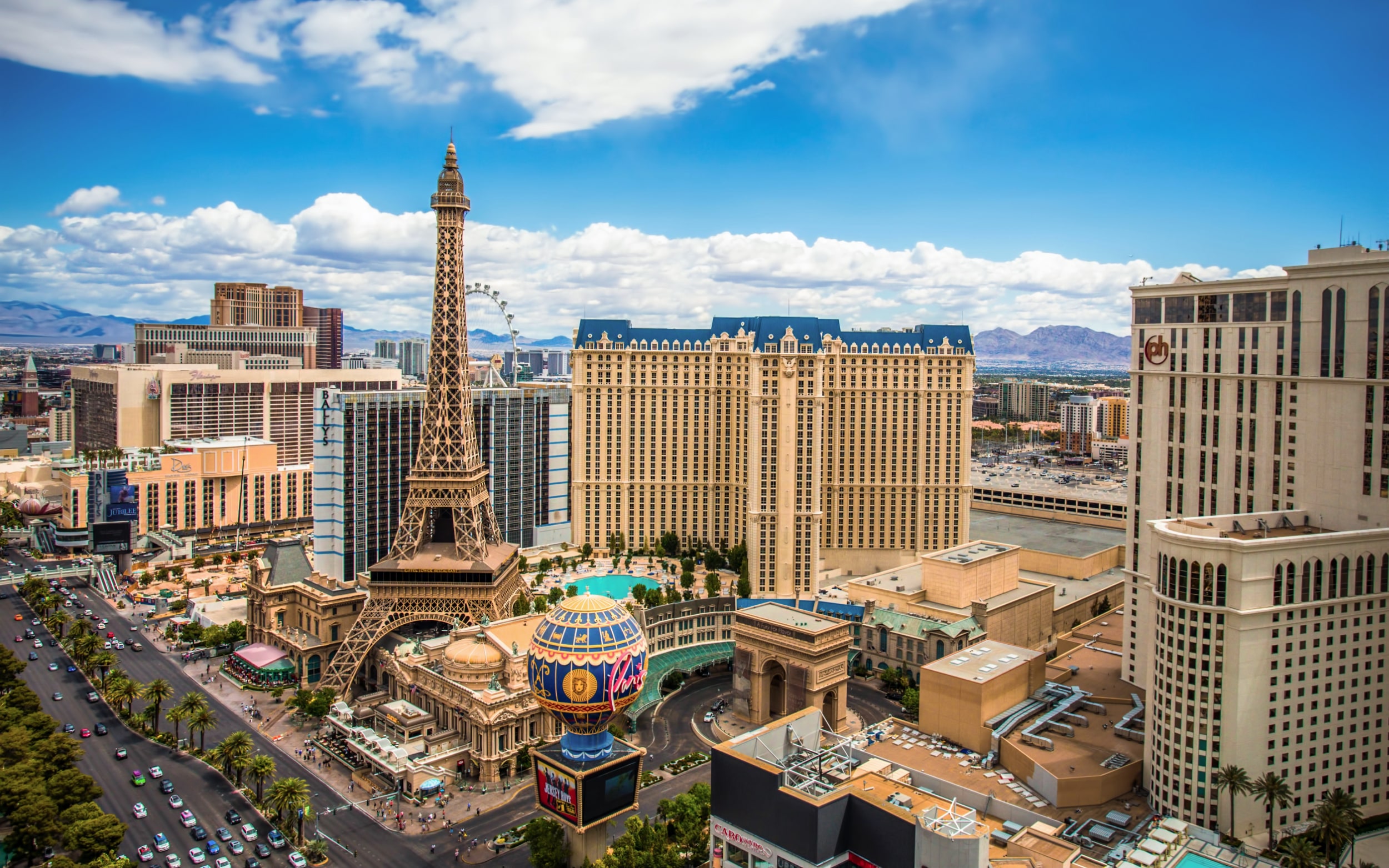
While tourists primarily experience the vibrant core of the Strip or the Fremont Street Experience, the vast majority of Las Vegas residents live in established neighborhoods, far removed from the constant glow of neon. These communities offer a traditional suburban lifestyle, complete with:
- Diverse Housing Options: From sprawling single-family homes in master-planned communities like Summerlin or Green Valley Ranch in Henderson, to apartments and townhouses, catering to various income levels and preferences.
- Educational Institutions: A robust public school system, numerous private schools, and higher education institutions such as the University of Nevada, Las Vegas (UNLV), serve the growing student population.
- Parks and Recreation: Clark County boasts an extensive network of parks, recreational facilities, and community centers. Residents have access to outdoor activities like hiking and biking in scenic areas such as Red Rock Canyon National Conservation Area or skiing on Mount Charleston.
- Local Culture and Amenities: Beyond the tourist attractions, Las Vegas offers a rich local arts scene, diverse culinary experiences in neighborhood restaurants, professional sports, and a wide range of shopping and entertainment venues geared towards residents.
- Healthcare and Services: A comprehensive network of hospitals, clinics, and medical professionals provides essential services to the local population, further cementing the city as a full-service metropolis.
The existence of this robust residential life demonstrates that Las Vegas is more than just a transient destination; it’s a dynamic community where people raise families, build careers, and enjoy a quality of life that often surprises those who only know its tourist persona.
The Interplay of Population, Tourism, and Urban Development
The growth of Las Vegas’s population and the success of its tourism industry are inextricably linked, creating a unique urban ecosystem that presents both opportunities and challenges.
Economic Impact of a Growing Population
A larger resident population translates into a more stable and diversified local economy. While tourism remains king, the presence of millions of residents supports:
- Local Businesses: Beyond the resorts, a thriving ecosystem of small businesses, retail shops, restaurants, and service providers cater to the daily needs of residents.
- Housing and Construction: Continuous population growth necessitates ongoing housing development, which in turn fuels the construction industry and associated sectors.
- Infrastructure Investment: Growing communities demand better roads, public transportation, utility services, and public facilities, driving further investment and job creation.
- Tax Base: A larger population contributes to the local tax base, funding essential public services like schools, police, and fire departments, improving the overall quality of life for residents.
This synergy means that a strong local economy, underpinned by a growing population, provides a resilient foundation even when the tourism sector faces fluctuations.
Adapting to Change: Challenges and Opportunities
The rapid growth of Las Vegas’s population, while beneficial in many ways, also presents significant challenges:
- Water Resources: As a city in the Mojave Desert, water conservation is paramount. Lake Mead, the primary water source, has faced historic lows, making sustainable water management a critical ongoing effort.
- Traffic and Infrastructure: Increased population and tourism inevitably lead to greater traffic congestion and strain on existing infrastructure, requiring continuous planning and investment in transportation solutions.
- Housing Affordability: While historically more affordable, the rapid influx of new residents has put upward pressure on housing costs, posing challenges for long-term residents and those seeking to move to the area.
- Environmental Impact: Urban sprawl and increased consumption of resources raise environmental concerns that the city is actively working to address through sustainable development practices.
However, these challenges also create opportunities. Las Vegas has become a leader in urban planning for arid environments, pioneering water conservation technologies and exploring renewable energy sources. The need for diversified employment has spurred growth in tech and healthcare, attracting innovative companies and talent. The city’s unique position as a major convention hub also means it’s a place where new ideas and technologies are often showcased and adopted, further driving progress.
Planning for the Future: Sustainable Growth in the Desert
The future of Las Vegas hinges on its ability to manage continued population growth sustainably, balancing economic prosperity with environmental stewardship and community well-being.
Future Projections and Demographic Shifts
Demographers project that the Las Vegas MSA will continue to experience significant growth in the coming decades, albeit perhaps at a more moderated pace than its peak boom years. Factors such as continued migration from other states, natural population increase, and the city’s appeal as a business and lifestyle hub will contribute to this expansion. This growth is also expected to bring further demographic shifts, making the population even more diverse ethnically, culturally, and economically. Understanding these trends is vital for urban planners, policymakers, and businesses to anticipate future needs and opportunities.

Balancing Progress with Preservation
As Las Vegas expands, a key focus is on smart growth and preserving the unique character that makes it both a global destination and a cherished home. This involves:
- Sustainable Development: Encouraging compact, mixed-use developments that reduce sprawl and promote walkability.
- Resource Management: Investing in advanced water recycling, conservation programs, and renewable energy to ensure long-term viability in the desert.
- Community Engagement: Involving residents in planning processes to ensure that new developments meet the needs of existing communities and enhance their quality of life.
- Economic Diversification: Continuing to attract non-gaming industries to create a more resilient economy less dependent on a single sector.
The population of Las Vegas, both within its city limits and across the broader metropolitan area, is far more than just a number. It represents the human capital that drives one of the world’s most recognizable cities, the workforce that fuels its legendary hospitality, and the vibrant communities that call this unique desert oasis home. From the daily lives of its residents to the global appeal of its attractions, every facet of Las Vegas is intrinsically linked to its dynamic and ever-evolving population. Understanding this rich tapestry of demographics allows for a deeper appreciation of a city that constantly reinvents itself, promising an exciting future for both its visitors and its cherished inhabitants.
LifeOutOfTheBox is a participant in the Amazon Services LLC Associates Program, an affiliate advertising program designed to provide a means for sites to earn advertising fees by advertising and linking to Amazon.com. Amazon, the Amazon logo, AmazonSupply, and the AmazonSupply logo are trademarks of Amazon.com, Inc. or its affiliates. As an Amazon Associate we earn affiliate commissions from qualifying purchases.