
Minneapolis, the vibrant heart of Minnesota and a jewel of the Midwest, is a city that consistently draws attention for its innovative spirit, stunning natural beauty, and a quality of life that often places it among the top urban centers in the United States. While raw numbers often tell only part of a story, understanding the population of Minneapolis is crucial for anyone looking to travel, invest in accommodation, or simply grasp the dynamic rhythm that pulses through its streets. For travelers and those seeking unique experiences, the demographics of a city directly influence its culture, culinary scene, available attractions, and overall lifestyle – all key elements of a memorable journey.

As of recent estimates, the population of Minneapolis hovers around 425,000 residents. This figure positions it as the largest city in Minnesota and a significant metropolitan hub within the broader Minneapolis-Saint Paul area, often referred to as the “Twin Cities.” The larger metropolitan statistical area, which includes neighboring Saint Paul and a host of surrounding suburbs, boasts a population well over 3.6 million, making it the 16th-largest metropolitan area in the U.S.. This distinction is important because while the core city maintains its unique identity, it benefits from the extensive resources, diverse workforce, and interconnected cultural fabric of a much larger regional economy.
For the intrepid traveler, the sheer scale of this population translates into a city teeming with life, offering everything from bustling urban landscapes to serene natural escapes. This article delves into the demographic tapestry of Minneapolis, exploring not just the numbers, but what they mean for the city’s character, its tourism appeal, and the varied experiences awaiting visitors.
Understanding Minneapolis’s Demographic Landscape
The population of Minneapolis is more than just a headcount; it’s a rich blend of diverse communities, age groups, and socio-economic backgrounds that contribute to the city’s unique charm and vibrant atmosphere. This demographic complexity directly shapes the local culture, influencing everything from the culinary landscape to the arts scene and the types of accommodations available.
A Tapestry of Cultures and Communities
Minneapolis is renowned for its remarkable diversity. While historically a city shaped by Scandinavian and German immigrants, it has evolved into a multicultural mosaic with significant communities from various parts of the world, including large East African, Hmong, and Latino populations. This rich blend of cultures is evident in the city’s distinct neighborhoods, each offering a unique flavor and experience. For instance, the Northeast Arts District boasts a thriving community of artists and galleries, while parts of South Minneapolis showcase a vibrant array of international cuisines and shops.
This cultural diversity is a major draw for tourists seeking authentic local experiences. Food enthusiasts can embark on a global culinary journey without leaving the city, exploring Ethiopian injera, Vietnamese pho, Mexican street tacos, or classic Midwestern comfort food. Festivals and events throughout the year celebrate these diverse heritages, offering travelers a glimpse into the traditions, music, and dances that enrich the city’s social fabric. Understanding these demographic nuances helps visitors appreciate the depth and breadth of experiences available beyond the typical tourist traps.
Age and Lifestyle: Shaping the City’s Pulse
The population of Minneapolis also reflects a youthful energy, largely due to the presence of several major educational institutions, including the University of Minnesota. A significant proportion of residents are young professionals and students, contributing to a dynamic and progressive urban lifestyle. This demographic fuels a thriving nightlife, innovative restaurant scene, and a strong emphasis on outdoor activities and healthy living.
For travelers, this means a city brimming with trendy cafes, craft breweries, live music venues, and an active arts and entertainment calendar. The preference for an active lifestyle among residents is also reflected in the city’s extensive park system and the famous Chain of Lakes, which provide ample opportunities for biking, kayaking, and paddleboarding. Whether you’re a solo adventurer looking for vibrant social scenes, a couple seeking romantic strolls by the lake, or a family exploring child-friendly museums, the city’s youthful and active population ensures a diverse array of activities to suit every interest.
Economic Vibrancy and Residential Patterns
The economic landscape of Minneapolis is robust, supported by a strong job market in sectors like healthcare, finance, retail, and technology. This economic stability attracts a diverse workforce, contributing to a higher-than-average median household income compared to the national average. This affluence is reflected in the quality of urban infrastructure, public services, and the prevalence of upscale dining and retail options, catering to both residents and discerning travelers.
The city’s residential patterns also tell a story. While Downtown Minneapolis and areas like the North Loop have seen a boom in luxury apartments and urban living spaces, outer neighborhoods offer a mix of historic homes and family-friendly environments. For those seeking accommodation, this means a wide spectrum of choices, from chic boutique hotels in revitalized industrial areas to comfortable family-friendly suites near parks and attractions. The blend of urban professionals and established families ensures a balanced environment, offering both fast-paced city life and serene residential retreats.
Population’s Influence on Travel and Tourism in Minneapolis
The underlying demographics and population size of Minneapolis are not just statistical figures; they are foundational elements that directly shape the city’s appeal as a travel destination. From the variety of available accommodations to the richness of its local culture and the range of activities, every aspect of the tourist experience is intricately linked to who lives here and how many.
Accommodation: A Market Shaped by Demand
With a robust population and a steady influx of business travelers and tourists, the accommodation sector in Minneapolis is highly developed and diverse. The presence of a significant corporate base and major convention facilities in Downtown Minneapolis ensures a strong demand for luxury hotels and business-friendly suites. Brands like the Hyatt Centric Downtown Minneapolis or the Marriott City Center cater to those seeking premium amenities and convenient access to corporate hubs and entertainment venues.
However, the city’s diverse population and lifestyle also foster a market for a broader range of options. Travelers on a budget can find comfortable and affordable hotels or guesthouses in neighborhoods like Dinkytown near the University of Minnesota. The flourishing arts scene and unique cultural districts, like the Northeast Arts District, have given rise to charming boutique hotels and unique apartment rentals that offer a more localized and immersive experience. Families, drawn by the city’s parks and museums, can opt for extended-stay accommodations or hotels with spacious suites, often found closer to the suburban fringes or in quieter residential-adjacent areas. The population density and growth have necessitated a continuous expansion and diversification of lodging options, ensuring that every traveler can find their ideal stay, whether it’s a lavish resort experience or a cozy, budget-friendly apartment.
Tourism: Embracing Local Culture and Experiences
The character of Minneapolis as a tourist destination is profoundly influenced by its residents. The city’s population, with its strong emphasis on community, arts, and green living, has cultivated a tourism scene that values authenticity and engagement. Instead of being solely a city of iconic landmarks (though it has those, like the Stone Arch Bridge and the Guthrie Theater), Minneapolis shines through its vibrant local culture.
The large student population and young professional demographic contribute to a lively social scene, with countless breweries, coffee shops, and independent businesses that are perfect for exploring. The city’s cultural diversity ensures a rich calendar of events, from international food festivals to music concerts and art crawls, offering visitors deep dives into local traditions and contemporary expressions. This focus on local life means that tourists are encouraged to explore beyond the central core, venturing into neighborhoods like Uptown for its trendy boutiques and nightlife, or the Mill City area for its historical significance and culinary innovation. The high civic engagement among residents also means that the city maintains excellent public spaces, well-maintained parks, and a strong sense of safety, all of which enhance the visitor experience.
Lifestyle: Catering to Diverse Traveler Preferences
The varied lifestyles of Minneapolis residents directly translate into a city that caters to a wide spectrum of traveler preferences.
- For the Luxury Traveler: The presence of a significant affluent population supports high-end retail districts, gourmet dining establishments, and exclusive entertainment options. Luxury hotels and resorts offer unparalleled service and amenities, designed to cater to discerning tastes.
- For the Budget Traveler: With a strong student presence and a culture that values accessibility, Minneapolis also offers numerous budget-friendly travel options, including affordable dining, free public parks and art installations (like those at the Walker Art Center Sculpture Garden), and a robust public transportation system.
- For Family Trips: The city’s family-friendly population ensures an abundance of attractions suitable for all ages, from the interactive exhibits at the Science Museum of Minnesota (in Saint Paul) to the natural playgrounds of Minnehaha Park and the numerous lakes. Many accommodations are designed with families in mind, offering spacious rooms and kid-friendly amenities.
- For Business Stays: As a major economic hub, Minneapolis is well-equipped for business travelers. Beyond the standard business hotels, the city offers co-working spaces, excellent connectivity, and a professional environment that makes extended stays productive and comfortable.
The collective impact of Minneapolis’s population translates into a city that is not only welcoming but also exceptionally adaptable to various travel styles and needs, making it an ideal destination for any type of visitor.
Exploring Minneapolis: Landmarks and Natural Wonders
While the population provides the pulse of Minneapolis, the city’s array of landmarks and natural attractions forms its physical canvas, offering countless opportunities for exploration and discovery. These sites are often intertwined with the city’s history, its demographic evolution, and its commitment to preserving natural beauty amidst urban development.
Iconic Landmarks and Architectural Marvels
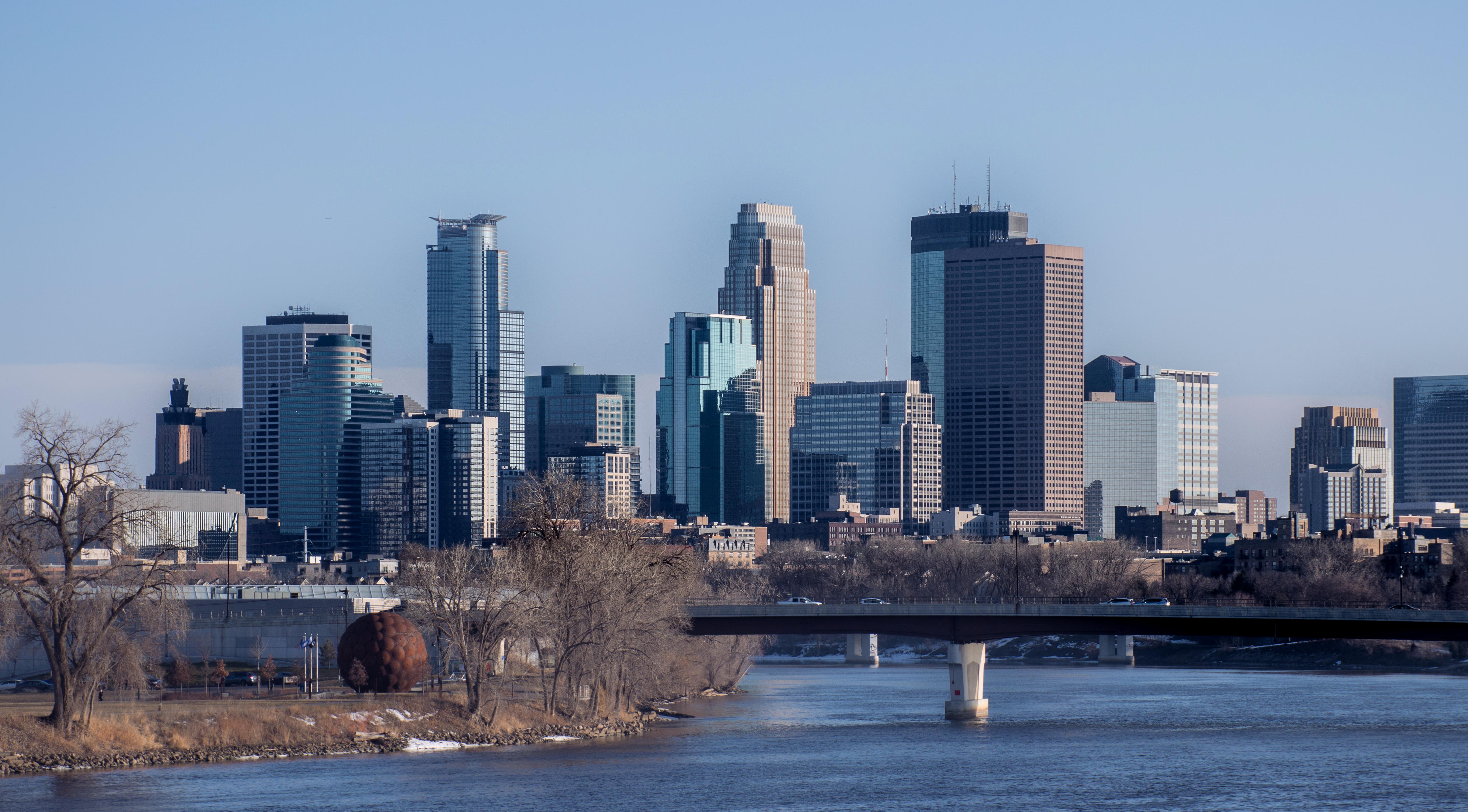
The skyline of Minneapolis tells a story of both historical preservation and modern innovation. The iconic Foshay Tower, once the tallest building in Minnesota, stands as a testament to the city’s early 20th-century ambition, now housing a sophisticated hotel and an observation deck offering panoramic views. The modern marvel of US Bank Stadium, home to the Minnesota Vikings, showcases contemporary architecture and hosts major sporting events and concerts, drawing crowds from across the region.
Culturally significant landmarks abound. The Guthrie Theater, with its striking blue exterior and cantilevered “Endless Bridge” overlooking the Mississippi River and the Stone Arch Bridge, is a cornerstone of the city’s vibrant arts scene. Its design reflects the creative energy that a diverse and art-appreciating population fosters. The Basilica of Saint Mary, a stunning example of Beaux-Arts architecture, serves as a spiritual and historical beacon. These landmarks are not just static structures; they are dynamic spaces where the city’s residents and visitors converge to experience history, art, and community.
The Pristine Chain of Lakes and the Mighty Mississippi
Perhaps the most defining natural feature influenced by and cherished by the population of Minneapolis is its incredible network of parks and lakes. The famous Chain of Lakes – including Lake Harriet, Lake of the Isles, and Bde Maka Ska – are integral to the local lifestyle. These urban oases provide residents and tourists alike with unparalleled opportunities for recreation, from kayaking and paddleboarding in summer to ice skating and cross-country skiing in winter. The extensive network of walking and biking trails that connect these lakes is a testament to the city’s commitment to green spaces and active living, driven by the preferences of its health-conscious population.
The majestic Mississippi River carves through the city, offering picturesque views and a historical narrative that dates back centuries. The Mill City area, with its historic flour mills and the ruins of the Washburn A Mill, tells the story of Minneapolis’s industrial past and its role as a key milling center, attracting generations of workers and shaping its population. Minnehaha Park, home to the stunning Minnehaha Falls, offers a natural escape within city limits, beloved by both residents and tourists for its serene beauty and recreational opportunities. These natural landmarks underscore the balanced lifestyle that Minneapolis offers, proving that a bustling urban center can coexist harmoniously with abundant natural beauty.

Conclusion: Minneapolis – More Than Just Numbers
The population of Minneapolis, while numerically significant at around 425,000 within the city limits and over 3.6 million in the greater metropolitan area, represents far more than a mere headcount. It is the living, breathing essence that shapes the city’s identity, influences its vibrant culture, and defines its unique appeal as a travel destination. From its diverse communities and youthful energy to its strong economic foundations, the demographics of Minneapolis directly impact every facet of the visitor experience.
This dynamic population creates a demand for a wide array of hotels and accommodations, ensuring options from luxury resorts to budget-friendly apartments. It fosters a rich tapestry of local culture, manifest in an extraordinary food scene, thriving arts districts, and a calendar full of engaging festivals. Moreover, the collective lifestyle of its residents ensures that Minneapolis caters to all types of travelers – whether seeking luxury, adventure, family fun, or a productive business stay. Combined with its iconic landmarks and cherished natural wonders like the Chain of Lakes and the historic Mississippi River, Minneapolis emerges as a city where urban sophistication meets outdoor tranquility.
Ultimately, understanding “what is the population of Minneapolis?” is the first step to unlocking the myriad experiences this exceptional Midwest gem has to offer. It’s a city that continuously evolves, driven by the people who call it home, making every visit a fresh and enriching journey. For travelers, it promises not just a destination, but an immersive encounter with a truly diverse, dynamic, and welcoming American city.
LifeOutOfTheBox is a participant in the Amazon Services LLC Associates Program, an affiliate advertising program designed to provide a means for sites to earn advertising fees by advertising and linking to Amazon.com. Amazon, the Amazon logo, AmazonSupply, and the AmazonSupply logo are trademarks of Amazon.com, Inc. or its affiliates. As an Amazon Associate we earn affiliate commissions from qualifying purchases.