
New York City stands as an undisputed global icon, a vibrant tapestry of cultures, towering skyscrapers, and endless possibilities. It’s a city that never sleeps, a financial powerhouse, a cultural mecca, and a dream destination for millions worldwide. But beneath the dazzling lights and relentless energy lies a fundamental question that shapes every aspect of its existence, from its bustling streets to its demand for accommodation and travel services: what is the population of New York City? Understanding its demographic scale is not just about numbers; it’s about grasping the very essence of urban living, the incredible diversity that fuels its unique character, and the intricate challenges and opportunities this density creates for visitors and residents alike.

The sheer volume of people packed into its relatively compact land area defines New York City’s identity. It dictates the rhythm of daily life, influences the design of its landmarks, drives its tourism industry, and shapes the diverse lifestyles found within its borders. For anyone planning a visit, considering a move, or simply seeking to comprehend this extraordinary metropolis, knowing its population figures provides crucial context. It explains the subway crowds, the plethora of dining options, the constant buzz, and the unparalleled energy that draws people from every corner of the globe to experience what many consider to be the world’s greatest city.
The Sheer Scale: Understanding NYC’s Population Figures
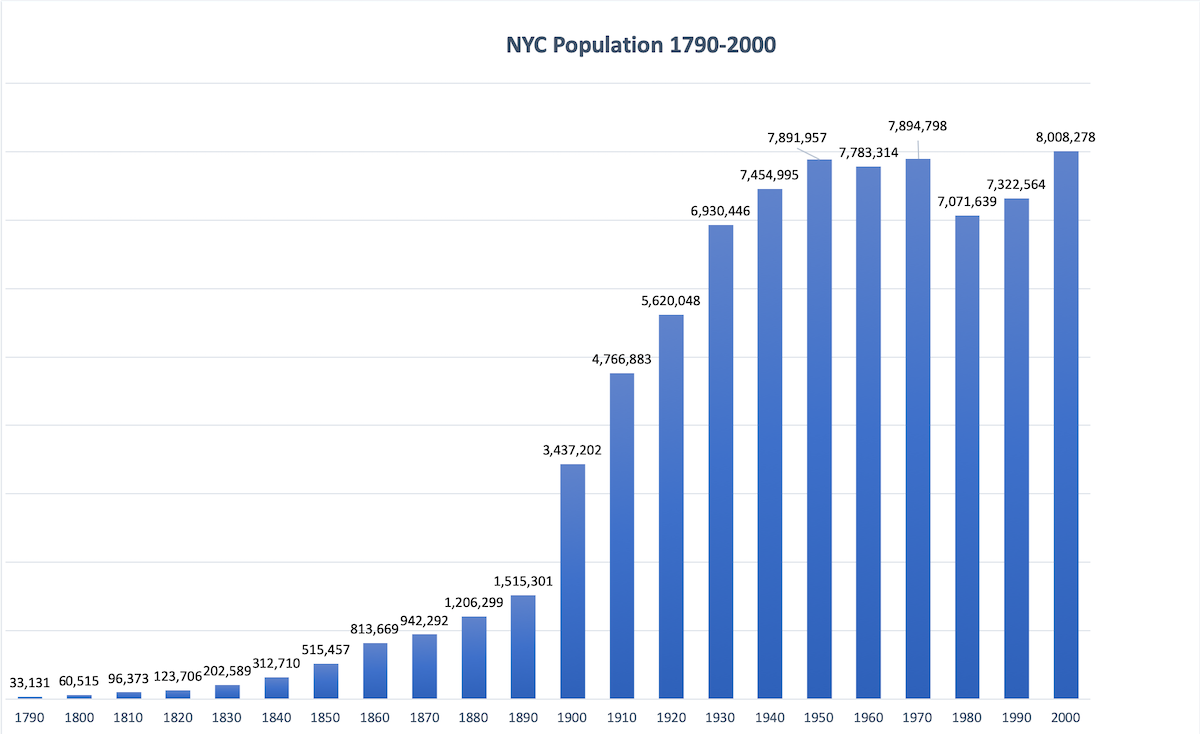
At its core, New York City is a city of superlatives, and its population is certainly one of them. It is the most populous city in the United States, a distinction it has held for well over a century. While precise figures fluctuate with census updates and ongoing demographic shifts, the city’s population consistently hovers around the 8.5 million mark. This figure represents the official count of residents within the five boroughs, excluding the broader metropolitan area, which extends into neighboring states and encompasses a far greater number of people.
To put this into perspective, imagine an entire nation’s population condensed into a relatively small geographic footprint. This incredible density is what gives New York City its unique pulse. Each person contributes to the vibrant mosaic, creating an environment where cultures collide, ideas flourish, and opportunities are boundless. This density also brings with it significant challenges, particularly in urban planning, transportation, and the provision of essential services, all of which directly impact the visitor experience and the daily lives of residents.
Borough-by-Borough Breakdown: Where the Millions Live
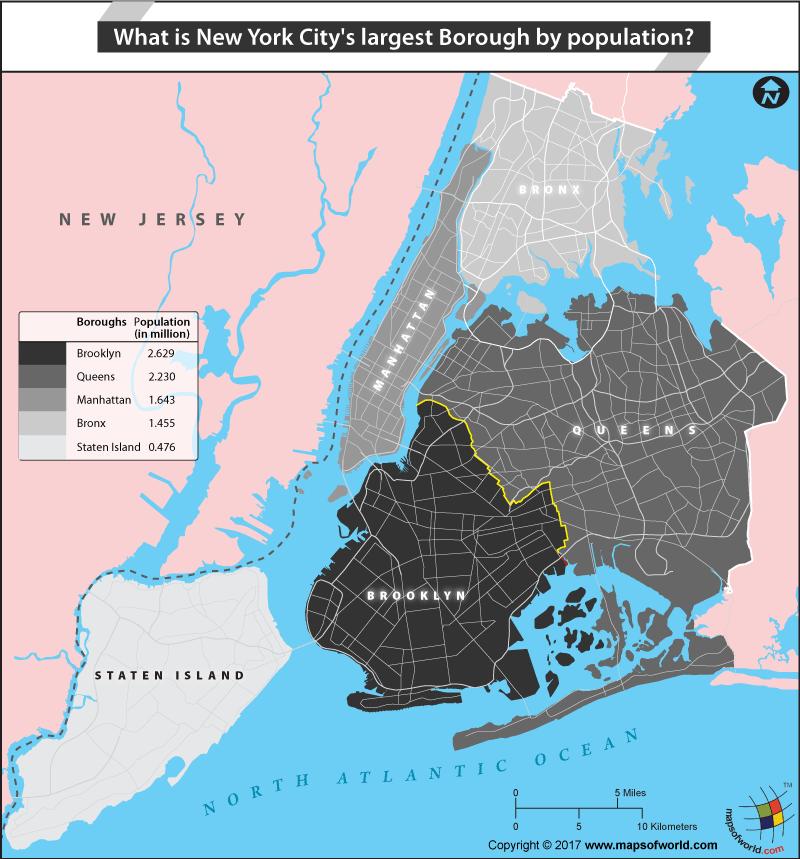
New York City’s population isn’t uniformly distributed; it’s spread across its five distinct boroughs, each with its own character, demographic profile, and charm. Understanding these individual populations helps to paint a more detailed picture of the city’s human landscape.
-
Brooklyn: Often referred to as “King’s County” due to its historical significance, Brooklyn is the most populous borough, home to over 2.7 million residents. Its diverse neighborhoods, from the historic brownstones of Park Slope to the artistic enclaves of Bushwick, offer a rich blend of cultures and lifestyles. Its population density rivals that of Manhattan in many areas, driving demand for innovative accommodation options and contributing significantly to the city’s cultural vibrancy. For travelers, Brooklyn offers distinct experiences, from exploring Dumbo to relaxing in Prospect Park.
-
Queens: As the largest borough by area, Queens boasts a population of approximately 2.3 million. It is renowned for being the most ethnically diverse urban area in the world, a true melting pot where over 130 languages are spoken. Neighborhoods like Jackson Heights and Flushing are vivid examples of this global tapestry, offering unparalleled culinary adventures and unique cultural experiences. Its sprawling nature means a variety of residential types, from urban centers like Long Island City to more suburban pockets.
-
Manhattan: Despite its iconic skyline and global renown, Manhattan is actually the third most populous borough, with around 1.6 million residents. However, it is by far the most densely populated, with a staggering concentration of businesses, cultural landmarks, and attractions like the Empire State Building, Times Square, and Central Park. This density profoundly impacts hotels, tourism, and the cost of living, making it a focal point for both luxury and budget travel in New York City.
-
The Bronx: Located north of Manhattan, The Bronx is home to about 1.4 million people. It is the birthplace of hip-hop and boasts significant green spaces, including Pelham Bay Park and the New York Botanical Garden. Its diverse population contributes to a rich cultural scene, often overlooked by mainstream tourism, offering authentic local culture and vibrant community life. Yankee Stadium also draws considerable crowds to the borough.
-
Staten Island: The smallest of the boroughs in terms of population, Staten Island has roughly 490,000 residents. Often considered more suburban in feel, it offers a quieter alternative to the bustling urban core. The free Staten Island Ferry provides stunning views of the Manhattan skyline and the Statue of Liberty, making it a popular, accessible attraction. Its unique character contributes to the wide array of experiences available across New York City.
A Melting Pot of Cultures: Demographic Diversity and Its Impact
The sheer number of people in New York City is impressive, but it’s the incredible diversity within that population that truly defines its character. Over a third of New York City residents are foreign-born, hailing from every corner of the globe. This constant influx of immigrants and migrants, seeking opportunity and a new life, has historically shaped and continues to enrich the city’s unique identity. From the vibrant streets of Chinatown to the flavors of Little Italy, the sounds of Koreatown, and the myriad communities in Queens, the city is a living testament to multiculturalism.
This demographic tapestry isn’t just a statistical curiosity; it’s the engine of the city’s dynamism. It creates an unparalleled blend of local cultures, food, arts, and lifestyles that is a major draw for tourism. For travelers, this means an endless array of authentic experiences, allowing one to “travel the world” without ever leaving the five boroughs.
Culinary Delights and Cultural Enclaves
One of the most immediate and delicious impacts of New York City’s diverse population is its world-class culinary scene. Every nationality and cuisine is represented, from Michelin-starred fine dining to hole-in-the-wall eateries serving generations-old family recipes. Walking through neighborhoods like the Lower East Side, Greenwich Village, or Harlem, one encounters a sensory explosion of international flavors, languages, and traditions. This makes food tours and exploring different ethnic neighborhoods some of the most rewarding activities for visitors.
Beyond food, the cultural enclaves offer unique shopping experiences, festivals, and artistic expressions. Imagine stumbling upon a vibrant Caribbean festival in Brooklyn, or a traditional Lunar New Year parade in Chinatown. These are not just tourist attractions; they are authentic manifestations of the lives and traditions of millions of New Yorkers, contributing to the city’s rich local culture and offering profound experiences for those willing to explore beyond the mainstream.
Population Density and the Urban Experience: Implications for Travel and Tourism
The density resulting from over 8.5 million people sharing a relatively small space creates a distinct urban experience. This is palpable in the city’s energy, its constant movement, and the sheer number of people you encounter daily. For travelers, this means both unparalleled access to attractions and services, but also the need to navigate crowds and understand the rhythm of a bustling metropolis. The population size directly correlates with the scale of the infrastructure required to support it – from its extensive subway system to its numerous hotels and dining establishments.
The high population density necessitates efficient public transportation, making the subway system an integral part of the New York City experience. It connects millions of residents and visitors daily, moving them between boroughs and to iconic destinations like Times Square, the Metropolitan Museum of Art, and Broadway shows. While sometimes crowded, it’s an essential tool for navigating the city and experiencing life like a true New Yorker.
Navigating the Crowds: Tips for Visitors
Understanding the population density is key to making the most of your New York City visit. Popular landmarks such as the Statue of Liberty National Monument, Rockefeller Center, and the Brooklyn Bridge can be incredibly busy, especially during peak tourism seasons. Early mornings or late evenings often provide a more serene experience. Booking tickets for attractions in advance is always a wise tip to avoid long queues, reflecting the constant demand from millions of residents and visitors.
Furthermore, embracing the pedestrian culture is part of the experience. Walking is often the best way to discover hidden gems and soak in the vibrant street life, particularly in areas like SoHo or West Village. Patience and a willingness to go with the flow are invaluable assets when exploring such a densely populated urban environment. The sheer volume of people contributes to the city’s lively atmosphere, but being prepared for crowds can significantly enhance your enjoyment of its many attractions and activities.
Meeting the Demand: Accommodation and Infrastructure for Millions
The significant population of New York City, combined with the millions of annual visitors, creates an enormous demand for accommodation and a robust urban infrastructure. The city’s landscape is dotted with countless hotels, apartments, and resorts, catering to every budget and lifestyle. From historic luxury suites to modern boutique hotels and short-term apartment rentals, the options are as diverse as the city itself.
The constant need for housing and visitor lodging drives innovation in the accommodation sector. New developments like Hudson Yards combine residential, commercial, and hotel spaces, reflecting the city’s continuous growth. For visitors, this means a competitive market, where careful booking and comparison of options are essential to find the best value and location. Reviews are particularly valuable in a city with such a vast array of choices.
Hotel Landscape: From Boutique to Luxury
New York City’s hotel scene is a direct reflection of its diverse population and visitor base. You can find iconic luxury establishments such as The Plaza Hotel overlooking Central Park or the newly renovated Waldorf Astoria New York, offering opulent suites and top-tier amenities for those seeking a premium lifestyle travel experience. For business stays or those preferring modern convenience, large establishments like the New York Marriott Marquis in Times Square provide extensive services.
Beyond these giants, a burgeoning market of boutique hotels in neighborhoods like SoHo, the Meatpacking District, or Greenwich Village caters to guests looking for unique character and localized experiences. Examples like Arlo SoHo or The Ludlow Hotel offer stylish, compact rooms and trendy common areas, perfect for younger travelers or those on a budget travel plan. The population’s transient nature also supports a strong market for long-term stay options, from furnished apartments to extended-stay hotels, demonstrating the city’s capacity to host its massive moving population.
Living the NYC Lifestyle: From Luxury to Budget Travel
The population of New York City is not just a number; it represents millions of individual stories, dreams, and ways of life. This vast demographic spectrum naturally leads to an incredible range of lifestyles and corresponding travel approaches within the city. From the ultra-affluent residents of the Upper East Side to the bohemian artists in Bushwick, the city offers a universe of options, ensuring there’s a New York City experience for everyone.
For those pursuing luxury travel, the city offers exclusive shopping on Fifth Avenue, gourmet dining, private tours of world-class museums like the Museum of Modern Art, and stays at renowned hotels such as The St. Regis New York or The Langham New York Fifth Avenue. These experiences cater to a segment of the population and visitors accustomed to the highest standards of service and exclusivity.
NYC for Every Traveler
Conversely, New York City is remarkably accessible for those on a budget travel plan. Its extensive public transportation, plethora of free attractions (like the Staten Island Ferry or walking the High Line), and diverse food scene with affordable options make it feasible to experience the city without breaking the bank. Hostels and value-oriented hotels like Moxy NYC Times Square provide ample accommodation choices.
Families can find numerous kid-friendly activities, from exploring Central Park to visiting the American Museum of Natural History, making family trips a popular option. For business stays, Lower Manhattan offers convenient access to Wall Street and financial institutions, with hotels like Conrad New York Downtown catering specifically to corporate travelers. The sheer scale of New York City’s population ensures that virtually every niche and preference is catered to, solidifying its status as a truly universal destination.
In conclusion, the question “What is the population of New York City?” delves deeper than a simple statistical answer. It unravels the story of a dynamic, multicultural metropolis, where millions converge to create an unparalleled urban experience. This immense human scale impacts everything from the city’s physical infrastructure and accommodation options to its vibrant cultural tapestry and the diverse lifestyles it supports. For travelers, it means a city brimming with possibilities, demanding exploration and offering rewards that are as boundless as its population itself.
LifeOutOfTheBox is a participant in the Amazon Services LLC Associates Program, an affiliate advertising program designed to provide a means for sites to earn advertising fees by advertising and linking to Amazon.com. Amazon, the Amazon logo, AmazonSupply, and the AmazonSupply logo are trademarks of Amazon.com, Inc. or its affiliates. As an Amazon Associate we earn affiliate commissions from qualifying purchases.