
New York City, often heralded as the “Capital of the World,” is more than just a collection of iconic skyscrapers and bustling streets; it is a vibrant mosaic of cultures, dreams, and human experiences. At the heart of its unparalleled dynamism lies its population – a colossal and ever-shifting figure that shapes every aspect of life, travel, and commerce within its five famous boroughs. Understanding the sheer scale of its inhabitants is fundamental to grasping the city’s unique energy, its challenges, and its boundless opportunities for visitors and residents alike. This article delves into the demographic realities of New York City, exploring not just the numbers, but how they influence everything from its legendary landmarks and diverse culinary scene to the complex web of accommodations and unforgettable travel experiences it offers.

The Metropolis and Its Millions: A Demographic Overview
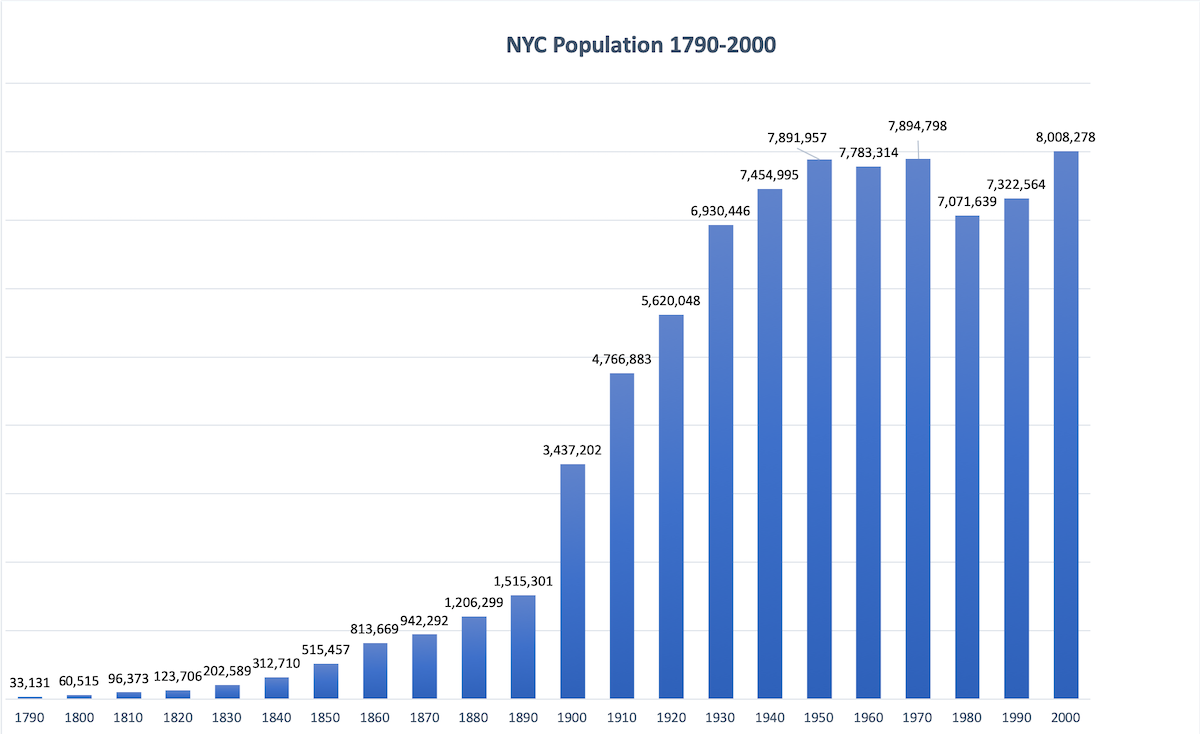
To truly appreciate New York City, one must first grapple with its immense population. While exact figures fluctuate daily due to births, deaths, and migration, the estimated resident population consistently hovers around 8.5 million to 8.8 million people, making it the most populous city in the United States by a significant margin. This figure represents the permanent residents, but it doesn’t account for the hundreds of thousands of daily commuters, tourists, and transient visitors who swell the city’s daytime population, especially in commercial hubs like Manhattan. This extraordinary concentration of people within a relatively compact urban footprint creates a density that is almost unmatched globally, profoundly impacting the city’s infrastructure, housing, and the very fabric of its daily life.
A Snapshot of Density and Diversity
The density of New York City is staggering. With over 28,000 residents per square mile, areas like Manhattan soar to even higher concentrations, making it one of the densest urban areas in the world. This density is a double-edged sword: it fosters unparalleled cultural exchange, innovation, and an inexhaustible array of services and entertainment options, but it also presents challenges in terms of space, cost of living, and resource management.
What truly sets New York City’s population apart is its incredible diversity. It is a melting pot in the truest sense, with residents hailing from virtually every country on Earth, speaking over 800 languages – making it the most linguistically diverse city in the world. This demographic richness translates into a kaleidoscopic cultural landscape, where distinct neighborhoods showcase the traditions, cuisines, and arts of various ethnic groups. From the historic streets of Chinatown and Little Italy to the vibrant communities of Harlem and the myriad enclaves across Queens, the city is a living museum of global cultures, offering an authentic experience of the world without ever leaving its borders.
The Five Boroughs: A Mosaic of Communities
The total population figure is distributed across five distinct boroughs, each with its own character, history, and demographic makeup:
- Manhattan: The iconic heart of New York City, home to approximately 1.6 to 1.7 million residents. It is the densest and most famous borough, a global center for finance, culture, and entertainment. Its towering skyscrapers, luxury hotels, and world-renowned landmarks like Times Square and Central Park are magnets for both residents and millions of tourists.
- Brooklyn: With a population exceeding 2.6 million, Brooklyn is New York City’s most populous borough and a cultural powerhouse in its own right. Known for its vibrant neighborhoods, brownstone-lined streets, thriving arts scene, and diverse culinary landscape, it offers a more laid-back yet equally dynamic alternative to Manhattan.
- Queens: Home to over 2.3 million people, Queens is the largest borough by area and often considered the most ethnically diverse urban area in the world. Its vast array of neighborhoods each boast distinct cultural identities, offering an incredible range of authentic international cuisines and experiences.
- The Bronx: With a population of over 1.4 million, The Bronx is the birthplace of hip-hop and boasts numerous green spaces, including the sprawling Van Cortlandt Park and the Bronx Zoo. It is a borough rich in history and community spirit.
- Staten Island: The least populous borough, with approximately 470,000 residents, Staten Island offers a quieter, more suburban feel. It is famously accessible via the iconic Staten Island Ferry, which provides breathtaking views of the Manhattan skyline and the Statue of Liberty.
These populations are not static; they are in constant flux, shaped by birth rates, death rates, and the ebb and flow of migration. The city remains a magnet for immigrants and internal migrants seeking economic opportunities, cultural experiences, and a chance to be part of the “American Dream.” This continuous infusion of new blood contributes significantly to New York City’s enduring vitality and its ever-evolving identity.
Population Dynamics: Shaping New York’s Travel and Tourism Landscape
The massive population of New York City isn’t just a statistical fact; it’s a fundamental force that molds the city’s travel and tourism industry. The sheer number of residents, combined with millions of annual visitors, creates an unparalleled demand for everything from transportation and dining to entertainment and accommodation. This dynamic environment is what gives New York City its electrifying buzz, but also necessitates careful planning for anyone looking to explore its wonders.
Iconic Landmarks and Crowds: A Balancing Act
New York City’s iconic landmarks are globally recognized symbols, drawing millions of tourists each year. From the glittering billboards of Times Square to the historic majesty of the Statue of Liberty and the panoramic views from the Empire State Building, these attractions are perpetually busy. The resident population itself contributes to the daily foot traffic, especially in popular parks like Central Park or along architectural marvels like the Brooklyn Bridge.
For travelers, this means experiences can often involve crowds and queues. However, smart planning can mitigate this. Visiting during off-peak hours, utilizing timed entry tickets for museums like The Metropolitan Museum of Art or the Museum of Modern Art (MoMA), or exploring lesser-known but equally captivating neighborhoods can enhance the travel experience. The constant flow of people ensures that attractions are open late, events are always happening, and there’s a perpetual energy that makes even mundane activities feel exciting. This high demand also supports a robust tourism infrastructure, with a plethora of guided tours, experience packages, and specialized services designed to cater to every visitor’s interest.
Navigating the Urban Jungle: Transport and Efficiency
A population of nearly 9 million, augmented by daily commuters and tourists, necessitates a highly efficient and extensive transportation network. New York City’s subway system, one of the largest and oldest in the world, is the city’s circulatory system, moving millions of people daily across the boroughs. While it can be crowded, especially during peak hours, it is an indispensable tool for residents and tourists alike, offering an affordable and often faster way to traverse the city than surface traffic. Buses, taxis, ride-sharing services, and the iconic Staten Island Ferry further supplement this network.
For tourists, mastering the subway is often part of the authentic New York City experience. It allows for independent exploration, connecting visitors directly to major attractions, diverse neighborhoods, and hidden gems. The efficiency of this system is a direct response to the population’s demands, demonstrating how the city adapts its infrastructure to accommodate its vast human scale.
Accommodation in a Crowded City: Navigating Choices for Every Visitor
The sheer volume of people in New York City profoundly influences its accommodation landscape. With millions of residents and millions of annual visitors vying for space, finding the right place to stay – whether for a short luxury trip, a budget-conscious adventure, or an extended business stay – requires understanding the city’s unique market. The high demand drives both innovation in hospitality and a higher price point compared to many other cities, making thoughtful booking crucial.
Luxury Stays and Boutique Experiences
For those seeking unparalleled luxury and service, New York City’s hotel scene is second to none. The density of high-net-worth individuals, international business travelers, and affluent tourists supports a thriving market of opulent hotels and resorts. Iconic establishments like The Plaza Hotel, situated majestically overlooking Central Park, or the contemporary elegance of the Four Seasons Hotel New York Downtown near Wall Street, offer world-class amenities, gourmet dining, and concierge services designed to cater to every whim. These establishments are often landmarks in themselves, embodying the city’s aspirational lifestyle. Boutique hotels also flourish, providing unique, design-led experiences in neighborhoods like Greenwich Village or SoHo, appealing to travelers looking for personalized service and local charm. The competition among these hotels is fierce, constantly pushing them to innovate and provide exceptional experiences for their discerning clientele.
Budget-Friendly Options and Extended Stays
Despite its reputation for high prices, New York City also offers a surprising array of options for budget travelers and those looking for longer-term accommodation. Hostels, once rare, have become more prevalent, particularly in Brooklyn and parts of Manhattan, providing communal, cost-effective lodging for backpackers and young adventurers. For extended stays, serviced apartments and aparthotels offer a home-away-from-home experience with amenities like kitchens and laundry facilities, ideal for business travelers or families.
The burgeoning popularity of short-term rentals has also expanded options, though regulations can vary. Comparison websites and early booking are essential strategies for securing affordable and suitable accommodation in such a competitive market. The key is to look beyond the immediate vicinity of major tourist hubs and consider staying in well-connected neighborhoods in Brooklyn or Queens, which often offer better value while remaining just a short subway ride from Manhattan’s attractions. This diverse range of choices is a direct reflection of the city’s vast and varied population, which includes everyone from high-flying executives to students and artists, all needing a place to call home, however temporarily.
Lifestyle in the Urban Sprawl: Culture, Food, and Community
The population of New York City isn’t just a number; it is the living, breathing essence that generates the city’s unparalleled lifestyle. This immense and diverse populace fuels an artistic ferment, a culinary revolution, and a vibrant community spirit that is unmatched globally. Every aspect of daily life, from a morning coffee run to a late-night show, is infused with the energy and influence of its millions of inhabitants.
A Culinary Journey: The World on Your Plate
New York City is unequivocally a global food capital, and this status is intrinsically linked to its diverse population. With residents hailing from every corner of the globe, the city’s culinary scene is a mirror reflecting its demographics. You can find authentic Ethiopian injera in The Bronx, Michelin-starred sushi in Manhattan, vibrant Caribbean flavors in Brooklyn, and an astounding array of Asian cuisines across Queens. From high-end dining establishments to bustling street food vendors, the options are limitless. This culinary diversity is not just for tourists; it is a fundamental part of the residents’ daily lives, fostering a culture of adventurous eating and constant innovation. Food markets, local delis, and ethnic restaurants serve as vital community hubs, offering a taste of home for immigrants and an enriching cultural experience for everyone else.
Arts, Culture, and Entertainment
The sheer concentration of people in New York City ensures an inexhaustible demand for arts, culture, and entertainment. This is where the city truly comes alive. Broadway stands as the pinnacle of live theater, drawing millions to its glittering marquees. Beyond Broadway, an endless array of off-Broadway and independent theater companies thrive, offering experimental and avant-garde productions.
Museums abound, catering to every interest. The Metropolitan Museum of Art and the Museum of Modern Art house world-renowned collections, while countless smaller galleries in neighborhoods like Chelsea or the Lower East Side showcase emerging artists. Music venues, from intimate jazz clubs in Greenwich Village to grand concert halls like Carnegie Hall and Radio City Music Hall, offer live performances every night of the week. This vibrant cultural ecosystem is sustained by both the city’s vast resident population – which provides the artists, the audiences, and the patrons – and the millions of tourists eager to immerse themselves in New York City’s legendary entertainment scene. The pace is relentless, the choices overwhelming, and the quality often exceptional, making New York City a dream destination for culture vultures.

Future Projections and Sustainable Tourism
As New York City continues to grow and evolve, its population remains a critical factor in urban planning and sustainable development. Projections indicate a continued, albeit slower, increase in residents over the coming decades, posing ongoing challenges and opportunities related to housing, infrastructure, and environmental impact. The city is constantly investing in its public transportation, expanding green spaces, and developing more resilient infrastructure to support its expanding population and address the impacts of climate change.
For the tourism industry, understanding these dynamics is key. Sustainable tourism practices are becoming increasingly important, encouraging visitors to explore beyond the most crowded landmarks, engage with local communities, and respect the city’s delicate balance. This includes promoting responsible travel, supporting local businesses, and minimizing environmental footprints. The sheer volume of people in New York City means that even small individual actions can have a collective impact, making conscious tourism a vital component of the city’s future. The vision for New York City is one where its dynamic population continues to thrive, contributing to a vibrant urban experience that is both exciting and sustainable for generations to come.
In conclusion, the population of New York City is far more than a mere statistic; it is the very soul of the city. This astounding concentration of humanity fuels its economic engine, inspires its cultural output, shapes its physical form, and defines the unique experiences it offers. For any traveler or prospective resident, understanding the scale and diversity of New York City’s population is the first step towards truly appreciating this magnificent metropolis. It is a city that vibrates with human energy, a place where millions of stories unfold daily, creating an urban tapestry that is endlessly fascinating and utterly unforgettable.
LifeOutOfTheBox is a participant in the Amazon Services LLC Associates Program, an affiliate advertising program designed to provide a means for sites to earn advertising fees by advertising and linking to Amazon.com. Amazon, the Amazon logo, AmazonSupply, and the AmazonSupply logo are trademarks of Amazon.com, Inc. or its affiliates. As an Amazon Associate we earn affiliate commissions from qualifying purchases.