
New York City, a global metropolis renowned for its iconic skyline, vibrant cultural scene, and unparalleled economic dynamism, is home to a population that consistently ranks among the largest in the United States. Understanding the population of New York City provides crucial context for appreciating its scale, diversity, and the intricate tapestry of life that unfolds within its five boroughs. This dynamic demographic landscape is not static but rather a constantly evolving entity shaped by immigration, internal migration, and natural growth, influencing everything from urban planning and resource allocation to the very spirit of the city.

The Evolving Demographic Landscape
The population of New York City has seen significant shifts throughout its history, from its early days as a colonial settlement to its current status as a global hub. These changes reflect broader national and international trends, including waves of immigration, economic opportunities, and evolving social dynamics.
Historical Population Growth
From its inception, New York City has been a magnet for people seeking new beginnings. The 19th century, in particular, witnessed an explosive growth fueled by massive influxes of immigrants from Europe, most notably from Ireland during the Great Famine and from Germany. These new arrivals, along with subsequent waves from Italy, Eastern Europe, and later from Asia and Latin America, transformed the city into a melting pot of cultures and languages. The 20th century saw continued expansion, with periods of both rapid growth and some decline, influenced by factors such as suburbanization and economic downturns. However, the city has consistently rebounded, demonstrating remarkable resilience.
Current Population Estimates
As of the latest available data, the population of New York City hovers around 8.8 million people. This figure represents the official census count and various demographic projections. This immense population makes it the most populous city in the United States, far exceeding other major urban centers. The sheer density of residents within its approximately 300 square miles is astounding, contributing to the city’s energetic and sometimes frenetic atmosphere.
Breakdown by Borough
The population is not evenly distributed across the city’s five boroughs, each possessing its own distinct character and demographic profile:
- Manhattan: While often perceived as the heart of the city and its primary business and cultural hub, Manhattan is not the most populous borough. It is densely populated, however, with a significant number of residents living and working in close proximity.
- Brooklyn: This borough is the most populous in New York City, boasting a diverse and rapidly evolving population. Its distinct neighborhoods offer a rich mosaic of cultures and lifestyles.
- Queens: The largest borough by land area, Queens is also incredibly diverse ethnically and linguistically, often cited as the most diverse urban area in the world. It is the second most populous borough.
- The Bronx: Known as the birthplace of hip-hop, The Bronx is a borough with a strong sense of community and a rich cultural heritage. It is the third most populous borough.
- Staten Island: Often referred to as the “forgotten borough,” Staten Island offers a more suburban feel and is the least populous of the five boroughs.
The Impact of Immigration
Immigration has been, and continues to be, a defining characteristic of New York City’s population. The city has a long-standing tradition of welcoming people from all corners of the globe, creating a vibrant multicultural environment. Today, a significant portion of New York City’s population is foreign-born, contributing a wealth of perspectives, traditions, and economic contributions. Neighborhoods across the city, from Jackson Heights in Queens to Washington Heights in Manhattan, reflect this rich diversity, with distinct enclaves where languages, cuisines, and cultural practices from around the world thrive.
Understanding the Scale and Density
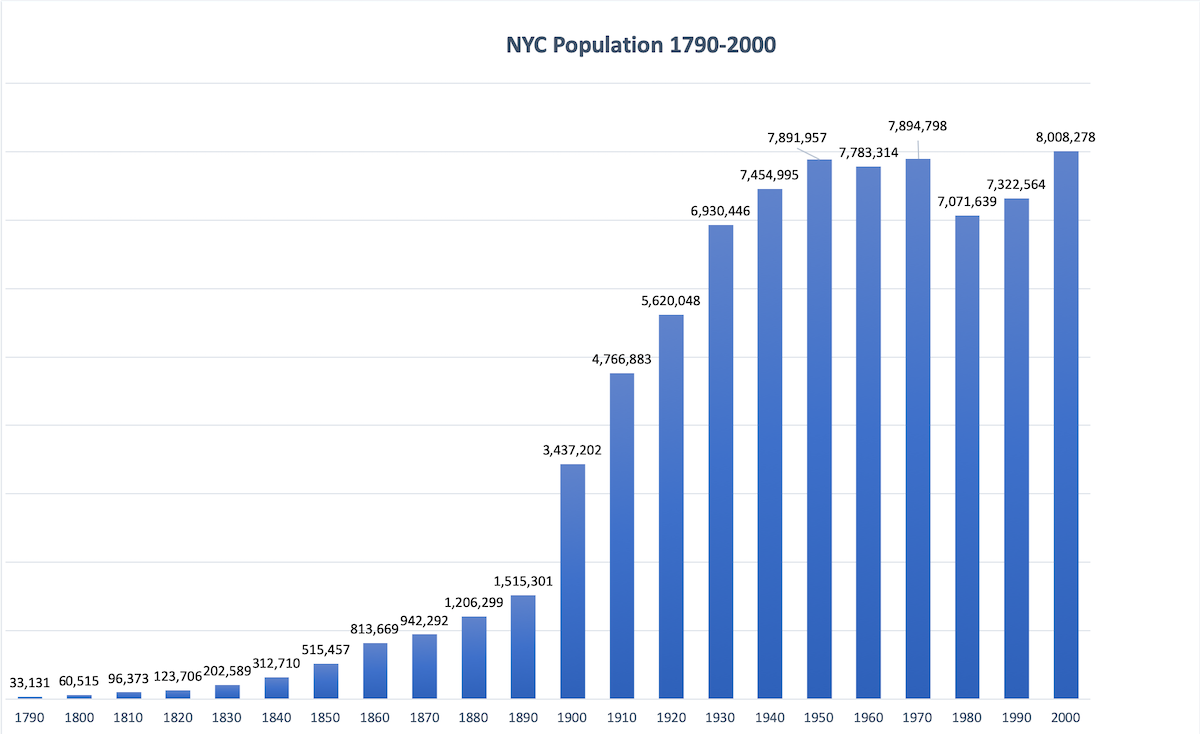
The sheer scale of New York City’s population translates into an unparalleled level of density. This concentration of people has profound implications for the city’s infrastructure, services, and daily life for its residents.
Population Density Metrics
New York City boasts one of the highest population densities of any major city in the world. This density is not uniform, with certain neighborhoods in Manhattan, such as Koreatown and parts of the Upper East Side, experiencing exceptionally high concentrations of residents. This intensity of urban living shapes everything from public transportation usage and housing markets to the availability of green spaces and the pace of daily life.
Implications for Urban Living
The high population density has several key implications for urban living in New York City:
- Public Transportation Reliance: With millions of people navigating the city daily, public transportation systems, most notably the New York City Subway and its extensive bus network, are essential lifelines. The MTA, responsible for these services, operates one of the busiest public transit systems in the world, moving millions of passengers each day.
- Housing Markets: The demand for housing in New York City is consistently high, driven by its large population and its status as a global center for finance, fashion, arts, and media. This demand contributes to a competitive and often expensive housing market, with a wide range of housing options from luxury high-rises to walk-up apartments and brownstones.
- Resource Management: Managing essential resources such as water, electricity, waste disposal, and sanitation for such a vast population requires sophisticated infrastructure and continuous planning. The city’s water supply, primarily sourced from upstate reservoirs, is a marvel of engineering designed to meet the needs of millions.
- Cultural Vibrancy: The concentration of people from diverse backgrounds fuels an unparalleled cultural scene. From world-class museums like the Metropolitan Museum of Art and the Museum of Modern Art to a thriving theater district in Times Square and countless galleries, performance venues, and culinary establishments, the city offers an endless array of experiences.
Demographic Trends and Future Outlook
The population of New York City is not just large; it is also dynamic, with ongoing demographic shifts that will shape its future character.
Age and Diversity
New York City is characterized by a relatively young median age compared to the national average, partly due to its appeal to young professionals and students. However, like many major global cities, it also faces the demographic trend of an aging population. The ethnic and racial diversity of New York City is a defining feature. While historically dominated by European immigrant groups, the city’s demographics have become increasingly diverse, with significant populations of Hispanic/Latino, Black/African American, and Asian residents. This diversity is projected to continue, with ongoing immigration and natural growth among various ethnic groups contributing to an ever-evolving cultural mosaic.
Economic Factors and Migration
Economic opportunities have historically been a primary driver of population movement to and within New York City. As a global hub for finance, technology, media, and the arts, the city continues to attract talent from across the nation and the world. However, economic conditions, including the cost of living and job market dynamics, also influence outward migration. Understanding these economic factors is crucial for forecasting population changes. The city’s economic resilience, coupled with its unparalleled offerings in various professional fields, generally ensures a continuous influx of new residents.

Challenges and Opportunities
The substantial population of New York City presents both significant challenges and unique opportunities. The challenges include addressing issues of affordable housing, traffic congestion, public health, and ensuring equitable access to services and opportunities for all residents. However, the sheer concentration of human capital, creativity, and diverse perspectives also represents an immense asset. This dense, dynamic population fosters innovation, drives economic growth, and sustains the city’s reputation as a global leader in culture, commerce, and ideas. As New York City continues to evolve, understanding its population dynamics is key to navigating its complex urban landscape and appreciating the vibrant life within its boundaries.
LifeOutOfTheBox is a participant in the Amazon Services LLC Associates Program, an affiliate advertising program designed to provide a means for sites to earn advertising fees by advertising and linking to Amazon.com. Amazon, the Amazon logo, AmazonSupply, and the AmazonSupply logo are trademarks of Amazon.com, Inc. or its affiliates. As an Amazon Associate we earn affiliate commissions from qualifying purchases.