
New York, often dubbed the “Empire State,” is one of the most populous and influential states in the United States. When people inquire about the population of New York, they are often referring to New York City, the vibrant metropolis that serves as a global epicenter for finance, culture, fashion, and media. However, understanding the population of New York involves recognizing both the immense concentration within its largest city and the diverse communities spread across the entire state. As of the most recent estimates, the state of New York boasts a population exceeding 19 million residents, making it one of the largest states by population. Within this vast number, New York City alone accounts for over 8 million people, solidifying its status as the most populous city in the United States.

This staggering population figure is not merely a statistic; it is the very heartbeat of what makes New York a dynamic and unparalleled destination for travelers, a hub for diverse lifestyles, and a challenging yet rewarding landscape for accommodation providers. The sheer density and diversity of its residents shape every facet of life, from the bustling streets of Manhattan to the serene vineyards of Long Island, and from the historic charm of Brooklyn to the scenic beauty of the Adirondacks. For anyone planning a visit, considering a long-term stay, or simply curious about what drives this global powerhouse, understanding its population is the first step to unlocking its intricate appeal.
A Demographic Tapestry: Understanding New York’s Numbers
The population of New York is far more than just a numerical count; it is a rich tapestry woven from countless cultures, stories, and ambitions. This diversity is most pronounced in New York City, a city famed for its multiculturalism and immigrant heritage. Historically, New York has been a gateway to the United States for generations of immigrants, a legacy vividly encapsulated by landmarks like Ellis Island. This constant influx and integration of people from every corner of the globe have created a vibrant mosaic that defines the state’s character and significantly impacts its tourism and lifestyle offerings.
The City That Never Sleeps: Population Density and Urban Life
The density of New York City’s population is extraordinary. Manhattan, the smallest but most iconic of the five boroughs, is one of the most densely populated areas in the world. This high concentration of people fuels the relentless energy for which the city is famous. Every street, every subway car, and every public space hums with activity, a direct consequence of millions of people living, working, and pursuing their dreams within a confined geographical area. This density translates into a unique urban experience for visitors, characterized by a dizzying array of options for dining, entertainment, and shopping available at almost any hour. It also means that even mundane activities become an observation of human diversity and interaction.
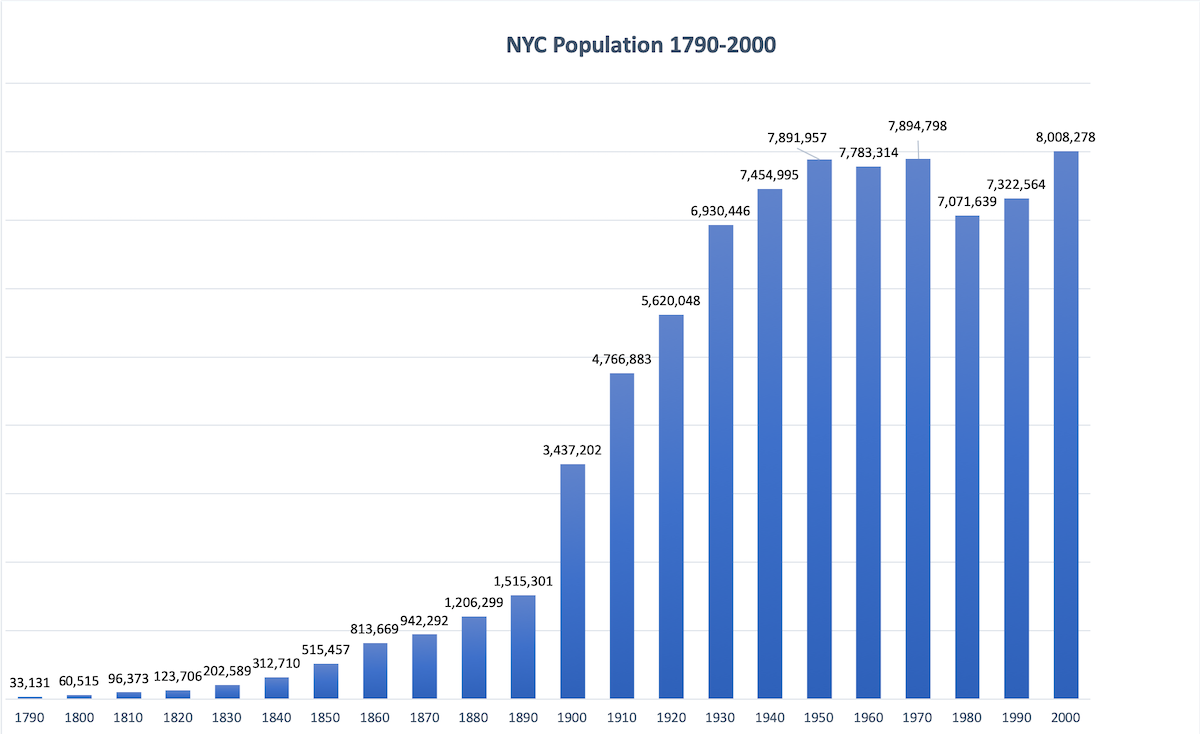
Beyond Manhattan, the other boroughs—Brooklyn, Queens, The Bronx, and Staten Island—each contribute to the overall population and possess their own distinct identities and communities. Brooklyn, for instance, has a population exceeding that of many major American cities, boasting a thriving arts scene, diverse neighborhoods, and a rapidly growing culinary landscape. Queens is renowned as one of the most ethnically diverse urban areas in the world, where literally hundreds of languages are spoken, creating an unparalleled global microcosm. This distribution of population across the boroughs offers varied experiences for travelers, from the trendy streets of Williamsburg to the authentic ethnic enclaves of Flushing.
A Mosaic of Cultures: Diversity and Its Impact
The cultural diversity stemming from New York’s population is arguably its greatest asset, profoundly influencing local culture, food, and activities. Walking through neighborhoods like Chinatown, Little Italy, or Harlem, visitors can experience distinct traditions, languages, and culinary delights, all within the confines of one city. This cultural richness ensures that there’s always something new to discover, whether it’s an obscure art gallery, a hidden gem restaurant, or a vibrant street festival. For tourists, this means a chance to explore a multitude of global experiences without ever leaving the state. The diverse populace also means that unique cultural events, music genres, and artistic expressions flourish, offering an endless calendar of engaging activities. This human mosaic provides an incredible backdrop for authentic travel experiences, allowing visitors to delve deeper into local life and traditions, far beyond typical tourist traps.
The Population’s Influence on Travel and Tourism
The sheer volume and diversity of New York’s population are primary drivers of its booming travel and tourism industries. Millions of residents not only contribute to the vibrant atmosphere that attracts visitors but also create a robust infrastructure to support them. From the extensive public transportation network to the world-class museums and entertainment venues, the city is designed to cater to a large, dynamic populace, which in turn benefits tourists immensely. This symbiotic relationship ensures a constant evolution of attractions, services, and experiences, making New York a perpetually fresh destination.
Fueling the Hospitality Industry: Hotels and Accommodation
With a population of over 8 million in New York City alone, and millions more visiting annually, the demand for accommodation is consistently high. This drives a highly competitive and innovative hospitality sector. The city offers an incredible array of options, from luxurious suites in iconic establishments like the Grand Hyatt Hotel or the Ritz-Carlton New York to trendy boutique hotels, budget-friendly hostels, and extended-stay apartments. The variety caters to every type of traveler, whether they are seeking lavish amenities for luxury travel, cost-effective solutions for budget travel, or comfortable spaces for family trips or business stays.
The dense population also means that real estate is at a premium, influencing hotel pricing and the rise of alternative accommodation options. Beyond traditional hotels, platforms like Airbnb have seen significant growth, offering visitors the chance to experience local neighborhoods more intimately by staying in apartments or villas. Understanding the local population’s needs and patterns is crucial for accommodation providers, who constantly innovate to offer unique experiences, such as themed suites, wellness resorts, or co-living spaces designed for digital nomads. Comparing booking options and reading reviews becomes essential for securing the ideal stay in a city with such diverse offerings, all shaped by the pervasive demand generated by its inhabitants and visitors.

A Culinary Capital and Cultural Hub
New York’s diverse population makes it an unrivaled culinary capital. With residents hailing from virtually every country on earth, the food scene is a testament to global flavors and innovative fusion. From Michelin-starred restaurants to humble food trucks, from authentic ethnic eateries in Queens to cutting-edge gastronomical experiences in Manhattan, the choices are endless. This culinary richness is a direct result of the population’s varied backgrounds and palates, ensuring that every craving can be satisfied, and new taste sensations are always just around the corner. Food is not just sustenance in New York; it is a core component of the cultural experience, a way to explore different traditions and connect with the city’s global identity.
Beyond food, the population also fuels New York’s status as a premier cultural hub. The sheer number of artists, musicians, writers, and performers who call New York home contributes to its unparalleled array of museums, theaters, galleries, and live music venues. The Metropolitan Museum of Art, the vibrant energy of Broadway, and countless smaller independent theaters and music clubs thrive on both the local talent and the appreciative audience provided by the dense population. These cultural institutions and activities are not just attractions for tourists but are integral to the daily lives and identities of New Yorkers, creating a truly immersive and authentic cultural experience for anyone visiting.
Navigating New York: Lifestyle and Landmarks
The lifestyle in New York is as varied as its population. From the relentless pace of a finance professional on Wall Street to the bohemian rhythm of an artist in Greenwich Village, the city offers a spectrum of ways to live and experience life. This diverse lifestyle ecosystem is intricately linked to the city’s landmarks and attractions, which serve as both tourist magnets and integral parts of everyday New Yorker life.
From Budget-Friendly to Luxury Escapes
The sheer size of New York’s population ensures that there are lifestyle options for every budget and preference. For luxury travelers, New York offers exclusive shopping on Fifth Avenue, fine dining experiences, and opulent stays in five-star resorts. The city caters to those seeking an indulgent escape, with high-end spas, private tours, and VIP access to events. Conversely, for those on a budget, New York remains remarkably accessible. Free attractions like walking the Brooklyn Bridge, exploring Central Park, or riding the Staten Island Ferry past the Statue of Liberty offer unforgettable experiences without breaking the bank. The city’s extensive public transportation system, affordable eateries, and numerous free cultural events make budget travel not only possible but enriching.
For families, the city provides a multitude of attractions, from world-class museums to interactive exhibits and vast parks. Business travelers find themselves in a global commerce hub, with state-of-the-art convention centers and hotels equipped for every professional need. The dynamic population supports all these niches, creating a market for specialized tours, themed experiences, and guides tailored to specific interests, ensuring that every visitor can curate their ideal New York adventure.
Iconic Landmarks Amidst the Bustle
New York’s iconic landmarks are not just static structures; they are living testaments to its history and the aspirations of its people. The Empire State Building, Times Square, and the Statue of Liberty are instantly recognizable symbols of the city, attracting millions of tourists annually. Yet, these landmarks are also interwoven into the fabric of daily life for New Yorkers. Central Park, for example, is a verdant oasis for joggers, picnickers, and concert-goers, a natural retreat amidst the urban density. The Brooklyn Bridge is a vital commuter link, while also offering breathtaking views for tourists.
Other significant sites like the September 11 Memorial & Museum at the World Trade Center serve as powerful reminders of historical events, drawing both local reflection and global remembrance. The architecture throughout the city, from historic brownstones to gleaming modern skyscrapers, tells a story of constant evolution, driven by the needs and ambitions of its growing population. The development of new public spaces, such as the High Line, repurposes old infrastructure into vibrant urban parks, reflecting the city’s innovative spirit and its continuous adaptation to its dense environment. Visiting these famous places offers a glimpse into the history and spirit of a city perpetually shaped by its human inhabitants.
The Future of New York’s Population and Its Global Appeal
Looking ahead, the population dynamics of New York will continue to be a fascinating subject and a key factor in its global appeal. While growth rates may fluctuate, the fundamental draw of New York as a place of opportunity, diversity, and cultural richness remains strong. Factors such as economic shifts, immigration policies, and urban planning initiatives will influence how the population evolves, but its core identity as a melting pot is likely to endure.
The ongoing vibrancy of New York’s population ensures its continued prominence as a top travel destination. As demographic patterns shift, so too will the nuances of its local culture, culinary scene, and lifestyle offerings, presenting new opportunities for unique experiences. The city’s ability to constantly reinvent itself, fueled by the energy and creativity of its residents, is its greatest strength. Whether it’s the construction of new architectural marvels around Rockefeller Center or the emergence of new cultural neighborhoods along the Hudson River and East River, New York remains a beacon of progress and adaptation. Its population, a diverse amalgam from Europe, Asia, Africa, South America, and the Caribbean, guarantees that it will forever be a place where the world converges, offering an unmatched depth of experience for anyone who steps foot within its borders. Understanding “What is the population of New York?” is therefore not just about a number, but about appreciating the living, breathing force that shapes one of the world’s most iconic and dynamic destinations.
LifeOutOfTheBox is a participant in the Amazon Services LLC Associates Program, an affiliate advertising program designed to provide a means for sites to earn advertising fees by advertising and linking to Amazon.com. Amazon, the Amazon logo, AmazonSupply, and the AmazonSupply logo are trademarks of Amazon.com, Inc. or its affiliates. As an Amazon Associate we earn affiliate commissions from qualifying purchases.