
Understanding the demographic landscape of a state is crucial for anyone considering a move, planning a visit, or simply seeking to grasp the pulse of a region. The question “What Is The Population Of Oregon State?” delves into the human geography of this Pacific Northwest gem, revealing a dynamic and evolving community. While precise figures fluctuate, current estimates place the population of Oregon at over 4.2 million residents. This number, however, is merely a snapshot and doesn’t capture the intricate details of its distribution, growth trends, and the diverse groups that constitute this vibrant state.

The population of Oregon is not uniformly distributed. Instead, it is largely concentrated in a few key metropolitan areas, with a significant portion of residents living along the I-5 corridor. This north-south artery of the state is home to its largest cities and economic hubs, shaping where people live, work, and interact. Understanding these population centers is vital for appreciating the state’s social fabric and its accessibility for travelers and new residents alike.
Demographics and Growth Trends
The population of Oregon has experienced consistent growth over the decades, driven by a combination of natural increase and in-migration. This growth presents both opportunities and challenges, influencing everything from infrastructure development to the availability of local resources. Examining the demographic breakdown – age, ethnicity, and socioeconomic factors – offers a richer understanding of the state’s current and future trajectory.
Age Distribution
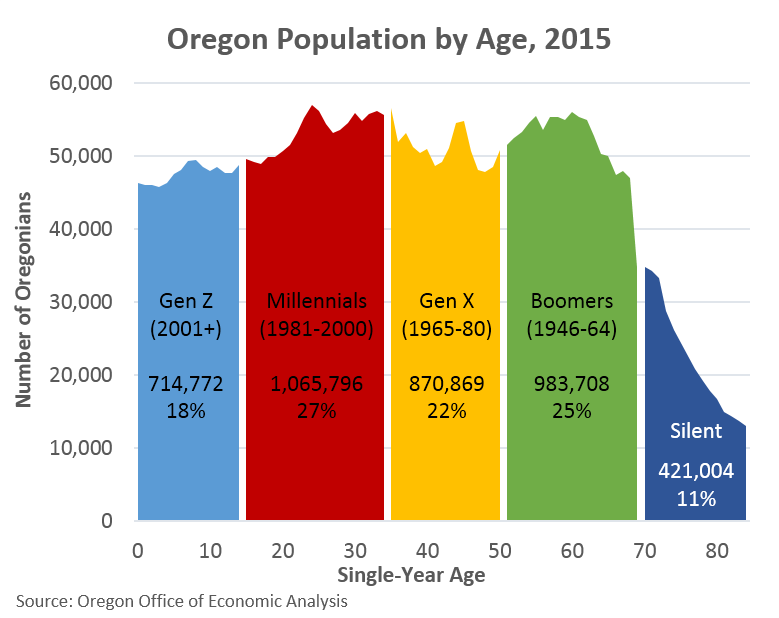
Like many states across the nation, Oregon is experiencing an aging population. The proportion of residents aged 65 and older is steadily increasing, which has implications for healthcare services, retirement communities, and the labor force. Simultaneously, the state continues to attract younger professionals and families, contributing to a diverse age spectrum. This dynamic interplay between different age groups shapes the cultural landscape and the demand for various services and amenities. For instance, the younger demographic fuels innovation and the demand for urban living, while the aging population may seek quieter, more accessible environments, influencing the types of accommodations and activities that are popular in different regions.
Ethnic Diversity
Oregon is becoming increasingly diverse. While historically it was predominantly White, significant shifts in ethnic composition have occurred over the past few decades. The Hispanic or Latino population, in particular, has seen substantial growth, as have Asian and other minority groups. This increasing diversity enriches the cultural tapestry of Oregon, influencing its cuisine, arts, and community events. Cities like Portland and Salem are particularly notable for their diverse populations, offering a vibrant mix of traditions and perspectives. This growing diversity is a key aspect for visitors looking to immerse themselves in the local culture and for businesses seeking to understand their customer base.
Urban vs. Rural Divide
A significant characteristic of Oregon‘s population distribution is the stark contrast between its urban centers and its rural areas. The majority of residents reside in metropolitan areas, primarily in the Willamette Valley, which includes cities like Portland, Salem, and Eugene. These urban areas are centers of economic activity, cultural institutions, and educational opportunities, attracting a large proportion of the state’s population.
In contrast, large swathes of Oregon remain rural, characterized by vast forests, agricultural lands, and smaller towns. These areas often have a lower population density and a different pace of life. While less populated, these rural regions are vital to Oregon‘s identity, contributing significantly to its natural beauty, agricultural output, and outdoor recreation opportunities. For travelers, this dichotomy offers a wide range of experiences, from the bustling urban life of Portland to the serene landscapes of the Oregon Coast or the high desert of Eastern Oregon.
Key Population Centers
To truly understand the population of Oregon, it’s essential to look at its major population centers. These cities are not just points on a map; they are hubs of activity, culture, and economic significance.
Portland: The Urban Heartbeat
Portland, Oregon‘s largest city, is the undisputed population center. With a population well over 650,000 within the city limits and over 2.5 million in its metropolitan area, Portland is the economic, cultural, and social nexus of the state. Known for its vibrant arts scene, innovative culinary landscape, craft breweries, and commitment to sustainability, Portland attracts a diverse array of residents and visitors. Its unique neighborhoods, each with its own character, offer a rich tapestry of experiences, from the independent shops of Hawthorne to the cultural institutions in the downtown core. For tourists, Portland offers an unparalleled concentration of attractions, from world-class restaurants and quirky boutiques to iconic landmarks like Powell’s City of Books and the International Rose Test Garden.
Salem: The State Capital
As the state capital, Salem holds significant administrative and governmental importance. Located in the heart of the Willamette Valley, Salem boasts a population exceeding 175,000. While not as large as Portland, it is a thriving community with a strong agricultural base and a growing economy. Salem offers a more laid-back atmosphere than its northern counterpart, with attractions like the Oregon State Capitol Building, the Salem Saturday Market, and the beautiful Willamette Valley wine country nearby. It serves as a gateway to exploring the agricultural heartland of Oregon and provides a glimpse into the state’s governmental operations.
Eugene: A Hub of Culture and Education
Home to the prestigious University of Oregon, Eugene is a vibrant city with a population nearing 175,000. Known for its strong commitment to environmentalism, its thriving arts and music scene, and its reputation as a runner’s paradise, Eugene has a youthful and energetic vibe. The presence of the university infuses the city with a dynamic intellectual and cultural energy. Visitors to Eugene can explore its numerous parks, visit the Jordan Schnitzer Museum of Art, or catch a performance by the Eugene Symphony. The surrounding landscape also offers abundant opportunities for outdoor recreation, including hiking and biking trails.
Other Notable Areas
Beyond these major cities, Oregon is dotted with numerous smaller cities and towns, each contributing to the state’s unique character. Coastal towns like Astoria and Seaside draw tourists with their maritime history and scenic beauty. Southern Oregon cities like Medford and Ashland are known for their Shakespeare Festival and burgeoning wine regions. Eastern Oregon, with its vast open spaces and dramatic desert landscapes, offers a different kind of appeal, attracting those seeking adventure and solitude in places like Bend, a popular outdoor recreation hub, and Pendleton, famous for its Round-Up rodeo. The population distribution, therefore, paints a picture of a state with distinct regional identities, each offering unique experiences for residents and visitors alike.
Factors Influencing Population Distribution
Several factors have historically shaped, and continue to shape, where people choose to live in Oregon. Understanding these influences provides context for the current population figures and potential future trends.
Economic Opportunities
The concentration of jobs, particularly in sectors like technology, manufacturing, and healthcare, has historically drawn people to the urban centers. The Portland metropolitan area, with its diverse economy, has been a primary driver of population growth. As new industries emerge and existing ones evolve, economic opportunities continue to influence migration patterns within the state. The presence of major employers, such as Nike and Intel, significantly impacts population density in their respective regions.
Natural Beauty and Recreation
Oregon is renowned for its breathtaking natural landscapes, from the rugged Oregon Coast and the majestic Cascade Mountains to lush forests and high desert plains. This natural allure is a significant draw for both residents and tourists. Areas offering abundant opportunities for outdoor recreation, such as hiking, skiing, fishing, and camping, tend to attract a population that values an active lifestyle. Cities like Bend, nestled in the Cascade Mountains, have seen significant growth precisely because of their unparalleled access to outdoor pursuits.
Climate
The climate of Oregon is diverse, with variations between the western and eastern parts of the state. Western Oregon, particularly the Willamette Valley, enjoys a Mediterranean-like climate with mild, wet winters and warm, dry summers. This climate is conducive to agriculture and is generally appealing to a large segment of the population. Eastern Oregon, on the other hand, experiences a more arid climate with colder winters and hotter summers. While this may appeal to a different demographic, it has historically limited population density compared to the west.
Infrastructure and Accessibility
The availability of transportation networks, including highways, airports, and public transit, plays a crucial role in population distribution. The I-5 corridor, for example, facilitates easy movement and connectivity between major cities in western Oregon, making these areas more attractive for settlement and commerce. Access to amenities like quality education, healthcare facilities, and cultural attractions also influences where people choose to establish their homes.
Planning Around Oregon’s Population
For those planning a visit to Oregon, understanding its population distribution is key to maximizing their experience. Whether seeking the vibrant energy of a major city or the tranquil solitude of a rural retreat, knowing where people live and what drives those concentrations can inform travel decisions.
For Tourists
Tourists often gravitate towards the state’s most populated areas, like Portland, for its eclectic offerings. However, exploring the less densely populated regions provides a different, equally rewarding perspective on Oregon. The Oregon Coast, while popular, offers numerous small towns and natural areas where one can find solitude. Similarly, exploring the high desert of Eastern Oregon or the wine regions of Southern Oregon reveals the state’s diverse character beyond its urban core. Booking accommodations and planning itineraries in advance is often advisable, especially in popular destinations and during peak seasons, as lodging and attractions can become crowded.

For Potential Residents
For individuals considering relocating to Oregon, understanding the population dynamics is fundamental. Each region offers a distinct lifestyle. The Willamette Valley provides access to urban amenities, a robust job market, and a rich cultural scene. Rural Oregon offers a slower pace of life, closer proximity to nature, and often lower housing costs, though job opportunities may be more limited. Researching specific cities and towns based on desired lifestyle, career prospects, and proximity to amenities is an essential step in making an informed decision.
In conclusion, the population of Oregon is a multifaceted entity, defined by its concentration in urban centers, its growing diversity, and the influences of its economic drivers, natural beauty, and climate. While the total number provides a baseline, delving into the nuances of its distribution and demographics offers a more profound appreciation of this remarkable state.
LifeOutOfTheBox is a participant in the Amazon Services LLC Associates Program, an affiliate advertising program designed to provide a means for sites to earn advertising fees by advertising and linking to Amazon.com. Amazon, the Amazon logo, AmazonSupply, and the AmazonSupply logo are trademarks of Amazon.com, Inc. or its affiliates. As an Amazon Associate we earn affiliate commissions from qualifying purchases.